

| World gold prices reached $2,300/ounce, while in Vietnam, 999.9 gold rings sold for 72.32 million VND/ounce. Both world and domestic gold prices plummeted, with 999.9 gold rings falling below 72 million VND/ounce. |
Gold, a safe-haven asset, has been stirred up as conflicts around the world show little sign of abating and the wait for four-year-long interest rate cuts in the US and UK continues.
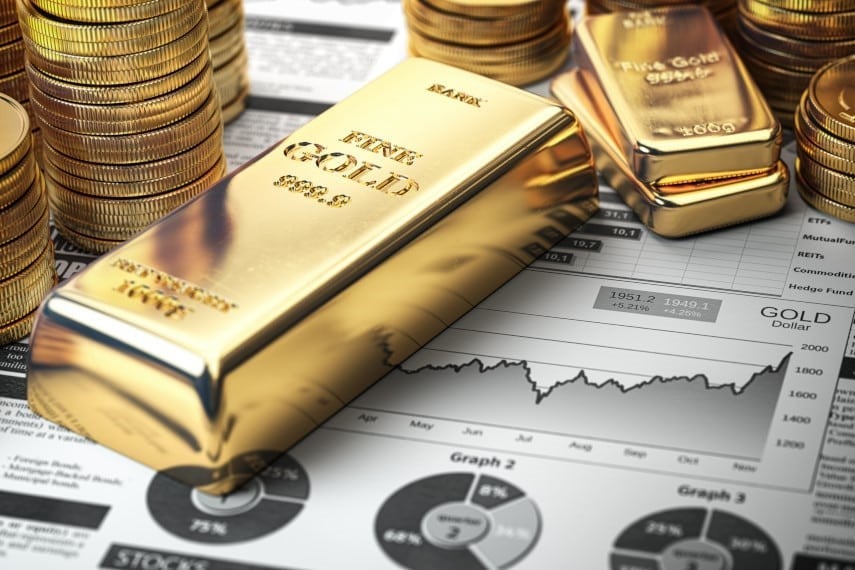
On April 6th, gold was trading at nearly $2,250 (£1,788) per troy ounce, reaching a high of $2,288 (£1,818). On April 7th, another all-time record was broken, extending the record-breaking streak that had already occurred in January, February, and March of this year. But why is the price of gold still rising?
Firstly, geopolitical conflicts are drawing investor attention to gold. The wars in Ukraine and Gaza continue, and the risk of escalation to other countries hangs over the market. Investors and governments alike are wary of a repeat of the Ukraine conflict two years ago, and gold is one of the most effective hedges against these concerns.
 |
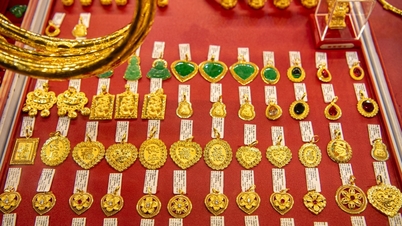
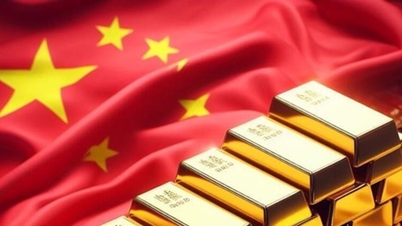
Illustrative image |
Data from BullionVault, the world's largest online precious metals marketplace, shows that Western investors reaped record profits from selling gold in March, selling nearly double the amount they bought. BullionVault's research director, Adrian Ash, said the previous peak in the number of gold sellers also came when the price of gold bullion surged.
But all of this coincided with periods of intense political or financial tension, fueling stronger investor demand. Indeed, the number of sellers through the platform increased by 95%, surpassing figures recorded during the UK riots and the Euro debt crisis of 2011, the Ukraine war in March 2022, and the Brexit referendum shock in June 2016.
Conversely, gold's new all-time high has risen exponentially as general uncertainty surrounding global conflicts continues. This speaks to the underlying strength of this bullish trend.
Secondly, central banks continue to buy gold. Strong demand from central banks and retail investors in Asia is also supporting the precious metal. However, demand is expected to ease in the short term as investors hesitate in the face of higher prices.
Strategists say the prospect of lower funding costs could eventually lead to increased demand for gold-backed exchange-traded funds (ETFs) from real-money asset managers for the first time since 2022. And while the rate of purchases is slowing, central banks around the world are still stockpiling gold wherever possible.
Data from the World Gold Council shows that global central bank gold reserves increased by 19 tonnes in February. While this marks the ninth consecutive month of growth, the data indicates a slowdown, with purchases in February 58% lower than in January. Year-to-date, central banks reported adding 64 tonnes in January and February, 43% lower than the same period in 2023 but four times higher than in 2022.
Third, gold acts as a hedge against inflation. A rebound in gold prices typically occurs when inflation tends to rise, reducing the value of the currency. However, Federal Reserve Chairman Jerome Powell's update on the policy outlook will be a key driver for stocks and commodities this week. The Fed won't cut interest rates until June at the earliest, and annual inflation is at 2.5% due to the growing economy.
The strength of the US dollar is complicating matters for those concerned about the future of gold. The currency recently surpassed its highest level in four months, adding further pressure to the gold market and creating confusion for those with exposure to gold bullion.
Kathleen Brooks, research director at XTB Trading, points out that gold may have already reached its ceiling if not for a corrective event such as further geopolitical escalation and possibly a correction. Open interest in gold contracts appears to have peaked and gold prices are currently 15% above the 200-day moving average (SMA).
Source
![[Photo] General Secretary and President To Lam presides over a meeting with the Central Organizing Committee.](https://vphoto.vietnam.vn/thumb/1200x675/vietnam/resource/IMAGE/2026/06/03/1780482764658_a1-bnd-4741-3342-jpg.webp)
![[Photo] Secretary of the National Assembly Party Committee, Chairman of the National Assembly presides over the meeting of the Standing Committee and Executive Committee of the National Assembly Party Committee.](https://vphoto.vietnam.vn/thumb/1200x675/vietnam/resource/IMAGE/2026/06/03/1780480353201_ndo_br_bnd-2585-jpg.webp)
![[Photo] First session of the 14th Congress of the Vietnam Trade Union](https://vphoto.vietnam.vn/thumb/1200x675/vietnam/resource/IMAGE/2026/06/03/1780465947883_ndo_br_img-3852-jpg.webp)














































![[Video] Sunset at Lap An Lagoon – Where the sun sets over the fishing nets](https://vphoto.vietnam.vn/thumb/1200x675/vietnam/resource/IMAGE/2026/05/31/1780192137701_beach-landscape-sea-water-nature-grass-745871-pxhere-com.jpeg)



































Comment (0)