

All of the above factors contribute to type 2 diabetes. In addition, many large-scale studies have shown that breakfast habits are closely linked to the risk of diabetes in both adults and children, according to the health website Verywell Health (USA).
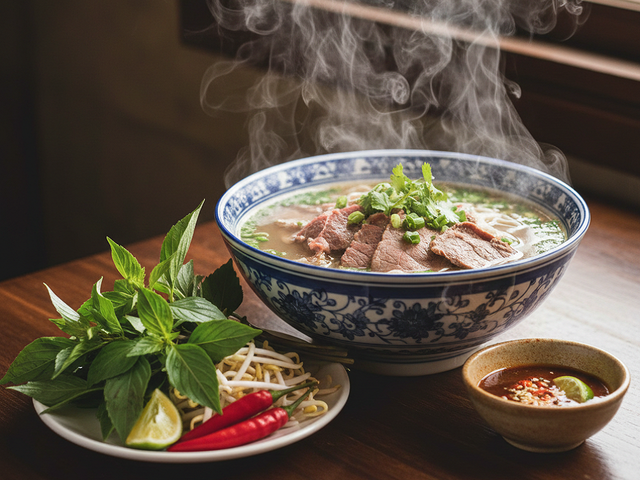
Breakfast should be low in refined carbohydrates and fats, and high in fiber.
PHOTO: AI
To protect your health and avoid the risk of diabetes, people need to limit the following breakfast habits:
High in white starch, low in fiber.
White bread, white sticky rice, rice rolls, vermicelli, pho, and noodle soup, if eaten with too few vegetables, will make breakfast a meal high in white carbohydrates. In fact, this way of eating breakfast is very common.
These foods have a high glycemic index, meaning they are digested quickly, causing blood sugar levels to rise. The symptoms surge and then drop rapidly. This condition forces the pancreas to secrete more insulin to cope.
Instead, people should replace white bread with whole-wheat bread or oatmeal. Additionally, breakfast should include vegetables, low-sugar fruits, beans, and nuts. If eating noodles like vermicelli, pho, or hu tieu, add plenty of vegetables and limit the amount of fatty broth.
Drink sugary drinks.
Many people have a quick breakfast of a pastry with coffee, milk tea, soda, or canned fruit juice. The problem is that sugar in liquid form is absorbed extremely quickly, causing blood sugar to spike even more than when consuming sugar in solid food.
Instead, people should prioritize water, unsweetened tea, and coffee with little or no sugar. If you want to get the nutrients from fruit, eat whole fruit instead of drinking canned juice. In particular, you should limit milk tea, soft drinks, and energy drinks.
Late breakfast
Not only what you eat, but also when you eat it affects blood sugar. The body has a biological clock that controls the rate of insulin secretion and the sensitivity of cells to insulin. Much scientific evidence suggests that eating breakfast too late can lead to poorer blood sugar control.
Eating breakfast late, close to noon, makes it easy to skip lunch, eat more at dinner, or eat late at night. This causes most of the energy to be concentrated in the evening, when cells are no longer as responsive to insulin. As a result, blood sugar levels after dinner are high, leading to weight gain around the abdomen, dyslipidemia, and an increased risk of diabetes and cardiovascular disease, according to Verywell Health .
Source: https://thanhnien.vn/3-sai-lam-khi-an-sang-de-gay-tieu-duong-185251130115245994.htm

























![[Photo] Reception to welcome General Secretary and President To Lam and his wife on their State visit to the Philippines](https://vphoto.vietnam.vn/thumb/1200x675/vietnam/resource/IMAGE/2026/06/01/1780295488620_vna-potal-chieu-dai-chao-mung-tong-bi-thu-chu-tich-nuoc-to-lam-va-phu-nhan-tham-cap-nha-nuoc-toi-philippines-8798060-7855-jpg.webp)


































































Comment (0)