

The American Heart Association (AHA) states that many heart attacks occur in the early morning, when blood pressure and heart rate naturally rise due to hormonal changes in the body. Some seemingly simple signs can be early warning signs of underlying heart disease, according to the health website Healthline (USA).
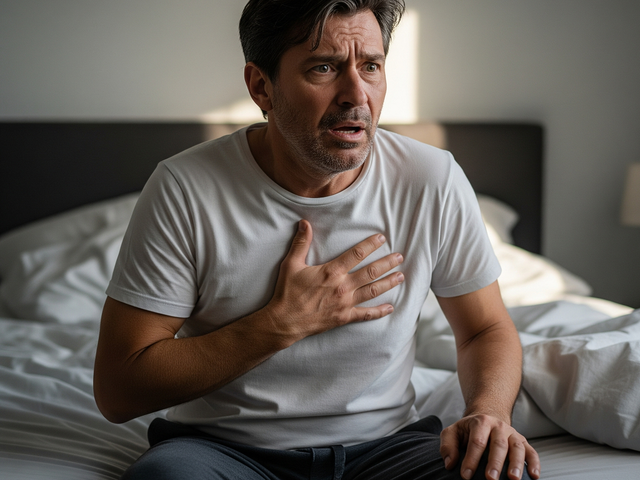
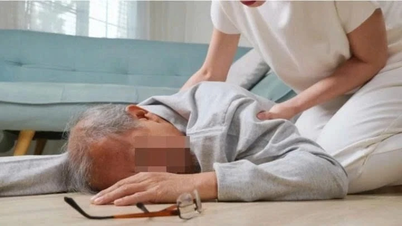
Feeling short of breath right after waking up in the morning is a potential sign of heart disease.
PHOTO: AI
To protect your cardiovascular health, you shouldn't ignore the following signs upon waking up:
Chest pain
This is a classic sign of a heart attack and often occurs in the early morning. The patient feels a heavy, tight, or sharp pain in the chest. In many cases, the pain radiates to the arm, shoulder, back, or jaw, especially on the left side of the body.
Morning heart attacks are often more severe because blood platelets are more active at this time, making them more prone to blood clot formation. Some people mistake chest pain caused by a heart attack for heartburn or chest muscle spasms. However, chest pain due to a heart attack will be accompanied by nausea and cold sweats. The patient needs immediate emergency medical attention.
Shortness of breath after waking up
Another sign of heart disease is shortness of breath as soon as the patient sits up or takes a few steps out of bed. This is because the heart is not pumping blood effectively.
Morning shortness of breath is often associated with congestive heart failure, which occurs when fluid builds up in the lungs, causing shallow, labored breathing. Experts say shortness of breath due to heart disease usually doesn't improve with changes in posture and is accompanied by fatigue, a dry cough, or leg swelling.
Nervous
One of the symptoms of atrial fibrillation is a feeling of an abnormally fast heartbeat, palpitations, irregular rhythm, or pounding immediately after waking up. Atrial fibrillation is a common heart rhythm disorder that can lead to stroke or heart failure. Symptoms of atrial fibrillation are often more pronounced in the morning due to the post-awake adjustments of the autonomic nervous system.
Unusual fatigue
After a long sleep, the body should feel refreshed upon waking. However, if the body feels tired, it could be a sign of an underlying problem, such as high stress levels, hormonal imbalances, or cardiovascular disease.
In cardiovascular disease, the cause is that the heart doesn't pump enough blood to the body's organs. Women are particularly prone to overlooking this sign because they often don't think of fatigue as a symptom of cardiovascular disease. Patients will brush their teeth or get dressed while feeling unusually tired and sluggish, according to Healthline .
Source: https://thanhnien.vn/4-dau-hieu-khi-vua-thuc-day-canh-bao-can-di-kham-tim-185250731183153213.htm































































































Comment (0)