

Of the basic tastes in food—sweet, salty, sour, savory, and bitter—bitter is often the least preferred. Many people tend to avoid foods with this taste due to its strong and unpleasant sensation. However, scientific evidence suggests that bitterness is associated with many beneficial bioactive compounds.
- 1. The effects of bitter-tasting foods
- 1.1 Bitterness aids the functioning of the digestive system.
- 1.2 Contributes to regulating blood glucose and improving insulin sensitivity.
- 2.3 Provides antioxidants, supporting the prevention of chronic diseases.
- 1.4 Role in reducing cancer risk
- 2. Foods with a bitter taste should be added to the diet.
- 3. How to use it to reduce bitterness and make it easier to eat.
- 4. Notes on using bitter-tasting foods
Bitter foods often contain high levels of phytochemicals (plant compounds) such as flavonoids, polyphenols, glucosinolates, and terpenes. These are highly bioactive substances that act as antioxidants, anti-inflammatory agents, and help protect the body against disease-causing factors.
Incorporating bitter-tasting foods into the diet in a balanced way can offer significant benefits, particularly for the digestive system, glucose metabolism, and the risk of chronic diseases.
1. The effects of bitter-tasting foods
1.1 Bitterness aids the functioning of the digestive system.
One of the most noticeable effects of bitter foods is that they stimulate the digestive system to function more efficiently. When bitter substances come into contact with the tongue, they activate bitter taste receptors, which then send signals to the digestive system. This reaction helps to:
- Increased saliva production.
- Stimulates the production of gastric juice.
- Increases the activity of digestive enzymes…
As a result, the process of breaking down food occurs more smoothly, helping the body absorb nutrients better. In addition, increased secretion of digestive juices helps reduce common symptoms such as bloating, abdominal distension, and indigestion. This is why in many traditional medicine systems, bitter herbs are often used to "stimulate digestion".
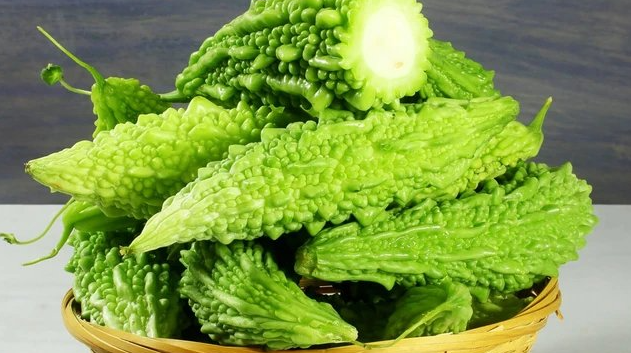
Bitter foods may aid digestion and regulate blood sugar, while also possessing anti-cancer properties.
1.2 Contributes to regulating blood glucose and improving insulin sensitivity.
Recent studies suggest that polyphenol compounds in bitter-tasting foods may improve the body's responsiveness to insulin. Insulin is a hormone that helps transport glucose from the blood into cells for use as energy. When the body becomes less sensitive to insulin (insulin resistance), blood sugar levels rise and, over time, can lead to type 2 diabetes.
Some of the mechanisms identified include:
- Increased insulin sensitivity in tissues.
- Reduced glucose absorption in the intestines.
- Regulation of lipid and sugar metabolism...
In a study of people with type 2 diabetes, the group consuming bitter cruciferous vegetables showed significant improvements in blood sugar control, blood pressure, and body composition compared to the group consuming mild-tasting vegetables. This suggests that incorporating bitter foods into a diet and medical treatment may be a supportive part of a blood sugar management strategy.
2.3 Provides antioxidants, supporting the prevention of chronic diseases.
Compounds found in bitter foods, particularly polyphenols and glucosinolates, possess strong antioxidant properties. They help neutralize free radicals – factors that cause cell damage and are linked to many chronic diseases.
Some notable benefits include:
- Reduce the inflammatory response in the body.
- Protect cells from damage.
- Supports the immune system...

In particular, cruciferous vegetables such as broccoli, Brussels sprouts, and cabbage contain glucosinolates – compounds that have been studied for their potential to help prevent certain types of cancer, especially those related to the digestive system. Furthermore, a diet rich in plant-based foods, including bitter foods, is associated with a reduced risk of cardiovascular disease, obesity, and metabolic disorders.
1.4 Role in reducing cancer risk
Some observational studies suggest that people who tend to dislike bitter tastes consume fewer green vegetables, which can reduce their antioxidant intake. Conversely, maintaining a habit of eating bitter-tasting foods may:
- Increase the supply of cell-protective substances.
- Supports the liver's natural detoxification process.
- Reduce the risk of DNA damage...
Some compounds in cruciferous vegetables are also being studied for their potential to help prevent complications related to HPV – a risk factor for certain types of cancer. However, it should be noted that food is not a substitute for medical treatment, but only contributes to disease prevention when combined with a healthy lifestyle.
2. Foods with a bitter taste should be added to the diet.
If you're not used to the bitter taste, you can start with familiar and easy-to-prepare foods:
- Artichoke
- Bitter gourd
- Curly lettuce, dandelion greens
- Orange and lemon peels
- Grapefruit
- Coffee
- Green tea
- South cranberry
- Dark chocolate (high cocoa content)
- Cruciferous vegetables: Broccoli, kale, Brussels sprouts, cabbage...
These are all nutritious foods that can be easily incorporated into daily meals.
3. How to use it to reduce bitterness and make it easier to eat.
To take advantage of the benefits while still suiting your taste, you can apply several cooking methods:
- Soak or blanch bitter melon briefly to reduce its bitterness.
- Combine bitter greens with olive oil, garlic, or natural seasonings.
- Grill or steam cruciferous vegetables instead of eating them raw.
- Combine bitterness with sourness or richness to balance the flavors...
Getting used to the bitter taste will help people adapt and maintain the habit in the long term.
4. Notes on using bitter-tasting foods
Despite their many benefits, there are some things to keep in mind when consuming bitter foods:
- You shouldn't eat too much of one type of food.
- People with digestive problems should exercise caution when consuming foods with a strong bitter taste.
- Pregnant women should consult their doctor before using certain bitter herbs...
Food diversification remains a crucial principle for ensuring nutritional balance.
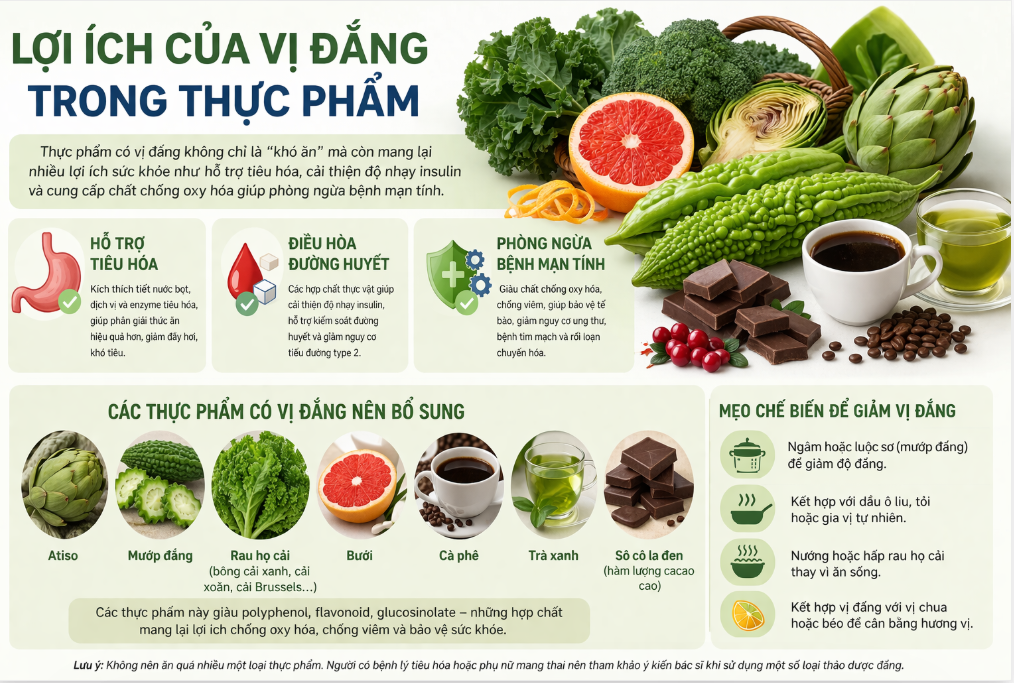
Bitter foods are not merely a sensory characteristic but also a sign of many beneficial bioactive compounds. Appropriate inclusion of these foods can support digestion, improve sugar metabolism, and contribute to the prevention of chronic diseases. It's important to incorporate these foods appropriately to maximize their health benefits.
Readers are invited to read more:
Source: https://suckhoedoisong.vn/4-loi-ich-cua-vi-dang-trong-thuc-pham-169260408092934485.htm































![[Photo] Reception to welcome General Secretary and President To Lam and his wife on their State visit to the Philippines](https://vphoto.vietnam.vn/thumb/1200x675/vietnam/resource/IMAGE/2026/06/01/1780295488620_vna-potal-chieu-dai-chao-mung-tong-bi-thu-chu-tich-nuoc-to-lam-va-phu-nhan-tham-cap-nha-nuoc-toi-philippines-8798060-7855-jpg.webp)









































































Comment (0)