

When ambient temperatures rise, the body loses water more quickly through sweat, significantly increasing the need for hydration. However, many people maintain drinking habits that seem like "quick thirst quenchers" but can actually be detrimental to the kidneys and circulatory system during hot weather.
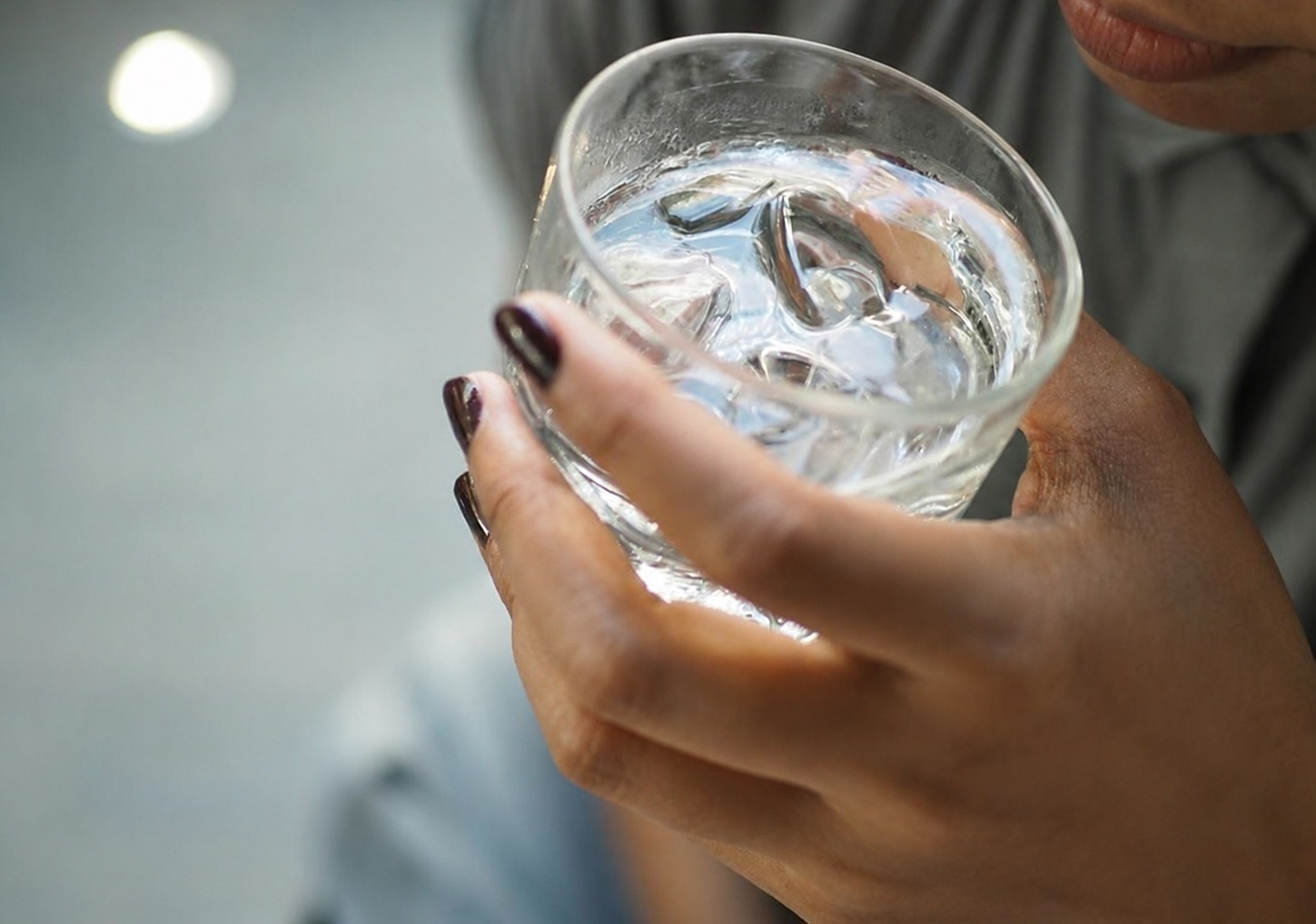 |
Drinking ice-cold water is one of the bad habits in summer that can harm the kidneys. Photo: Shutterstock. |
Drinking too much water in a short period of time.
According to India Times, one of the most common mistakes when drinking water on hot days is consuming a large amount of water at once after coming in from outside or when feeling intensely thirsty. While gulping down water quickly might quench thirst fast, it can actually cause bloating and lead to water overload in a short period.
The National Kidney Foundation (NKF) states that the kidneys play a role in maintaining water and electrolyte balance, but their processing capacity is limited. When fluid intake exceeds what is needed in a short period, the sodium concentration in the blood can be diluted, leading to hyponatremia. This condition can cause symptoms ranging from mild, such as nausea and fatigue, to severe, such as seizures or altered consciousness, if not treated promptly.
Instead, drinking in small, slow sips is better, allowing the digestive system and kidneys to process water steadily and consistently. If you frequently feel bloated or uncomfortable after drinking water, it's a sign that you should slow down your drinking speed and allow your body to absorb water more naturally.
Excessive consumption of ice-cold drinks after sun exposure.
Another common habit during hot weather is frequently drinking ice-cold water, especially right after outdoor activities. While it provides immediate relief, the sudden temperature change can affect the circulatory and digestive systems.
According to NDTV, when the body is in a state of thermal vasodilation, consuming excessively cold water can cause sudden vasoconstriction, disrupting thermoregulation and affecting fluid distribution in the body. While not directly damaging the kidneys, this sudden change can force the body to constantly adjust, indirectly putting additional pressure on the excretory system and causing the kidneys to overwork.
Only drink water when you feel thirsty.
Many people believe that simply drinking when thirsty is enough. However, Dr. Lin Chi-ching, Head of the Emergency Department at Fengyuan Hospital (Taiwan, China), says that when working or engaging in activities in high temperatures that cause the body to sweat profusely, the amount of water needed to replenish is greater than normal. You shouldn't wait until you feel thirsty to drink water, because by then the body is already dehydrated and replenishment may not be timely.
According to the Mayo Clinic , thirst is a delayed warning mechanism of the body. By then, circulation and kidney function may have already been mildly affected due to reduced fluid volume. If this habit is maintained for a long time, urine becomes more concentrated, increasing the risk of kidney stones and urinary tract infections.
In addition to plain water, during the summer months it's necessary to supplement with salt or electrolyte drinks to avoid electrolyte imbalance or hyponatremia, even when engaging in indoor activities.
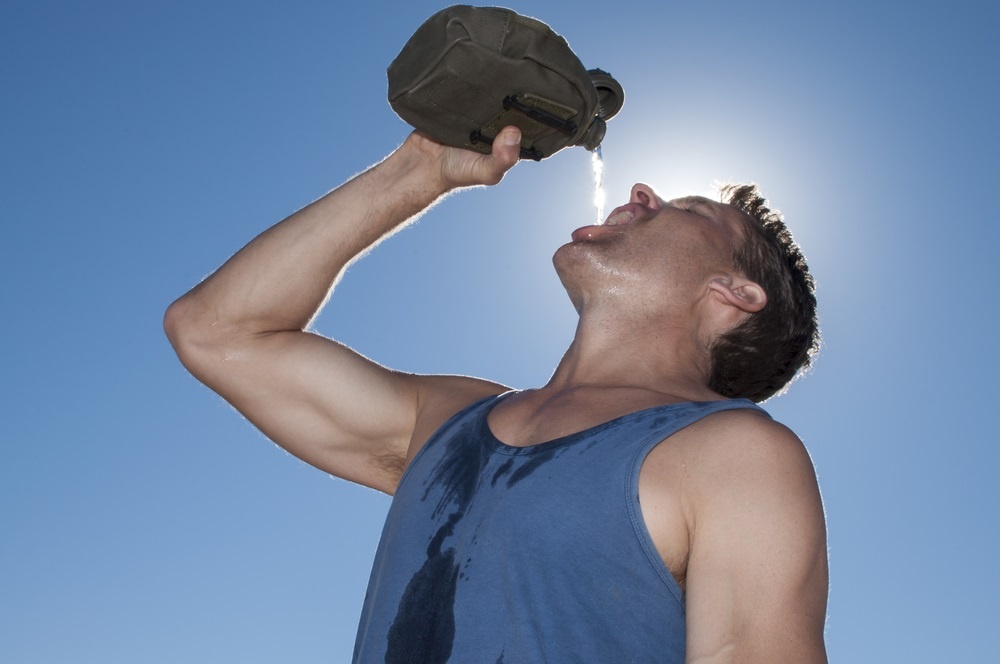 |
Thirst indicates that the body is already dehydrated, and replenishment may no longer be possible. Photo: Shutterstock. |
Drinking bottled water left in the car in the hot sun.
Many people have a habit of keeping bottled mineral water in their cars for convenient use when thirsty. However, although PET plastic bottles are considered a low-toxicity material, prolonged exposure to high temperatures still carries the risk of leaching certain chemicals into the water.
In the summer, the temperature inside a car parked outdoors can rise very high, even reaching around 60-70°C. Under these conditions, the risk of plastic material degradation and the release of unwanted substances increases.
According to Dr. Nhan Tong Hai, Director of the Clinical Poison Control Center at Chang Gung General Hospital (Taiwan), using plastic bottles in high-temperature environments can increase the risk of exposure to endocrine disruptors. Several studies and medical warnings suggest that these substances affect the endocrine and reproductive systems with prolonged exposure.
Furthermore, colored plastic bottles (especially recycled or industrially dyed ones) can increase the risk of releasing unwanted substances, including heavy metals such as lead or cadmium, when exposed to high temperatures. If these substances remain in the environment for extended periods, they can affect the nervous system, kidneys, and bones.
Replace plain water with soda or sugary drinks.
On hot days, some people tend to use soft drinks, milk tea, or sugary drinks to quench their thirst instead of plain water.
According to the U.S. National Institute of Diabetes, Digestive and Kidney Diseases (NIDDK), regular consumption of sugary drinks not only increases the risk of obesity and diabetes but is also directly linked to the risk of chronic kidney disease. Prolonged high blood sugar levels force the kidneys to work harder to filter blood, which can eventually lead to damage to the kidney's filtering units.
Source: https://znews.vn/5-kieu-uong-nuoc-ngay-nang-cang-lam-cang-hai-than-post1654769.html
























![[Photo] Reception to welcome General Secretary and President To Lam and his wife on their State visit to the Philippines](https://vphoto.vietnam.vn/thumb/1200x675/vietnam/resource/IMAGE/2026/06/01/1780295488620_vna-potal-chieu-dai-chao-mung-tong-bi-thu-chu-tich-nuoc-to-lam-va-phu-nhan-tham-cap-nha-nuoc-toi-philippines-8798060-7855-jpg.webp)














































































Comment (0)