

Cabbage is currently in season in the northern provinces. Using cabbage correctly and according to one's physical condition helps maximize its cooling and refreshing effects while ensuring safety for the digestive system.
- 1. Dishes and remedies made from cabbage
- 2. Herbal remedies made from cabbage.
- 3. External remedies using cabbage
- 4. How to choose and prepare cabbage safely
According to Dr. Phan Bich Hang, Department of Traditional Medicine, Hanoi Medical University, cabbage has a sweet taste and a cooling nature, with effects such as clearing heat, detoxifying, generating body fluids, and promoting urination. It is suitable for cases of internal heat, constipation, and mild digestive disorders.
However, due to its cooling properties, cabbage should be used cautiously, especially in people with weak spleen and stomach, who are prone to cold stomachs and bloating.
Categorizing the uses of cabbage into food-based remedies, oral medicines, and topical remedies helps users choose what suits their health condition and goals, avoiding misuse or improper application.
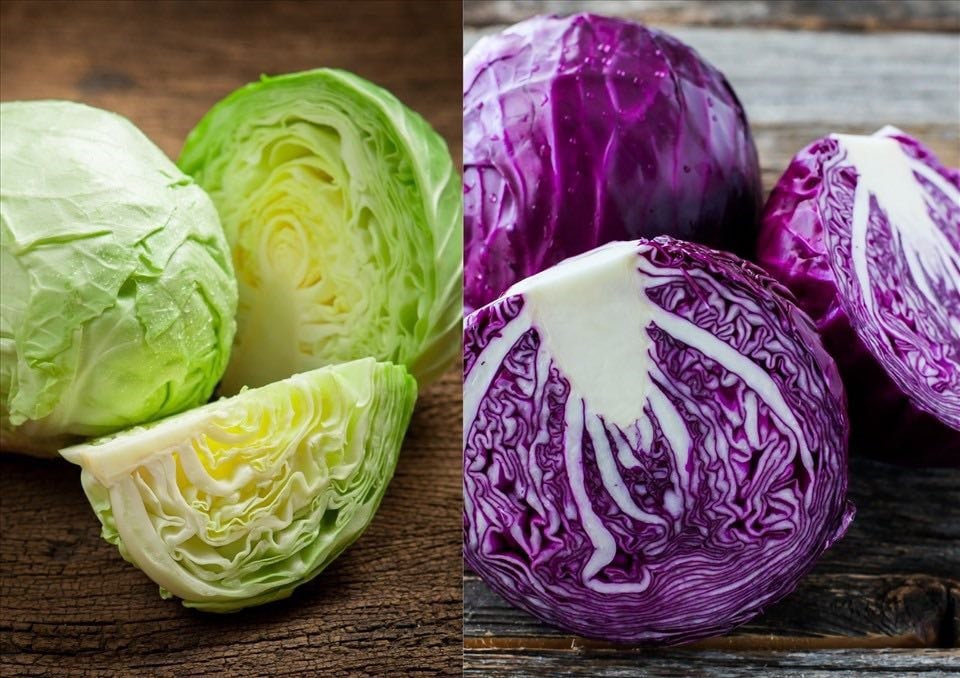
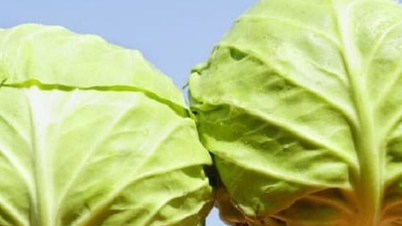
Cabbage has the effect of clearing heat, detoxifying, generating body fluids, and promoting urination.
Dr. Phan Bich Hang introduces several ways to use cabbage to support disease treatment as follows:
1. Dishes and remedies made from cabbage
This is the safest and easiest way to use it, suitable for regular use in daily meals.
1.1. Cooling cabbage soup with shrimp
Ingredients: 200g cabbage, 100g fresh shrimp, a few slices of ginger.
Instructions: 200g of cabbage, 100g of fresh shrimp, add a few slices of ginger; eat hot as part of a main meal.
Effects: Cabbage has a sweet taste and cooling properties, helping to clear heat, generate body fluids, and moisturize dryness, while shrimp has a warm nature and sweet taste, helping to nourish blood and qi, and strengthen the spleen and stomach. This combination creates a soup that is both mildly cooling and does not harm the spleen and stomach, especially suitable when the body is tired and has poor appetite, helping to restore physical strength without causing bloating.
1.2. Steamed cabbage rolls with meat filling boost health.
Ingredients: 150–200 g fresh cabbage leaves (about 4–5 medium leaves); 100 g minced lean meat (pork or chicken); 3–5 g fresh ginger (2–3 thin slices); seasonings to taste.
Instructions: Separate the cabbage leaves, wash them thoroughly, and blanch them quickly in boiling water until softened. Mix the lean meat with minced ginger and season to taste, wrap it in the cabbage leaves, arrange in a bowl, and steam for about 10-15 minutes. Serve while warm.
Benefits: When steamed, the dish becomes soft and easy to digest, suitable for people with poor appetite or who frequently experience bloating. But gentle nourishment is still needed. Lean meat provides the protein necessary for tissue regeneration.

Steamed cabbage rolls with meat filling are suitable for people with poor appetites or who tend to feel bloated.
1.3. Nutritious cabbage porridge
Ingredients: 100–150 g fresh cabbage; 50–70 g white rice; 3–5 g fresh ginger (2–3 thin slices); 800 ml water; Season to taste.
Instructions: Wash the rice thoroughly and cook it with water until it becomes a thin porridge. When the porridge is cooked until soft, add the finely chopped cabbage and ginger, simmer for another 5-10 minutes, season lightly, and serve while warm.
Effects: Porridge is an easily digestible food that provides nourishment without causing stagnation. When combined with cabbage, the porridge helps generate bodily fluids, aids digestion, soothes the intestines, and is suitable for those recovering from illness, the elderly, or those with weak spleen and stomach.
2. Herbal remedies made from cabbage.
2.1. Cooked cabbage water aids digestion.
Ingredients: 200g of cabbage.
Instructions: Cook cabbage with water and drink while still warm, once a day.
Benefits: Cooking reduces the cooling properties of cabbage, making it suitable for people with weak digestive systems who still need a mild, refreshing effect and the production of bodily fluids. Cooked cabbage juice soothes the stomach, aids digestion, and reduces bloating compared to consuming it raw.
2.2. Fresh cabbage juice cools the body.
Ingredients: 200–300 g of fresh cabbage.
Instructions: Juice 200–300g of fresh cabbage, drink once a day, for a short period.
Effects: Fresh cabbage has a stronger cooling effect, suitable for cases of internal heat, dry mouth, and constipation caused by heat. However, due to its distinctly cooling nature, it should only be used for short periods and by selecting appropriate individuals.
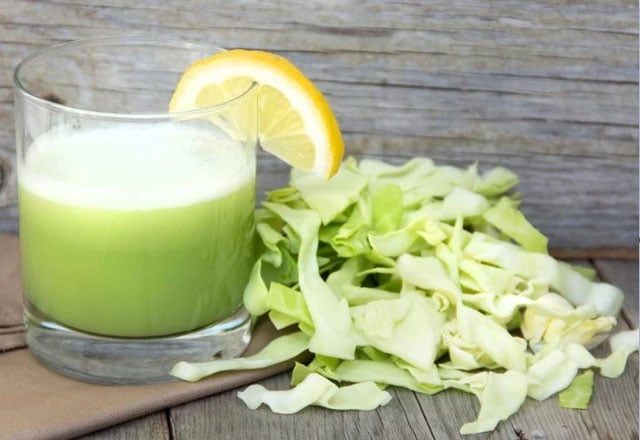
Cabbage juice has a cooling effect and is suitable for cases of internal heat, dry mouth, and constipation caused by heat.
3. External remedies using cabbage
These are folk remedies, not for oral administration, suitable for localized support.
3.1. Applying cabbage leaves as a poultice reduces swelling and pain.
Ingredients: 50–100 g of fresh cabbage leaves.
Instructions: Wash the cabbage leaves thoroughly, crush or mash them until soft, and apply as a poultice for 20–30 minutes per day.
Effects: Cabbage leaves have a cooling and anti-inflammatory effect, and are often used topically to help reduce local swelling and pain. According to modern medicine, cabbage leaves contain a lot of water and natural anti-inflammatory compounds, which help to cool, reduce edema, and alleviate pain, making them suitable for mild swelling and mild soft tissue tension.
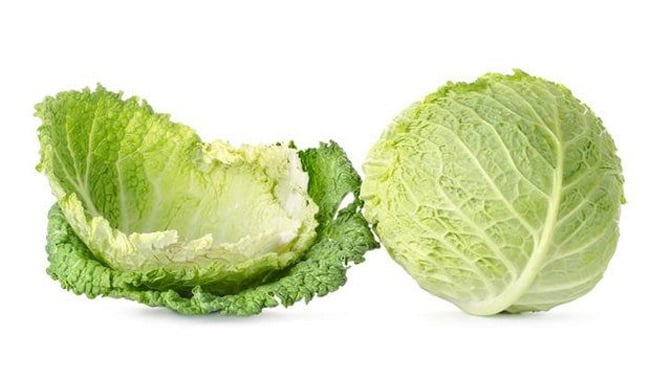
Cabbage leaves have a cooling and anti-inflammatory effect, and when applied externally, they help reduce local swelling and pain.
3.2. Warming cabbage leaves relieves pain.
Ingredients: 50-100g of cabbage.
Instructions: Warm the cabbage leaves slightly, apply them to the painful area, and gently secure them in place.
Effect: When warmed, cabbage changes from a cooling effect to a warming effect, helping to stimulate blood circulation. Improves blood circulation and relieves joint pain caused by cold or stagnation.
3.3. Applying cabbage leaves to reduce breast engorgement
Ingredients: 50-100 g of fresh cabbage leaves.
Instructions: Wash the leaves thoroughly, let them cool, then crush them until soft. Apply the paste to the breast (avoiding the nipple) for 15–20 minutes at a time.
Effects: Cabbage leaves have a cooling and anti-inflammatory effect, helping to soothe breast swelling and pain caused by postpartum milk engorgement. According to modern medicine, cabbage leaves help to cool, reduce edema, and relieve local pain, thereby creating a comfortable feeling and contributing to improved milk flow.
Notes on using cabbage in food and remedies: Cabbage has a cooling effect and should not be consumed in large quantities or raw frequently by people with weak spleen and stomach, or those prone to cold stomachs and diarrhea. Cabbage-based remedies are only supportive and do not replace medical treatment. For prolonged illnesses or severe symptoms, consult a doctor.
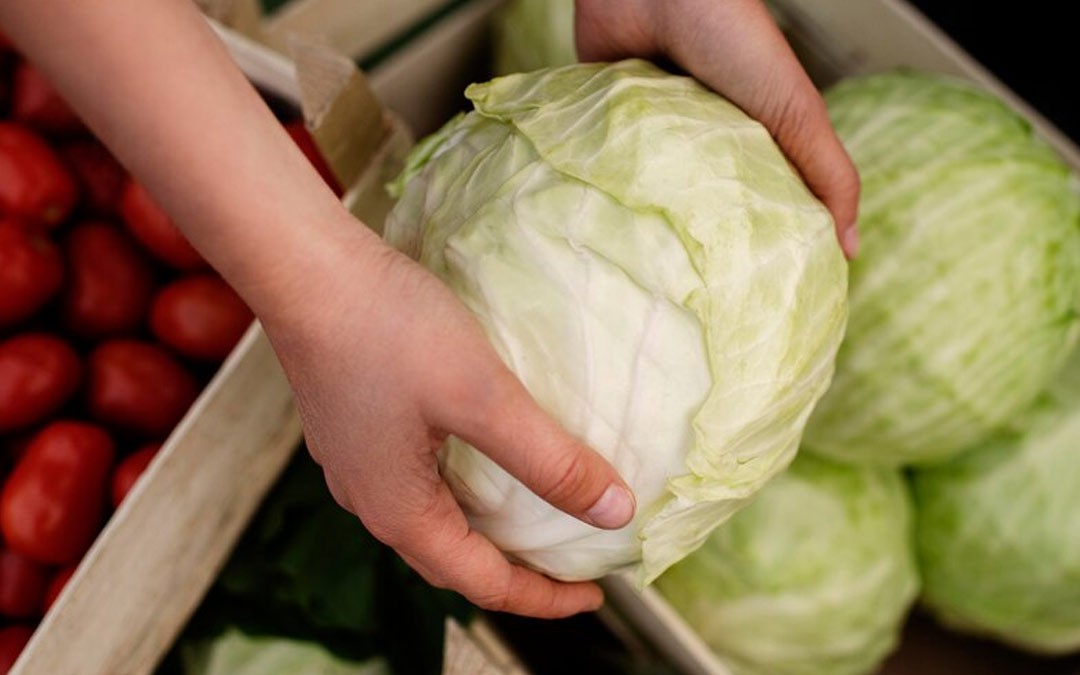
4. How to choose and prepare cabbage safely
- Choose fresh, clean cabbage: Prioritize cabbage with tightly rolled leaves, a light or medium green color, no bruises, and no strange odors; choose from a reputable source to minimize chemical residue.
- Wash thoroughly before use: Separate the leaves, soak them in diluted salt water for 10-15 minutes, then rinse several times with clean water to remove dirt and bacteria.
- Cooked cabbage is preferred over raw cabbage: For people with weak digestive systems, cooking cabbage reduces its cooling properties and prevents stomach chills and bloating.
- Avoid keeping cabbage for too long after cooking: Dishes made with cabbage should be consumed on the same day and should not be reheated multiple times.
- Add warming seasonings when needed: You can add ginger, onion, and pepper to balance the cooling properties of the cabbage, making the dish easier to digest.
See more trending articles:
Source: https://suckhoedoisong.vn/8-mon-an-bai-thuoc-de-lam-tu-bap-cai-169260118214545571.htm




![[Image] Close-up view of the interchange connecting the two expressways and Long Thanh Airport.](https://vphoto.vietnam.vn/thumb/1200x675/vietnam/resource/IMAGE/2026/05/25/1779703378210_ndo_br_z7863716673926-224453a31600126cce10622af6290afd-4549-jpg.webp)

































































































Comment (0)