

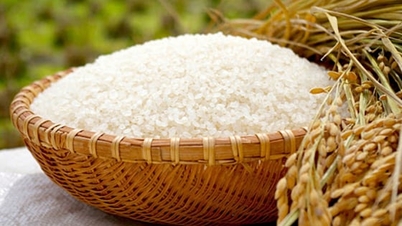
According to the Vietnam Food Association (VFA), world rice prices have cooled down after a period of maintaining high levels. Vietnamese 5% broken rice saw the sharpest decline, falling by $19 to $609 per ton, lower than Thailand's $611 per ton and Pakistan's $612 per ton.
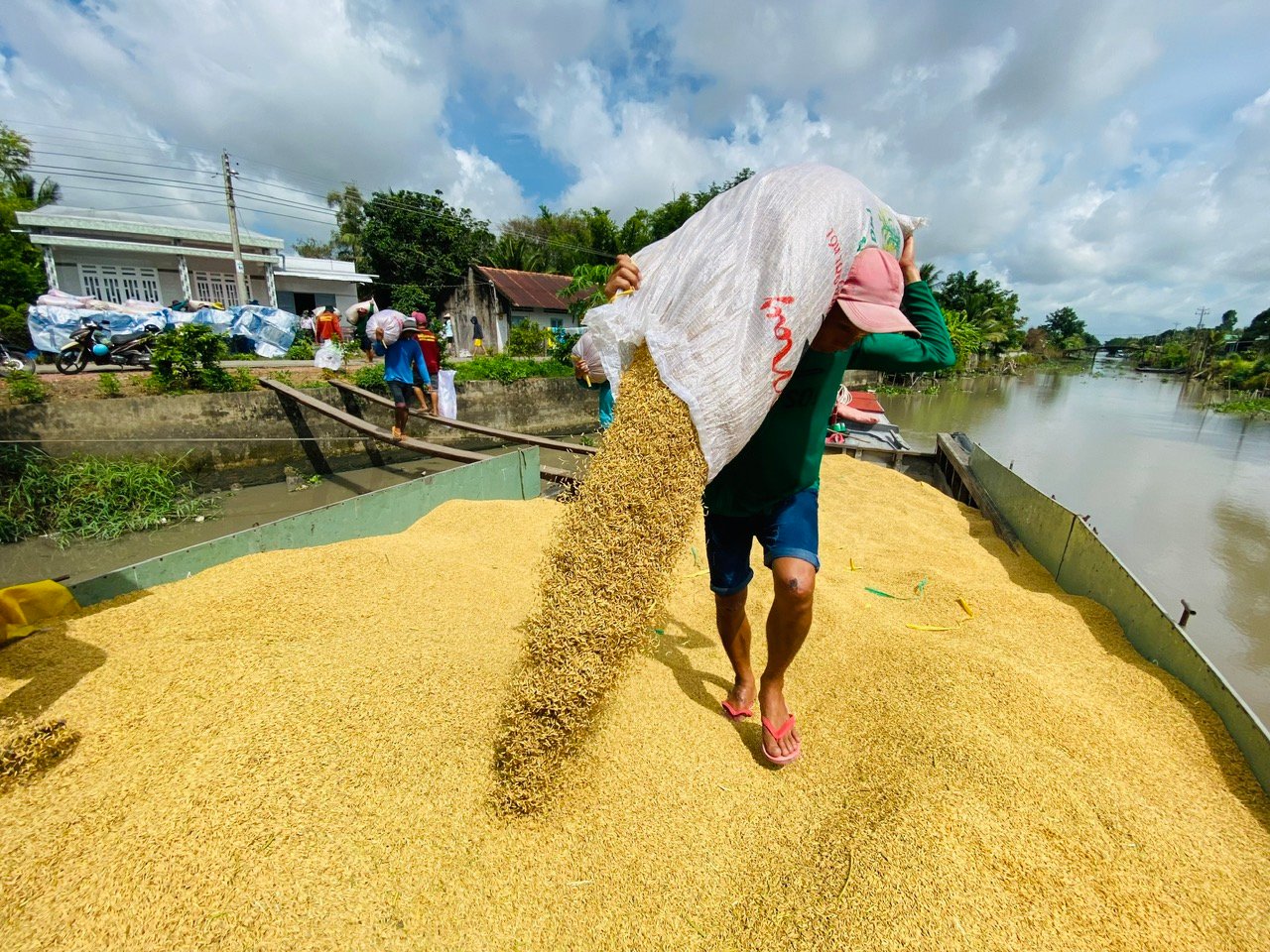
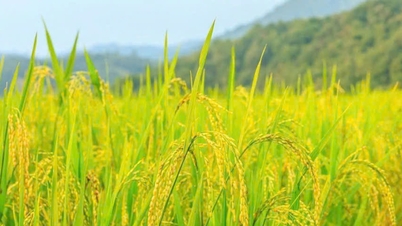
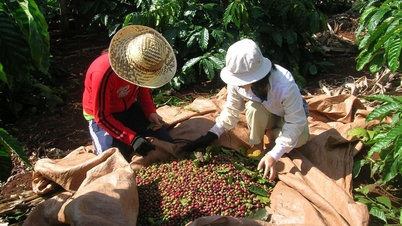
Farmers in the Mekong Delta are in the midst of harvesting their winter-spring rice crop.
The sharpest declines were seen in Vietnamese 25% broken rice, which fell by $20 to $584/ton, followed by Pakistani rice, which dropped by $5 to $570/ton, and Thai rice, which fell by $3 to $561/ton.
The drop in export rice prices has led to a significant decrease in domestic prices. Specifically, paddy rice prices have fallen by more than 1,000 VND/kg, to an average of 7,300 - 7,500 VND/kg, and raw rice of OM and Dai Thom varieties has decreased by 1,300 - 1,400 VND/kg to around 13,000 VND/kg.
In just about 10 days after the Lunar New Year, domestic rice prices plummeted, causing concern among many farmers as the biggest harvest in the Mekong Delta was just beginning.
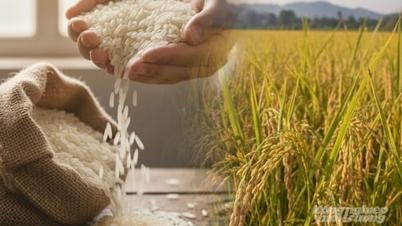
India imposes export tax on parboiled rice indefinitely.
Speaking to Thanh Nien newspaper, several market experts commented: This price drop is a normal market reaction as Vietnam enters its peak harvest season. The second reason is that Indian farmers recently organized numerous protests ahead of the elections to demand better rights. These are two important reasons why many rice importers are delaying signing new contracts, resulting in sluggish trading.
However, the most noteworthy news this past week was that India continued to impose export duties on parboiled rice, while also purchasing 35,000 tons of 25% broken rice for export through government channels.
Specifically, on February 22nd, India announced the extension of the 20% export tax on parboiled rice, which expires at the end of March. Notably, this extension is indefinite, while India exports 7-8 million tons of parboiled rice annually. The tax extension aims to ensure food security and combat inflation ahead of the upcoming elections.
On the same day, India announced a tender for 35,000 tons of 25% broken white rice (non-basmati) for export through the government channels that India has committed to with its partners.
Clearly, controlling inflation and ensuring national food security remain top priorities for the Indian government. The purchase of rice for export also demonstrates India's commitment to exporting through government channels.
Given the above facts, it is likely that rice prices will soon recover.
Vietnam remains the market's focal point.
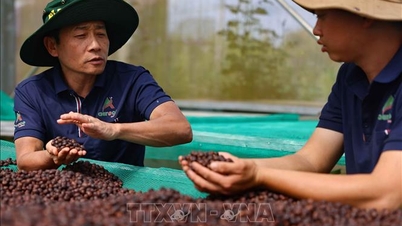
Professor Bui Chi Buu, former Deputy Director of the Vietnam Academy of Agricultural Sciences, commented: Currently, although rice prices have decreased, they are still at a high level of over 7,000 VND/kg. At this price, farmers are guaranteed a profit of over 30%. This is ideal for rice farmers. "We should not have overly high expectations about rice prices reaching 9,000 - 10,000 VND/kg, as this is only a temporary and localized price, not the true price," Professor Buu emphasized.
Professor Bui Chi Buu, former Vice Director of the Vietnam Academy of Agricultural Sciences.
For the global market, India is likely to continue its export restrictions this year. In addition, increasing global economic and political instability is also contributing to the continued high prices of rice and food in general. Furthermore, unfavorable weather conditions are also affecting planting.
"India still maintains its ban on rice exports. Myanmar and Cambodia have negligible rice supplies. Thailand is experiencing severe drought. Vietnam remains the focal point of the rice market. However, we shouldn't expect prices to rise too sharply because rice is an essential food item that governments want to keep prices under control. Rice prices are also unlikely to increase significantly as wheat prices are also cooling down," Professor Buu advised.
Approximately 300,000 hectares of early winter-spring rice have been harvested.
On February 26th, Mr. Nguyen Nhu Cuong, Director of the Department of Crop Production (Ministry of Agriculture and Rural Development), stated: To date, we have harvested over 300,000 hectares of early winter-spring rice in coastal areas at high risk of drought and saltwater intrusion. Therefore, at this point, we can say we have basically succeeded in avoiding drought and salinity, ensuring production and taking advantage of market opportunities. Currently, although rice prices have decreased according to market trends, they remain high and ensure profits for rice farmers.
Source link

![[Photo] Prime Minister Pham Minh Chinh attends the Conference on the Implementation of Tasks for 2026 of the Industry and Trade Sector](/_next/image?url=https%3A%2F%2Fvphoto.vietnam.vn%2Fthumb%2F1200x675%2Fvietnam%2Fresource%2FIMAGE%2F2025%2F12%2F19%2F1766159500458_ndo_br_shared31-jpg.webp&w=3840&q=75)














































































Comment (0)