

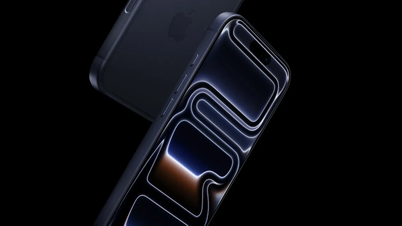
If the iPhone 18 Pro Max returns to a titanium frame, this would be a rather puzzling move, as titanium has previously presented numerous issues regarding cost, temperature, and weight during practical use.
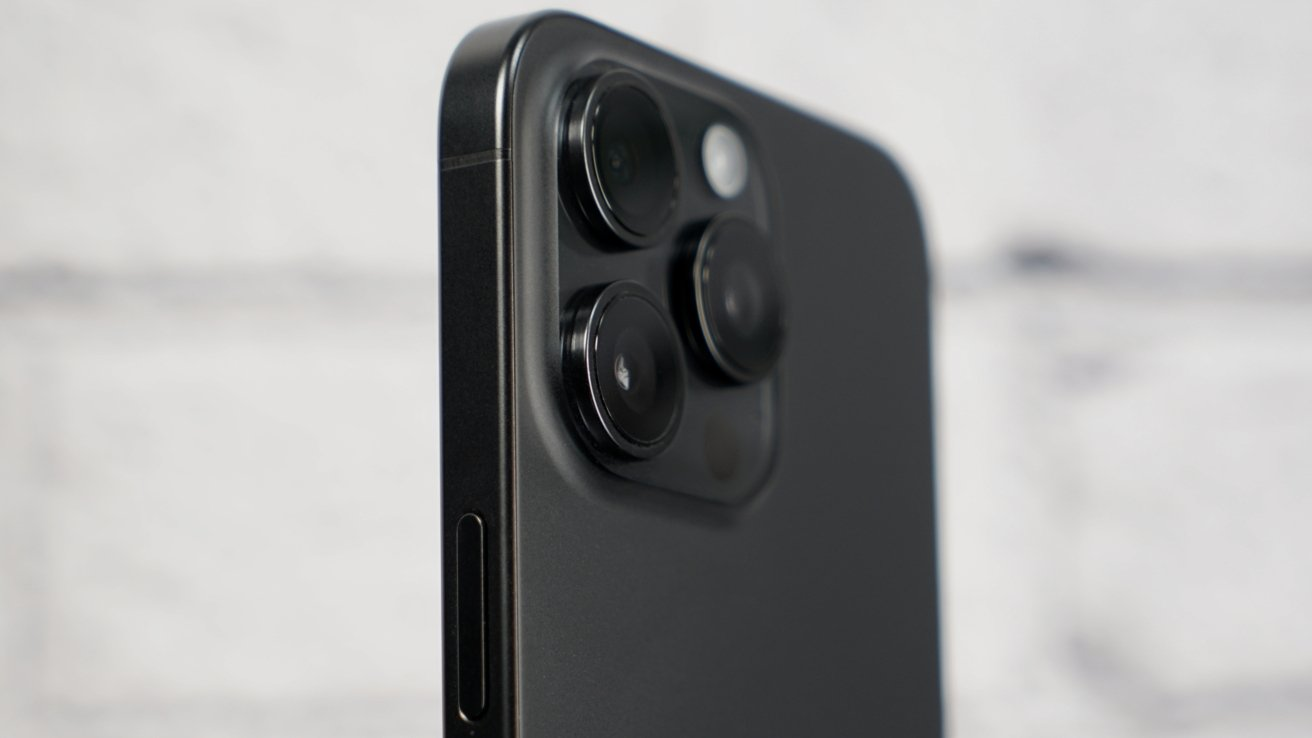
According to a May 17th Weibo post by the leaker Instant Digital , Apple is still researching new titanium alloys for the next generation of high-end iPhones instead of abandoning the material entirely.
The source also indicated that Apple continues to experiment with liquid metal, a type of liquid metal alloy, and a glass frame design for future iPhone models.
Although Instant Digital has previously provided some accurate information regarding Apple, such as the Camera Control feature before its official announcement, the account's prediction history remains quite inconsistent.
More importantly, Apple has never publicly announced any plans to change the materials used in future generations of iPhones.
Apple constantly changes its materials as its design priorities evolve.
Looking back at Apple's hardware development history, it's clear the company has never been absolutely loyal to any one material. Changes have typically stemmed from technical goals, manufacturing capabilities, and user experience, rather than simply "luxury."
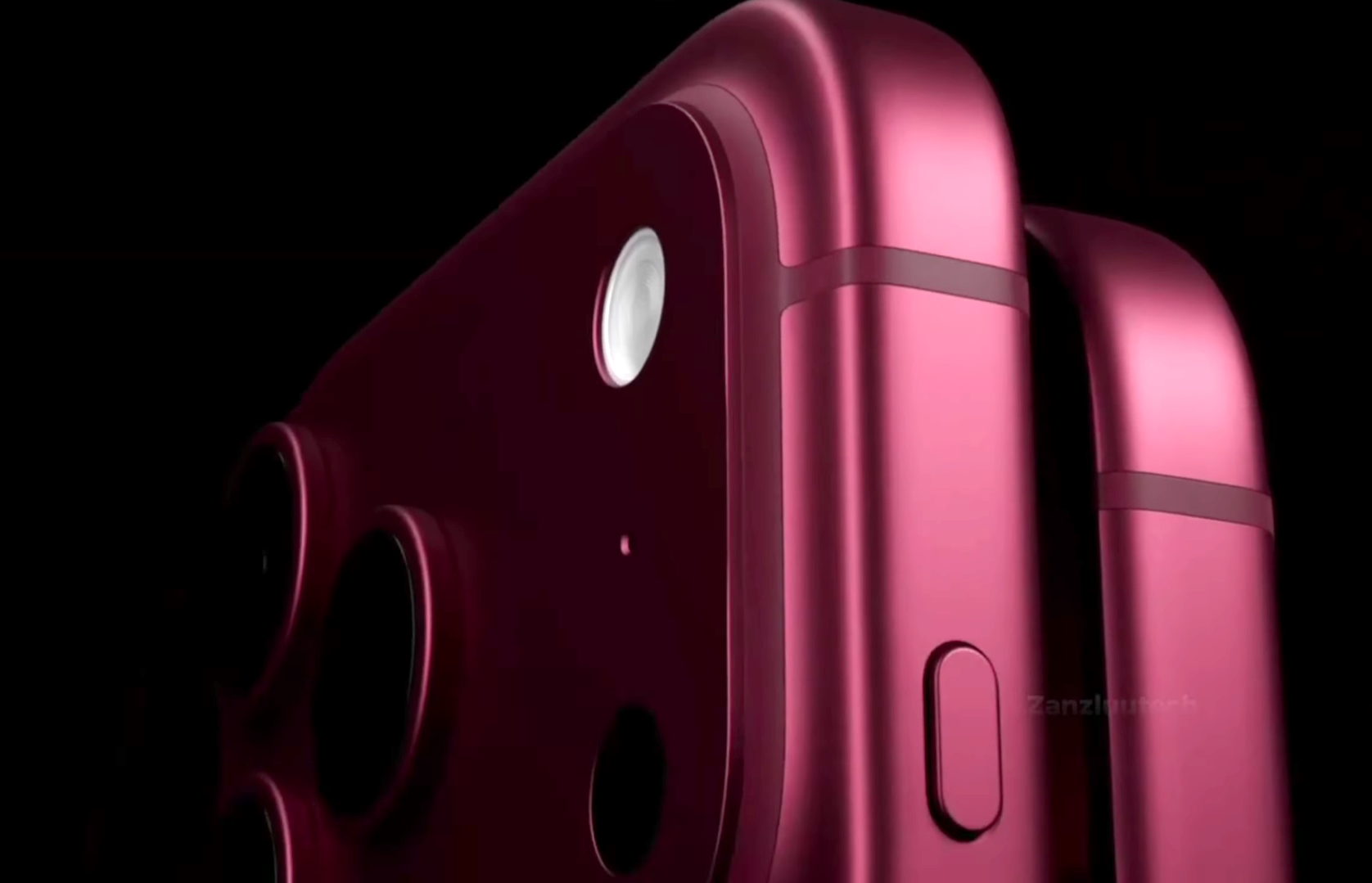
Aluminum replaced plastic on many MacBook models because it offered better rigidity and build quality.
Later, stainless steel became the hallmark of premium iPhone models thanks to its more solid and polished feel compared to aluminum.
With the iPhone 15 Pro, Apple continued to use titanium with the goal of reducing weight while maintaining high durability.
In the advertising campaign for the iPhone 15 Pro, titanium was emphasized by Apple as the most important design feature of the product.
However, history also shows that Apple is willing to abandon technologies that were once heavily promoted if the technical trade-offs are no longer justifiable.
The Butterfly keyboard, Touch Bar, and FineWoven accessories all debuted with ambitious claims before being quietly discontinued.
Titanium is not a perfect material either. While lightweight and durable, it is much more difficult to machine than aluminum, has higher production costs, and is particularly less efficient at dissipating heat.
Temperature is becoming an increasingly important issue for iPhones.
Ever since the iPhone 15 Pro was released, many users have reported that the device heats up quickly during certain demanding tasks.
At the time, Apple stated that the problem stemmed from the software and some third-party applications that had not been fully optimized.
However, temperature issues have made heat dissipation the most important topic of concern.
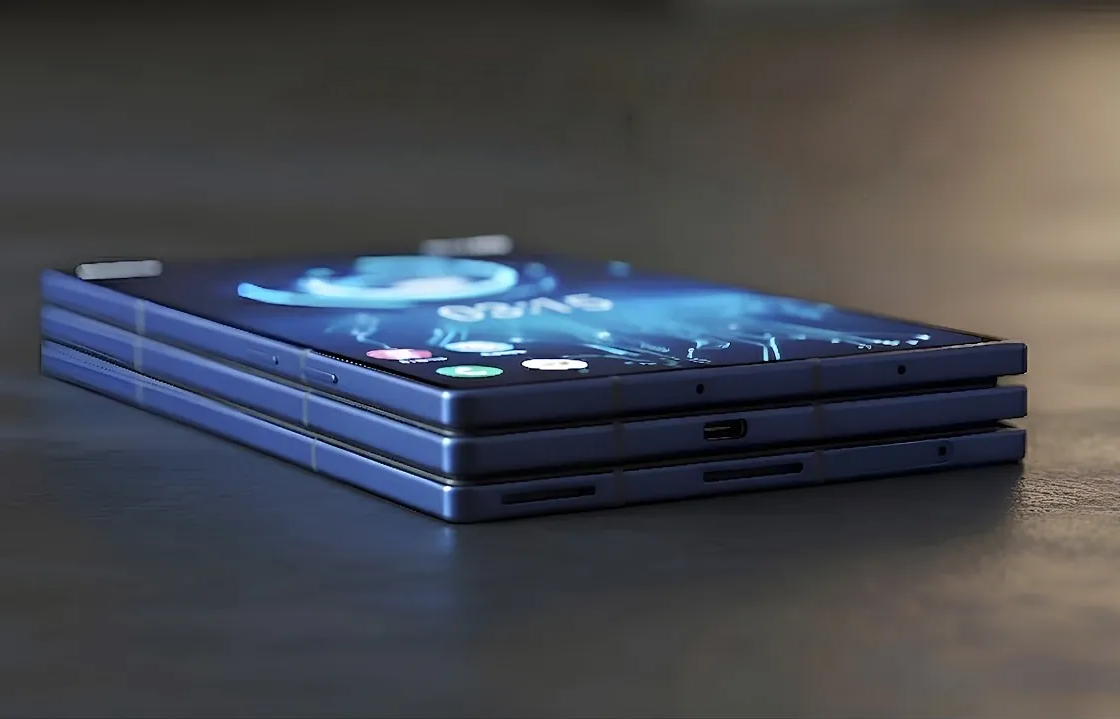
Modern smartphones are increasingly tasked with handling larger workloads: playing AAA games, shooting high-resolution video , editing photos with AI, and performing other tasks directly on the device.
Sustainable performance now depends heavily on how quickly a device can dissipate heat.
In this context, aluminum remains one of the most efficient and practical materials. It conducts heat well, is easy to manufacture on a large scale, is easily recyclable, and offers greater flexibility for thin and lightweight designs.
Therefore, when Apple switched the iPhone 17 Pro to an aluminum frame, this decision reflected the company's new priority: optimizing temperature and performance rather than chasing premium materials for marketing purposes.
This also means that the return of titanium in the future doesn't necessarily mean Apple considers aluminum a failure. On the contrary, it could indicate that the company has found ways to overcome enough of titanium's drawbacks to bring the material back without affecting the user experience.
Liquid metal and glass frames are still a long way off.
Besides titanium, leaked information also suggests that Apple is continuing to research liquid metal and glass frame designs for future high-end iPhone models.
In fact, Apple has been pursuing liquid metal for years and owns numerous patents related to this material. However, using it for the entire iPhone frame presents an enormous manufacturing challenge.
Liquid metal is currently mainly found in small components because scaling up to large-scale production would create a host of problems related to durability, moldability, and repairability. The leaked post itself acknowledges these difficulties.
However, liquid metal may be a better fit for foldable devices. Foldable smartphone hinges require extremely durable materials that operate within a very small space, making liquid metal a far more promising candidate than using it for the entire frame.

Meanwhile, the idea of an iPhone using a glass frame remains more speculative than concrete.
Glass could improve wireless signal transmission and open up new design possibilities, but durability and repairability would be major obstacles for a mass-market device like the iPhone.
In today's smartphone industry, factors such as battery capacity, cooling systems, and internal component layout are influencing design decisions more than the material used for the phone's frame.
Most users will easily notice a phone that is lighter, runs cooler, or has better battery life, rather than paying attention to whether the frame is made of titanium or aluminum.
If Apple does bring titanium back to the iPhone 18 Pro or subsequent generations, it will most likely only happen once the company has resolved the temperature, weight, and cost issues that initially led it to consider switching to aluminum.
(According to AppleInsider, MacRumors)
Source: https://vietnamnet.vn/apple-co-the-dua-titan-tro-lai-iphone-pro-2517914.html



![[Photo] National Assembly Chairman Tran Thanh Man working with the Standing Committee of the Law and Justice Committee](https://vphoto.vietnam.vn/thumb/1200x675/vietnam/resource/IMAGE/2026/05/21/1779378929214_ndo_br_1-4610-jpg.webp)

![[Photo] General Secretary and President To Lam presides over a working session with the Central Policy and Strategy Committee on the development of the materials industry.](https://vphoto.vietnam.vn/thumb/1200x675/vietnam/resource/IMAGE/2026/05/21/1779359935432_a3-bnd-3129-1412-jpg.webp)


























































































Comment (0)