

Apple uses Quantum Dot technology in all versions of the MacBook Pro M4, resulting in better image quality, improved color accuracy, and a wider color gamut.
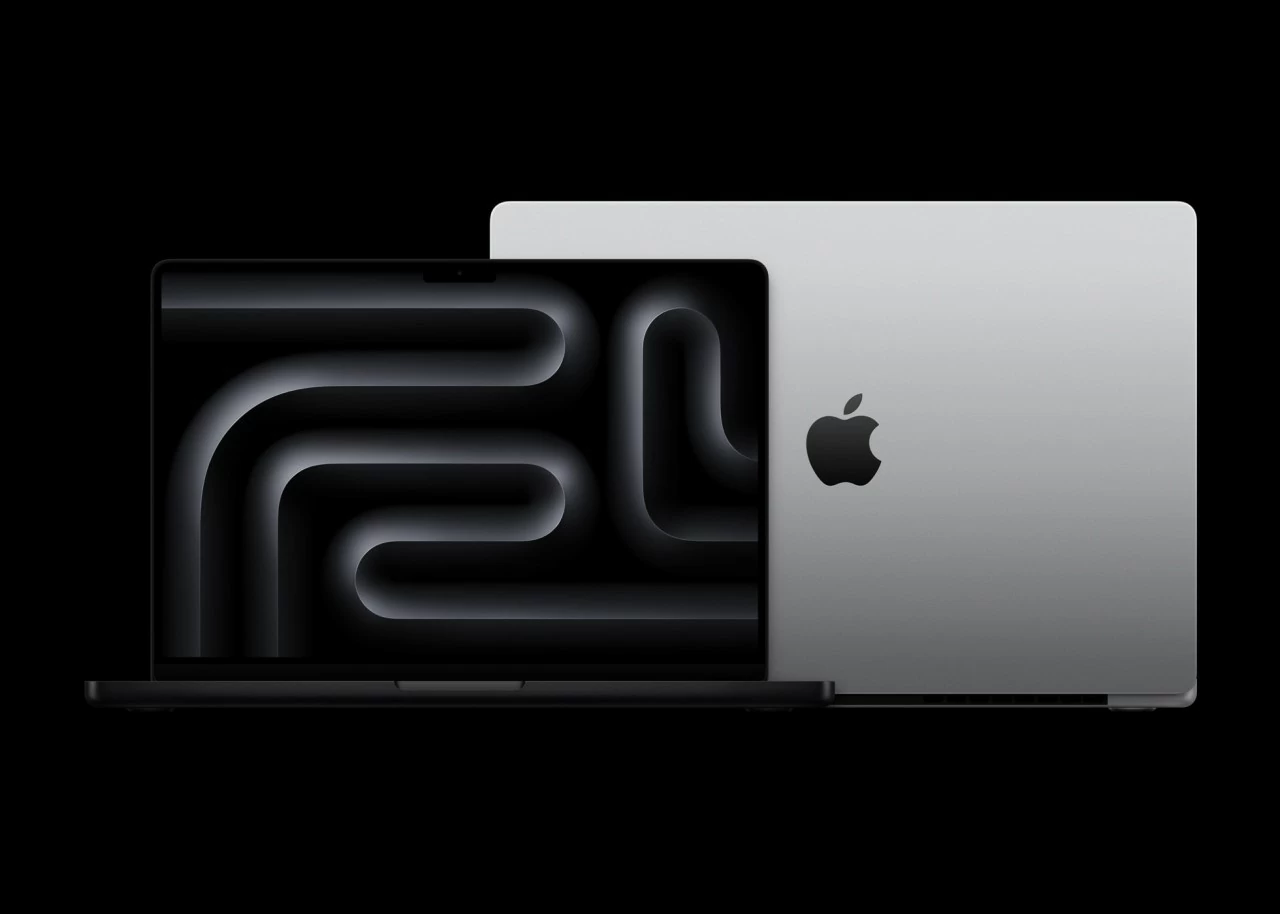 |
| MacBook Pro M4 model. (Source: Apple) |
When Apple unveiled the MacBook Pro M4 laptop, the company stated that the mini-LED technology used in the product's display was one of the industry's leading technologies and was labeled Pro Display XDR. However, Apple did not mention the Quantum Dot technology used in this product.
Mini LED is an improved technology from the LED backlight technology integrated into liquid crystal displays (LCDs). It uses ultra-small Mini LEDs (much smaller than standard LEDs) to illuminate non-self-illuminating pixels on the screen to display content for your enjoyment.
Liquid crystal display (LCD) technology is a type of display technology composed of cells containing liquid crystals that can change the polarization of light and therefore change the intensity of light transmitted through them when combined with polarizing filters.
Meanwhile, Quantum Dot technology, also known as quantum dot technology, uses ultra-small particles ranging in size from 2 to 10 nanometers to provide superior brightness and color for the screen. Compared to conventional LCD panels, Quantum Dot technology offers up to 50% wider color gamut.
According to Ross Young, founder and CEO of Display Supply Chain Consultants (DSCC), Apple has applied Quantum Dot technology for the first time in Mac displays. Previous versions used KSF phosphor films – which are cheaper and do not contain cadmium, a substance harmful to human health. This change provides comparable or even better color gamut and performance compared to previous models. Young also stated that Apple uses Quantum Dot technology for all versions of the MacBook Pro M4.
Previously, according to the technology website MacRumors, Quantum Dot display technology was able to remove cadmium, paving the way for Apple to use it in MacBook Pro M4 laptop models. Scientists consider cadmium (Cd) to be one of the three metals most dangerous to the human body (the other two being lead and mercury).
According to industry experts, displays using this technology offer better image quality, improved color accuracy, and a wider color gamut. However, it remains unclear whether Apple will use this technology for the more affordable MacBook Air M4.
Additionally, Apple has added a nano-texture option to enhance the user experience of using the MacBook outdoors. According to Apple, the MacBook Pro M4 has the best battery life (up to 24 hours) of all MacBook laptop models to date. Apple attributes this to changes in screen technology and the addition of a more power-efficient processor.
Source


![[Photo] Prime Minister Pham Minh Chinh attends the Conference on the Implementation of Tasks for 2026 of the Industry and Trade Sector](/_next/image?url=https%3A%2F%2Fvphoto.vietnam.vn%2Fthumb%2F1200x675%2Fvietnam%2Fresource%2FIMAGE%2F2025%2F12%2F19%2F1766159500458_ndo_br_shared31-jpg.webp&w=3840&q=75)
























































































Comment (0)