

"Many people are missing the golden opportunity for treatment, misusing dietary supplements, engaging in extreme detox programs, or applying unscientific therapies based on self-diagnosis through social media, forums, and short videos," warned Dr. Truong Hong Son, Deputy Secretary General of the Vietnam Medical Association, at the launch ceremony of the Center for Communication and Community Health Care on May 22nd.
The development of the internet and artificial intelligence (AI) has made it easier for people to access health knowledge. However, these platforms have a major weakness: they cannot yet distinguish between accurate and inaccurate information.
"Google or AI primarily provides results based on frequency of appearance. Content that is heavily advertised and widely shared will be more likely to be displayed, even if it's not necessarily official information or scientifically based," Dr. Son analyzed.
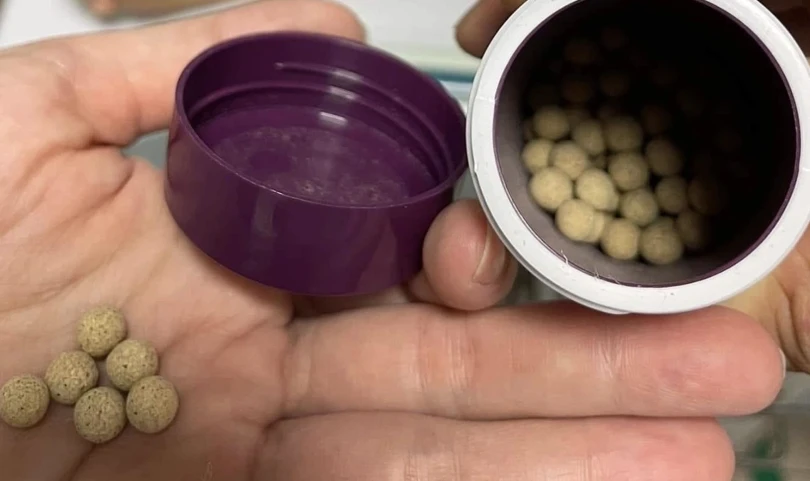
Advertisements for products, dietary supplements, and folk remedies are now rampant on the internet. Many people tend to believe unfounded claims such as "drinking lemons cures diabetes," "body detoxification," or "superfoods that help eliminate tumors."
For example, there's the trend of using high doses of lemon juice. Although lemons are rich in vitamin C and good for the body, overusing lemon juice – especially on an empty stomach – can irritate the stomach, affect digestion, and reduce the ability to absorb nutrients. Dr. Son emphasized: "The danger is that many people believe this method has the ability to miraculously cure diseases or improve health, even though there is no scientific evidence to prove it."
According to MSc. Nguyen Chinh Nghia, Director of the Center for Community Health Communication and Care, in addition to trusting the internet, people also have a "wait until they get sick before seeking treatment" mentality, only going for check-ups when their condition is severe. Many people silently endure abnormal symptoms such as prolonged insomnia, high blood pressure, chest pain, fatigue, high blood sugar, etc., until complications arise before being hospitalized.
According to Associate Professor Nguyen Thi Xuyen, President of the Vietnam Medical Association, the disease pattern in Vietnam has changed dramatically compared to half a century ago. Currently, non-communicable diseases have become the biggest burden on the healthcare system and individual families.
"The mortality rate from non-communicable chronic diseases in Vietnam currently accounts for about 80%. Diseases have shifted from infectious diseases to lifestyle-related diseases such as cardiovascular disease, diabetes, cancer, and hypertension," Ms. Xuyen said.
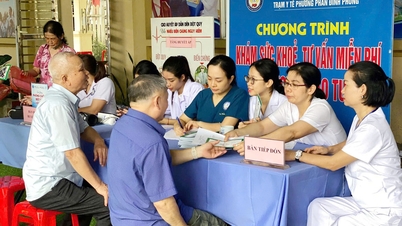
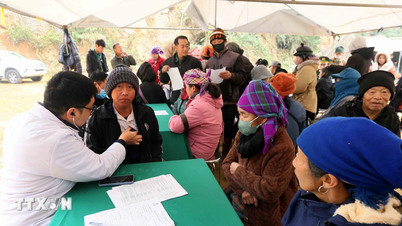
Experts believe that modern healthcare needs to shift its focus to prevention, early detection, and risk management starting at the community level. Proactive healthcare is not simply about routine checkups, but requires comprehensive changes to daily lifestyles, controlling the biggest risk factors including: smoking, alcohol abuse, lack of exercise, unbalanced diet, prolonged stress, and lack of sleep.
Source: https://baolaocai.vn/bac-si-canh-bao-he-luy-tu-lan-song-benh-nhan-google-post900241.html





































































































Comment (0)