

Digital transformation and innovation : A new way to preserve old values.
In Quang Nam (now Da Nang ), a group of high school students created an animated video project telling the story of Bài Chòi (a traditional Vietnamese folk game), using the local dialect and context of Central Vietnam.
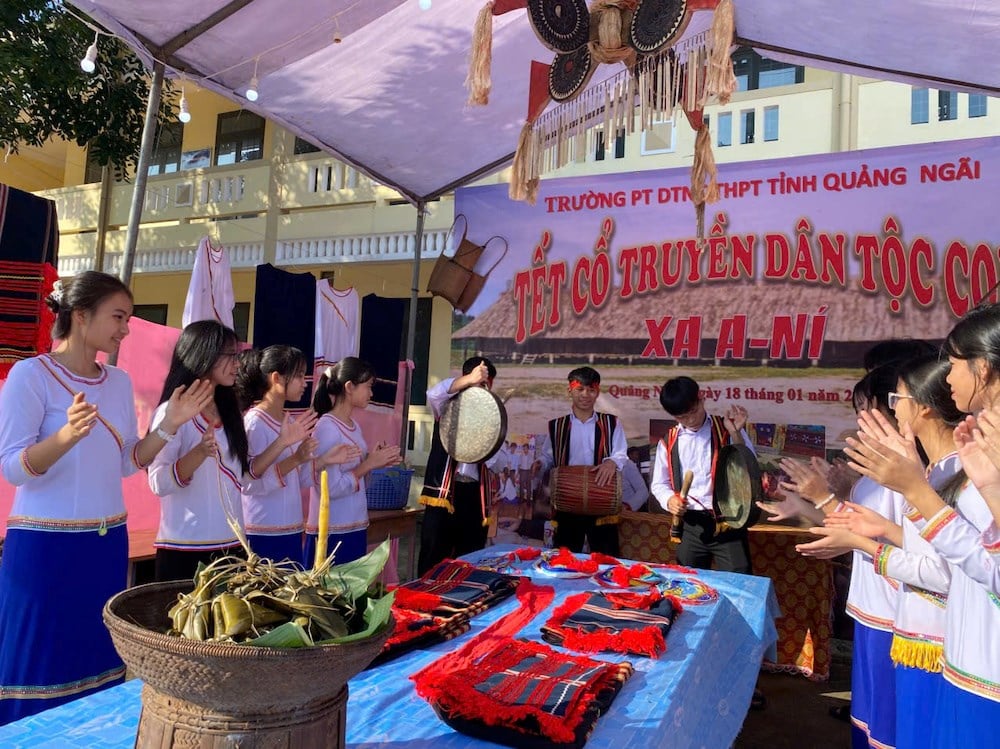
The product was shared on social media and spread throughout the community, attracting thousands of views and positive shares from both teachers and parents.
In Hoi An, students organized a "School Village Market" activity, recreating the atmosphere of an old village and introducing local food, games, and folk songs to international friends. Additionally, a group of junior high school students created a map of the Nam O heritage site.
Under the guidance of teachers and artisans, the students recorded stories, filmed videos of customs, and digitized the materials into interactive maps for display in the school library. The project was selected as a model of exemplary student heritage research in the entire city in 2024.
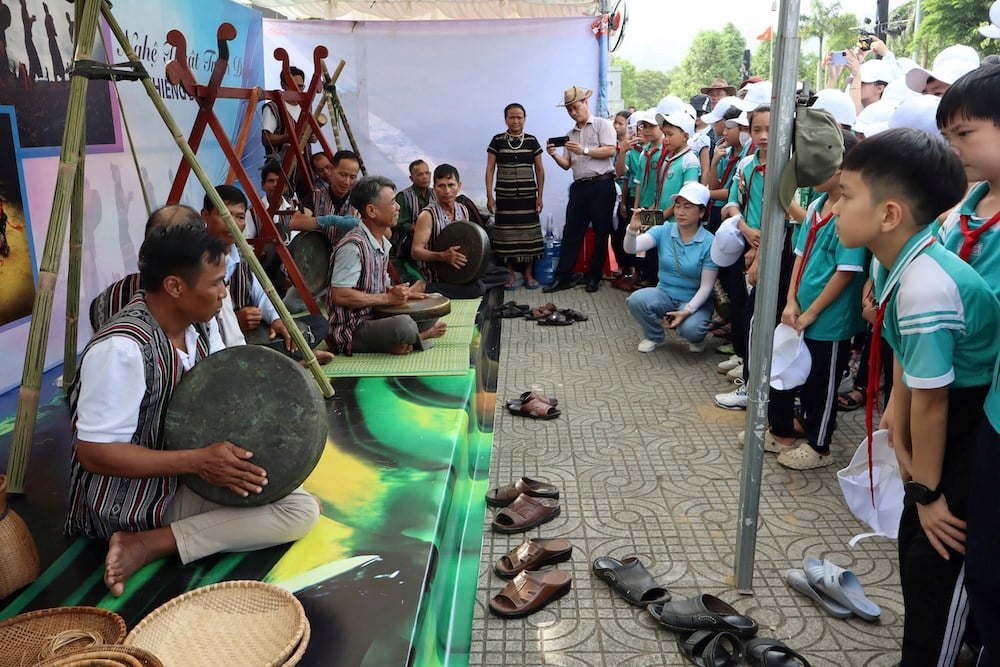
To preserve and develop the Hue folk singing heritage, the Department of Culture and Sports of Hue City, in coordination with the Department of Education and Training, has developed and implemented a program to introduce Hue folk singing into schools with two components: training music teachers in junior high schools in Hue City in Hue folk singing and teaching Hue folk singing to students through Hue folk singing clubs in junior high schools.
Schools have proactively developed organizational plans, with various forms such as: organizing Hue folk singing performances during the weekly flag-raising ceremony, the opening ceremony, and other commemorative events; cultural and artistic festivals; and extracurricular activities aimed at spreading and creating a positive impact on the Hue folk singing art heritage.
As a result, the Hue Folk Song Club model in junior high schools throughout the city has attracted the attention of many students.
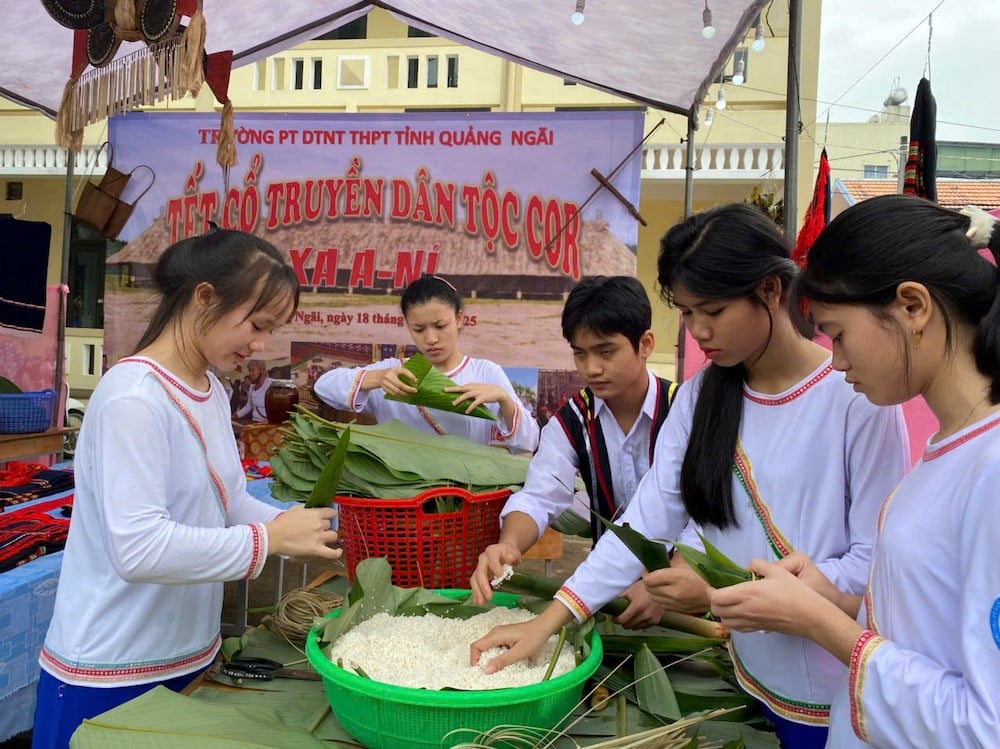
Despite many positive signs, traditional cultural education models remain fragmented and unsystematic. A lack of funding, qualified teachers, and teaching materials makes it difficult for schools to sustain themselves long-term. Activities often remain at the project or short-term campaign level.
Many experts believe that the Ministry of Education and Training and provincial departments should issue guidelines for integrating regional cultural education into the main curriculum. At the same time, localities need to build digital databases on heritage, implement policies to support artisans in teaching their craft in schools, and promote experiential learning rather than the theoretical application of culture.
A tripartite linkage: schools – artisans – government
In reality, the most successful models are the result of close cooperation between three entities: schools, artisans, and the government. In Da Nang, the local government provides funding for the fishing festival and facilitates the teaching of artisans in schools.
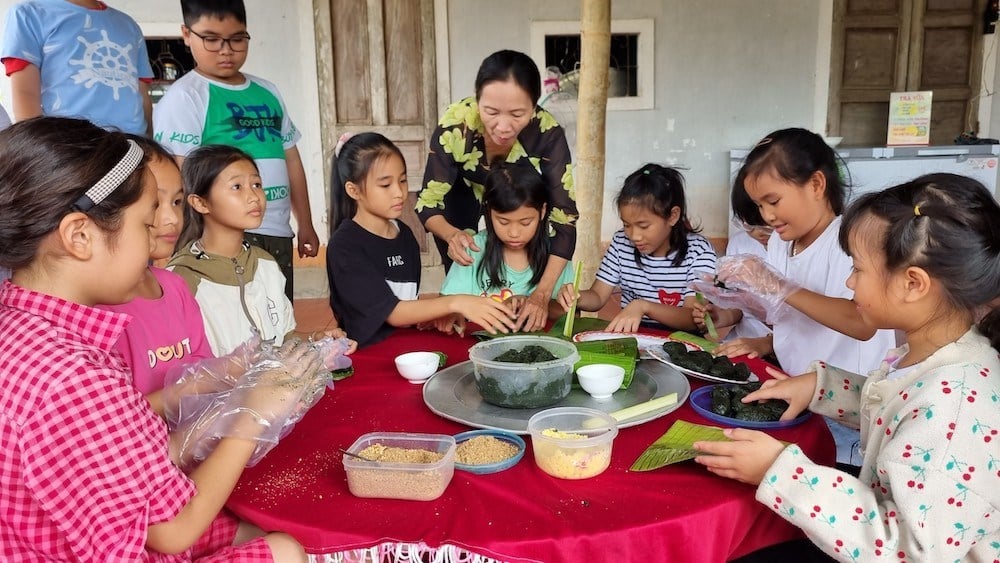
In Hue, the education sector has developed a plan to integrate culture into lessons and mobilized artists, museums, and researchers to participate.
Quang Ngai is a prime example, where schools in Binh Son district have established partnerships between schools, traditional craft villages, and the government to maintain classes in traditional folk singing (bai choi and ho khoan), net weaving, and model boat making.
Local authorities at the commune/ward level provide the location and funding; schools provide teachers to guide the learning and plan thematic lessons; and the community provides materials and invites elderly people to teach.
A prominent new trend is linking cultural education in schools with community tourism development. Students not only learn about culture but also apply it through practical skills, such as organizing experiential tours, providing explanations to tourists, and performing traditional arts at local festivals.
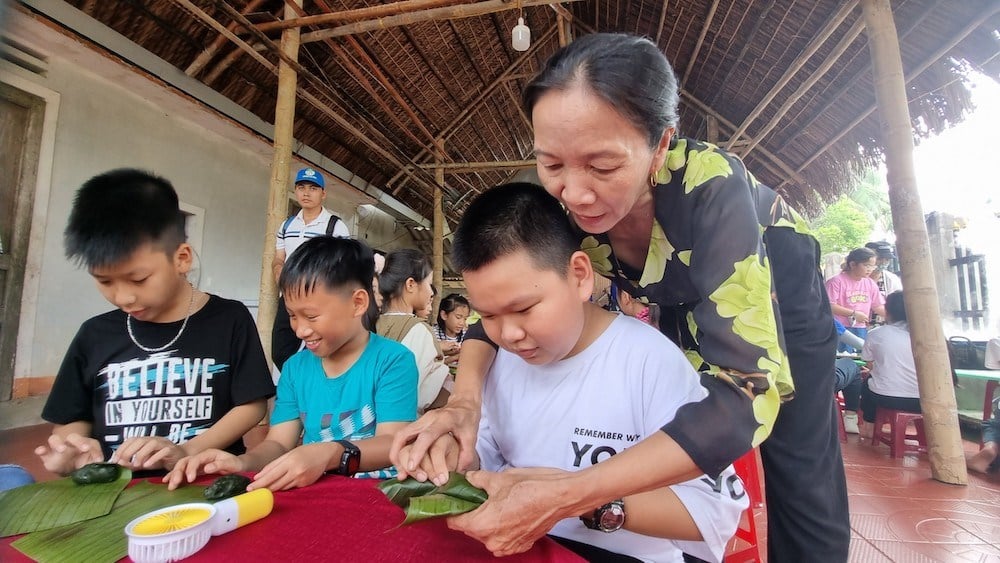
The models in Hoi An or Ganh Yen (Quang Ngai) are opening up a sustainable path, with students acting as a bridge between heritage sites and the international community.
This also forms the foundation for shaping a future generation of workers with a deep understanding of local identity, which experts believe will create a competitive advantage in the context of integration.
When students mature within the cultural sphere, they will possess the necessary skills to work in tourism, services, research, conservation, and heritage communication.
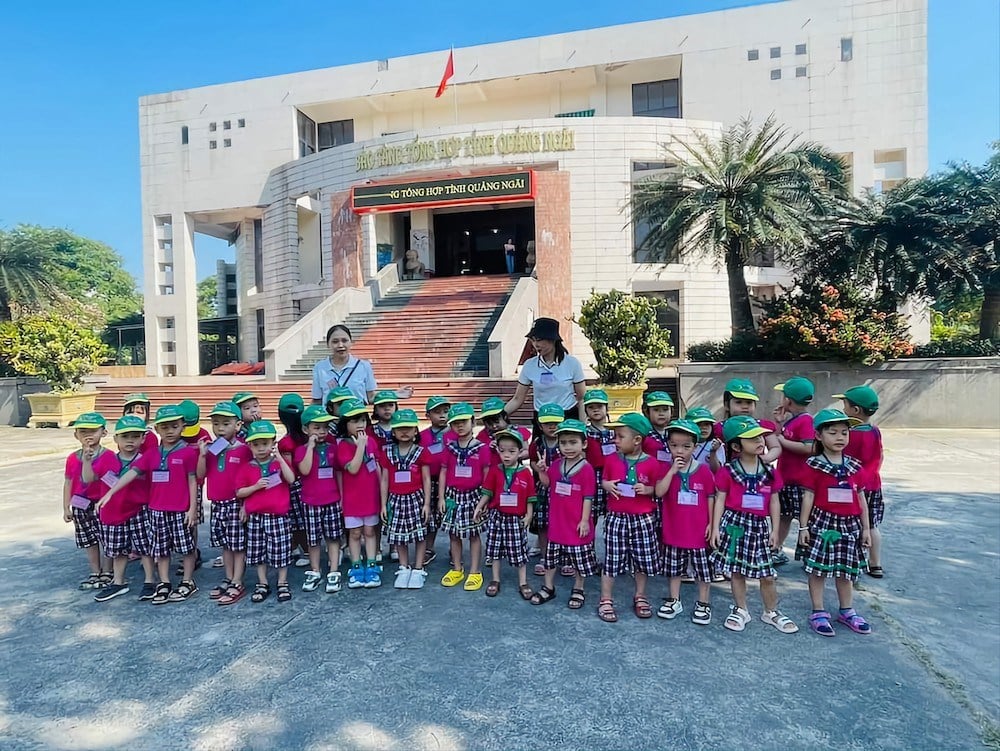
In the age of globalization, cultural education is no longer a side issue. It is the thread that holds our roots, the way for people to develop harmoniously between modernity and tradition. For students, traditional culture not only helps them understand their homeland, but also helps shape their character, lifestyle, and love for their community.
Instilling cultural values into schools is a long journey, requiring perseverance and unity. From Hue to Quang Ngai, small-scale models are creating a big wave. What needs to be done now is to elevate it to a strategic level, so that traditional culture not only lives in books, but also lives in the hearts, actions, choices, and futures of the younger generation.
Source: https://baovanhoa.vn/van-hoa/bai-3-giu-mach-van-hoa-giu-coi-nguon-dan-toc-153887.html


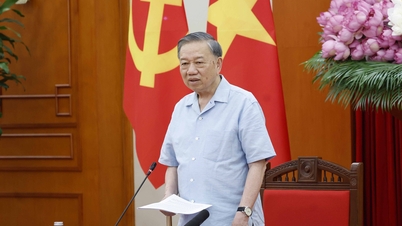
![[Photo] General Secretary and President To Lam presides over a meeting on preparations for the review of one year of operation of the three-tiered government system.](https://vphoto.vietnam.vn/thumb/1200x675/vietnam/resource/IMAGE/2026/06/02/1780391821195_a1-bnd-4595-9717-jpg.webp)





















































Comment (0)