

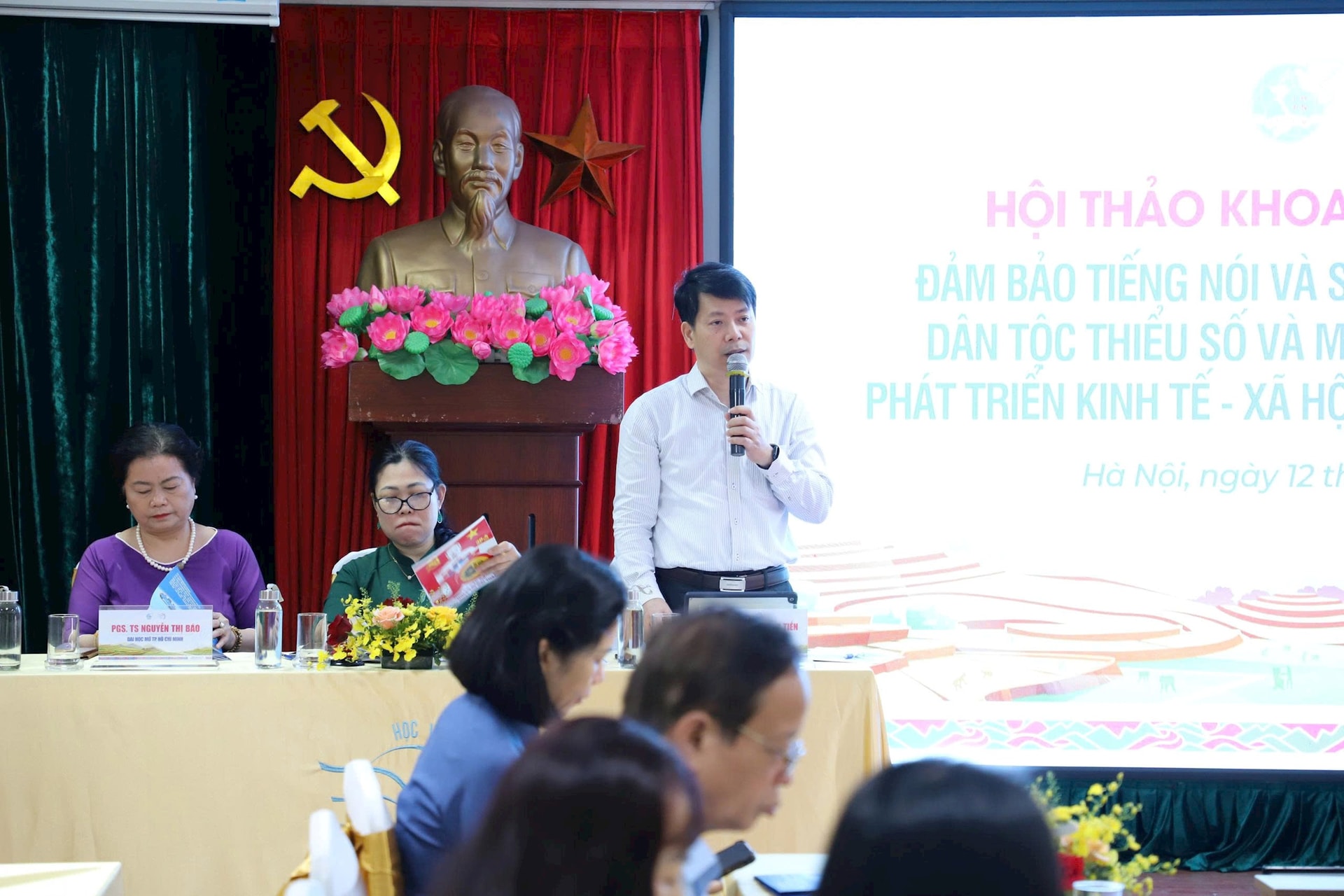
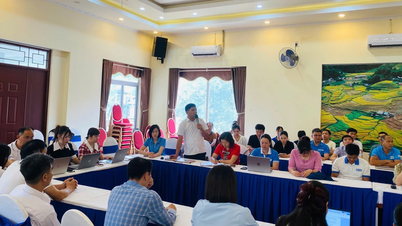
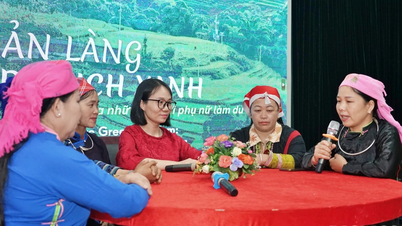
A national scientific conference on the theme "Ensuring the voice and participation of ethnic minority and mountainous women in socio-economic development activities in the current context" was held, clarifying the current situation, pointing out "bottlenecks," and suggesting many important solutions to promote the role of this unique group of women in the new era of national development.
An important force, but facing many obstacles.
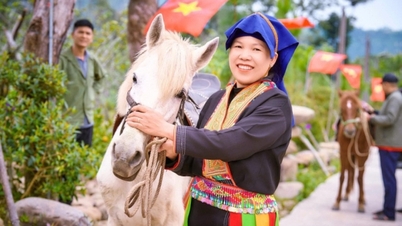
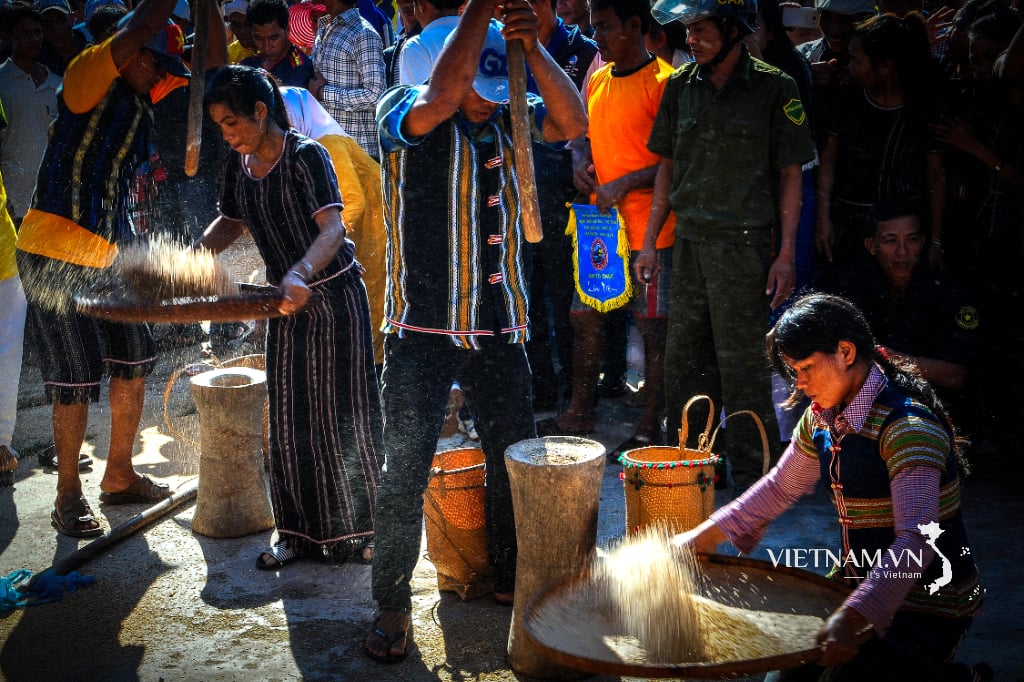
Vietnam is a multi-ethnic country with 54 ethnic groups living together, including 53 minority groups. The ethnic minority and mountainous regions (EMZs&MN) occupy nearly three-quarters of the country's natural area and are the primary dwelling places of 53 minority ethnic groups with 14.12 million people, of which nearly 7.1 million are minority women, accounting for 49.9% of the minority population.
Over the years, the Party and State of Vietnam have paid great attention to women in general, and ethnic minority women in particular, aiming to promote and enhance the status of women and their role in the family and society through general development policies of the State and specific policies such as policies for ethnic minority women to have children according to plan, projects supporting gender equality activities in ethnic minority areas, and reducing child marriage and consanguineous marriage in ethnic minority areas. This is reflected in the figures from the survey on the socio-economic situation of 53 ethnic minority groups.
However, in practice, ethnic minority women remain a disadvantaged group in accessing education , employment, healthcare, credit, and opportunities for participation in management and leadership. Barriers related to geographical conditions, literacy levels, language, customs, and gender stereotypes continue to strongly impact the voice and status of women in the family and community.
In that spirit, the workshop was organized as an important scientific event within the framework of Project 8 “Implementing gender equality and addressing urgent issues for women and children”, under the National Target Program for socio-economic development of ethnic minority and mountainous areas giai đoạn 2021-2030, chaired by the Vietnam Women's Academy.
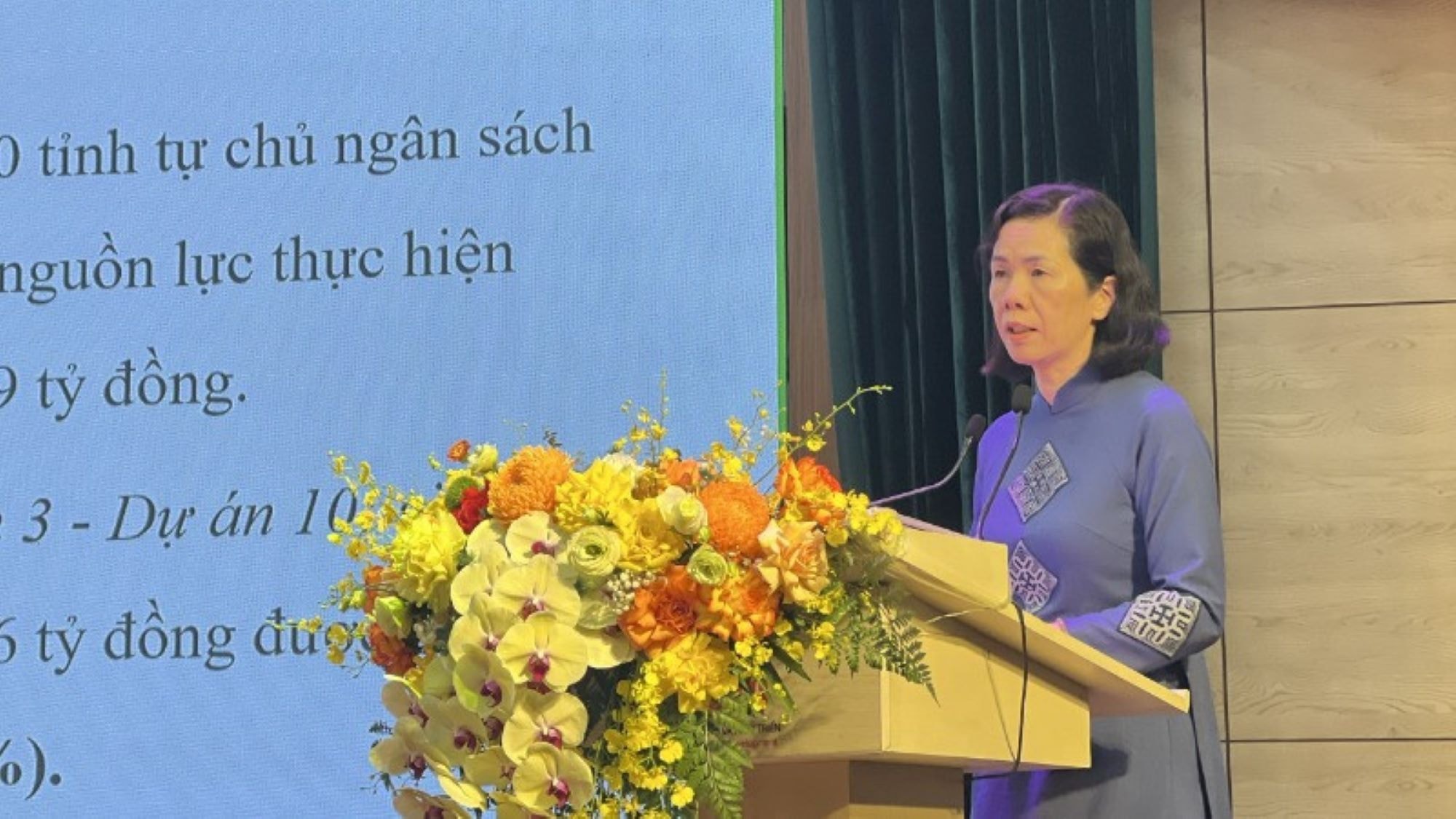
Speaking at the workshop, Vice President of the Vietnam Women's Union Nguyen Thi Minh Huong said that after nearly 5 years of implementing Phase I (2021-2025), Project 8 has achieved many important results, contributing to positive changes in both awareness and actions in the community. However, alongside the great achievements, practice also shows that there are still many difficulties and challenges that need to be identified and addressed fundamentally and comprehensively in the future.
Specifically, the voices of ethnic minority women in community life remain weak, and their roles in the socio-political system at the grassroots level are limited. Many language barriers, cultural differences, and gender stereotypes still exist. Some models have initially yielded positive results, but they have not yet truly spread or ensured sustainability; the mechanism for integrating gender into other component projects is still unclear; and resources are not evenly distributed among localities, thus failing to create a combined force to address gender issues in ethnic minority and mountainous areas.
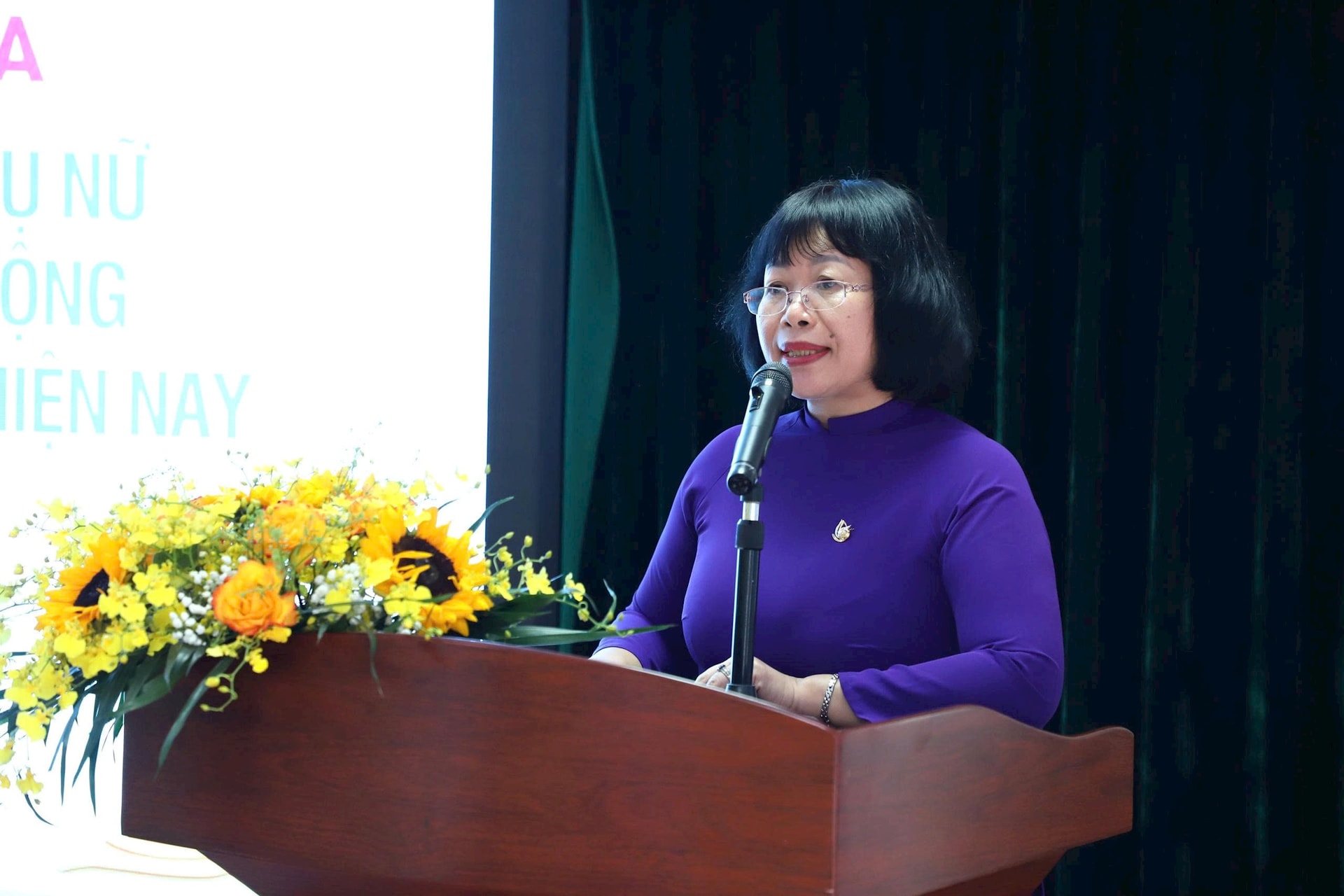
According to Associate Professor Dr. Duong Kim Anh, Deputy Director of the Vietnam Women's Academy, reality shows that ethnic minority and mountainous women are a vulnerable group, often disadvantaged in accessing and controlling resources and development benefits, as well as in their right to participate in socio-economic decision-making processes. In the context of the country entering a new stage of development, their role needs to be fully recognized and promoted more effectively.
Associate Professor Dr. Duong Kim Anh argues that, although many policies and programs have been implemented to promote the participation of ethnic minority women in various aspects of socio-economic life, the implementation process still faces numerous obstacles. These obstacles stem from a complex mix of causes. One of the underlying reasons is traditional beliefs and social prejudices about the role of women, especially in ethnic minority communities, where the ideology of "preferring men over women" and gender-based division of labor remains prevalent.
Ensuring genuine and sustainable participation.
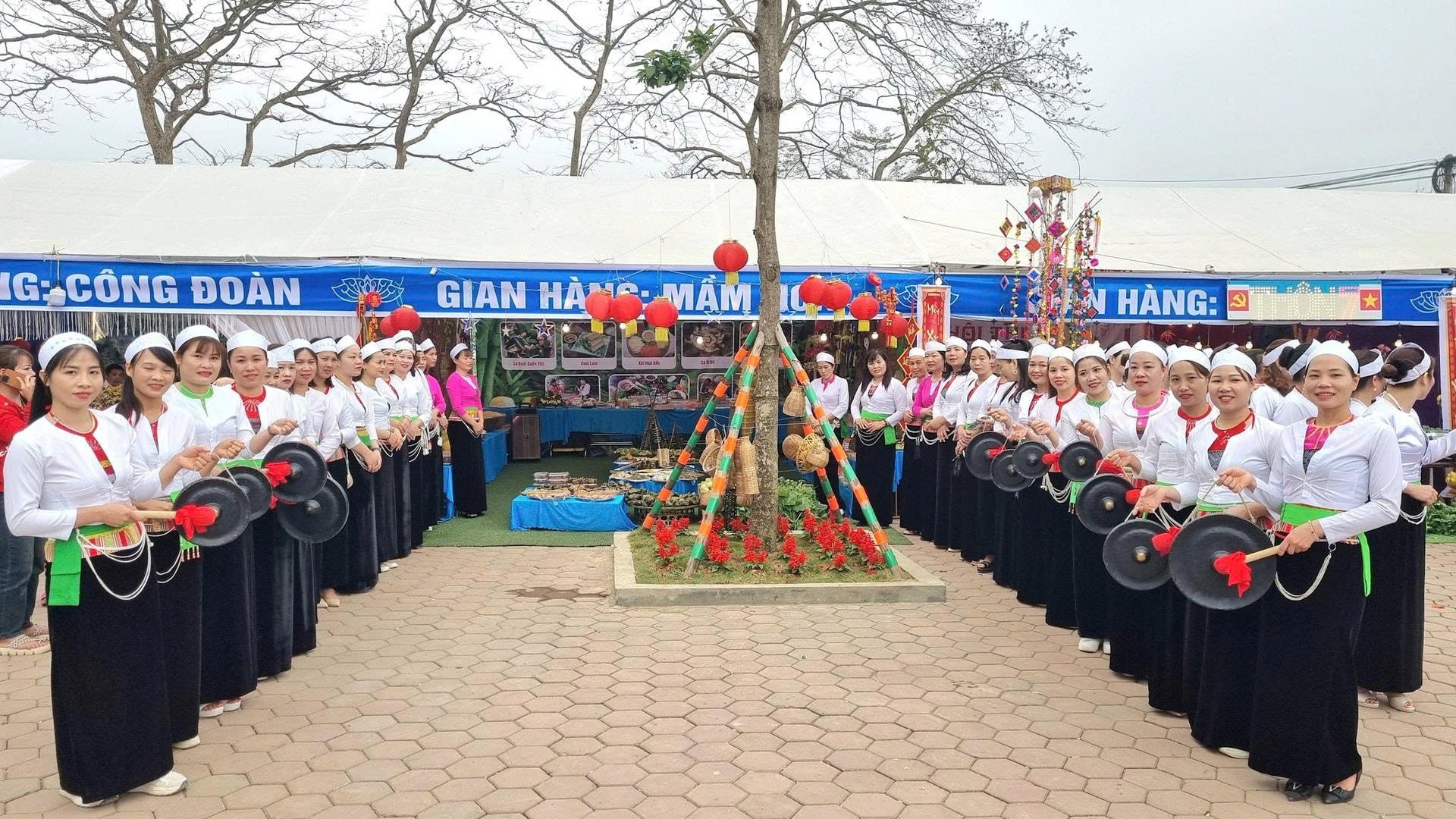
In Hanoi, a report on the implementation results of the National Target Program for socio-economic development in ethnic minority and mountainous areas of Hanoi city, giai đoạn 2021-2025, and proposals for the content and solutions for implementing the Program in the period 2026-2030, shows that the city pays special attention to the preservation and promotion of the fine traditional cultural values of ethnic minorities.
In particular, the city has focused on providing financial support for the comprehensive construction of grassroots cultural institutions and village cultural centers in ethnic minority areas, meeting the cultural needs of ethnic minority communities. The "All People Unite to Build a Culturally Rich Life" movement has been widely implemented, with improved quality, thereby contributing to the elimination of outdated customs, prevention of social evils, and the building of a culturally rich life in residential areas.
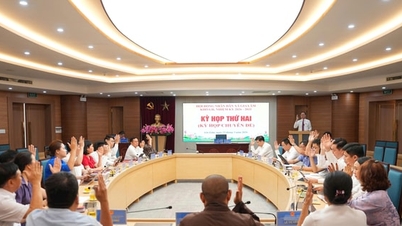
The workshop focused on discussing four major thematic groups: the theoretical basis and current state of women's voices and participation; the new context and requirements for innovation; existing challenges and barriers; and practical experiences and effective models to enhance the substantive participation of ethnic minority women in socio-economic development.
With 93 papers submitted by scientists, administrators, association officials, and local authorities nationwide, the workshop provided a comprehensive and multifaceted picture, while also proposing many specific solutions. These emphasized raising awareness of gender equality and eliminating social prejudices; strengthening gender mainstreaming in development programs and projects; improving access to education, vocational training, and paid employment; and expanding access to credit, science and technology, and digital transformation for ethnic minority women.
The delegates also proposed creating mechanisms to encourage ethnic minority women to participate in the process of policy development, implementation, and monitoring, promoting the role of women's representative organizations; replicating sustainable livelihood models, supporting women after vocational training to transition to new jobs; and continuing to invest in primary healthcare, maternal and child health care in ethnic minority and mountainous areas.
The national scientific conference is not only an academic forum, but also a powerful call to action, aiming to transform commitments on gender equality into substantive participation and a weighty voice for ethnic minority women in all areas of socio-economic life. This is also the foundation for realizing the principle of "leaving no one behind," towards an inclusive, sustainable, and prosperous Vietnam in the new era.
In the context of the country entering a new stage of development, with breakthroughs in science and technology, innovation, and digital transformation, without appropriate solutions to enable ethnic minority women to participate actively, equally, and genuinely, the goal of inclusive development will be difficult to fully achieve.
Continuing to refine policies, improve the quality of implementation, strengthen monitoring and evaluation, and replicate effective models will be key to ensuring that ethnic minority women not only "participate" but truly take ownership of their voices in socio-economic life. This is also a crucial foundation for realizing the aspiration for sustainable development, prosperity, and fairness for all citizens, leaving no one behind.
Source: https://hanoimoi.vn/bao-dam-tieng-noi-and-su-tham-gia-cua-phu-nu-dan-toc-thieu-so-727892.html

![[Image] Close-up view of the interchange connecting the two expressways and Long Thanh Airport.](https://vphoto.vietnam.vn/thumb/1200x675/vietnam/resource/IMAGE/2026/05/25/1779703378210_ndo_br_z7863716673926-224453a31600126cce10622af6290afd-4549-jpg.webp)



![[Image] Hanoi's urban life under the challenge of a "scorching hot" environment](https://vphoto.vietnam.vn/thumb/1200x675/vietnam/resource/IMAGE/2026/05/25/1779706979265_nang-nong-t5-2026-minh-duy-7-4636-jpg.webp)






















































































Comment (0)