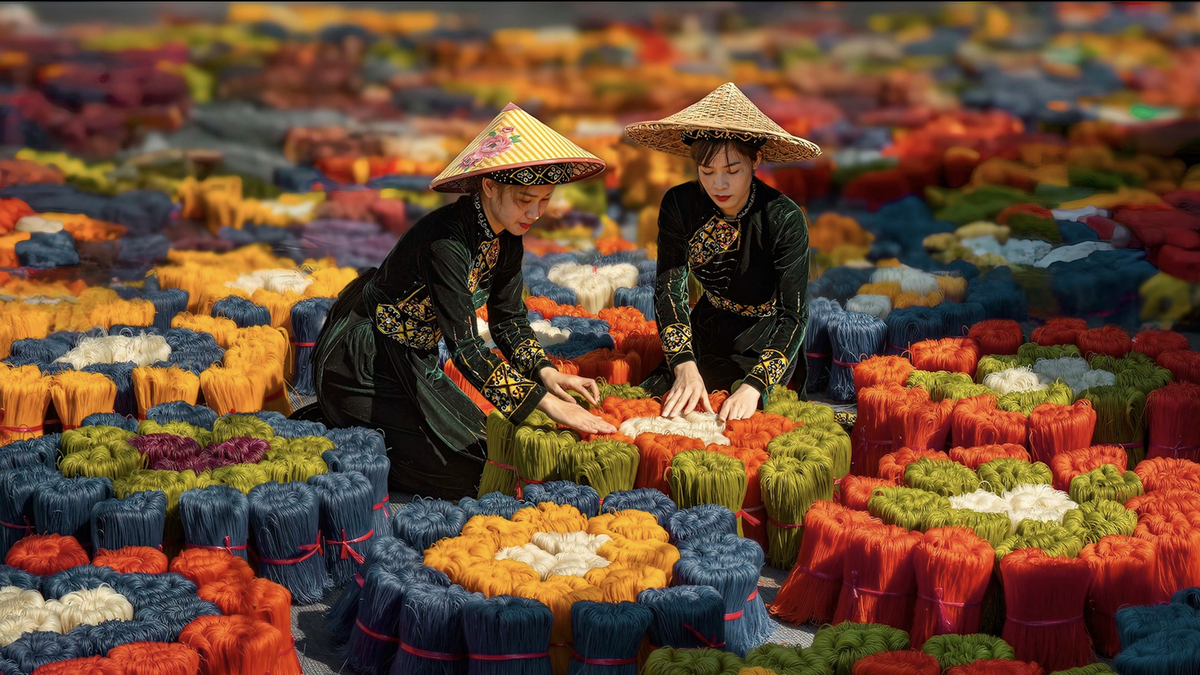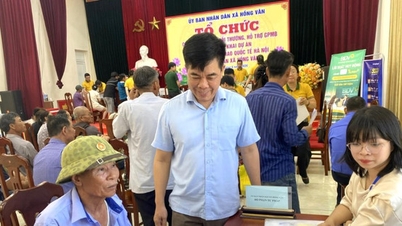
According to data from the French General Statistics Office in Indochina, by 1943 the entire province of Quang Nam (formerly) had 1,065 villages and communes. Village culture is a crucial element in shaping the cultural "portrait" of Quang Nam. Therefore, to understand the cultural identity of Quang Nam, one must first begin with village culture.
A cultural portrait of Quang Nam province.
The village is the cradle of culture for each individual. The village charter of Thai Lai (now part of Ba Na commune) clearly states its purpose in the opening section: "to highlight essential matters, in order to preserve the ancient customs of our ancestors, to pass them on to future generations, so as to maintain order, demonstrate a cultured lifestyle, absorb the fine traditions of our forefathers, and eliminate bad habits and vices in daily interactions."
Village culture reminds each person to live ethically, responsibly, harmoniously, and mutually supportively within the community with the spirit of "Helping each other in times of need," as well as reminding them to place their sense of responsibility to the village in relation to the nation: "Love and support each other, before and after / Together in Great Vietnam, sharing the same destiny."
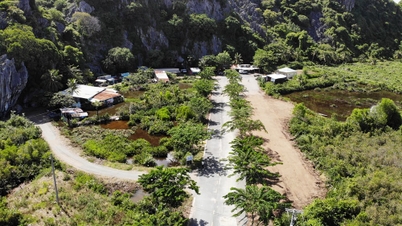
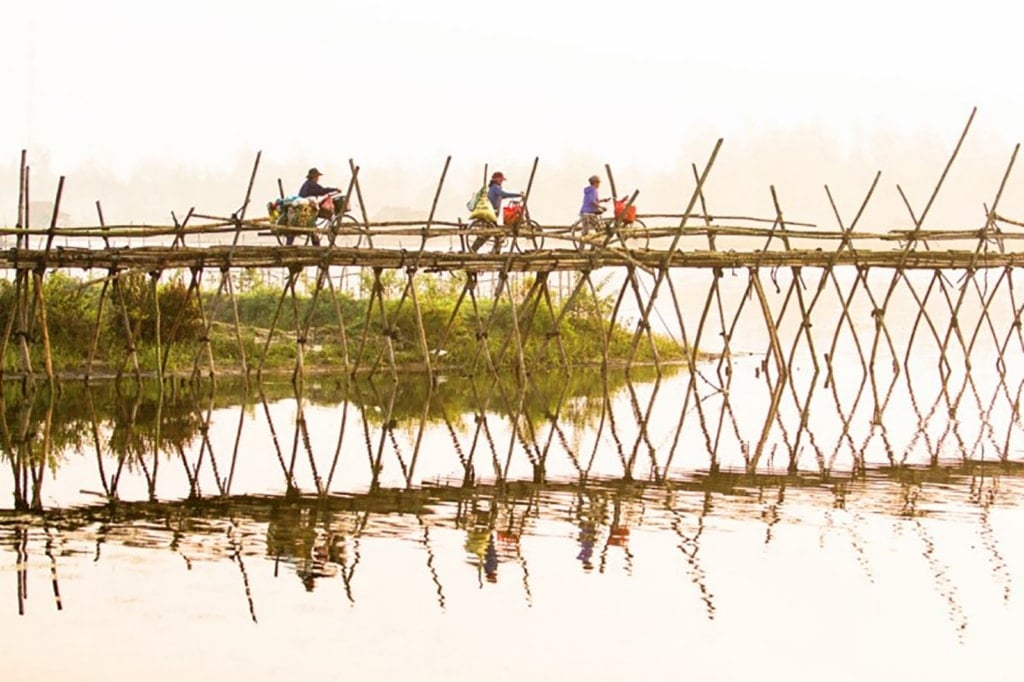
Villages and communities have shaped the people of Quang Nam province, teaching them to adapt to all natural circumstances. Coastal villagers know how to monitor natural phenomena to navigate their fishing grounds, and how to dig shelters before major storms arrive. Agricultural villagers know how to classify soil types for cultivation. Villagers in the upstream areas know how to utilize the natural terrain to create gardens, using readily available natural materials for construction (as seen in the stone paths and wells in the midland areas of Tien Phuoc); they also know how to adapt the available local resources to create a diverse range of dishes and drinks.
The villages of Quang Nam province have produced and preserved a rich treasure trove of folk art and literature, encompassing many genres such as proverbs, folk songs, folk ballads, rhymes, riddles, and stories.
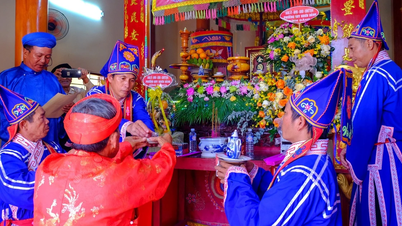
This place is also a cultural and spiritual space, with religious activities within families and clans, and traditional festivals throughout the year (Lunar New Year, Qingming Festival, Dragon Boat Festival, etc.) at ancestral temples, communal houses, pagodas, and shrines.
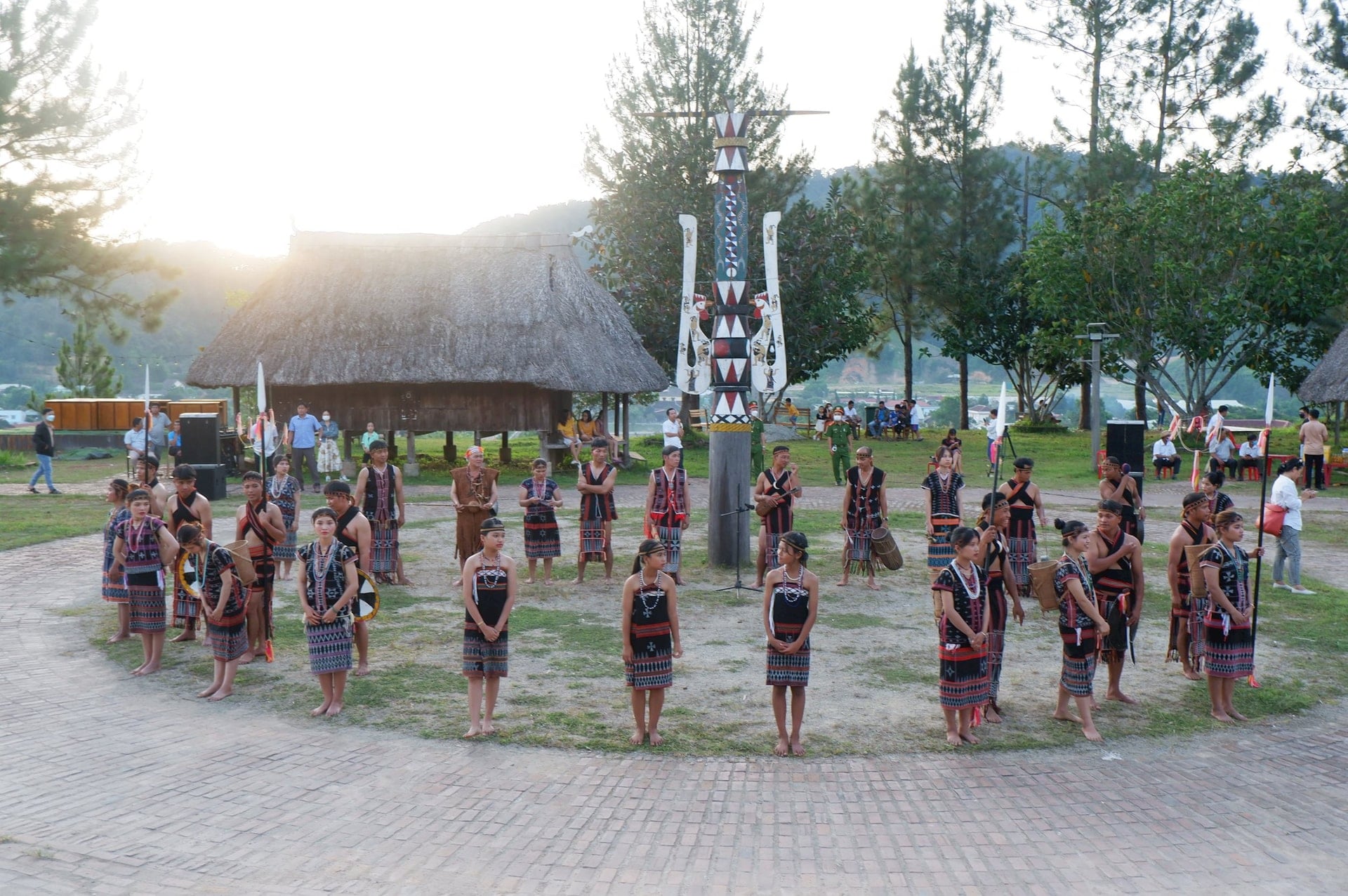
The villages of Quang Nam province have many festivals related to agricultural production, fishing, forestry, various trades and professions, and the veneration of ancestors and prominent figures. These traditional festivals contain many cultural, spiritual, ethical, educational, historical, traditional, entertainment, community-building, and even economic values.



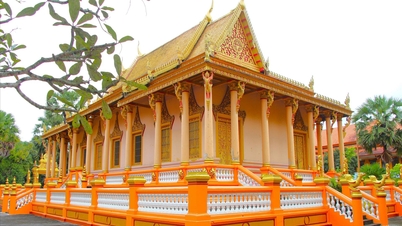
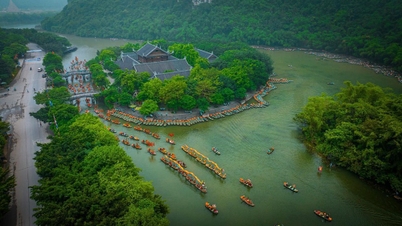
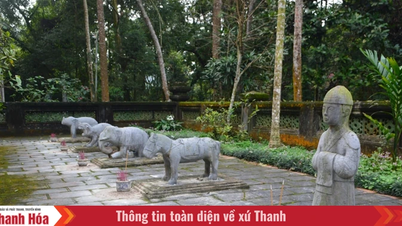
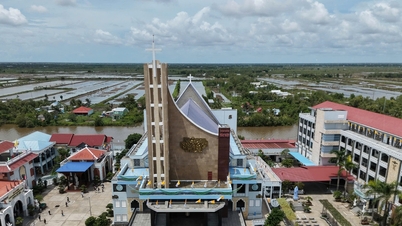
This is also the birthplace of a wealth of tangible cultural heritage. This includes the landscapes of Vietnamese villages and ethnic minority communities; the communal houses, temples, ancestral churches, mausoleums, shrines, ancient houses, and stone steles of the Vietnamese people, possessing architectural and aesthetic value and preserving many cultural and historical values; and the traditional community houses of ethnic minority communities, reflecting the aesthetic ideas and life philosophies of the villagers.
Preserving and promoting the cultural identity of Quang Nam villages.
Amidst the changes in social life, especially during the processes of industrialization, modernization, and urbanization, village culture has been severely impacted; many traditional values have faded, causing the cultural identity of villages to diminish.
This necessitates research aimed at preserving and promoting the cultural values of villages, viewing them as "ancient assets" and "precious resources" in building the cultural life of Da Nang city today.
Therefore, a solution is needed to preserve the village name. Because a village name is not just a name to call a village, but a cultural address, a memory, the "soul" of the village, and a source of pride for the members born into the village community.
There are village names that are significant locations in the heroic history of the nation; there are village names associated with product brands that have been built up over hundreds of years; and there are village names that are attractive destinations on the tourism map...
It is necessary to promote the traditional social institutions of the old villages, paying attention to the role of influential people in the community (clan leaders; elders/village elders; local intellectuals) and clan councils in building cultural life, promoting education, and ensuring social welfare for the community.
Leveraging and preserving the values of village customs, customary laws, and fine traditions in building new lifestyles at the grassroots level. Restoring village communal houses as institutions for religious and cultural activities of the community; restoring and promoting traditional festivals. Encouraging the collection of folk arts and literature, considering them as cultural heritage of the village that needs to be passed on to future generations.


Reviving folk art forms (call-and-response singing, lullabies, folk songs, and various folk melodies) through art clubs; bringing village knowledge into schools.
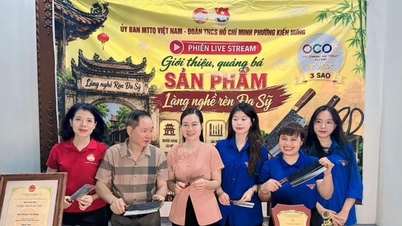
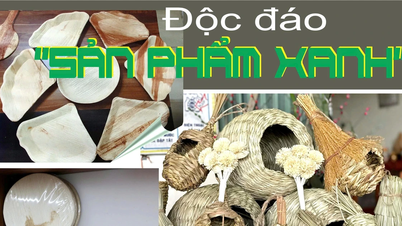
Linking the preservation and promotion of village culture with development. Investing in the restoration and development of traditional craft villages to create high-quality, unique products; restoring typical historical, cultural, and religious relics; and conducting communication campaigns to promote the brand of craft village products, organizing heritage tourism, tourism associated with festivals, craft villages, and rural tourism.
Preserving and promoting the cultural values of villages means knowing how to safeguard and develop the "capital" that previous generations have built over hundreds of years. Developing this "ancient" and "precious" capital aims to meet the goal of developing Da Nang city into a modern and culturally rich city.
Source: https://baodanang.vn/bao-ton-phat-huy-ban-sac-van-hoa-lang-xu-quang-3341607.html


![[Photo] Prime Minister Le Minh Hung presides over the thematic session on promoting science and technology development and innovation.](https://vphoto.vietnam.vn/thumb/1200x675/vietnam/resource/IMAGE/2026/06/23/1782207872934_ndo_br_dsc-1724-jpg.webp)