

Today, in many places, people are not protecting forests well, continuing to cut them down indiscriminately, causing forest resources to recover slowly and gradually become depleted. In many areas, forests can no longer regenerate, the land becomes barren hills, leading to climate change. Storms, droughts, floods... are consequences of natural disasters that are becoming increasingly unpredictable, causing immeasurable losses of human lives and property for the people.
However, if properly protected, forests are not just isolated values but integrate multiple layers of value, thereby providing forest-keeping communities with increased employment opportunities, livelihoods, and income.
Preserving forests goes hand in hand with forest development.
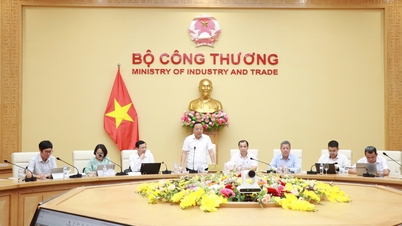
“…Most importantly, it’s about perspective and approach. Besides the task of protecting forests, we must have plans to create more jobs and sustainable livelihoods under the forest canopy, gradually improving people’s incomes for sustainable development,” Minister of Agriculture and Rural Development Le Minh Hoan emphasized at a seminar in July 2023. Accordingly, Vietnam is currently promoting the multi-purpose development of forests and benefiting from them.
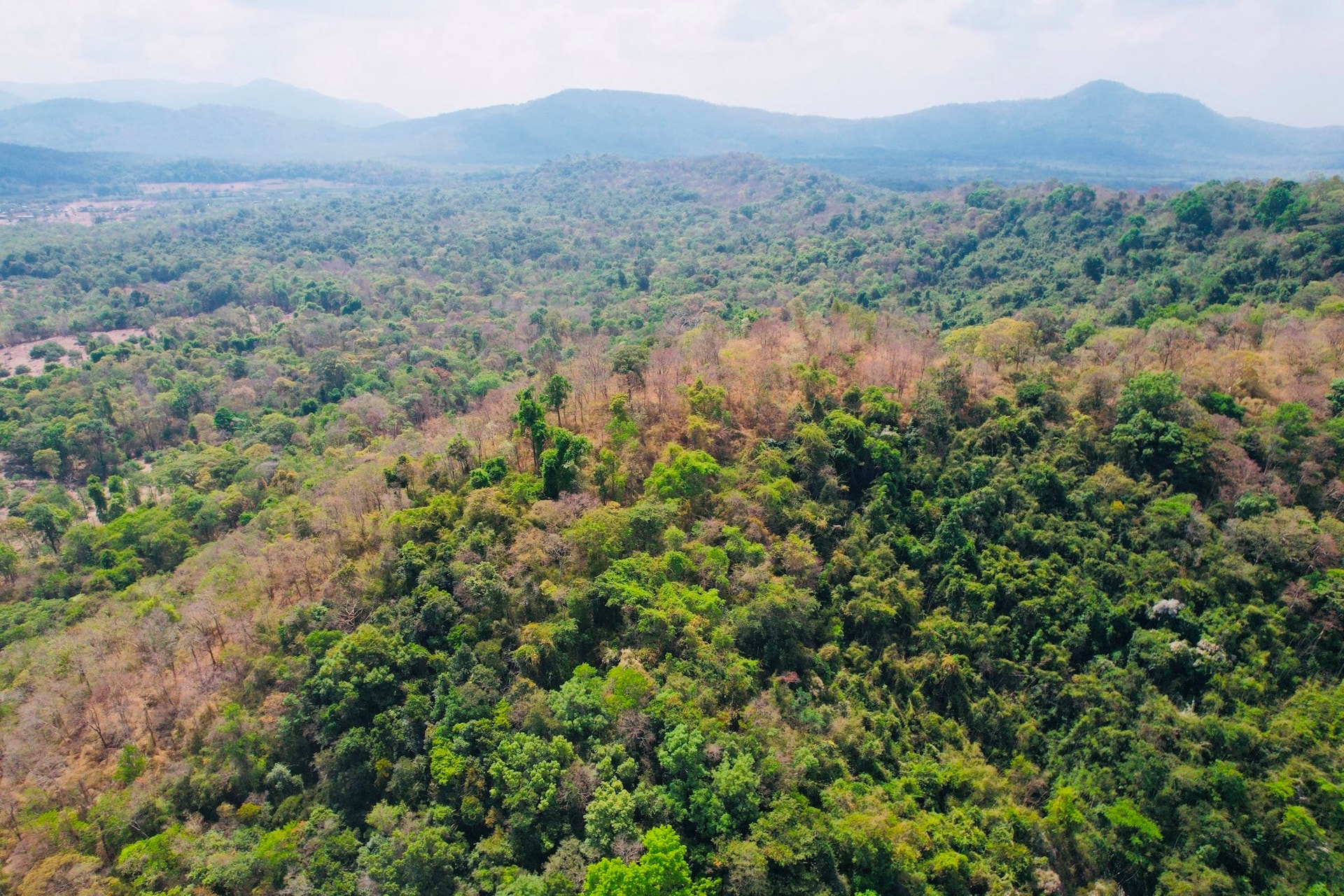
By the end of 2023, Vietnam had transferred 10.3 million tons of CO2 to the World Bank, generating over VND 1,250 billion. Simultaneously, a roadmap for developing a domestic carbon market was established, encompassing issues related to the legal framework, capacity building, and infrastructure for carbon credit trading. The development of a carbon market opens up opportunities to generate additional financial resources for forestry through carbon credit trading mechanisms.
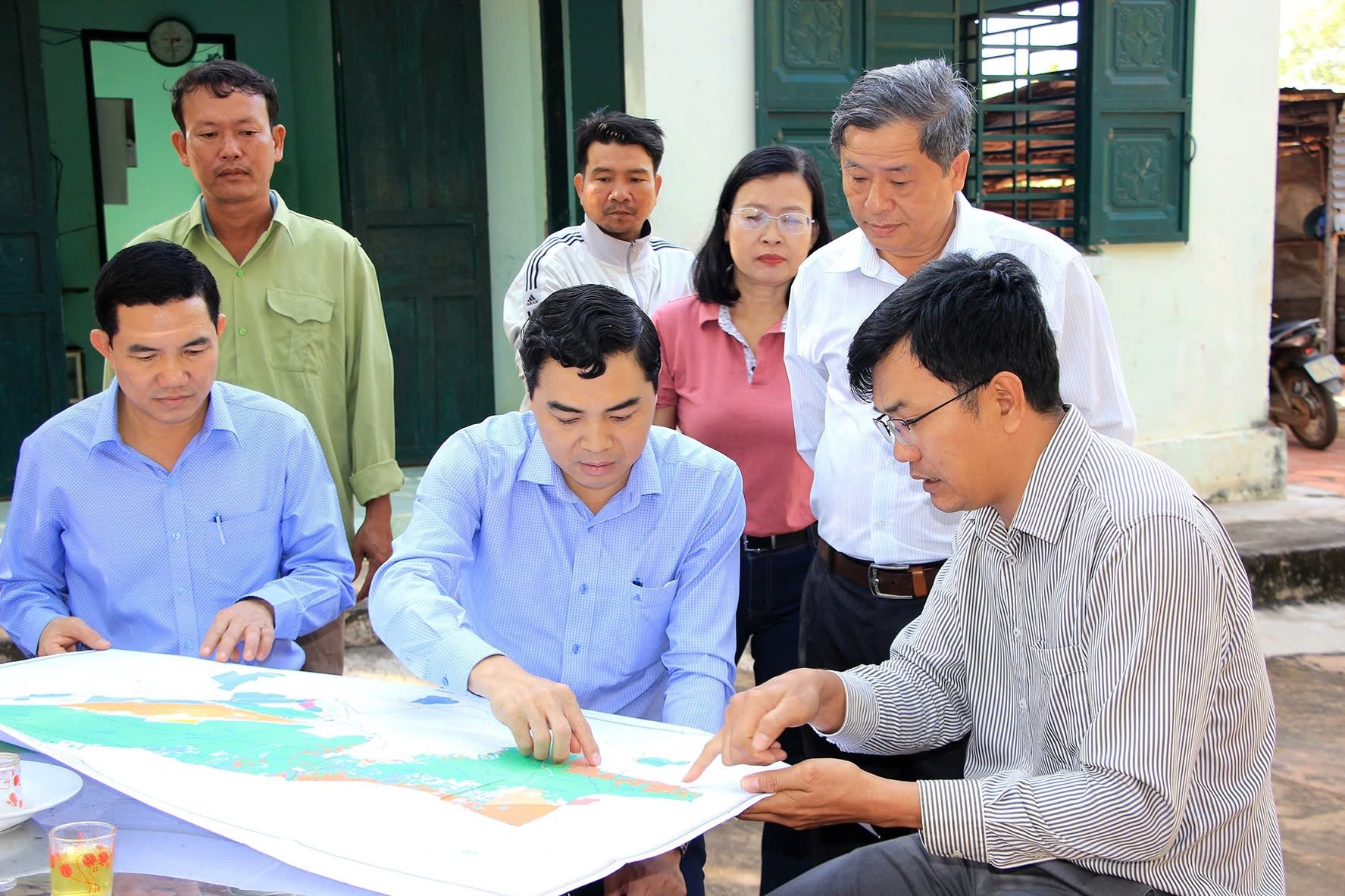
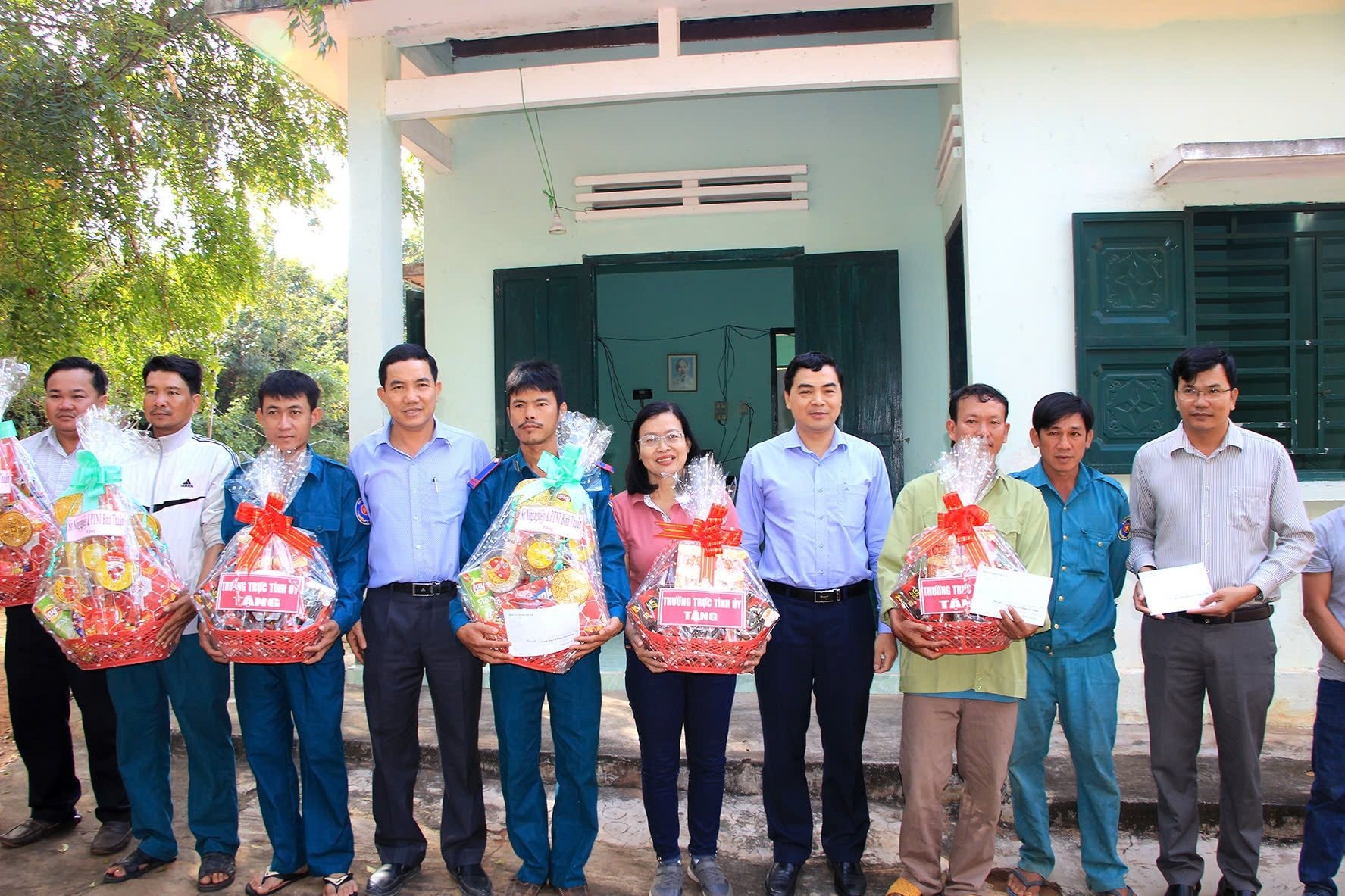
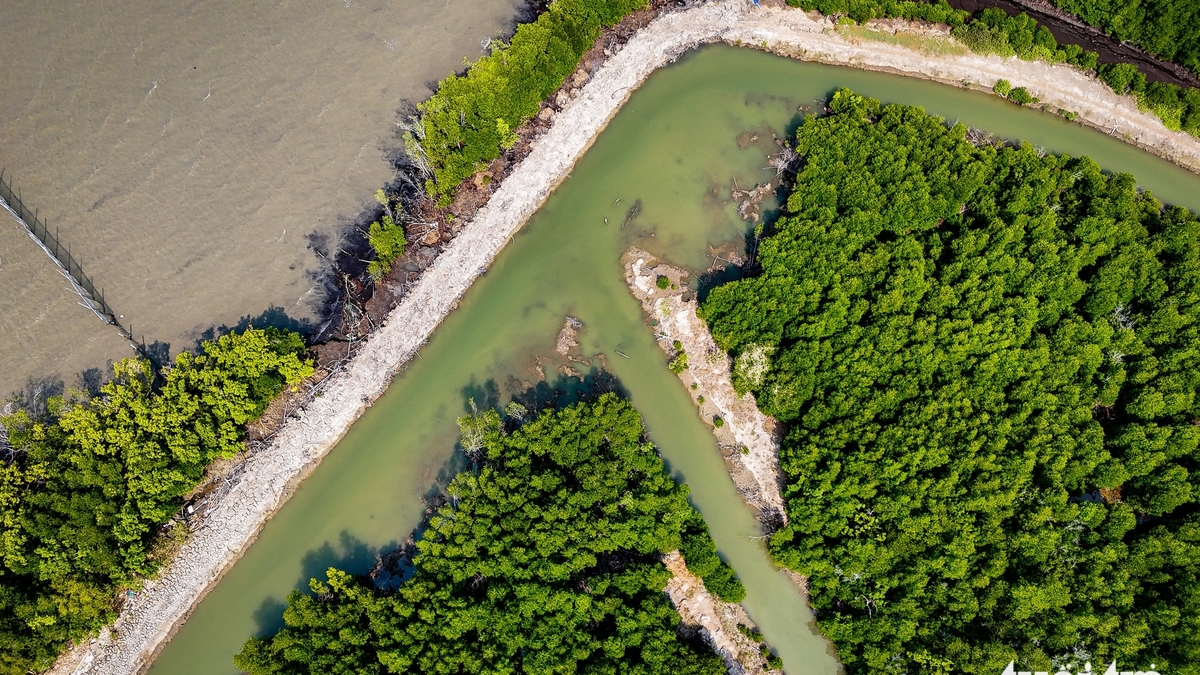
These approaches have been effectively implemented in Binh Thuan province in recent years. With a relatively large area of natural forest (nearly 297,000 hectares), the province has implemented programs and projects to conserve, enhance carbon stocks, and sustainably manage forest resources, as well as develop carbon credits. This has yielded some positive results through the UN-REDD Phase II program – the United Nations program on greenhouse gas emissions through efforts to limit deforestation and forest degradation (REDD+) in developed countries.
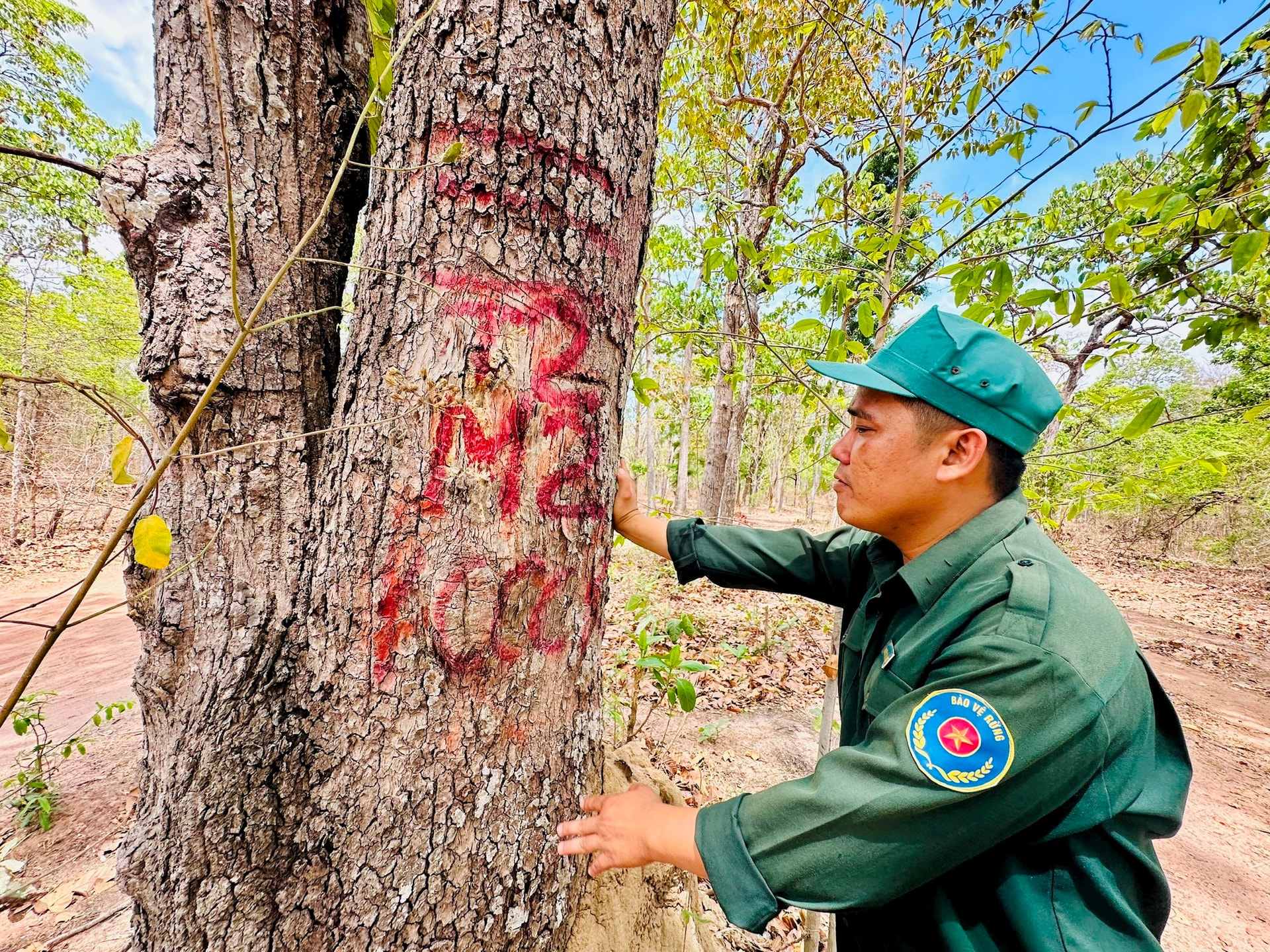
On the part of the Provincial People's Committee, according to the plan to implement Resolution No. 29/NQ-CP dated March 8, 2024 of the Government, the province emphasizes the development of forestry economics, including promoting the development of the economy under the forest canopy such as ecotourism, developing non-timber forest products, focusing on strong product groups such as medicinal herbs and food. Along with that, it promotes the implementation of policies on payment for forest environmental services and carbon sequestration services and the rapid development of the forest carbon credit market.
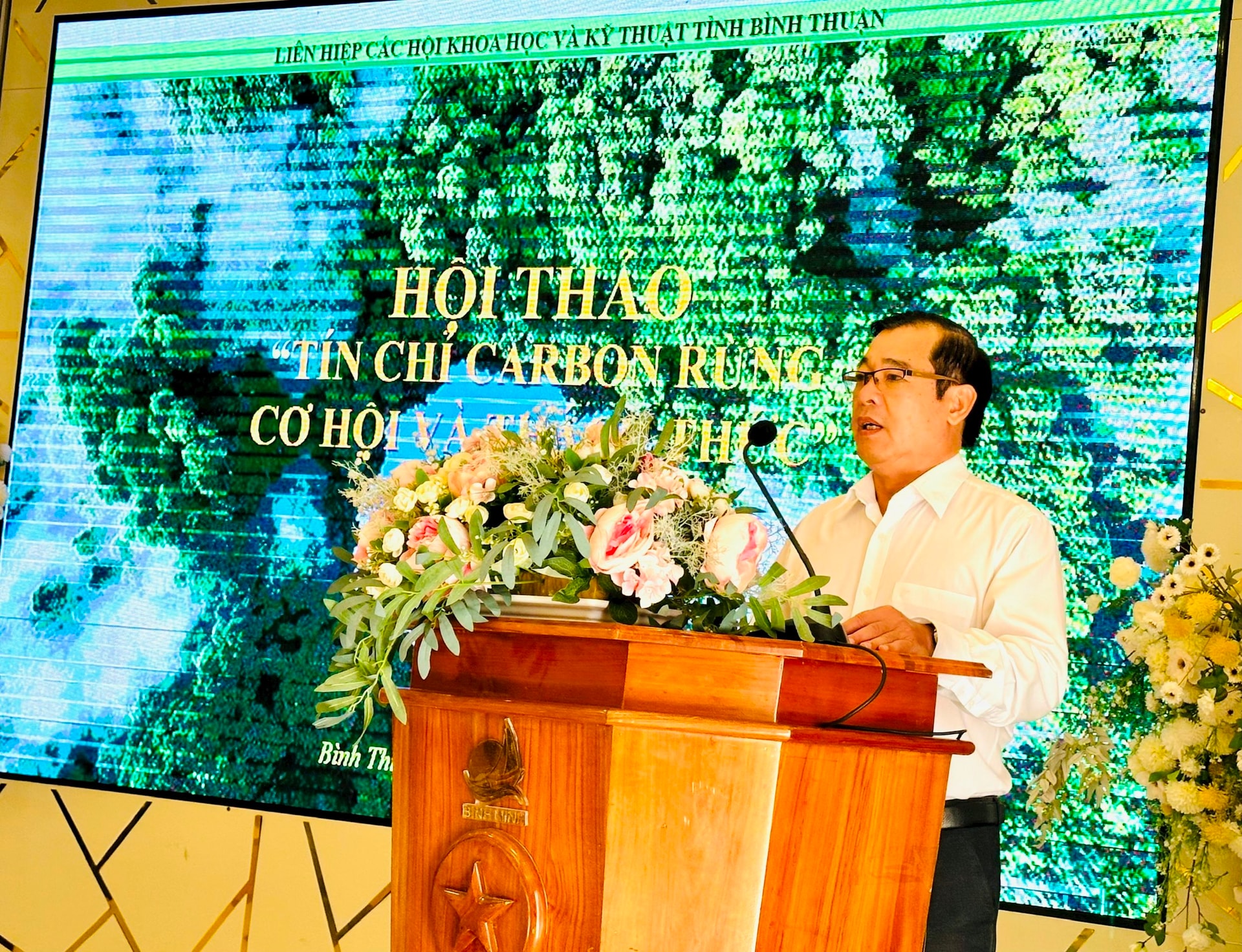
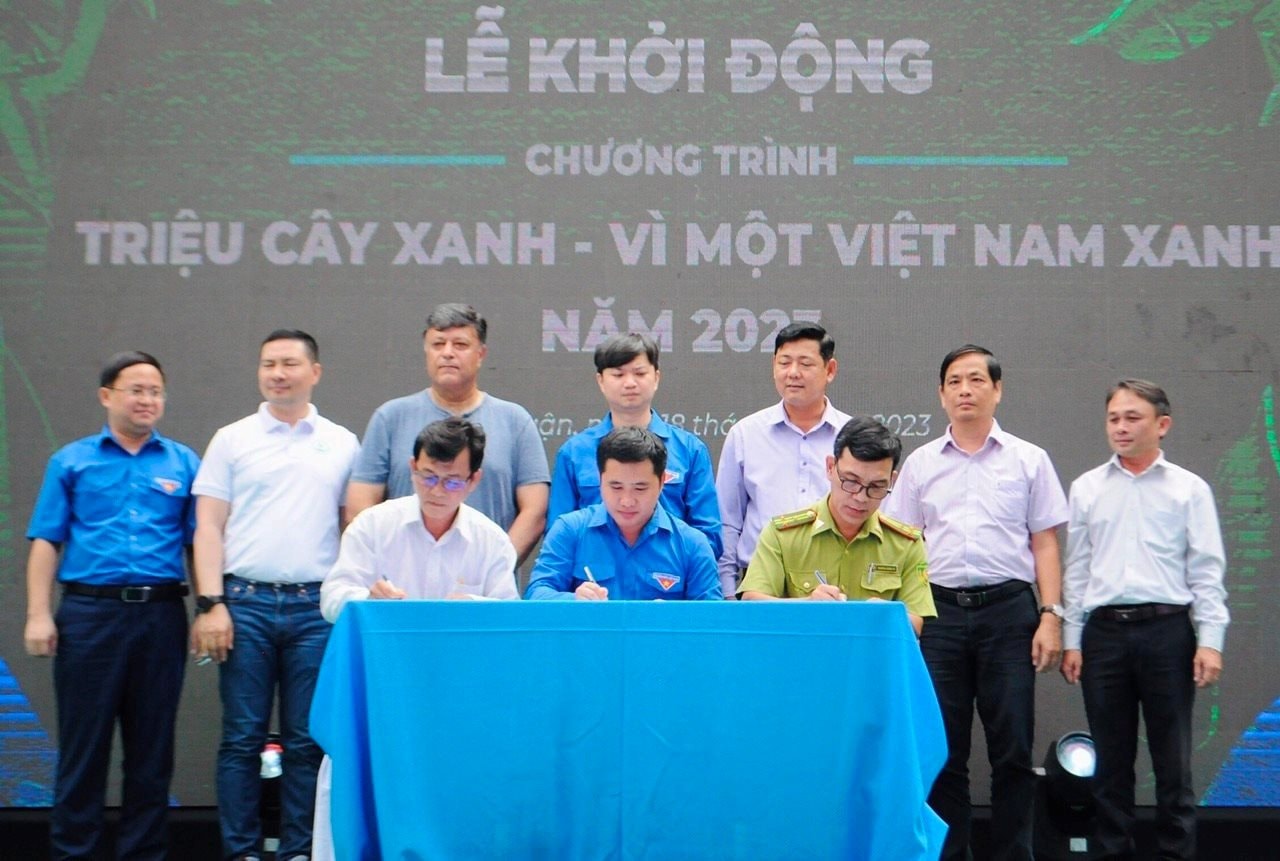
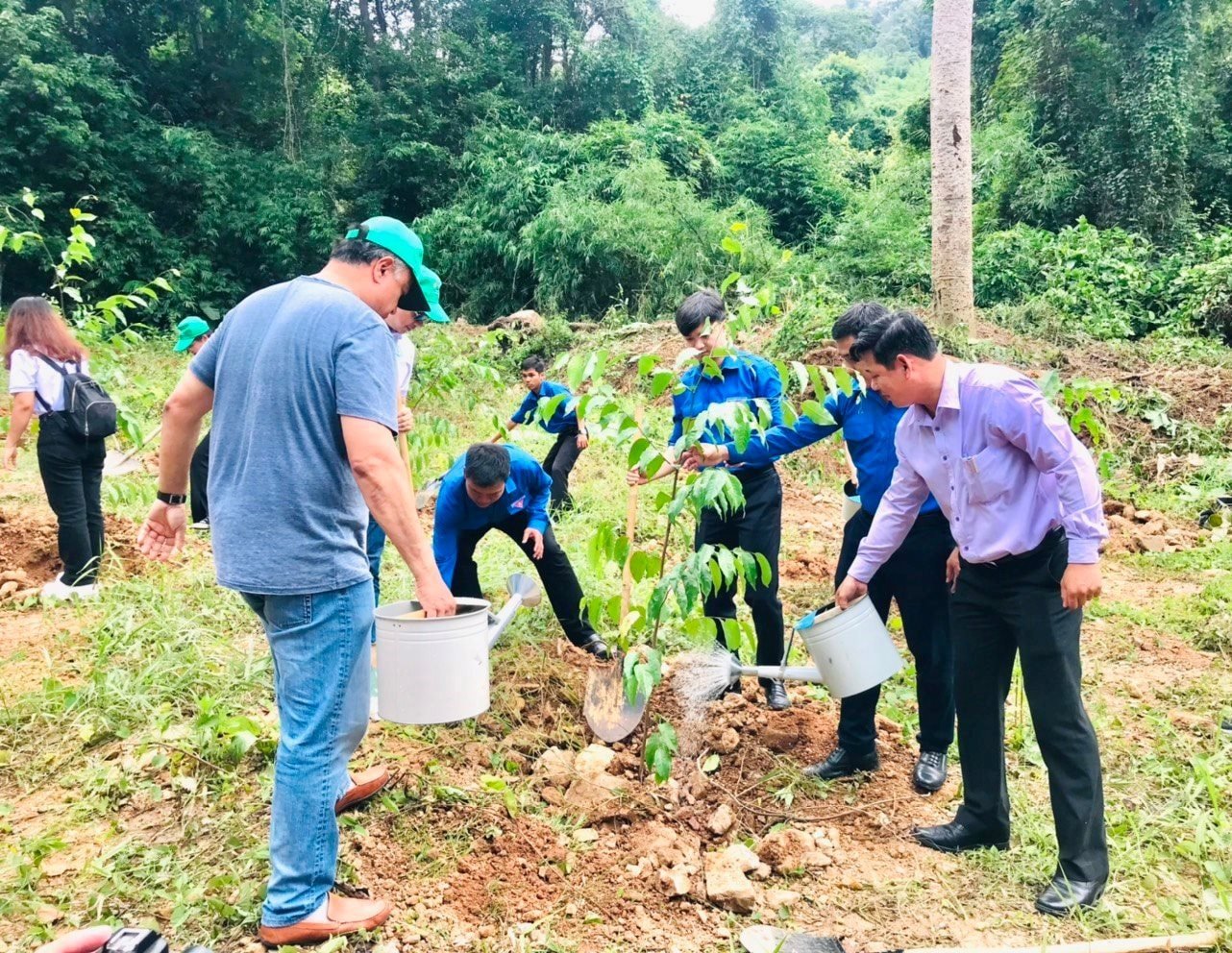
Simultaneously, it was affirmed that participation in carbon credit trading would provide the province with funding to continue investing in forest management, protection, and development. This would contribute to improving the lives and economy of ethnic minority households in particular, and households living in and around forests in general, sharing and reducing the financial burden on the local government in forest management, protection, and development. The Provincial People's Committee also assigned the Department of Agriculture and Rural Development to focus on developing a sustainable timber raw material and processing zone in the province. It also aimed to effectively implement the "Planting 1 billion trees in the 2021-2025 period" project in the province, striving to plant over 2 million trees throughout the province, including 133,000 new production forest trees and 1.92 million scattered trees.
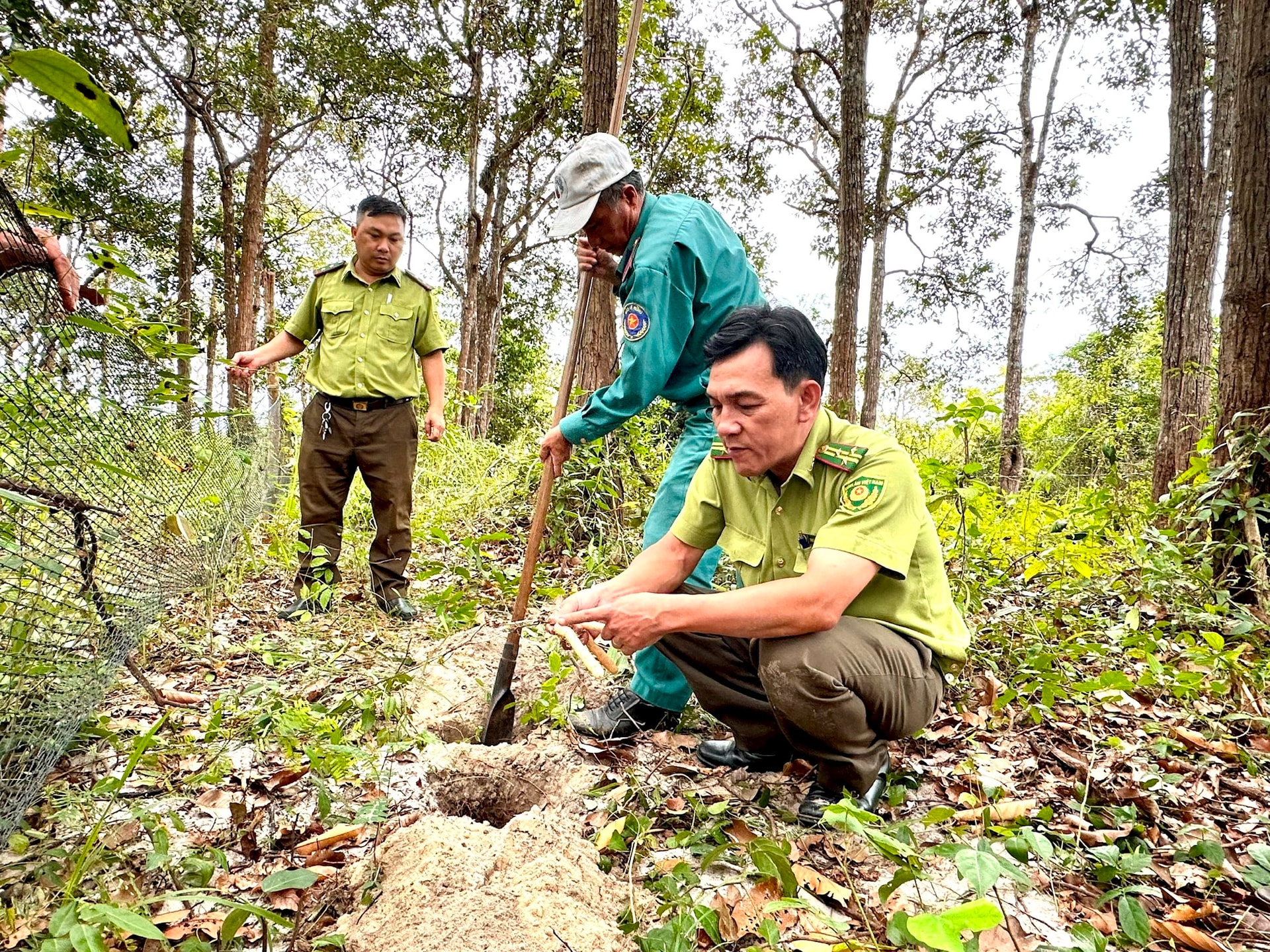
Furthermore, in line with the development orientation for exploiting native medicinal plant species, since 2023, the Provincial Forest Protection Department has been developing models for cultivating medicinal plants under the forest canopy for high-value species with a market demand. These include models for cultivating Ganoderma lucidum mushrooms, Panax pseudoginseng, yam, and golden flower tea under the natural forest canopy within the forest management areas of Phan Dien, Song Mong - Ca Pet, Duc Linh, and Ta Cu Nature Reserve Management Boards. This contributes to restructuring forestry production to suit advantages, market demands, and climate change adaptation, in accordance with Resolution No. 05 of the Binh Thuan Provincial Party Committee…
The responsibility of the whole society.
It must be stated unequivocally that the most important factor greatly influencing climate is forests, which determine the survival of the environment and ecosystem. The role of forests in environmental protection is becoming a topical issue and requires the collective efforts of all humanity.
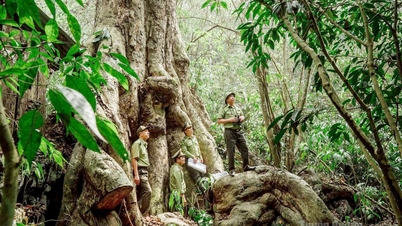
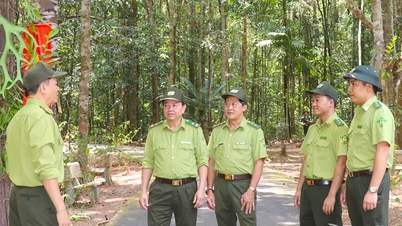
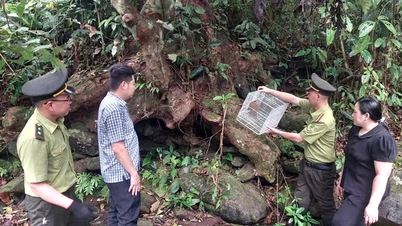
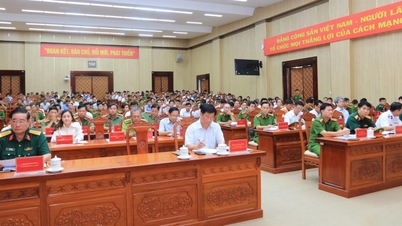
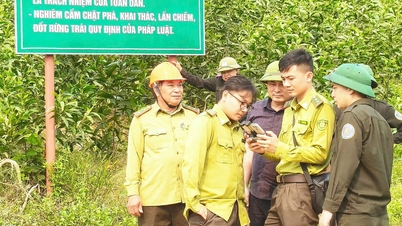
The government and relevant ministries and agencies have focused on finalizing draft decrees amending and supplementing Decree 156 detailing the implementation of several articles of the Forestry Law, draft decrees amending Decree 01/2019 on forest rangers and specialized forces for forest protection, and draft decrees on some investment policies in forestry to address difficulties and obstacles for localities. At the same time, they requested that localities pay more attention to and care for the specialized forces managing and protecting forests. They also urged the application of science and technology in patrolling, monitoring, and tracking forest changes to improve the effectiveness of forest management and protection, and reduce the burden on specialized forces.
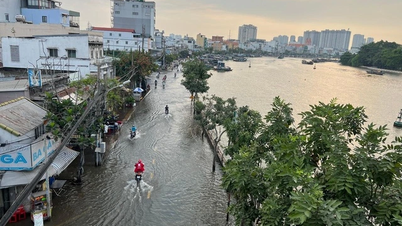
At the time this series of articles was published, the mountainous province of Cao Bang was suffering from its worst flood since 1986. Media outlets reported images of raging river currents, causing widespread flooding and property damage, severely impacting people's lives. In Binh Thuan, one of the driest provinces in the country, heavy rains, landslides, and tornadoes were also causing damage to people and property, especially during the rainy season. Many people are asking: Is this a natural disaster or a man-made one?
Clearly, as nations strive for rapid economic development, pressure is placed on the exploitation of natural resources and the environment, leading to changes in natural laws... The consequences of climate change on the planet are becoming increasingly evident, most notably droughts, water scarcity, severe forest fires, rising sea levels, floods, and biodiversity loss... Climate-changing emissions originate from all over the world and affect everyone. Therefore, the fight against climate change requires the joint efforts of all humanity. This means that preserving forests is vital to protecting the "green lungs" of the earth, the source of human life. In Vietnam, the Party, the State, and local authorities have been, are, and will continue to overcome difficulties and limitations, constantly striving to find solutions to improve the income of forest rangers, create livelihoods, and enrich themselves from forests in order to best protect them. Our Party affirms that protecting and developing forests is both a right and a duty and responsibility of the entire political system and society. Protecting forests – preserving forests – and simultaneously developing forests is a noble task of every citizen, essential for the survival of every individual, every family, the country, and the nation!
Carbon credits are a general term for tradable credits or permits representing 1 ton of CO2 or the equivalent volume of other greenhouse gases. The buying and selling of CO2 emissions, or carbon trading , is conducted on the market through carbon credits.
Lesson 1: Protecting the forest with life and death.
Lesson 2: Untangling knots, breaking through to protect forests
Lesson 3: Decisive Solutions
Source: https://baobinhthuan.com.vn/bao-ve-rung-su-song-con-bai-4-123559.html



![[Image] National Assembly discusses the implementation of the socio-economic development plan.](https://vphoto.vietnam.vn/thumb/1200x675/vietnam/resource/IMAGE/2026/04/20/1776696707422_ndo_br_img-20260420-185419-jpg.webp)
![[Photo] General Secretary and President To Lam meets with National Assembly delegates from ethnic minorities.](https://vphoto.vietnam.vn/thumb/1200x675/vietnam/resource/IMAGE/2026/04/20/1776696701056_a1-bnd-8331-3342-jpg.webp)















![[Infographic Series] Historical Sites in Dong Nai: Long Khanh Provincial Administrative Building, Long Khanh Town Party Committee Base, Xuan Loc Temple - Xuan Hoa Pagoda Complex](https://vphoto.vietnam.vn/thumb/402x226/vietnam/resource/IMAGE/2025/9/26/1331532306fb4ad18e4a849e5c64202a)




















































Comment (0)