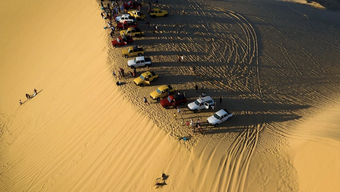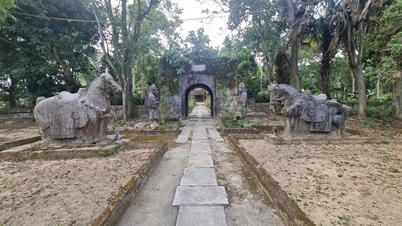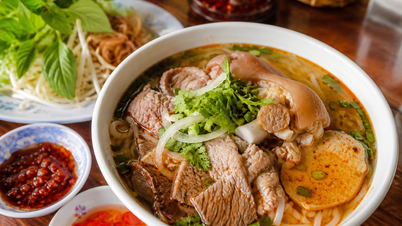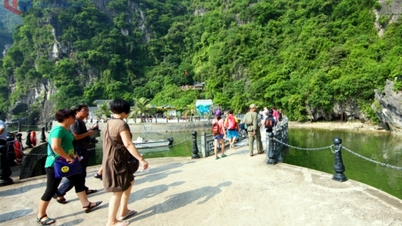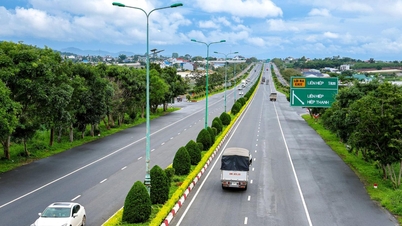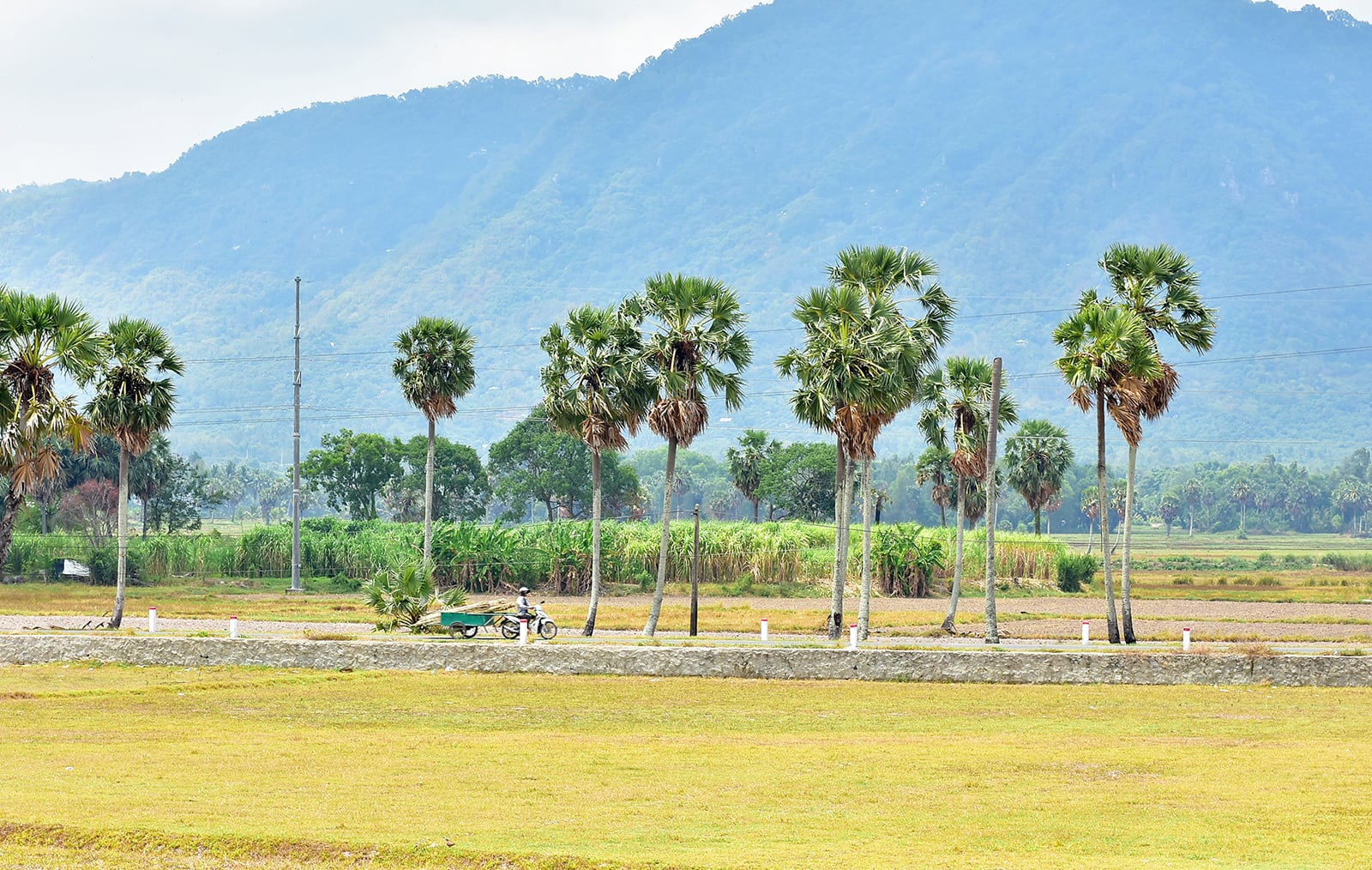
The rain has brought back the green color to the Bay Nui region. Photo: THANH TIEN
Products of the rainy season
Returning to Bay Nui after the first rains of the season, I noticed a significant change in the area. High in the mountains, the bare branches bid farewell to the harshness of the dry season, dotted with tiny green shoots. Following the winding road around the foot of Phu Cuong mountain, the bamboo groves also turned a vibrant green, ready for the new bamboo shoot season.
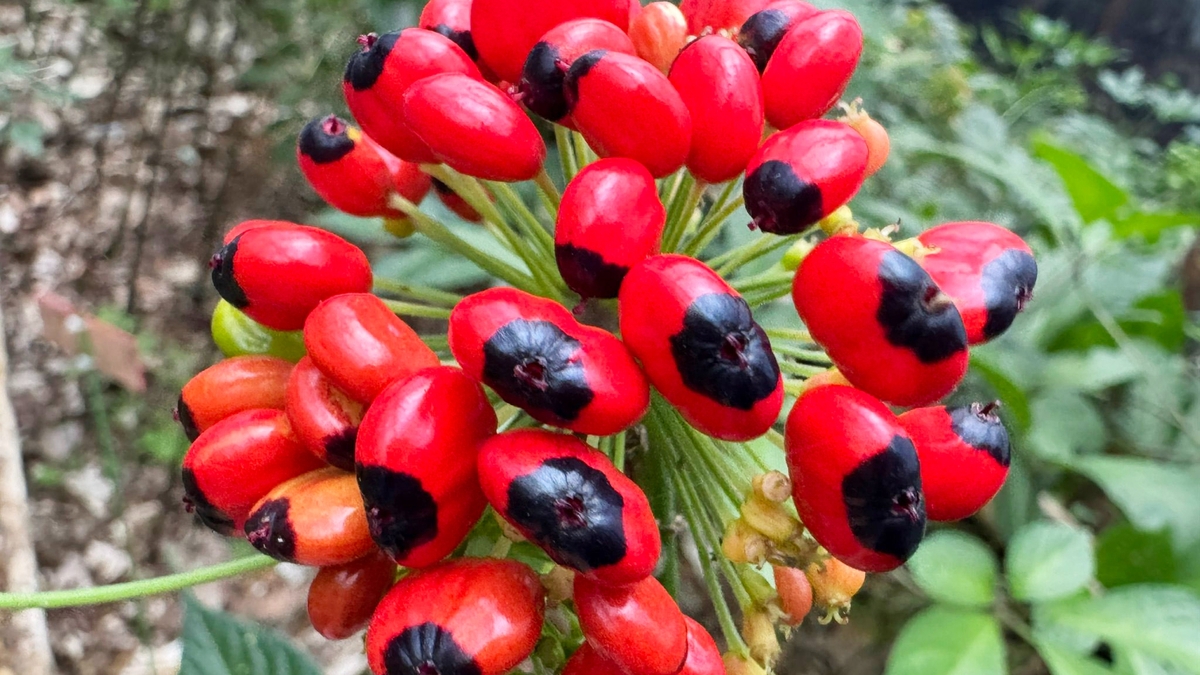
Not only the forest trees, but the changing weather also brings unique gifts of nature to the mountainous region. Having lived in the Seven Mountains long enough, I clearly remember the wild fruits that began to flourish when the rains came, especially wild grapes. There was a time when Phu Cuong Mountain was considered the "capital" of wild grapes. At the beginning of the rainy season, the wild grapes formed small clusters of fruit; when the rains intensified, the grapes ripened to a deep red, and people began harvesting this "gift from heaven."
According to locals, wild grapes used to be mainly a snack for children. Later, people came up with the idea of soaking them in alcohol to create a delicious drink with a distinct mountain flavor. To enjoy this specialty, you just need to wait for the rainy season to arrive in the Bay Nui region. Along the road from Thoi Son ward to Tinh Bien ward, locals sell fresh wild grapes or bottles of pre-soaked wild grape wine.
Phu Cuong Mountain also offers a special delicacy: bamboo shoots during the rainy season. When the rains come, the vast bamboo forests on the mountain begin to produce shoots. This wild bamboo species, though not tall, has a solid and durable trunk, and is utilized by the locals for many purposes. Bamboo shoots, in particular, are delicious, whether boiled and dipped in salt and chili sauce or used in hot pot or braised meat dishes.


The rainy season in the Seven Mountains region also opens up a world of insect cuisine. If you're a food connoisseur, you've probably heard of the region's specialty: grasshoppers or cicadas. Although "a bit hard to swallow," crispy fried grasshoppers are still a dish that sparks curiosity. The beginning of the rainy season marks the start of the grasshopper season. The plump, wriggling insects, sold along the roadside in cages, might seem a little off-putting to some tourists. However, once you've tried them, you'll surely remember their crispy, fragrant taste. The insects are gutted, stuffed with meat, and then fried, served with fresh vegetables, making for a truly captivating flavor.
Because they are sought after by diners from near and far, grasshoppers are usually in high demand at the beginning of the season. These insects mainly live around the foothills of Tra Su Mountain, Ket Mountain, and Dai Nam Gieng Mountain. Local people earn a considerable additional income for their families at the beginning of the rainy season by selling crispy fried grasshoppers.
Making a living according to the seasons
Besides the changes in nature, the pace of life for the people of Bay Nui also becomes busier during the rainy season. These days, on the slopes of Mount Cam and Mount Dai, the mango and custard apple orchards are covered in lush green. The rains signal the time when orchard owners on the mountains begin nurturing their trees to welcome the new fruit season. The Ta Lot valley, located at the foot of Mount Cam and Mount Dai, is where orchard owners gather their fruit during the rainy season.
Besides fruit trees, Ta Lot is also considered the "capital" of vegetables in the Bay Nui region whenever the rains come. Vegetables like cucumbers, bitter melons, gourds, corn, and chili peppers are all grown, making visitors think this is a fertile island. When I returned, the land in Ta Lot was still dry. In the distance, the fields were being tilled, waiting for a few more rains before planting.
Mr. Tran Van Binh, residing in Ta Lot hamlet, Nui Cam commune, is planting onions to prepare for the rainy season. Mr. Binh shared that Ta Lot has already experienced several cooling rains, so farmers are preparing the land and waiting for the water to soak into the fields before planting. “When you visited this time, there weren't many crops yet; people mainly planted sweet potatoes and melons to earn some income at the beginning of the season. As for vegetables, in about a month, the whole area will be lush and green,” Mr. Binh said.
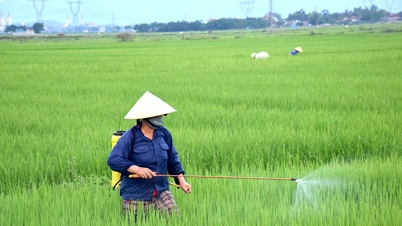
Following Provincial Road 949 from An Cu commune towards Tri Ton commune, I realized that Mr. Binh's words were very true. After welcoming the first rains of the season, the people were busy preparing the land and making raised beds, making the Ta Lot area more bustling than usual. Not only in this valley, but most farmers whose land depends on rainwater in the Bay Nui region are also preparing for the planting season. For them, this is the time when the land rewards the labor.


The rainy season returns, awakening the lush greenery of the Bay Nui region. At this time, the landscape and the people here enter their busiest period of the year. This is a unique characteristic, a testament to the distinctiveness of nature and the diligence and hard work of generations who have contributed to building the Bay Nui region.
Source: https://baoangiang.com.vn/bay-nui-thay-mua-a485462.html