

According to RT, citing a statement at a press conference on January 26, President Alexander Lukashenko said that the Oreshnik missile would be deployed near Smolensk, a Russian city located about 60 km east of the Belarusian border. However, Lukashenko did not rule out the possibility of it being placed elsewhere later.
"We will soon have Oreshnik, possibly within a few days. We have agreed with President Vladimir Putin that the system will be delivered to Belarus even sooner than to Russia," he said.
Fragments of the Oreshnik missile reveal the truth about the age of the 'new' Russian missile.
When asked to confirm the timeline for the arms deliveries, President Lukashenko admitted that there was still no exact date. He also explained that the selection of deployment locations needed to be based on the technical specifications of the missiles.
The Belarusian leader said that initially, the country wanted to receive at least 10 Oreshnik missile systems, but a transfer on such a scale was difficult for economic reasons, especially since Russia also needed to deploy Oreshnik. "One Oreshnik is enough to protect Belarus," Lukashenko added.
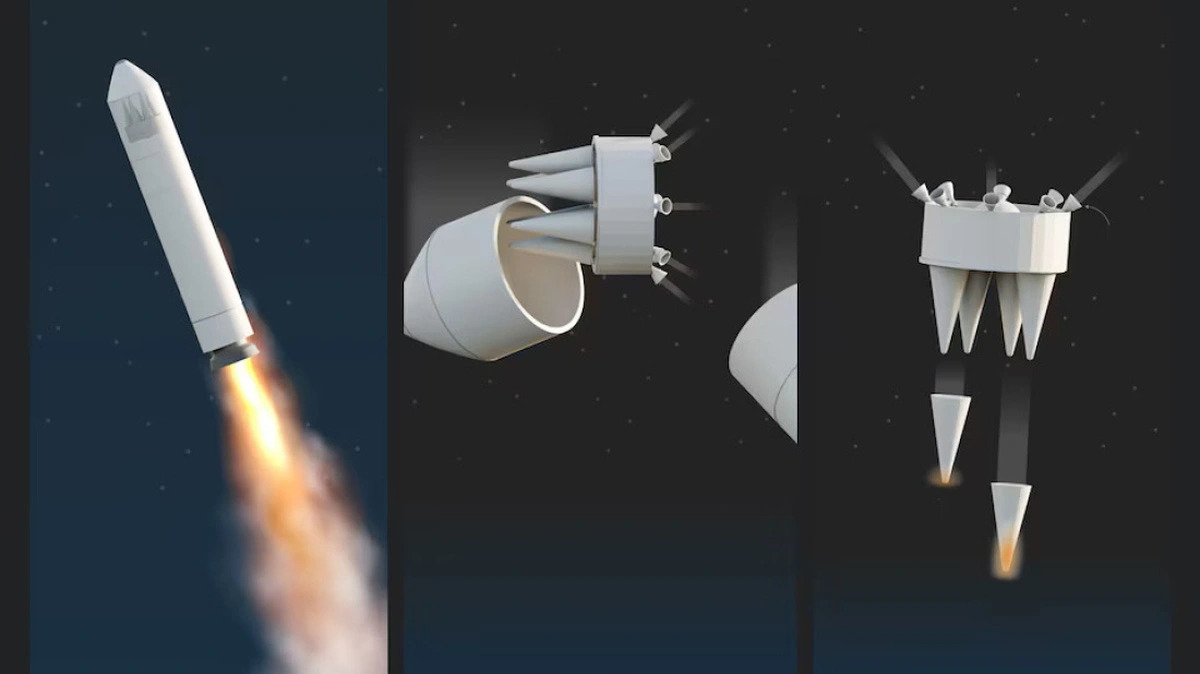
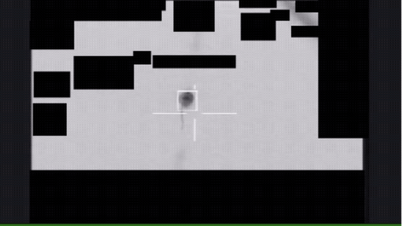
The diagram illustrates the process of launching and dropping warheads onto a target using the Oreshnik missile.
The Oreshnik missile was first used by Russia in an attack on the city of Dnipro in central Ukraine on November 21, 2024, in response to Kyiv's launch of Western-supplied ATACMS and Storm Shadow long-range missiles deep into Moscow's territory.
Russian President Vladimir Putin asserted that no Western air defense system could intercept the Oreshnik missile. Ukrainian military commander Oleksandr Syrsky also admitted on January 19th that his country does not possess weapons capable of intercepting this missile.
In other news, Lukashenko won an overwhelming majority in the Belarusian presidential election, according to Reuters. According to preliminary results broadcast on Belarusian state television on January 26, President Lukashenko is leading with nearly 88% of the vote. This indicates that Lukashenko (70 years old), who has led Belarus since 1994, is highly likely to win his seventh five-year presidential term.
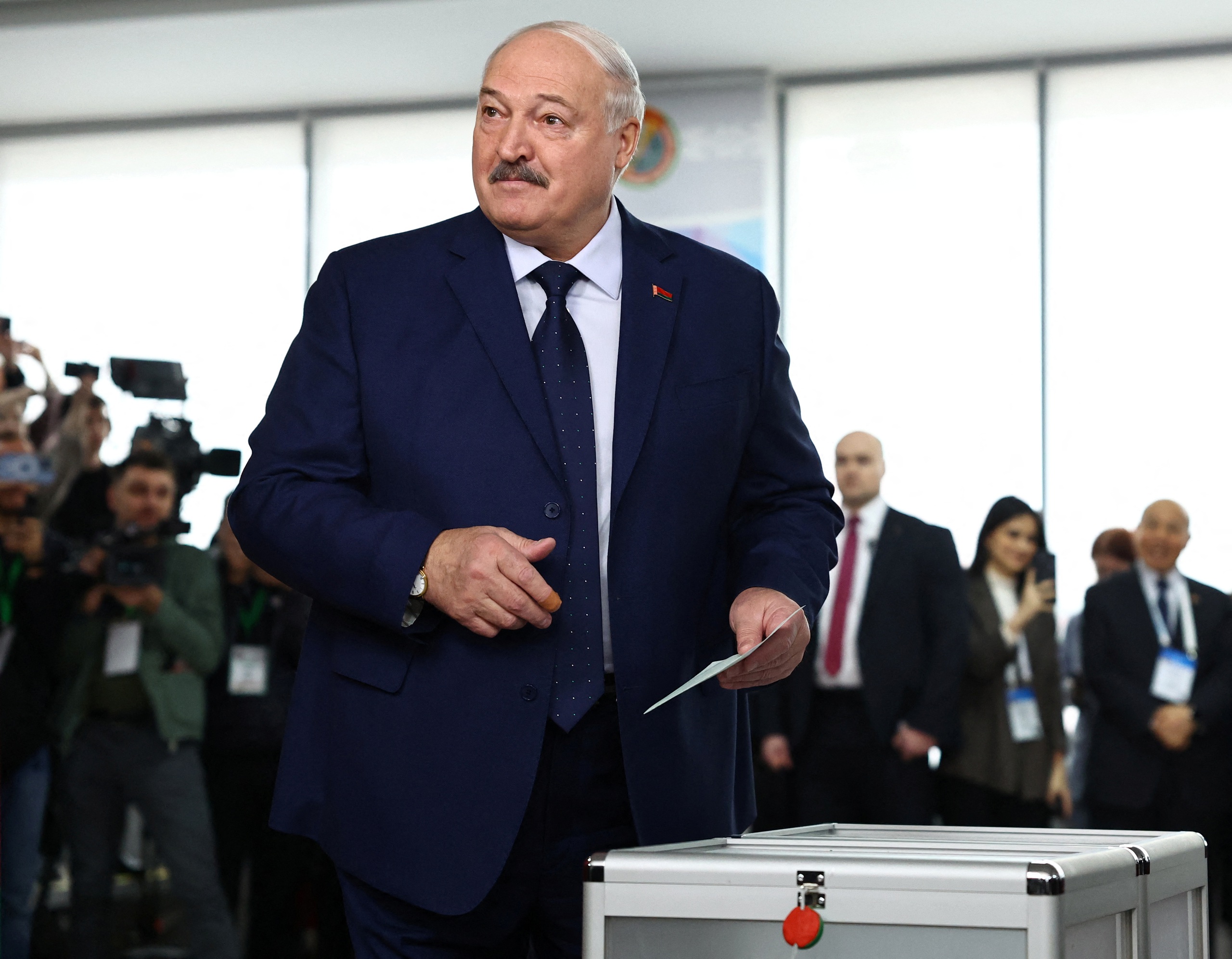
Belarusian President Alexander Lukashenko casts his vote in the presidential election in Minsk on January 26, 2025.
Immediately after the preliminary election results were announced, the European Union (EU) rejected the legitimacy of the Belarusian elections and threatened to impose new sanctions on the Eastern European country.
Source: https://thanhnien.vn/belarus-chuan-bi-nhan-ten-lua-oreshnik-tu-nga-185250127082221316.htm
![[Photo] General Secretary and President To Lam receives Amazon's Senior Vice President David Zapolsky](https://vphoto.vietnam.vn/thumb/1200x675/vietnam/resource/IMAGE/2026/05/22/1779466547770_a1-bnd-3513-6601-jpg.webp)



















































































Comment (0)