

What should you eat if you have conjunctivitis (pink eye)?
Foods rich in vitamin A
People with conjunctivitis should eat foods rich in vitamin A, such as carrots, sweet potatoes, pumpkins, egg yolks, dark green leafy vegetables (spinach, kale, etc.), and organ meats (beef liver, chicken liver, etc.).
Note that when consuming animal liver, people with conjunctivitis should not eat more than 100g per week to avoid excessive intake of vitamin A, which is harmful to the liver.
Vitamin C is good for people with conjunctivitis (pink eye).
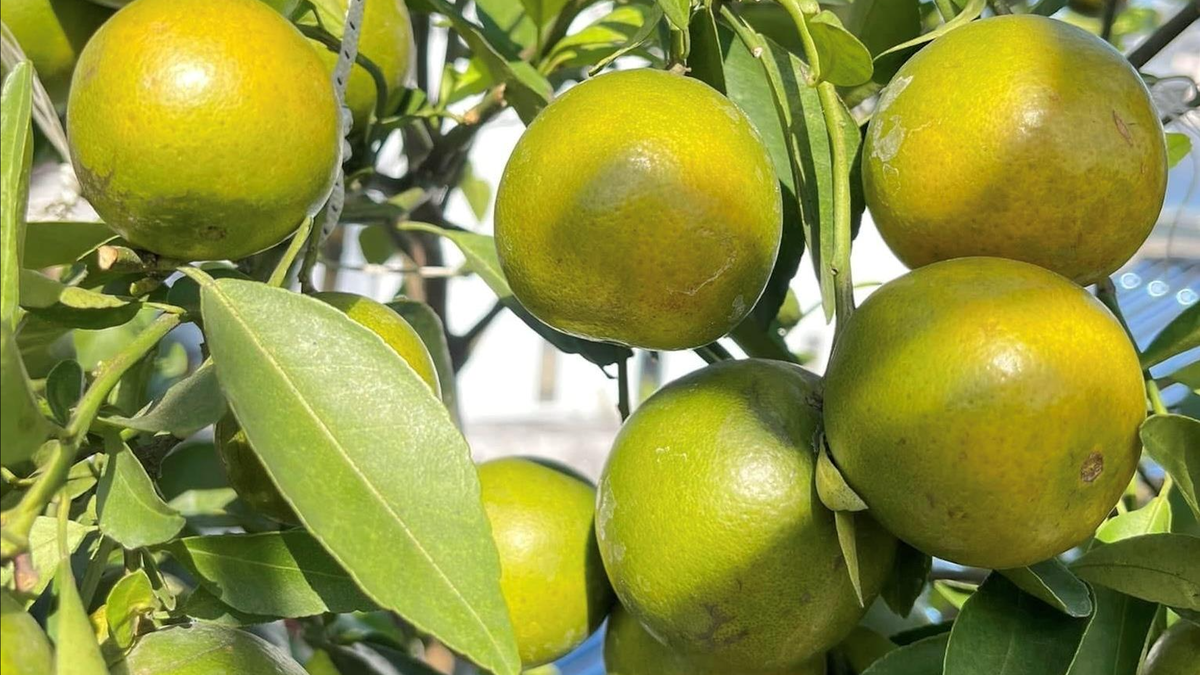
Some foods rich in vitamin C that are good for people with conjunctivitis include citrus fruits (grapefruit, kumquat, tangerine, orange, lemon, etc.), guava, kiwi, berries (strawberries, blueberries, etc.), and dark green leafy vegetables (broccoli, kale, spinach, etc.).
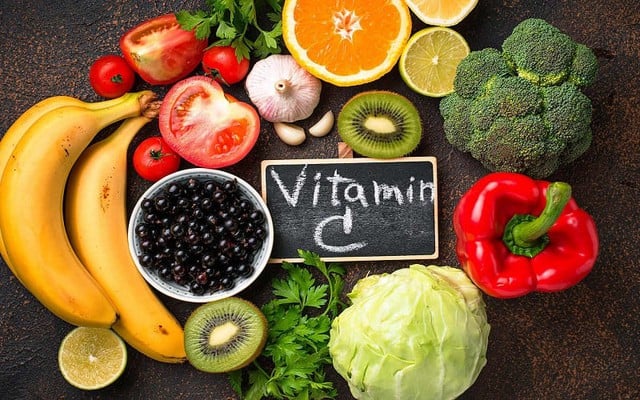
Some foods rich in vitamin C that are good for people with conjunctivitis include citrus fruits (grapefruit, kumquat, tangerine, orange, lemon, etc.), guava, kiwi, berries (strawberries, blueberries, etc.), and dark green leafy vegetables.
Foods rich in vitamin E
Some typical foods rich in vitamin E include olive oil, ripe avocados, nuts (cashews, almonds, walnuts, etc.), and the fat of fatty fish (salmon, tuna, herring, mackerel, etc.).
Eat foods rich in omega-3s to recover faster.
People with conjunctivitis should eat foods rich in omega-3s to help improve symptoms and promote recovery, such as increasing consumption of salmon, tuna, mackerel, sardines, seaweed, and nuts (flax seeds, chia seeds, etc.).
Foods rich in zinc
Some zinc-rich foods that are good for people with eye problems include oysters, beef, chicken, legumes (lentils, soybeans, etc.), and nuts (sesame seeds, pumpkin seeds, cashews, etc.).
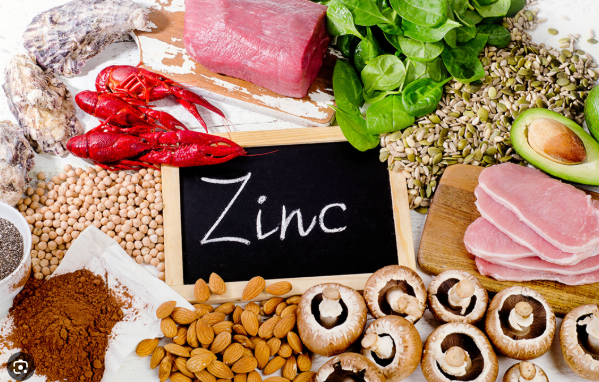
Some zinc-rich foods that are good for people with eye problems include oysters, beef, chicken, legumes (lentils, soybeans, etc.), and nuts (sesame seeds, pumpkin seeds, cashews, etc.).
Foods rich in probiotics help support eye health.
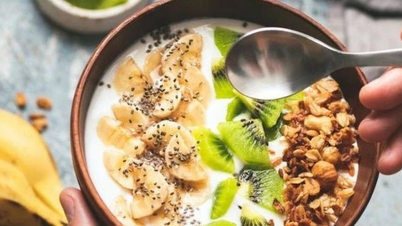
Some probiotic-rich foods that are good for people with conjunctivitis include naturally fermented yogurt/kefir/kimchi, kombucha tea, miso soup, tempeh paste, etc.
Antioxidants help reduce inflammation in the eyes.
Ensuring adequate intake of antioxidants by consuming plenty of leafy green vegetables, root vegetables, whole grains, and fresh fruits can help reduce conjunctivitis symptoms and improve eye health.
People with conjunctivitis need to drink plenty of water.
Maintaining adequate hydration (1.5-2 liters/day) helps the tear film function more effectively, preventing dry eyes and reducing irritation from conjunctivitis. Water-rich foods provide electrolytes, supporting blood pressure and water balance, and reducing eye damage.
Therefore, people with conjunctivitis should eat foods that are high in water content, such as pears, apples, watermelon, cucumber, cantaloupe, honeydew melon, coconut water, celery, etc.

People with conjunctivitis should avoid spicy food...
Foods to avoid when you have conjunctivitis (pink eye).
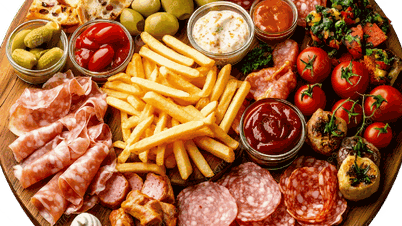
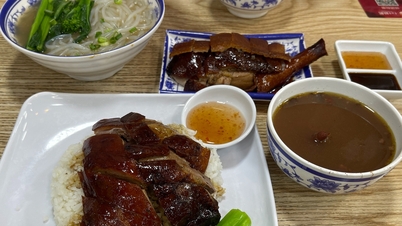
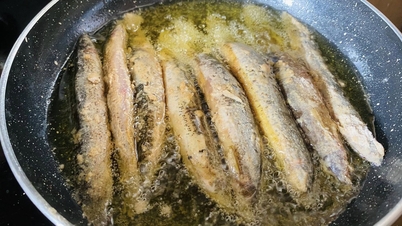
Foods high in salt and saturated fat: Fast food, fried foods, and fatty meats contain high levels of salt and saturated fat, which can increase inflammatory responses in the body, worsening symptoms of conjunctivitis.
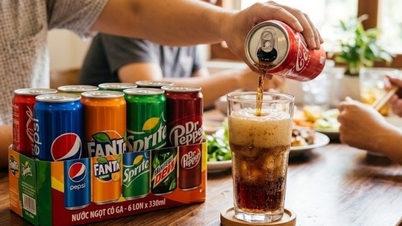
Foods high in sugar: Refined sugar in candies and sugary drinks weakens the immune system, making it harder for the body to fight off infections.
Caffeine and alcohol: Caffeine and alcohol have diuretic effects, causing dehydration, which can lead to dry eyes and increased discomfort.
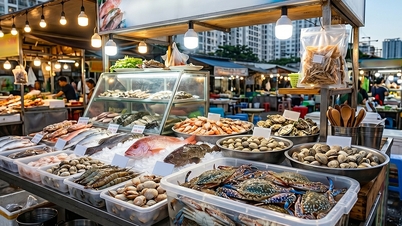
Foods that easily trigger allergies or stimulate the immune system: Seafood, peanuts, eggs, and certain nuts can cause allergic reactions, triggering histamine release, leading to inflammation, itching, and swelling in the eyes. Avoiding these foods helps reduce symptoms and promotes faster recovery. Spicy foods should also be avoided when suffering from conjunctivitis.
Source: https://giadinh.suckhoedoisong.vn/bi-dau-mat-do-nen-an-gi-172260513165240227.htm
![[Photo] National Assembly Chairman Tran Thanh Man attends the groundbreaking ceremony for the National Highway 1A spatial axis project.](https://vphoto.vietnam.vn/thumb/1200x675/vietnam/resource/IMAGE/2026/05/19/1779161360398_ndo_br_bnd-1412-jpg.webp)
![[Photo] Capturing the moment the tide recedes at Yen Binh Son rapids - a million-year-old scenic spot in Quang Ngai.](https://vphoto.vietnam.vn/thumb/1200x675/vietnam/resource/IMAGE/2026/05/19/1779175463885_yen9-1199-jpg.webp)








































![[Photo] General Secretary and President To Lam receives Indian Defense Minister Rajnath Singh](https://vphoto.vietnam.vn/thumb/402x226/vietnam/resource/IMAGE/2026/05/19/1779184046302_anh-man-hinh-2026-05-19-luc-16-46-58.png)


















Comment (0)