

Editor's Note: On the occasion of the 50th anniversary of the reunification of the country, VietNamNet newspaper presents a series of articles with the theme "April 30th - A New Era". Here, experts, military personnel, and historical witnesses share memories, lessons, and experiences from the victory of the resistance war against the US to save the nation. These include the strength of national unity, the lesson of mobilizing the people's strength and securing international support; the diplomatic and military lessons in the resistance war for the task of defending the Fatherland from early on and from afar. They also highlight the creativity, resilience, and strength of people's war for the cause of national liberation, and the great lesson in developing internal resources for the construction and defense of the Fatherland. VietNamNet invites readers to "visit" the political strongholds - bases in the heart of enemy territory: the Cu Chi tunnels, the Rung Sac war zone, the Vuon Thom base, the Ban Co labor area, the commando bunkers in the inner city of Saigon... |
In downtown Ho Chi Minh City today, many secret wartime locations have been made public.
These were locations with dark tunnels and secret passageways, which had silently witnessed the activities of the Saigon commando fighters.
Every day, hundreds, even thousands, of people rush past memorials and museums, but few slow down or stop to learn about what a generation of brave people once went through.
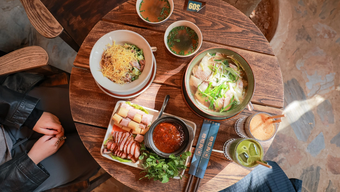
The Do Phu Cafe - Dai Han broken rice restaurant at 113A Dang Dung Street, Tan Dinh Ward, District 1 is one such place... The cafe is also known as "Commando Cafe".
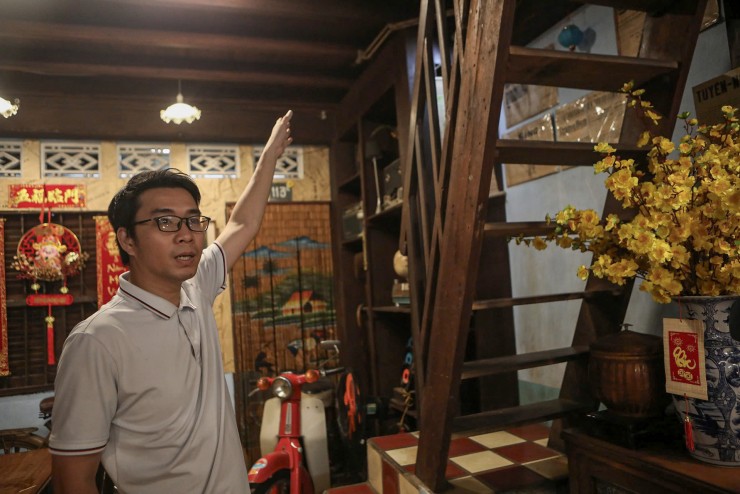
This was once one of many houses that the commando soldier and Hero of the People's Armed Forces Tran Van Lai (also known as Nam Lai, Mai Hong Que, Nam U.SOM…) used as a base to prepare for the Tet Offensive and Uprising of 1968.
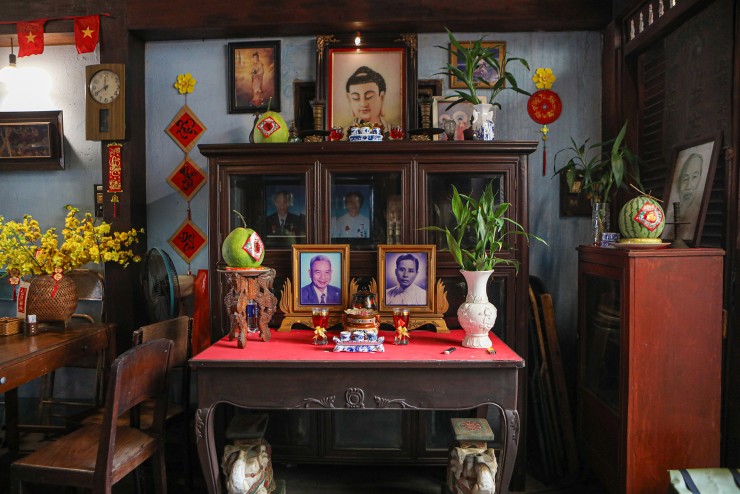
The wooden house was built in the 1940s. Before 1975, it was where Mr. Do Mien and his wife, Mrs. Nguyen Thi Su, sold coffee and rice dishes.
"Đỗ Phủ" means the mansion (house) of the Đỗ family. The restaurant is named Đại Hàn (Korean Broken Rice) because it was a familiar spot not only for locals but also for Korean soldiers (Korean soldiers who fought in the Vietnam War) at the nearby Engineering Corps barracks.
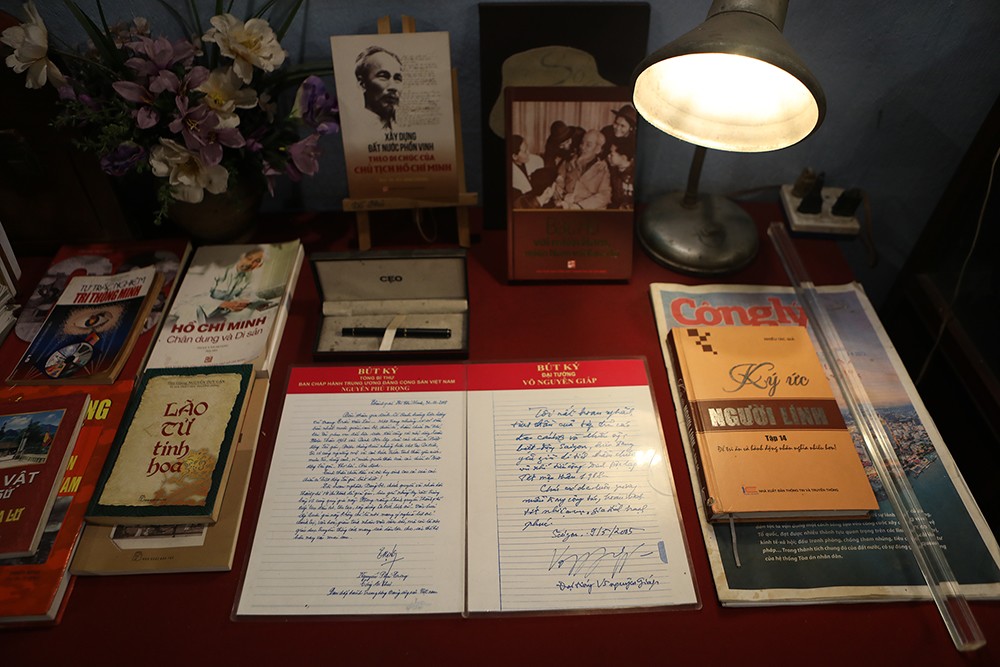
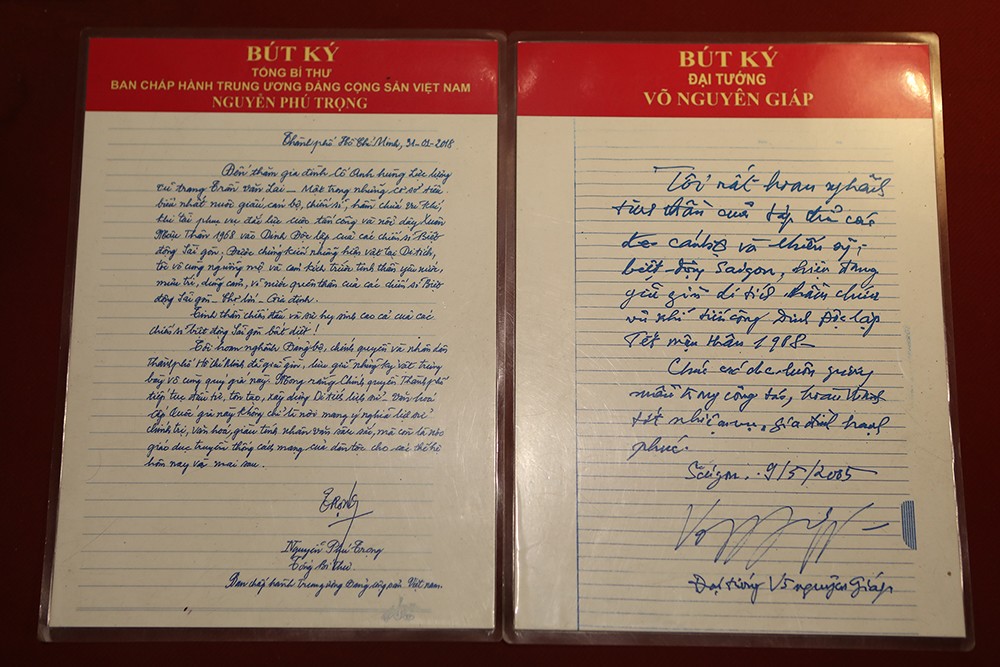
However, visitors to this humble eatery could never have imagined that this place was actually used by the revolutionaries as a shelter, a communication hub, a meeting place, a place for receiving and delivering secret letters and documents, and a place for hiding revolutionary cadres…
Visitors who come to sightsee or have coffee will see evidence of a time of secret but vibrant revolutionary activity. The place also preserves many handwritten notes from leaders who have visited.
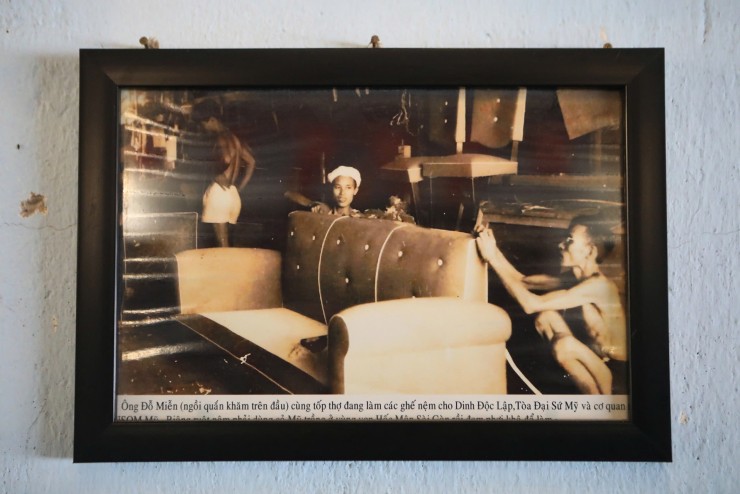
Many photographs of Mr. Do Mien and Mrs. Nguyen Thi Su at the secret mailbox house are preserved here.
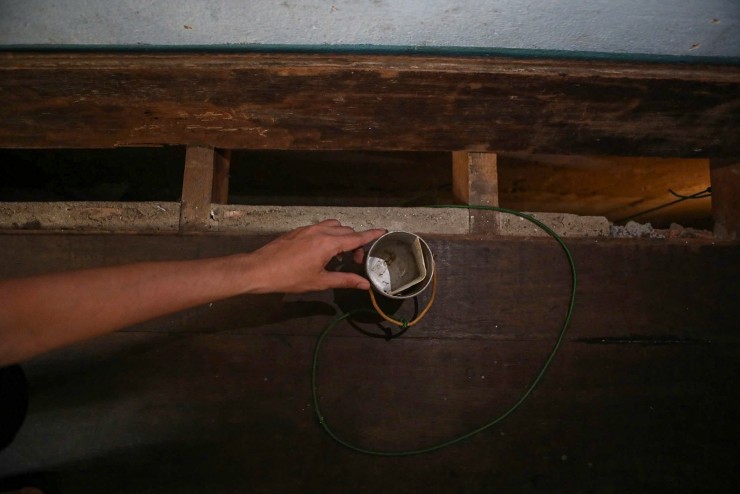
The wall between houses 113A and 113B Dang Dung Street is actually a hidden cellar used to conceal letters, documents, medicine, money, gold, etc. The cellar, less than 20cm wide, was disguised under a wooden floor and was designed and built by Mr. Tran Van Lai himself.
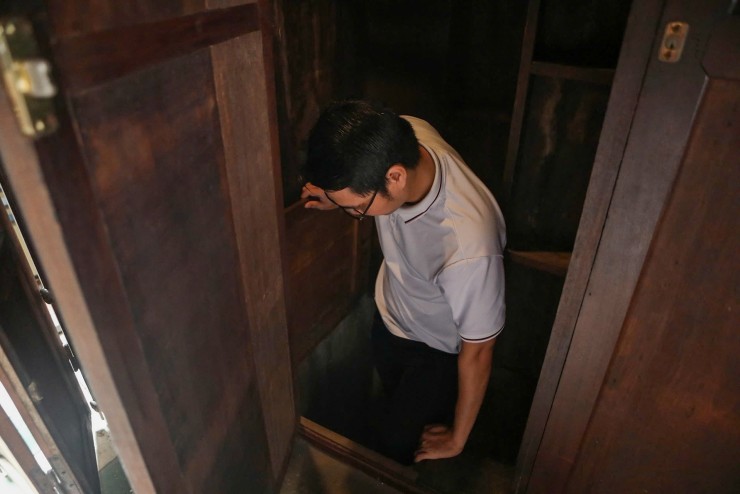
On the second floor, there was a secret cellar 3 meters deep, just big enough for one person to crawl into. This cellar was disguised at the bottom of a wardrobe.
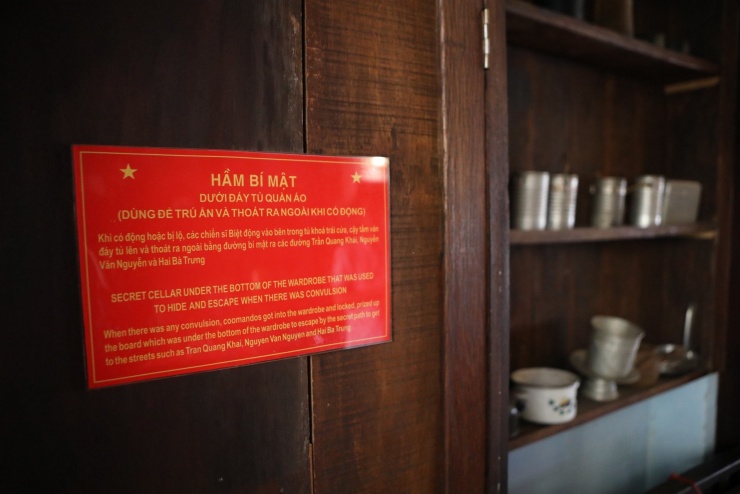
When alerted, the commandos would enter the locked cabinet, open the hatch, and escape through the back alley of the house.
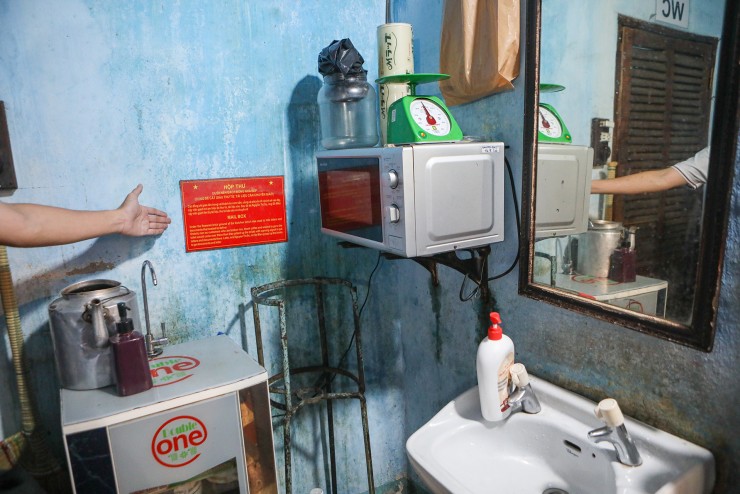
Right next to the sink in the kitchen area, there was a tiled area where the liaison soldiers hid documents. Every evening, Mrs. Nguyen Thi Su would take the documents upstairs, then wait to hand them over to another soldier...
Not far from the Do Phu coffee shop is the Saigon - Gia Dinh Commando Museum at 145 Tran Quang Khai Street, District 1. This is a three-story house built in 1963. During the resistance war against the US, this house was also built by Mr. Tran Van Lai, outwardly serving as a facility for interior design and construction contracting for the Independence Palace.
But at the same time, the house also served secret operational purposes for the Saigon commando forces, such as meetings, exchanging letters and documents, and supplying money and gold to the war zone…
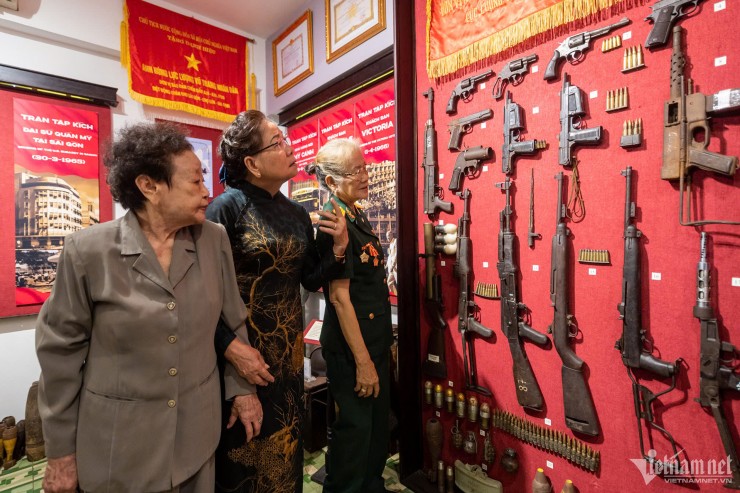
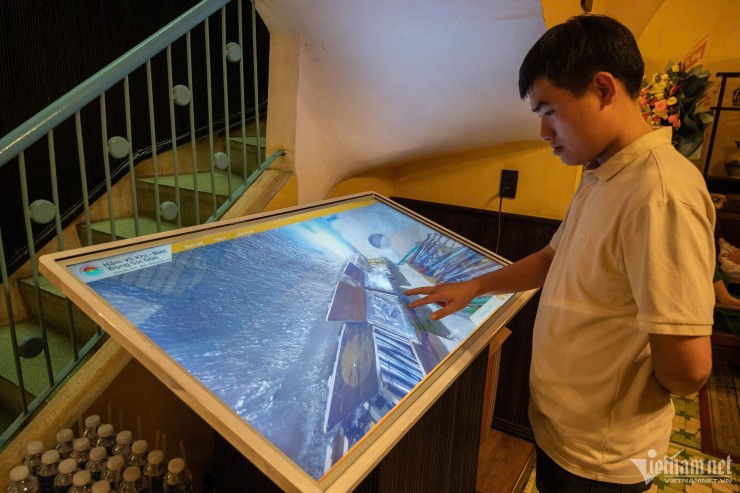
After 1975, the owner divided the house into three parts to sell to other people. Currently, Mr. Tran Van Lai's family has bought back the ground floor and the remaining two floors to build a museum and collect artifacts since the end of 2019. On June 21, 2023, the museum was granted an operating license.
What was particularly moving at the museum was the memorial wall, where images of the former Saigon commando soldiers are respectfully preserved.
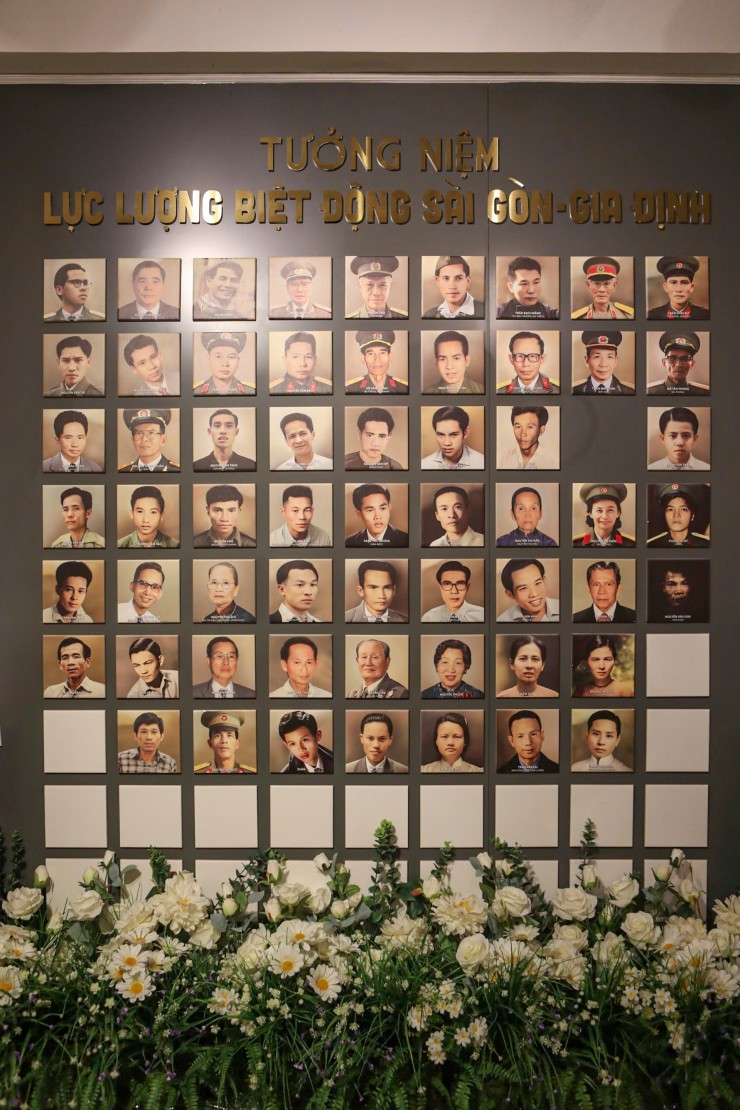
Not only does it contribute to preserving historical memories, but with boundless gratitude, a Memorial Wall has been solemnly erected in the cozy space of the Museum to honor and remember the heroic martyrs of the Saigon - Gia Dinh Commando Unit who dedicated their lives to the Fatherland.
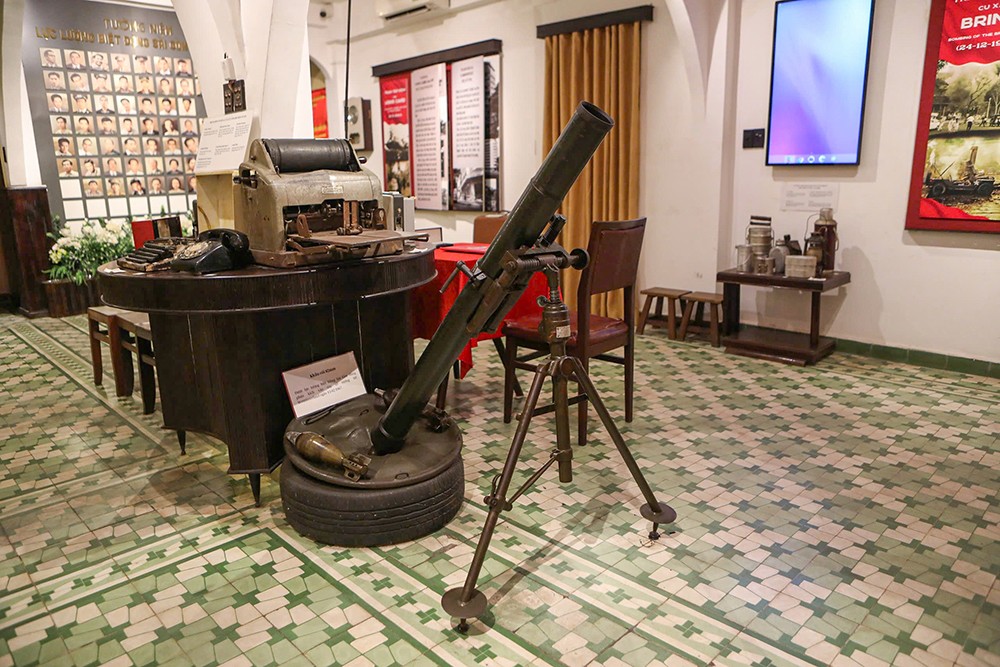
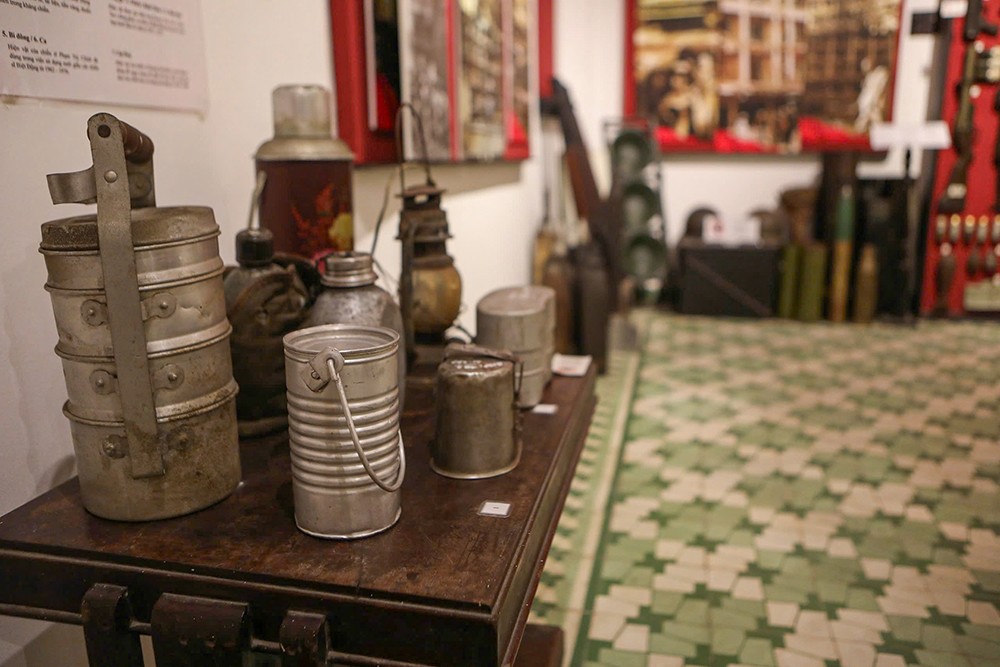
Currently, this place houses collections with images and about 300 valuable artifacts about the formation and development of the commando force, including: secret tunnels for storing weapons and concealing troops; vehicles used by commandos for transportation and operations; weapons; daily necessities; tools and equipment used in production by Mr. Tran Van Lai; communication equipment, etc.
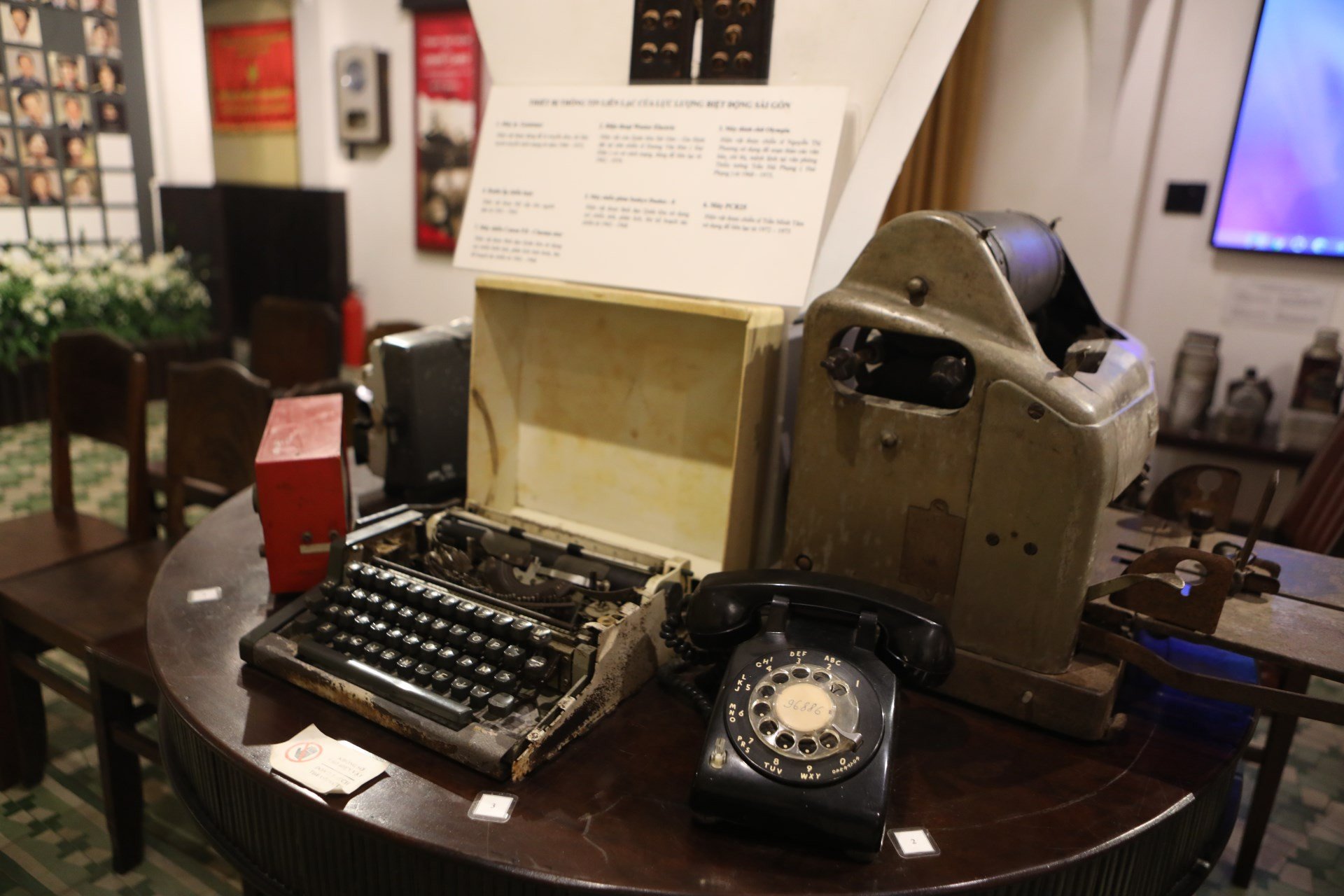
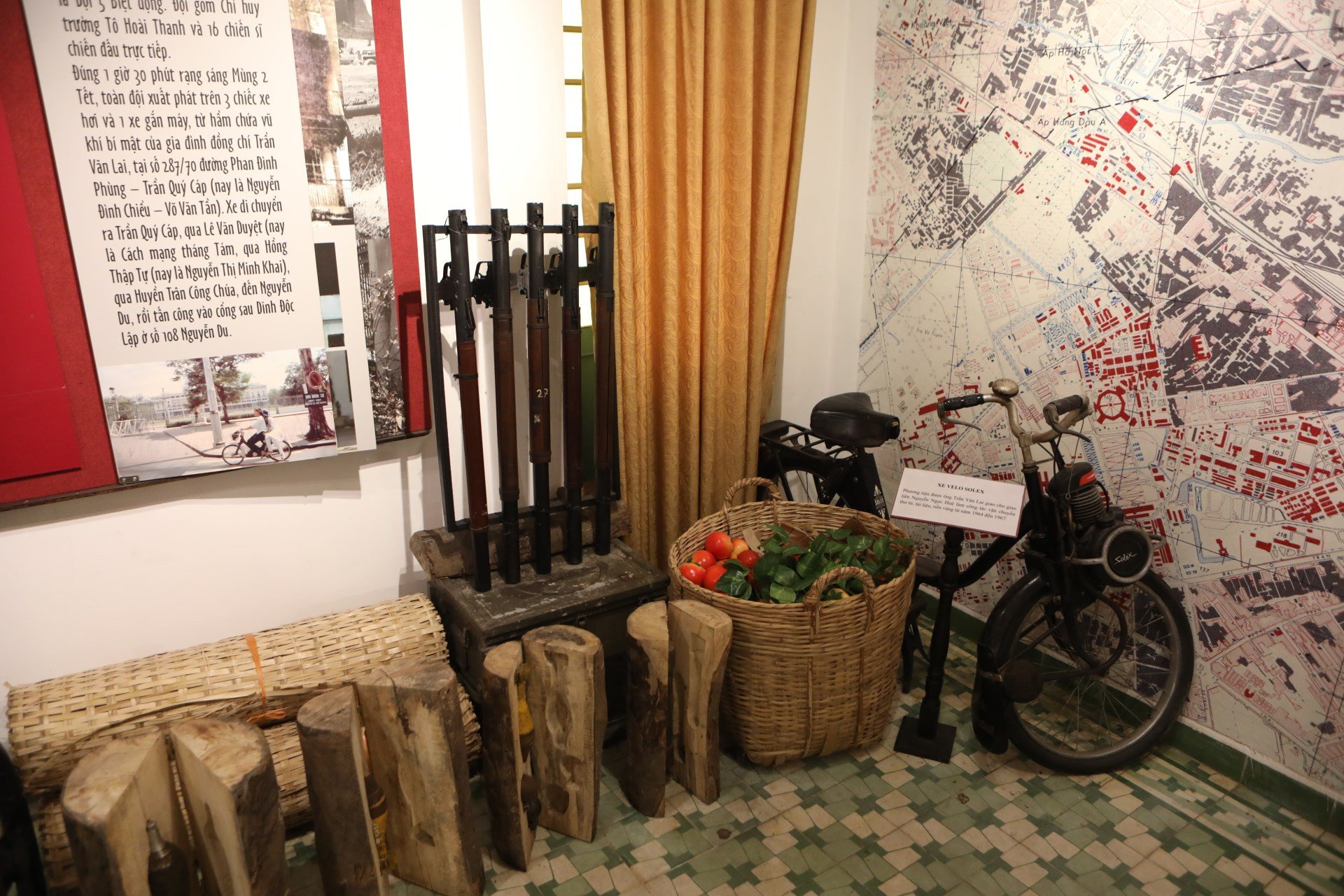
Each artifact tells a story connected to the commando soldier, such as Mr. Lai's woodworking tools – a trade that helped him disguise himself and enter and exit enemy strongholds without arousing suspicion. The leather bench on the ground floor was designed for Mr. Lai to hide weapons inside. Alongside these are a military radio, a typewriter once owned by Nguyen Van Thieu, an accordion, and motorcycles used for delivering secret messages...
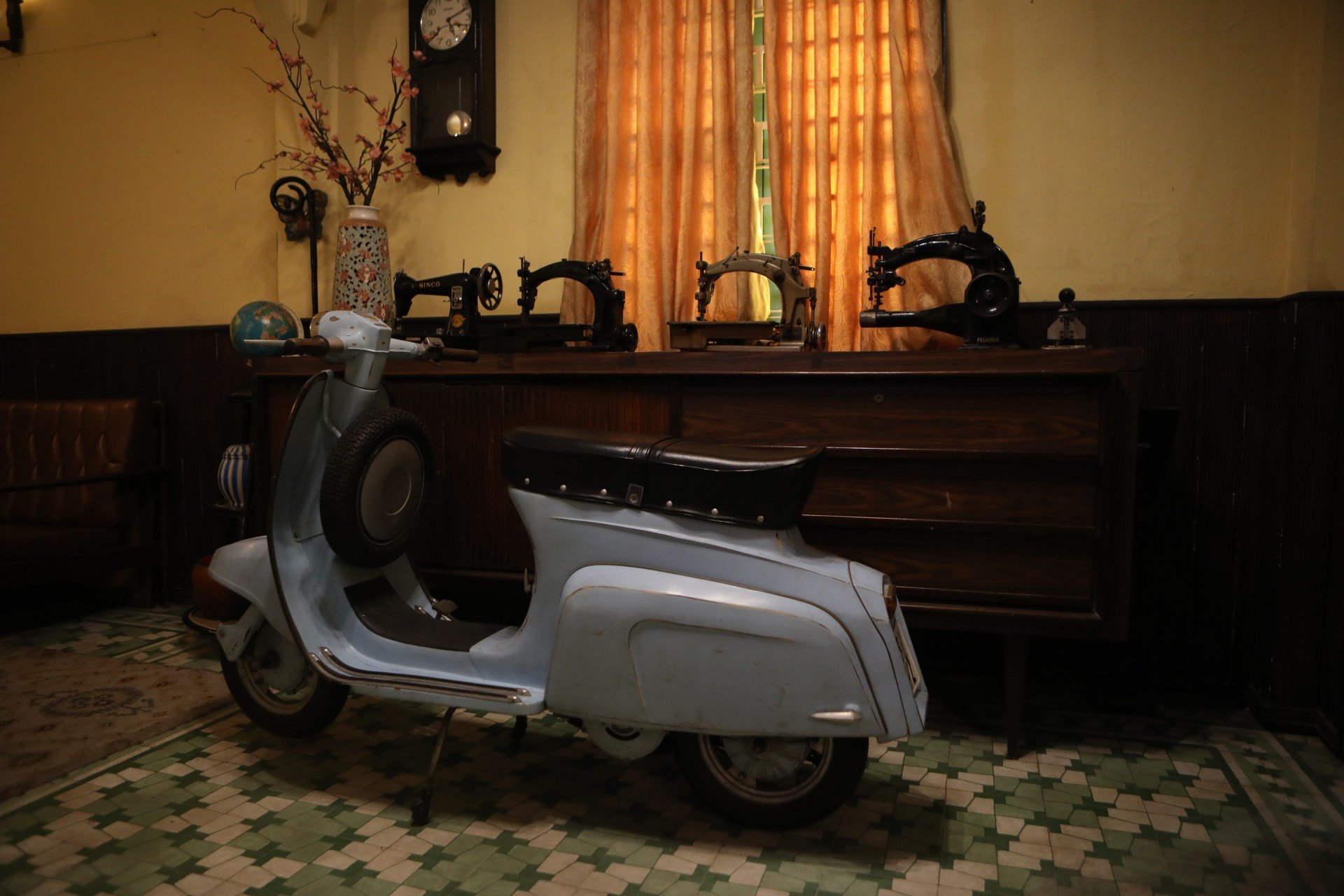
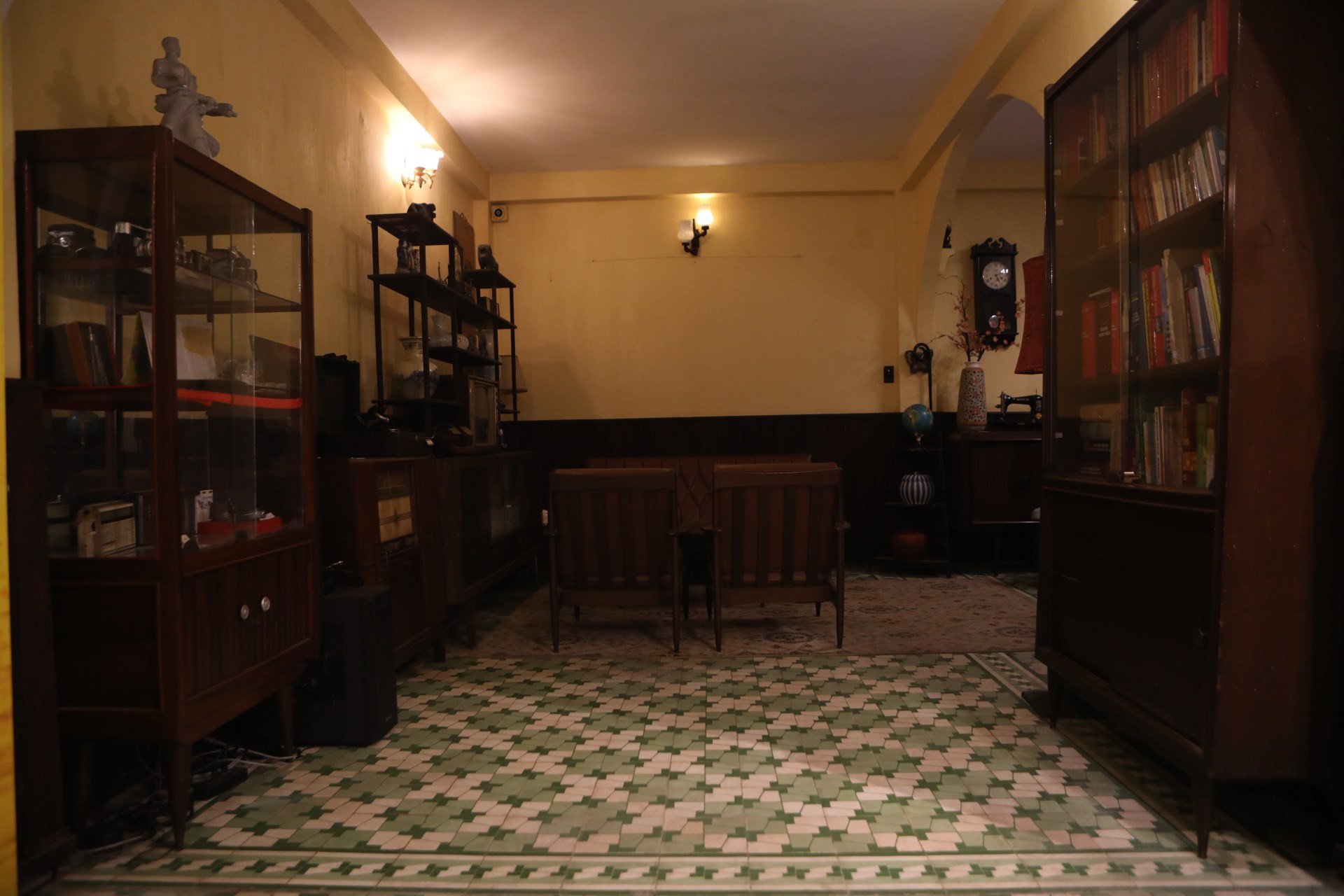
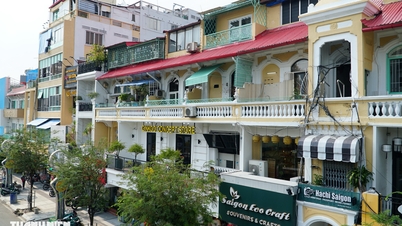
Located just a few streets away from the Saigon-Gia Dinh Commando Museum, and situated on one of the most expensive streets in District 1, the three-story house at 368 Hai Ba Trung Street is currently closed and not used for business like its neighbors. A flag of the National Liberation Front of South Vietnam, half red and half blue with a yellow star in the center, is displayed in front of the house.
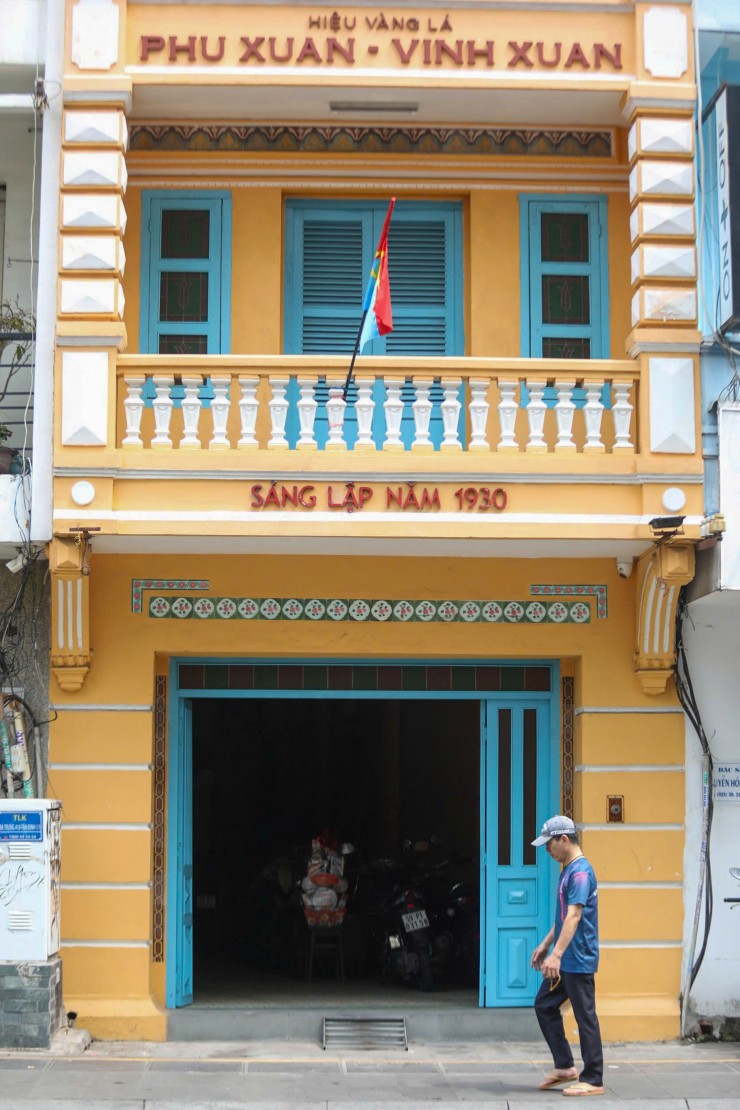
Previously, this location housed the Phu Xuan - Vinh Xuan gold leaf shop, dating back to 1930. Later, it also served as an intelligence and communication base, contributing financially to the Saigon Special Forces.
This house still retains the underground cellars and vaults that contained documents, gold, and sheltered Viet Minh National Salvation cadres from the time of the resistance against the French to the resistance against the Americans.
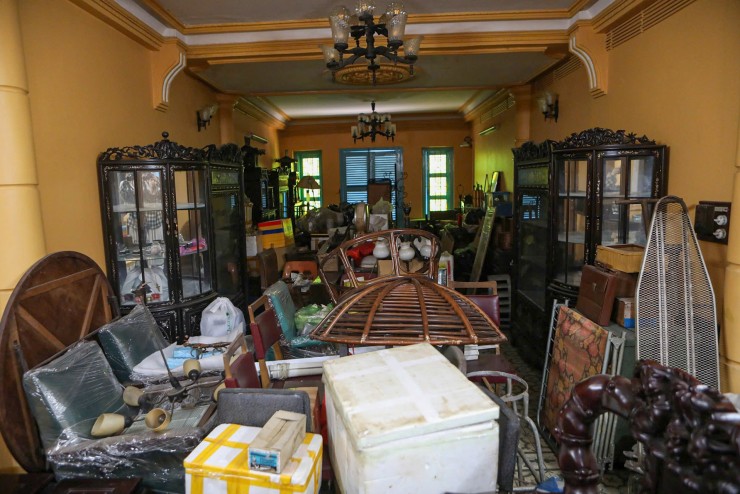
Currently, this historical site is undergoing restoration, aiming to recreate a historical period of Ho Chi Minh City.
One place that preserves the memory of the former Saigon commando soldiers is the house at 287/70 Nguyen Dinh Chieu Street, District 3.
This house was purchased by Mr. Tran Van Lai in 1966 and used as a secret weapons storage and a bunker for Saigon commandos.
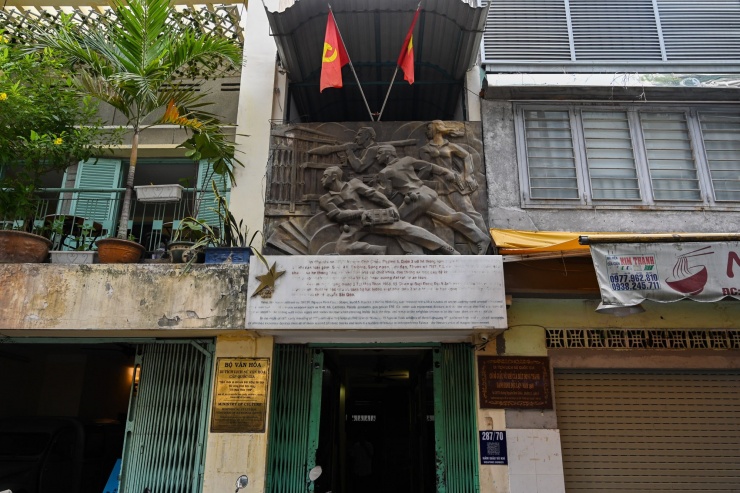
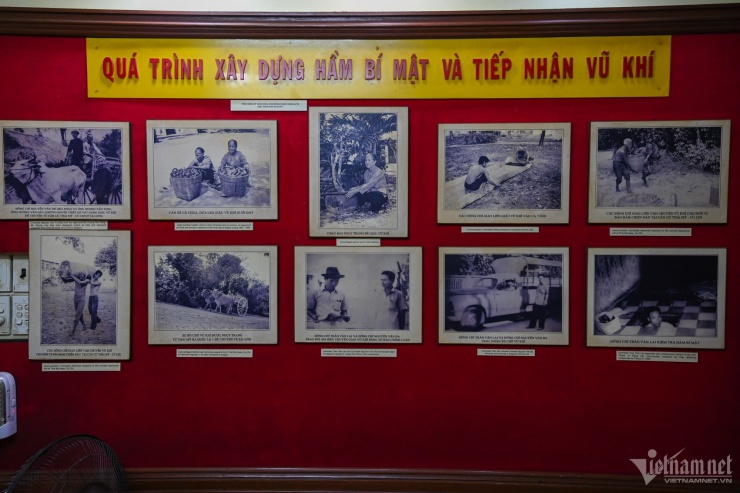
The house has an area of about 35 square meters. When he bought it, under the pretext of needing to dig a manhole for a toilet, Mr. Lai secretly built a basement, using it to transport weapons from the suburbs into Saigon and hide them there.
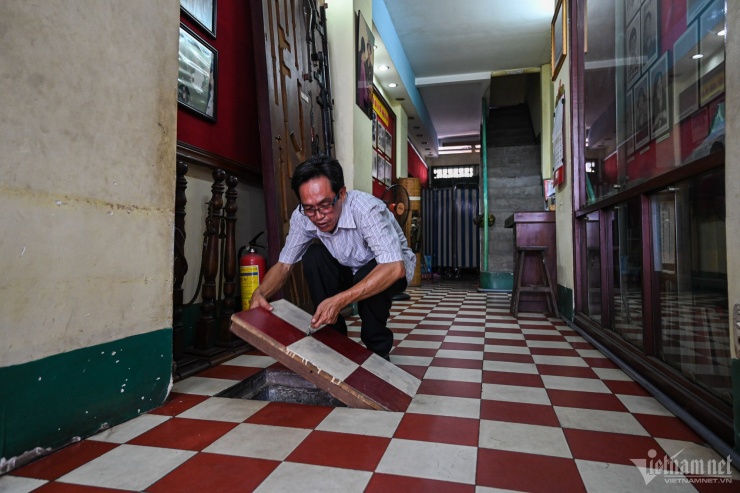
The entrance to the cellar was disguised to look exactly like a normal floor, making it very difficult to detect. The opening, 60cm long and 40cm wide, was located near the stairs, with a latch in the middle that could be lifted with a ring.
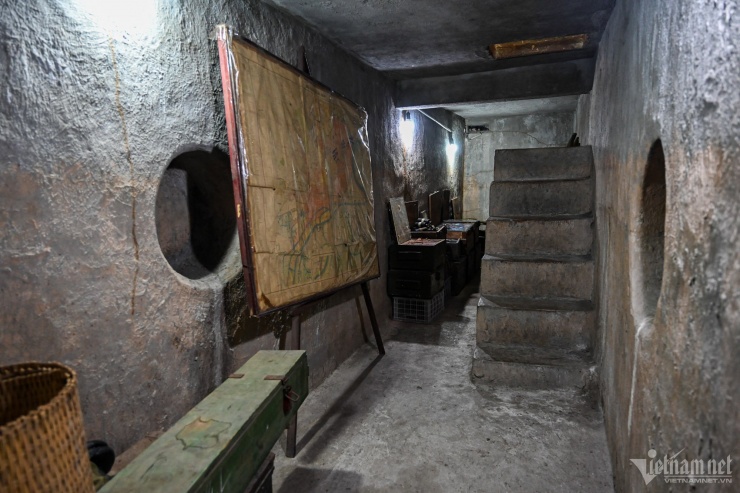
The underground bunker measures over 8 meters long, 2 meters wide, and 2.5 meters deep. Inside, it contains circular frames connected to drainage pipes for emergency escape.
After the Spring Offensive of 1968, the enemy sent men to bombard the house, suspecting it was a hideout for a commando unit. Later, the house fell into American hands, but they were unaware of the weapons bunker hidden beneath it.
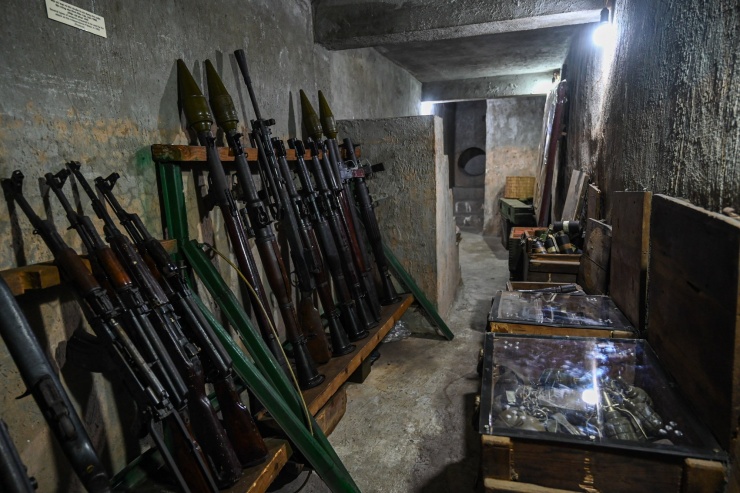
The bunker once housed over 350kg of TNT and C4 explosives, 15 AK rifles, and 3,000 rounds of ammunition, handguns, B40 rocket launchers, grenades, etc. Remarkably, the house was located right in the city center, just over 1km from the Independence Palace, yet all activities related to digging the bunker, transporting, and storing weapons were kept absolutely secret and secure.
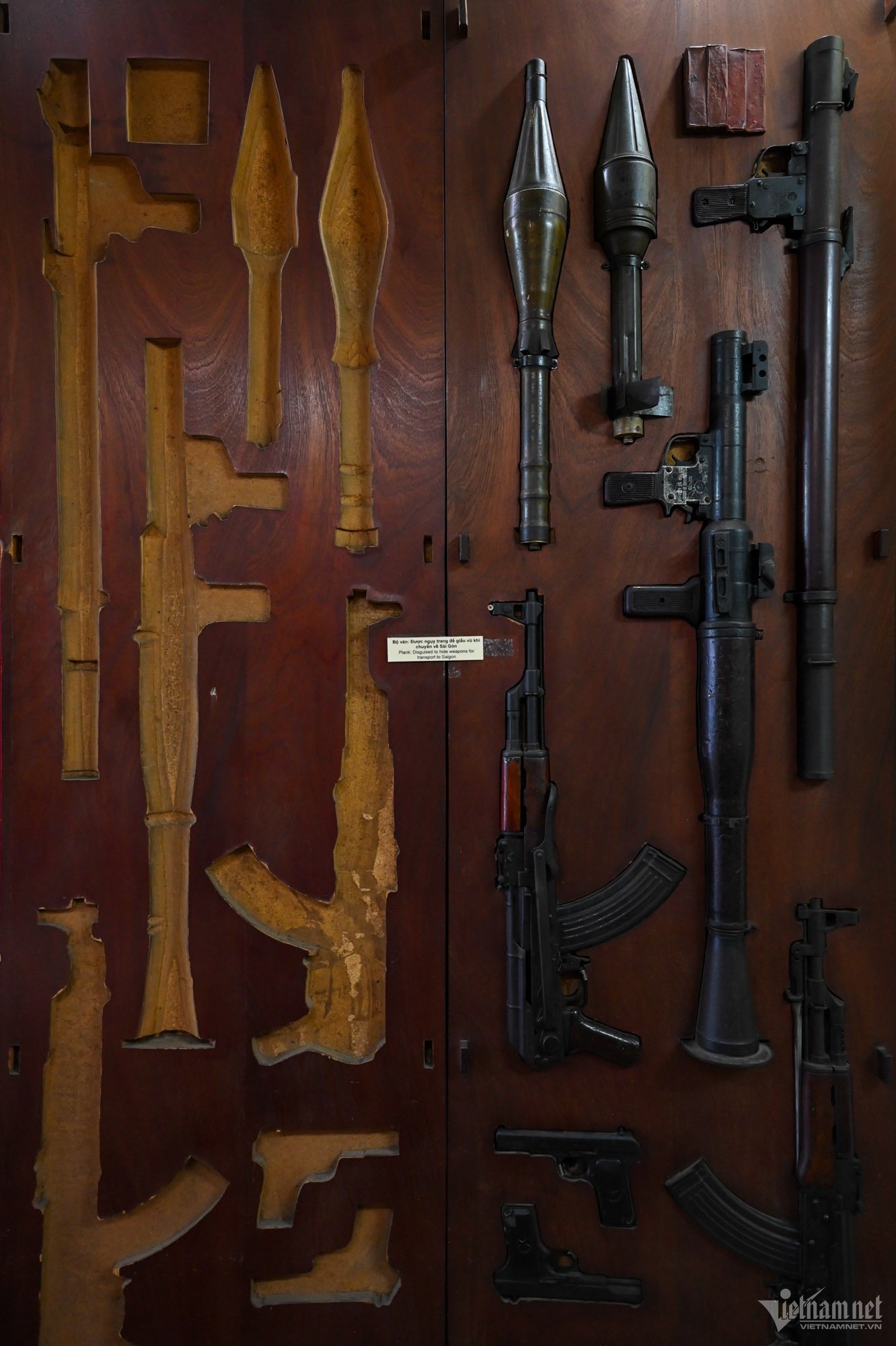
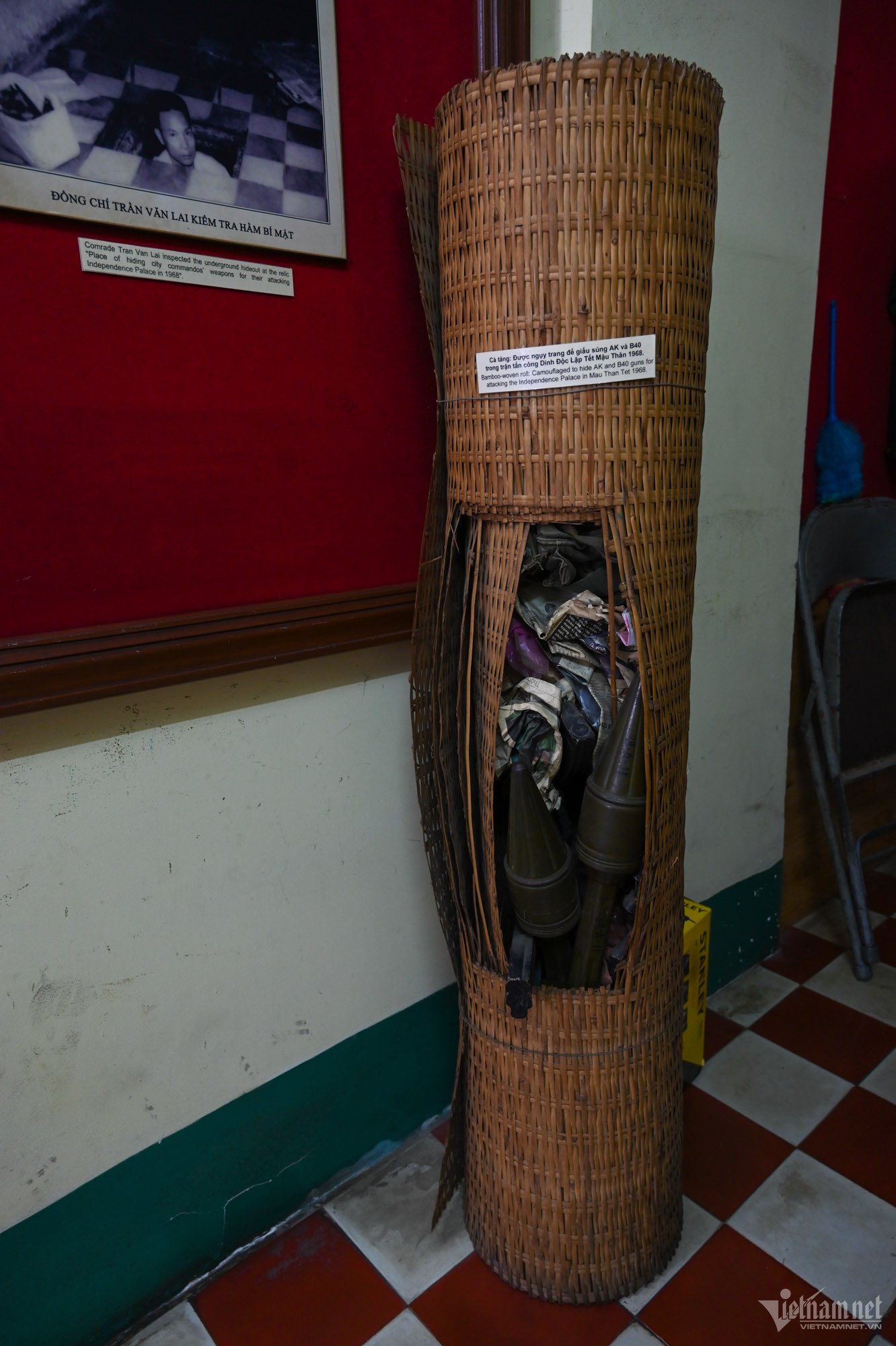
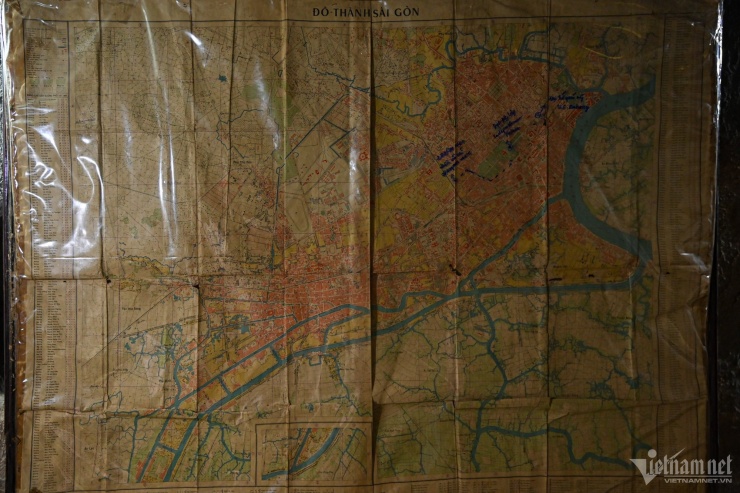
The Saigon Commando Weapons Storage Tunnel was recognized as a national historical and cultural relic in 1988.
In addition to the above locations, the chain of guerrilla-related relics also "extends" to the Citroen Garage at 499/20 Cach Mang Thang Tam Street, District 10; the Gio Long site at 166/8 Tac Xuat Street, Can Thanh town, Can Gio beachfront; and the villa where the interior of the Independence Palace was renovated, with a secret underground tunnel system beneath the villa containing weapons and sheltering revolutionary cadres operating behind enemy lines before 1975 at 8 Nguyen Thi Huynh Street, Phu Nhuan District...
Visiting the museums and historical sites of the Saigon commando unit is not just a journey back to the past, but also a proud exploration of a period in the nation's history. Each story, each artifact, evokes emotion and gratitude for the commando soldiers who fought and sacrificed for the Fatherland.
According to Ngan Anh, Khanh Hoa, Nguyen Hue, Dao Phuong (vietnamnet.vn)
Source: https://vietnamnet.vn/bi-mat-can-ham-duoi-day-chiec-tu-quan-ao-cua-biet-dong-sai-gon-2385789.html
![[Photo] Prime Minister Pham Minh Chinh presides over a meeting on private sector economic development.](/_next/image?url=https%3A%2F%2Fvphoto.vietnam.vn%2Fthumb%2F1200x675%2Fvietnam%2Fresource%2FIMAGE%2F2025%2F12%2F20%2F1766237501876_thiet-ke-chua-co-ten-40-png.webp&w=3840&q=75)
![[Photo] Prime Minister Pham Minh Chinh presides over the conference announcing the establishment of the International Finance Centre in Vietnam.](/_next/image?url=https%3A%2F%2Fvphoto.vietnam.vn%2Fthumb%2F1200x675%2Fvietnam%2Fresource%2FIMAGE%2F2025%2F12%2F21%2F1766309817714_ndo_br_dsc-3400-jpg.webp&w=3840&q=75)





















































Comment (0)