

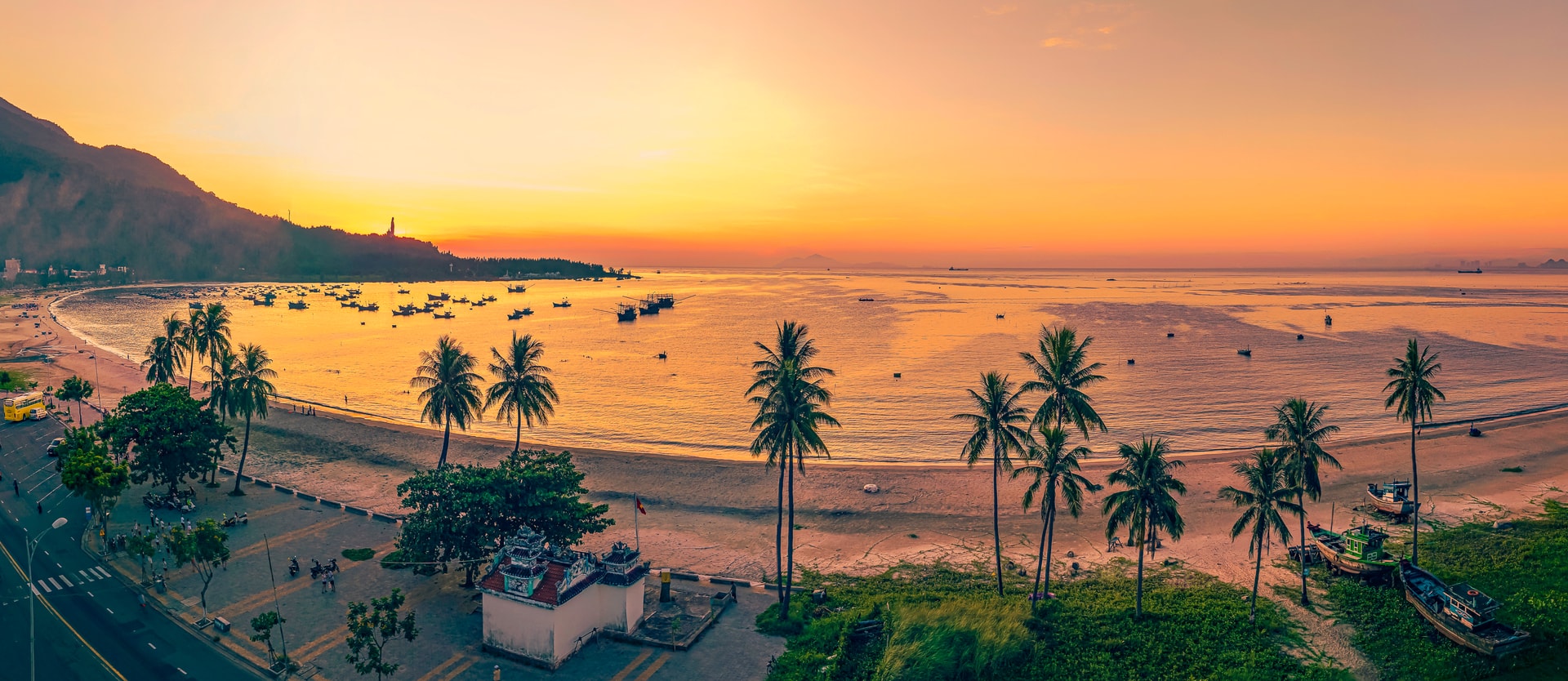
Throughout the nation's history, the sea has not only provided a source of livelihood for many generations of Vietnamese people, forming and preserving cultural "foundations" and "sediments," but it has also played a particularly important role in the southward expansion of the Vietnamese territory.
The sea in the southward migration of the Vietnamese people.
The southward expansion was a journey of territorial growth towards the south that spanned many centuries, from the Ly, Tran, Ho, and Le dynasties to the Nguyen lords and the Nguyen dynasty.
From the Red River Delta, the people of Dai Viet followed coastal and waterway routes, gradually moving south to Central Vietnam and then into Southern Vietnam, expanding their living and trading spaces and progressively shaping the territorial boundaries of Vietnam.
In this process, the sea played the role of a strategic corridor, helping the Vietnamese expand their living space and establish new trade networks.
From the 11th century, the conquests of Champa by King Ly Thai Tong (1044) and Ly Thanh Tong (1069) both used sea routes to transport military supplies and provisions.
In 1306, the marriage between King Chế Mân of Champa and Princess Huyền Trân of the Trần dynasty, along with the takeover of the two provinces of Ô and Lý, expanded the territorial and maritime areas of Đại Việt.
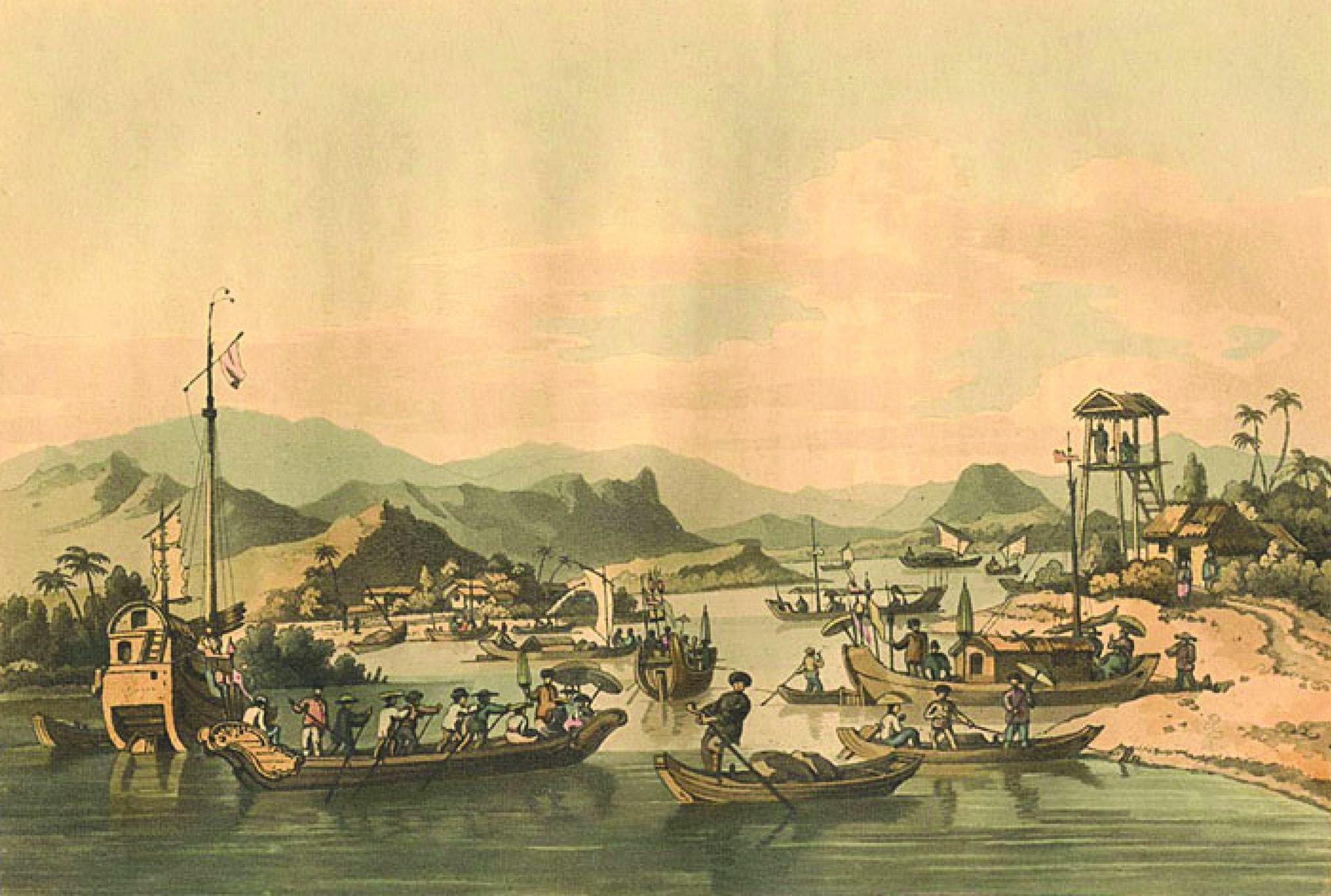
However, it was not until King Le Thanh Tong's "pacification of Champa" in 1471 that the Thuan-Quang region officially came under the control of Dai Viet. This was a crucial turning point that changed the political and demographic structure of the central coastal region.
During the Nguyen dynasty's rule over Dang Trong (1558-1775), the role of the sea became increasingly prominent. From the time they took control of Thuan Hoa in 1558, Nguyen Hoang and subsequent Nguyen lords developed Dang Trong into a maritime region, promoting the exploitation of marine resources, developing trade, and establishing sovereignty over the East Sea.
Lord Nguyen also established the Hoang Sa team, primarily composed of people from Binh Son - Cu Lao Re ( Quang Ngai ), who annually went to Hoang Sa to exploit resources, conduct surveys, draw maps, and assert sovereignty.
Many recent studies suggest that central Vietnam was once a "maritime geobody," where political and commercial centers were connected to a system of seaports and trading ports. The earlier development of Champa was also based on this maritime structure. As the Vietnamese migrated south, they inherited this maritime space to expand their settlements and trade.
The sea supports economic development and strengthens military capabilities.
The sea played a crucial role in the economic development of Dang Trong (Southern Vietnam) through foreign trade. Unlike the agricultural-oriented domestic economy of Dang Ngoai (Northern Vietnam), Dang Trong strongly developed maritime trade, trading with Japan, China, Southeast Asia, and the West.
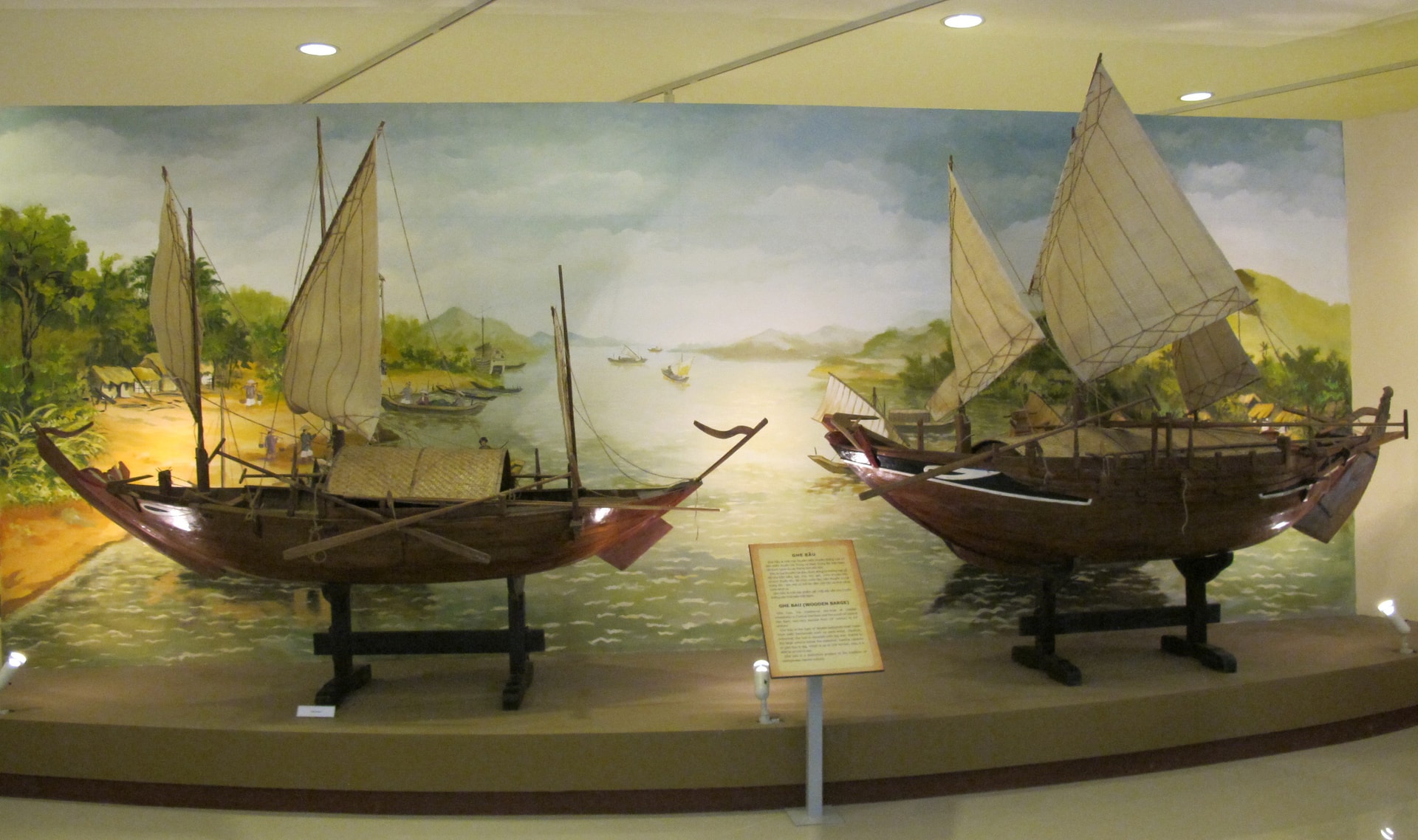
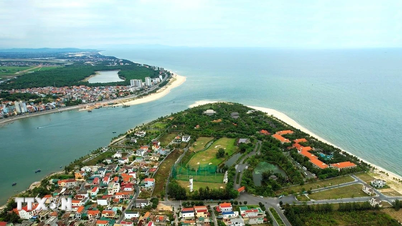
The Thanh Ha, Hoi An, and Nuoc Man ports along the central coast became bustling international trading centers during the 17th and early 18th centuries.
Trade connections between the coastal ports of Central Vietnam and trading ports in China, Japan, and Europe contributed to the formation of maritime trade routes such as the ceramics route, the spice route, and the rice route within the contemporary trans-Pacific trade network. Vietnamese people built ships for Chinese and Siamese merchants, transporting rice from Southern Vietnam to China.
The sea also played a crucial military role in the territorial expansion. The Nguyễn lords' fleets of warships and transport ships helped control the coastal region stretching from Thuận Hóa to Gia Định.
The southward expansion was not only about territorial growth but also involved exploiting marine resources, creating economic resources for the development of the Southern region and a counterweight to the Northern region.
Fishing, salt production, and maritime trade also contributed to the territorial expansion over many centuries.
The sea and cultural exchange
Beyond its roles as a means of transportation and military defense, the sea also serves as a cultural space. During the southward expansion of the Vietnamese, they came into contact with the Cham, Chinese, and indigenous communities along the coast, thus forming a unique maritime culture in Central and Southern Vietnam.
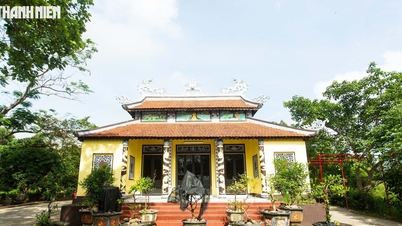
Many beliefs related to the sea, such as the worship of the Whale God, the worship of Thien YA Na, and the Fishing Festival, combine Vietnamese elements with influences from the Cham people.
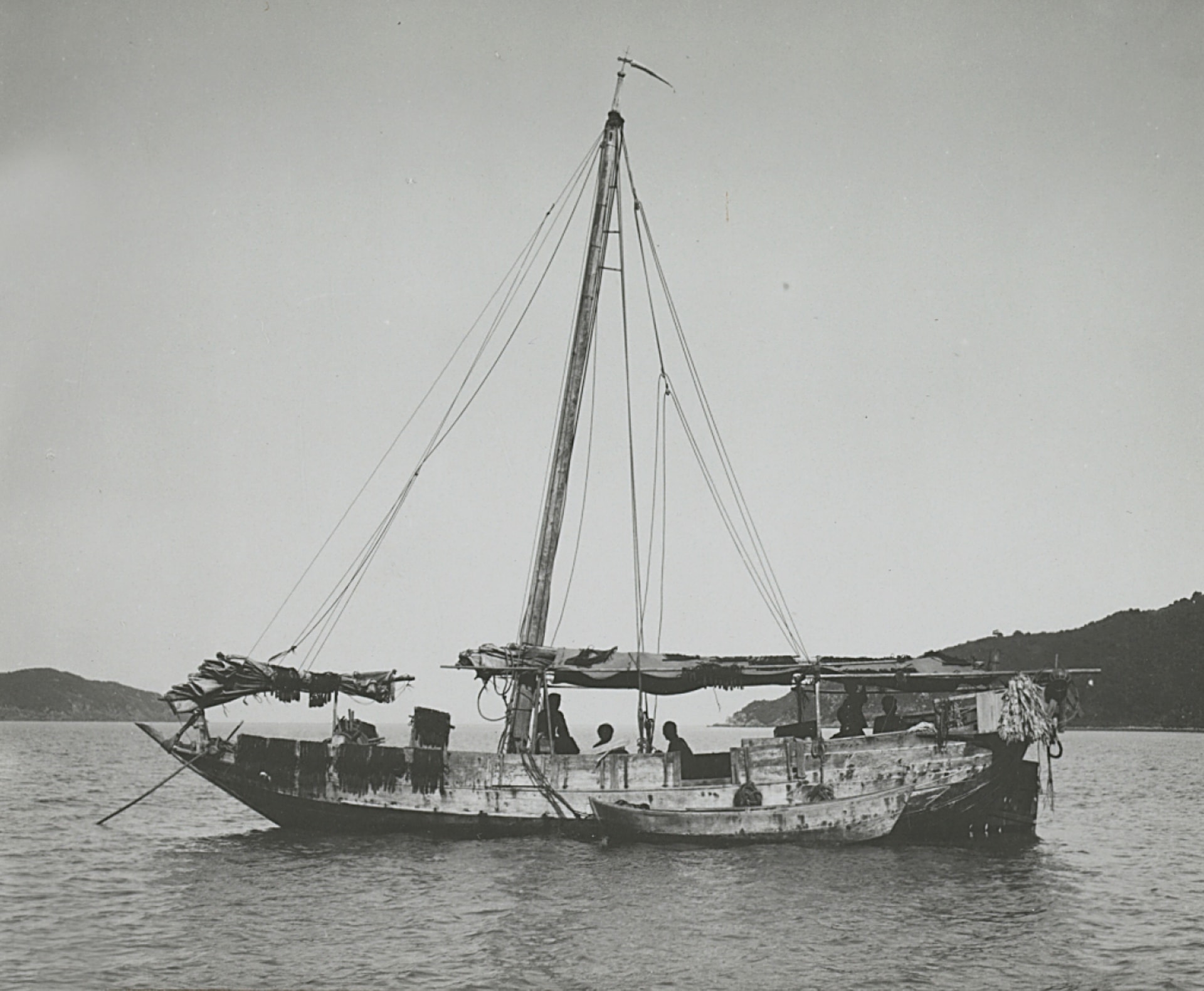
Maritime trade also fostered cultural exchange. The Vietnamese inherited much of the maritime experience of the Cham people, who were renowned as a powerful seafaring nation in Southeast Asian history. The traditional boats of Central Vietnam are believed to have inherited Champa shipbuilding techniques.
Besides the trend of "Vietnamization," Vietnamese culture in Central Vietnam was also influenced in return by Cham culture. This shows that Vietnamese culture is not a closed entity but is always evolving through interaction and transformation. The sea, therefore, was not only a route supporting southward expansion but also an environment that shaped the cultural identity and development model of the new land.
The sea played a central role in the Vietnamese people's territorial expansion. The maritime environment facilitated the continuous southward migration over centuries, fostering the formation of coastal communities and expanding trade with the region.
Without a coastline, the Vietnamese people's expansion could hardly have occurred so quickly and continuously to form a unified and complete territory like Vietnam today.
Source: https://baodanang.vn/bien-trong-hanh-trinh-mo-coi-3339063.html
![[Photo] General Secretary and President To Lam presides over a meeting with the Central Organizing Committee.](https://vphoto.vietnam.vn/thumb/1200x675/vietnam/resource/IMAGE/2026/06/03/1780482764658_a1-bnd-4741-3342-jpg.webp)
![[Photo] Secretary of the National Assembly Party Committee, Chairman of the National Assembly presides over the meeting of the Standing Committee and Executive Committee of the National Assembly Party Committee.](https://vphoto.vietnam.vn/thumb/1200x675/vietnam/resource/IMAGE/2026/06/03/1780480353201_ndo_br_bnd-2585-jpg.webp)




















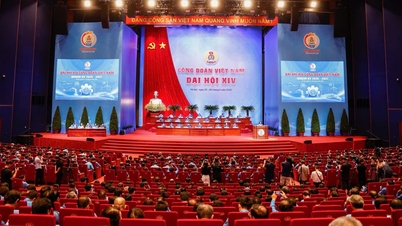
![[Photo] First session of the 14th Congress of the Vietnam Trade Union](https://vphoto.vietnam.vn/thumb/1200x675/vietnam/resource/IMAGE/2026/06/03/1780465947883_ndo_br_img-3852-jpg.webp)
















![[Video] Sunset at Lap An Lagoon – Where the sun sets over the fishing nets](https://vphoto.vietnam.vn/thumb/1200x675/vietnam/resource/IMAGE/2026/05/31/1780192137701_beach-landscape-sea-water-nature-grass-745871-pxhere-com.jpeg)

















Comment (0)