

Amidst escalating global tensions, Russia's unprecedented, surprise nuclear exercise in mid-May 2026 delivered a direct warning to Western military circles.
No longer confined to tactical simulation scenarios, the Kremlin has officially activated the full destructive power of its ' nuclear triad ' on all three fronts: land, sea, and air.
Let's take a closer look at the breathtaking technical specifications and technological secrets behind the doomsday weapons recently showcased by Russia.
Russia conducts large-scale nuclear exercises, deploying 64,000 troops and 7,800 pieces of equipment. Video : Kompas.com
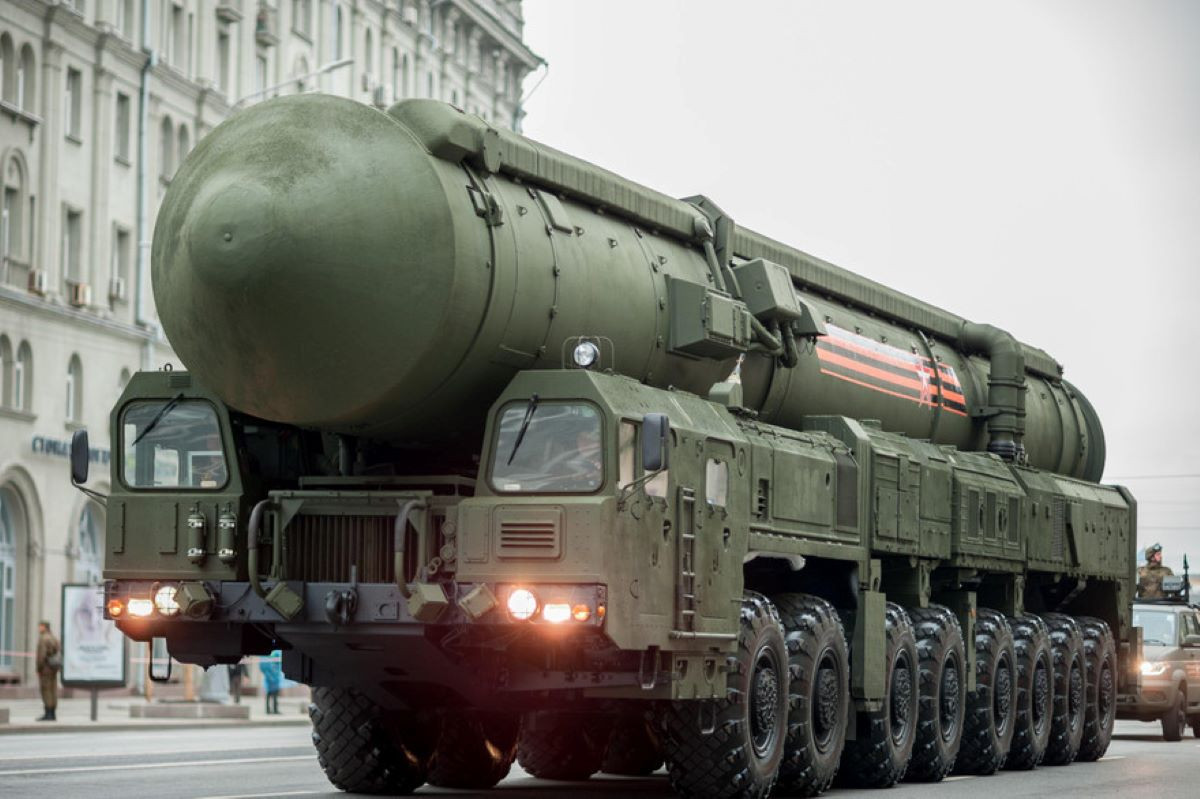
Yars RS-24 intercontinental ballistic missile (ICBM). Video: Newsn9ne
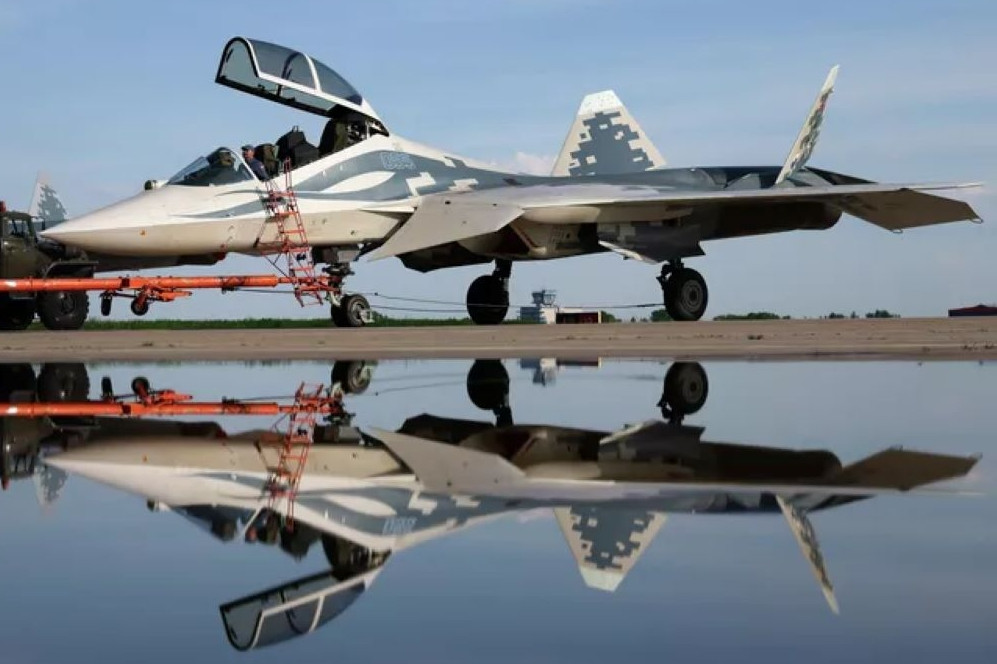
The event, which took place from May 19-21, 2026, marked an incredible milestone as the Russian Ministry of Defense mobilized a massive force of over 64,000 servicemen, hundreds of mobile launch platforms, and numerous strategic submarines to participate in the transition to combat readiness.

International military experts were taken by surprise because this exercise, which was initially scheduled as a tactical nuclear drill in coordination with Belarus, quickly escalated into a full-scale operation involving strategic forces.
This is a strong affirmation of Russia's comprehensive nuclear counterattack capabilities, achieved through a seamless combination of traditional heavy-duty mechanical technology and next-generation hypersonic guidance solutions.
The centerpiece of Russia's ground-based deterrence in this exercise is the 'mobile monster' RS-24 Yars missile , the backbone intercontinental ballistic missile (ICBM) system of the Strategic Missile Forces.
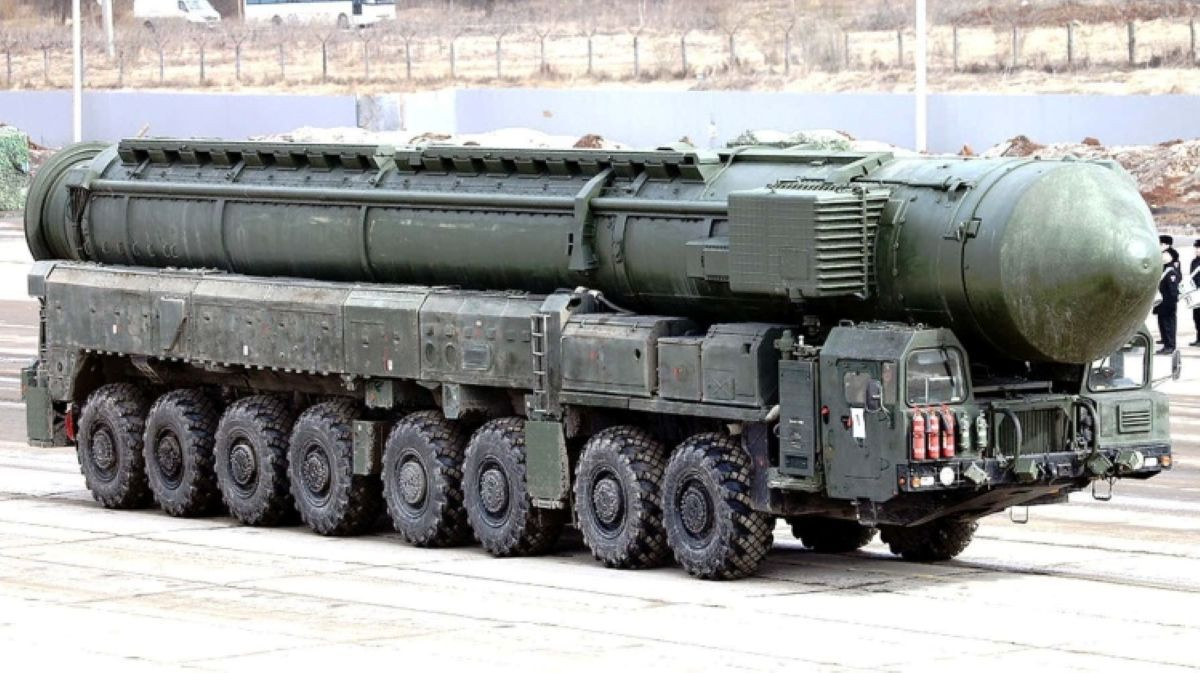
Launched from the Plesetsk cosmodrome and striking its target in the remote Kamchatka Peninsula, the RS-24 Yars missile boasts an incredible range of up to 12,000 km, allowing it to cover the entire enemy continent.

The core danger of the RS-24 Yars missile lies in its MIRV (Multiple Independently Targetable Reentry Vehicle) technology, meaning a single missile can carry up to four nuclear warheads, each with a destructive power of up to 500 kilotons, which automatically separate to attack different targets in the final stage.
Combined with its 8-axle wheeled mobile launcher capable of maneuvering across complex terrain, the RS-24 Yars missile can easily hide in Russia's deep forests, making it an almost impossible target to neutralize in a preemptive strike, ensuring Moscow's devastating nuclear retaliation capability.
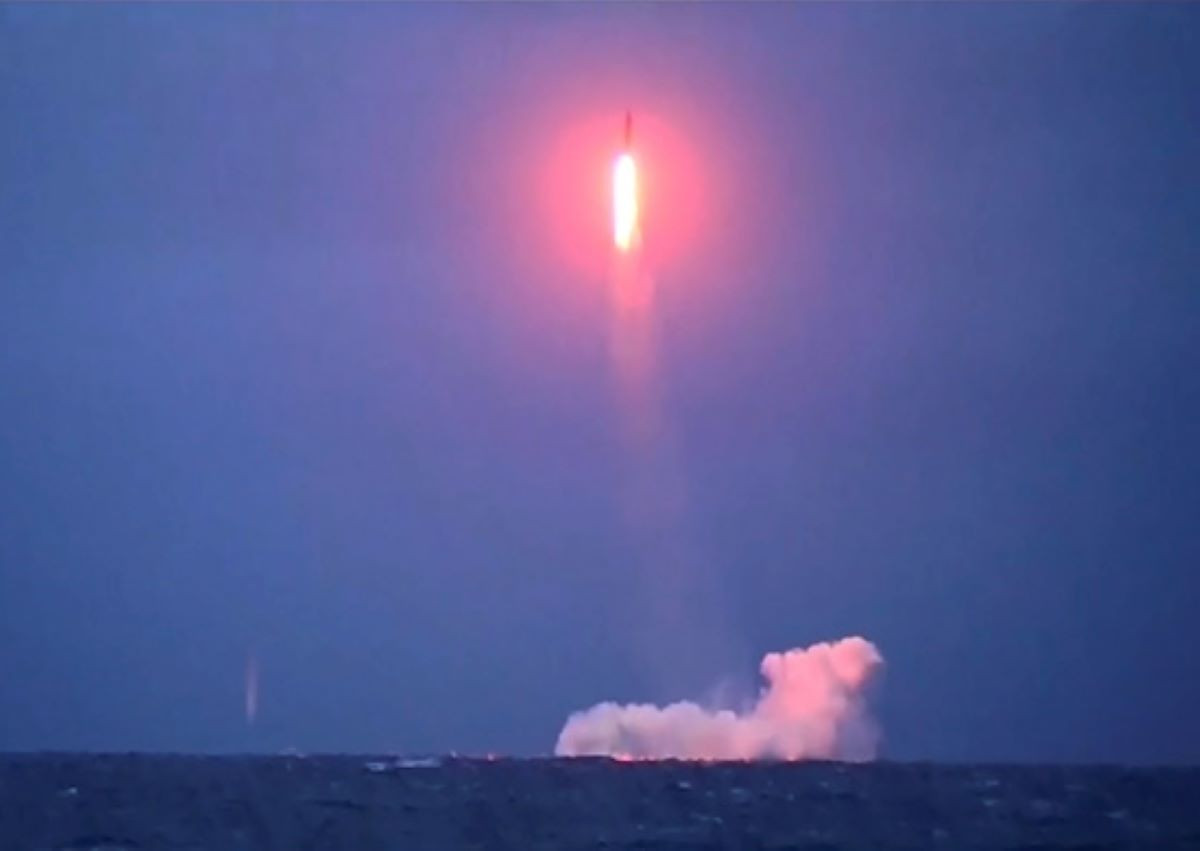
Beneath the ocean's surface, the second pillar of Russia's nuclear triad has demonstrated remarkable resilience with the emergence of new-generation strategic nuclear submarines.

Most notably, there are the Borei-A class submarine named Emperor Alexander III of the Pacific Fleet and the Delta-IV class submarine of the Northern Fleet.
These submarines act as mobile stealth fortresses in the deep sea thanks to their sound-absorbing rubber hull technology and advanced waterjet propulsion systems that minimize operational noise.
During the exercise, Russia successfully launched an R-29RMU2 Sineva ballistic missile from a submerged position beneath the Arctic ice.
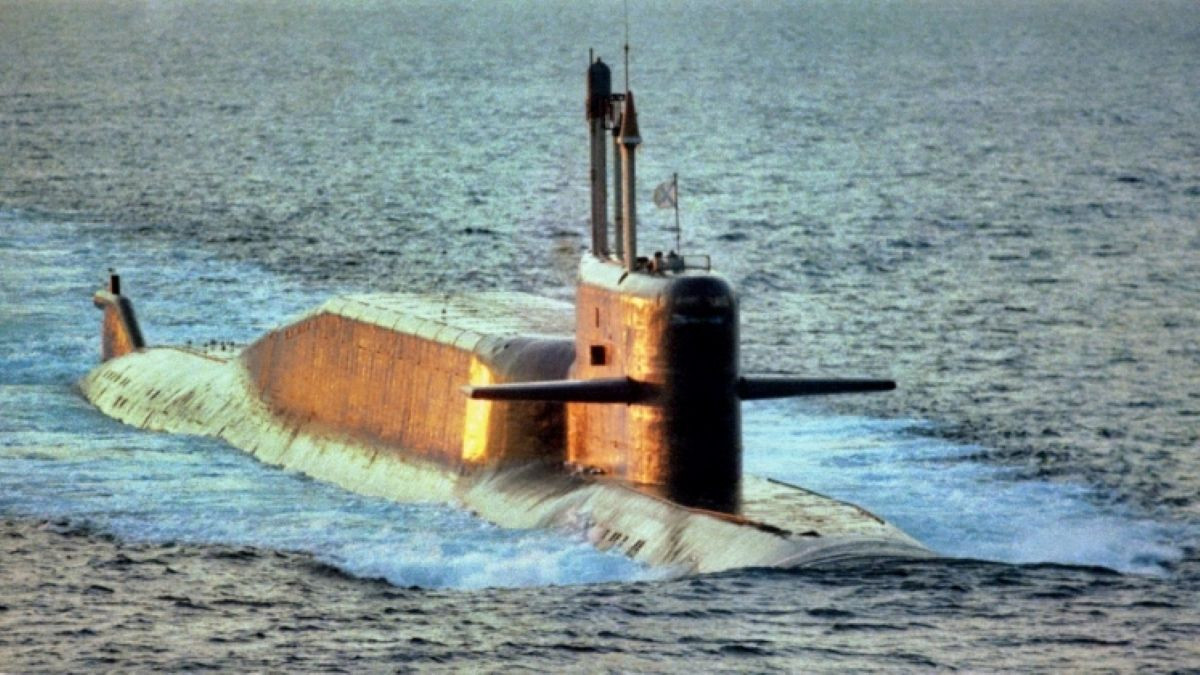
The Sineva is a liquid-fueled missile with a range exceeding 11,500 km, carrying a sophisticated decoy system to deceive enemy missile defense networks, turning each Russian submarine into a mobile weapons depot capable of destroying dozens of major cities in minutes from unexpected locations.

The final piece completing this deadly pincer movement is the Long-Range Air Force Command, with the coordinated operations of the Tu-95MS "flying fortresses" and MiG-31K interceptor fighters.
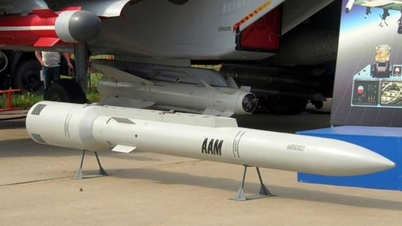
Despite their classic design, the Tu-95MS strategic bombers have proven to remain effective launch platforms thanks to their ability to carry Kh-102 stealth cruise missiles from thousands of kilometers away, beyond the range of enemy air defenses.
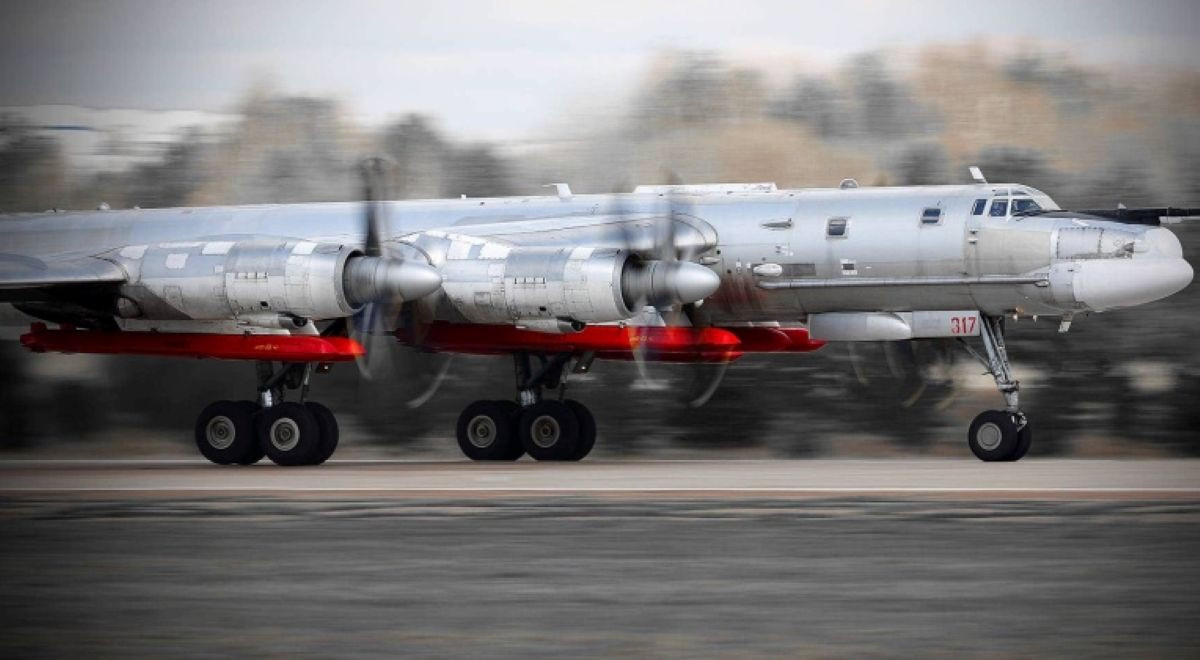
The Kh-102 uses miniature turbofan engines, flies at extremely low altitudes, and follows the terrain to avoid radar detection, resulting in minimal target error.
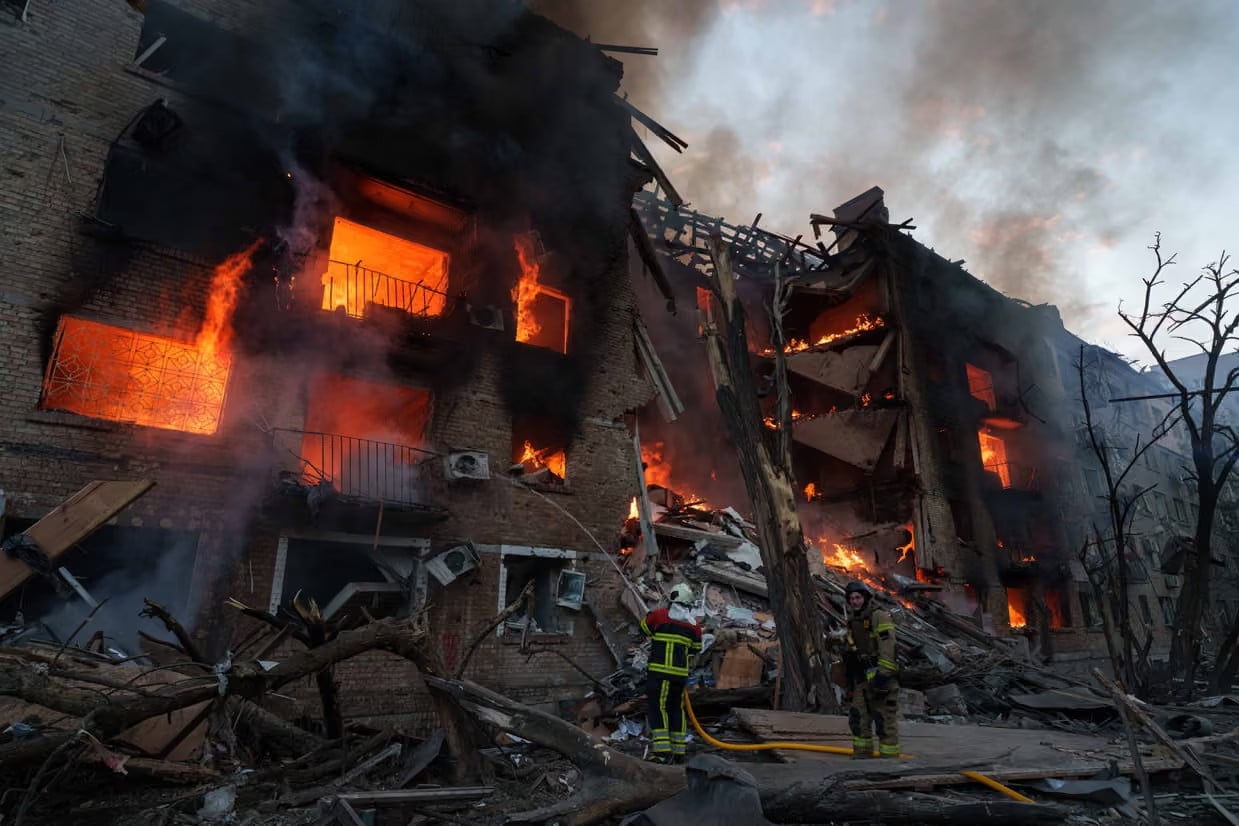
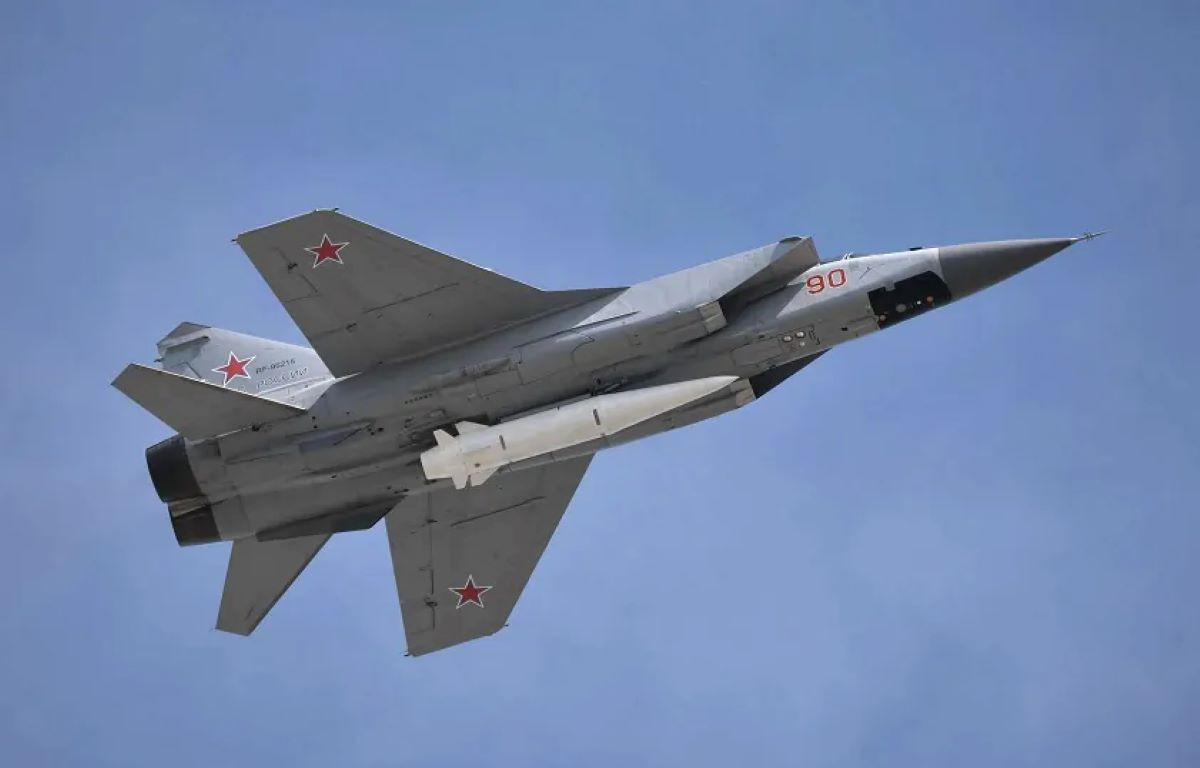
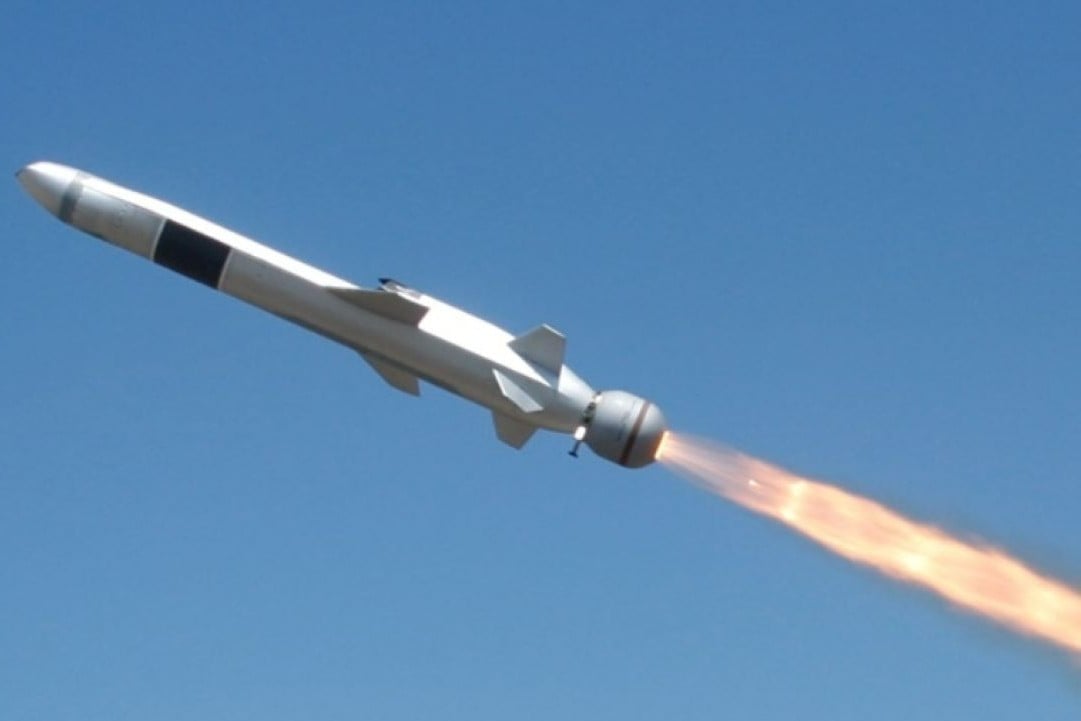
However, the focus of attention in the military technology community has been the appearance of the Kh-47M2 Kinzhal hypersonic missile launched from the MiG-31K fighter jet.
With a maximum flight speed of up to Mach 10, ten times the speed of sound, combined with the ability to maneuver flexibly throughout its approach to the target, Kinzhal poses an insurmountable technical challenge to any current Western Patriot or Aegis defense system, turning tactical nuclear warheads into unstoppable arrows.
The perfect combination of the intercontinental range of ground-based missile forces, the stealth capabilities of nuclear submarines at the bottom of the sea, and the uninterceptable speed of airborne hypersonic weapons has created a comprehensive deterrence posture.
The large-scale nuclear exercise from May 19-21, 2026, is not merely a routine training activity, but a testament to Russia's cutting-edge military science and technology.
By demonstrating that the entire command, warhead reception, and live-fire launch systems of the three pillars of the nuclear arsenal functioned smoothly under emergency alert, Russia sent a clear message that any external attempts at deterrence or military intervention would face an impenetrable and impenetrable nuclear technology firewall.
(According to interfax.ru, vedomosti.ru, svoboda.org, militarywatchmagazine.com, thebarentsobserver.com, cbsnews.com, navalinstitute.com.au)
Source: https://vietnamnet.vn/bo-ba-hat-nhan-nga-khai-hoa-khien-my-nato-phai-nin-tho-2518775.html




































































































Comment (0)