

 |
Many new policies in the Law on Disease Prevention will come into effect from July 1st. Photo: Duy Hieu . |
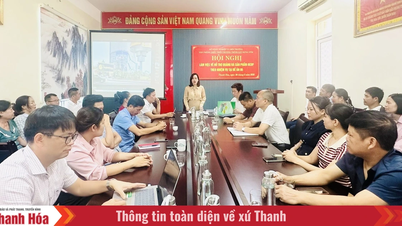
At the conference guiding the implementation of several articles of the Law on Disease Prevention, Dr. Hoang Minh Duc, Director of the Department of Disease Prevention ( Ministry of Health ), stated that the decrees guiding the law this time contain many new points, focusing on strengthening school health, disease prevention and control, immunization, developing preventive health personnel, and perfecting the financial mechanism for the field of disease prevention.
No more "declaring an epidemic".
Regarding infectious disease prevention and control, Mr. Duc emphasized an important change: from July 1st onwards, the practice of "declaring an epidemic" as before will no longer be implemented.
Accordingly, if the epidemic remains under the control of the health sector, the specialized agency will proactively provide information and organize appropriate epidemic control measures.
In the event that an outbreak exceeds the healthcare system's response capacity, handling will be carried out according to the levels of the Civil Defense Law.
Before the (new) Law on Disease Prevention came into effect, Vietnam applied the mechanism of "declaring an epidemic" and "declaring the end of an epidemic" according to the Law on Prevention and Control of Infectious Diseases 2007.
The Law on Disease Prevention also clearly defines the responsibilities of the state budget in the field of disease prevention. Accordingly, the State ensures investment and recurrent expenditures for the preventive health care system.
Notably, from July 1st, the state budget will guarantee 100% of the regular operating costs of preventive health care facilities, including salaries, allowances, professional incentives, and contributions as stipulated.
The Disease Prevention Fund (inherited from the Tobacco Harm Prevention Fund) will continue to expand its scope of operation.
This fund is expected to support various initiatives such as screening, routine health check-ups, nutrition, prevention of mental health disorders and non-communicable diseases, and scholarships for students studying preventive medicine, public health, and nutrition.
Providing scholarships for preventive healthcare personnel.
According to Mr. Hoang Minh Duc, the new law introduces policies to support and provide scholarships for undergraduate and postgraduate students in the fields of preventive medicine, public health, and nutrition.
Eligible recipients include students and trainees in bachelor's, doctoral, master's, and doctoral programs at state-run health-related educational institutions. Those with academic and training results rated as "good" or higher and who have not received any disciplinary action at the level of reprimand or higher will be considered for academic achievement scholarships.
For the private sector, the awarding of scholarships to encourage academic achievement is carried out according to current regulations.
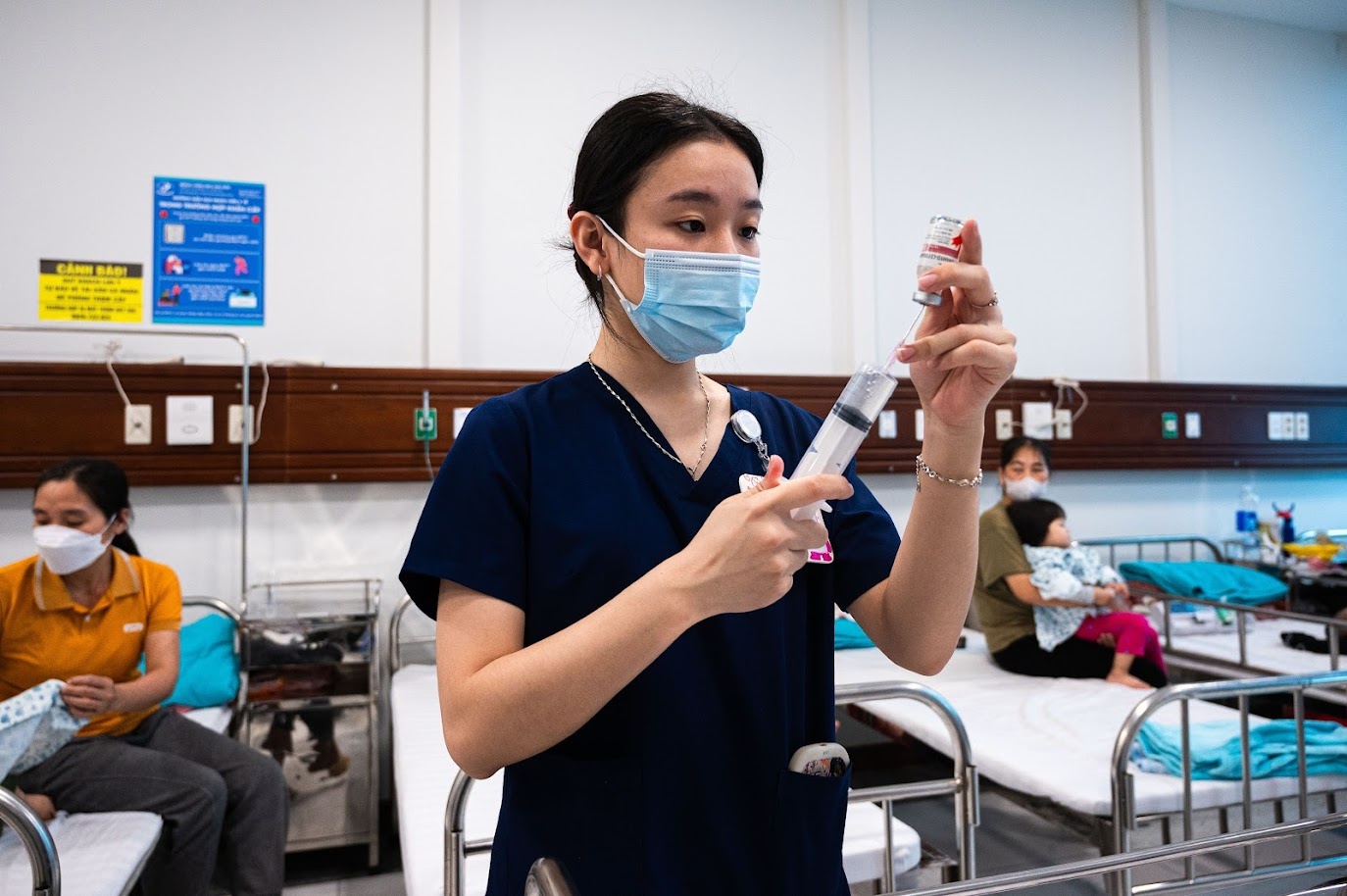 |
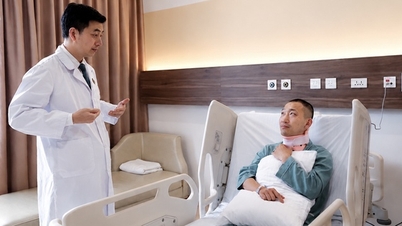
The new Law on Disease Prevention is expected to improve the capacity for early and proactive disease prevention. Photo: Dinh Ha. |
For postgraduate studies, students in master's and doctoral programs in preventive medicine, epidemiology, and field epidemiology at public educational institutions will receive full tuition and living expense support from the State.
In particular, trainees working at commune health stations and preventive health facilities in border areas, islands, ethnic minority regions, mountainous areas, and areas facing extreme difficulties will be eligible for policy-based scholarships.
In addition, the State also encourages organizations and individuals to participate in providing scholarships or financial support to students and trainees in this field.
Regarding school health, educational institutions will be required to conduct health checks for all students at the beginning of the school year, as per regulations.
The school is also responsible for coordinating with the commune health station or medical facility to organize annual health check-ups and disease screenings.
For preschool and primary school students upon enrollment, educational institutions must review their vaccination history. Based on this, the school, in coordination with local health authorities, will develop a plan for catch-up and supplementary vaccinations for children who have not received all the necessary vaccinations under the Expanded Immunization Program.
Source: https://znews.vn/bo-cong-bo-dich-tu-ngay-17-post1654509.html




![[Photo] General Secretary and President To Lam presides over the meeting to approve the draft report on the results of the second inspection by the Politburo of the Standing Committee of the Hanoi City Party Committee.](https://vphoto.vietnam.vn/thumb/1200x675/vietnam/resource/IMAGE/2026/05/26/1779789811432_a2-bnd-4430-9620-jpg.webp)










































































Comment (0)