

The world experienced a year full of upheaval and challenges, with a mix of bright and dark aspects across various fields.
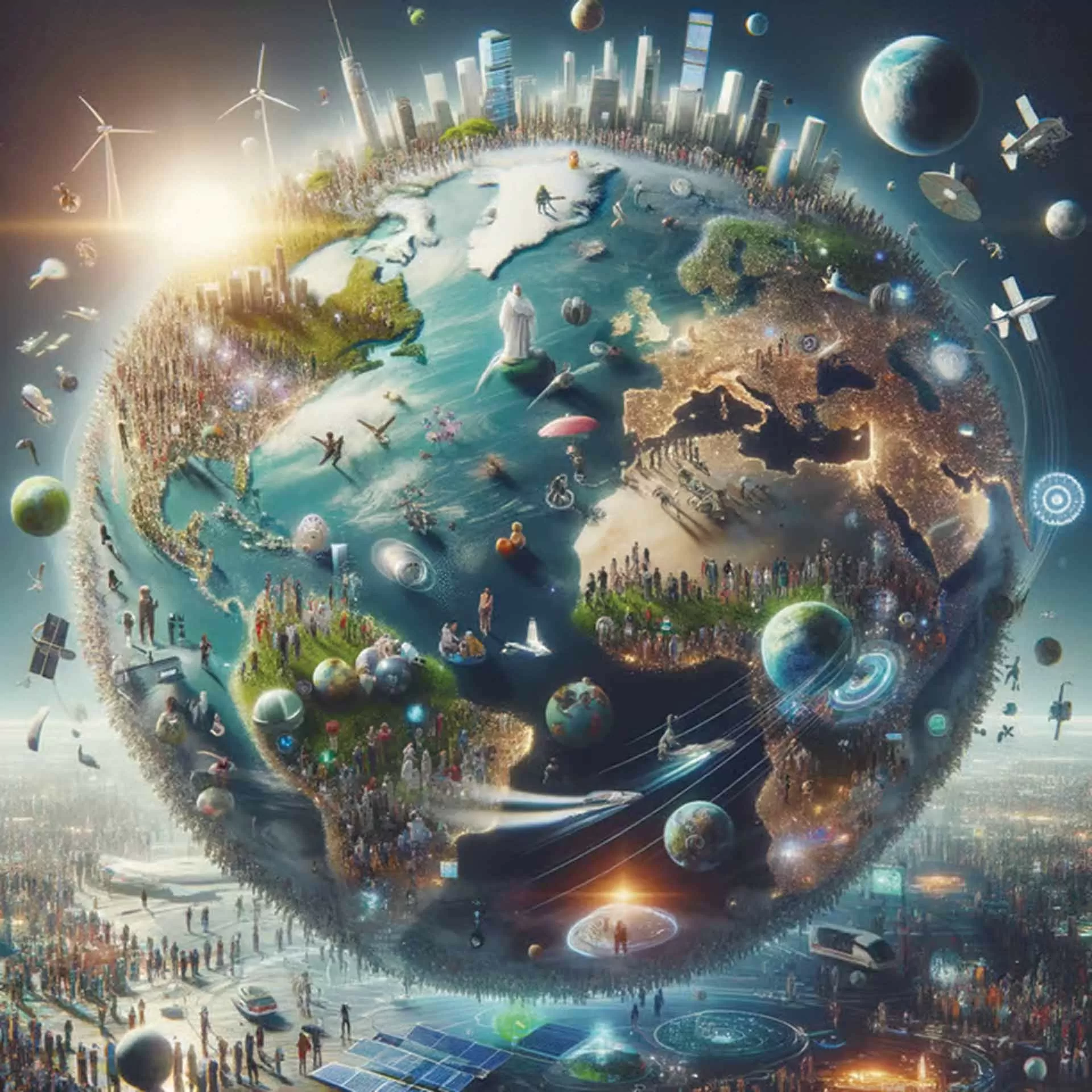 |
| The world is about to enter 2025 with both new and old challenges. (Source: easy-peasy.ai) |
Prolonged conflict
The Russia-Ukraine conflict is escalating with reciprocal exchanges of modern weapons on a larger scale. Ukraine is using ATAMCS (US) and Storm Shadow (UK) long-range missiles to strike deep into Russian territory; launching a multi-target attack on Kursk… The US and the West are becoming increasingly involved, widespread and direct. The battlefield advantage is shifting towards Moscow, and the prospect of Kyiv's inability to win is becoming clearer. Both internally and externally, there is talk of negotiations, but the preconditions and strategic calculations are insurmountable obstacles, unless there is a military or political breakthrough.
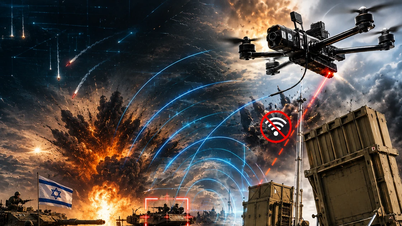
Fierce fighting in the Gaza Strip, expanding into the West Bank and spreading to Lebanon, has triggered dangerous retaliations between Israel and Iran… Ceasefire agreements have been reached, but they are too fragile; fighting continues with no end in sight. The Syrian government collapsed in just 11 days, signaling an uncertain future due to internal conflict and external intervention. The US, Israel, and their allies are creating a new order under their control, but contradictions remain, and the Middle East continues to be a hotbed of conflict.
The simmering tensions on the Korean Peninsula have dangerously escalated in both statements and actions. Both sides have declared they are abandoning any intention of mending relations, increasing military exercises, conducting missile tests, and expanding military cooperation with allies… leading to a dangerous arms race in the region. The risk of instability remains latent in the Taiwan Strait, the South China Sea, and other areas.
In 2024, the conflict escalated to its peak, at times teetering on the brink of war. Although the parties involved exercised restraint and avoided escalating to the highest level, it still caused anxiety and apprehension worldwide. The conflict directly impacted politics, international relations, the economy, and many other issues.
Expanding the pool of forces
The US and its allies are using economic sanctions to continue encircling and isolating Russia from the world, thereby weakening China's power and influence. The US continues to strengthen its network of allies and partners; increasing the activity of multilateral sub-mechanisms such as the Quad, AUKUS, and the US-Japan-South Korea triangle…
In contrast, Russia deepened its relations with China and upgraded its relationship with North Korea to a strategic partnership. Moscow and Beijing strengthened ties with partners in Asia and Africa, elevating the BRICS bloc.
The intertwining and transformation within these power blocs is becoming more apparent. Some European countries have shifted from absolute support for sanctions against Russia and the US-China economic confrontation to abstaining, supporting dialogue, or seeking ways to avoid conflict. India and many other countries continue to cooperate with Russia, China, and the US.
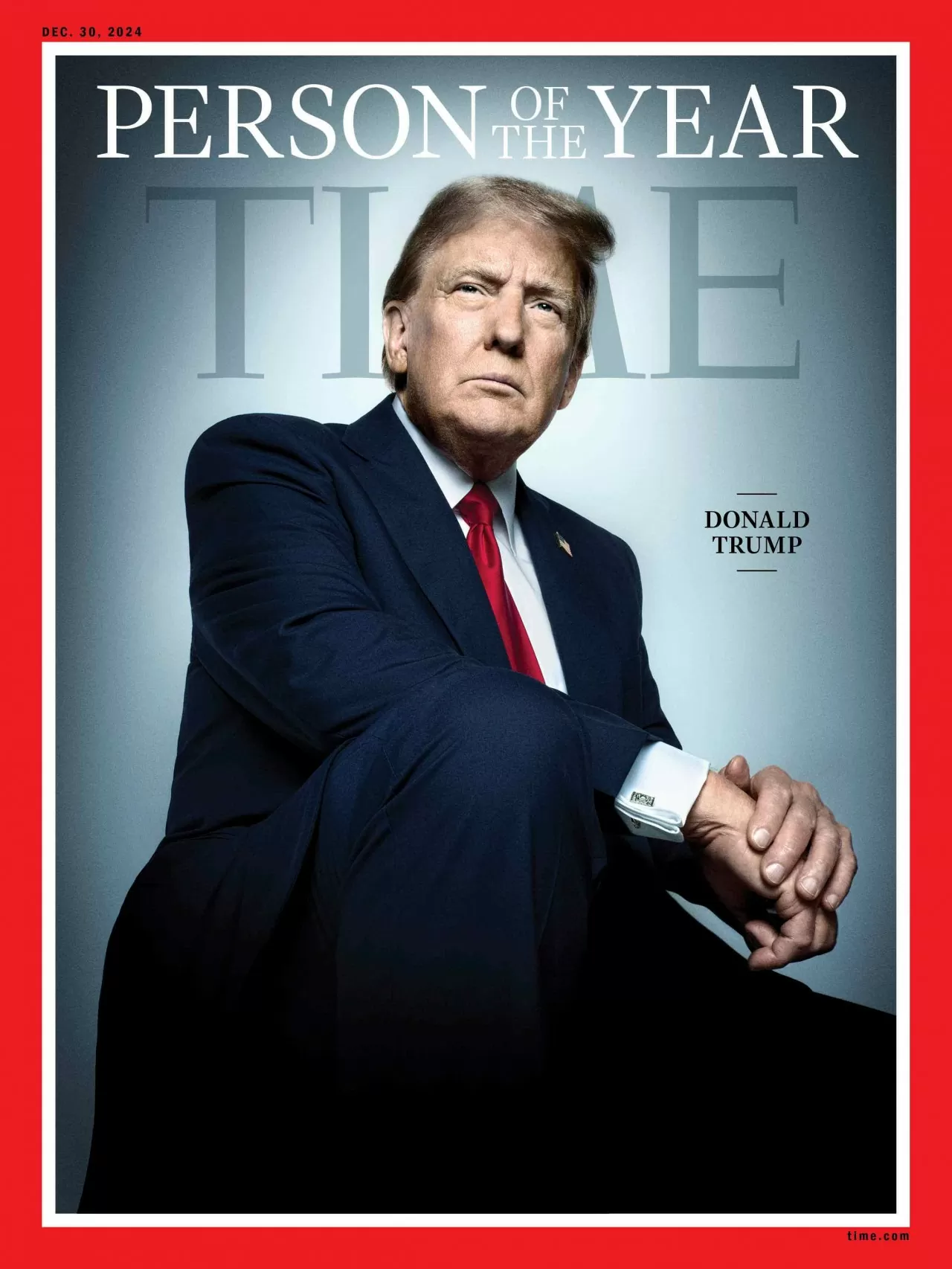 |
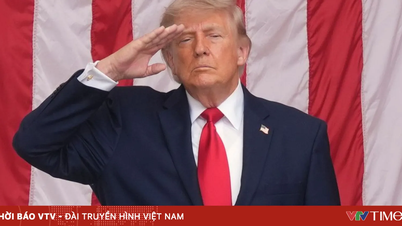
| Donald Trump is Time's choice for Person of the Year 2024. (Source: Time) |
Donald Trump's election as the 47th President of the United States was a surprise, marking a turning point in American politics, the economy, and foreign policy. The derailment of Germany and France, the disruption of the EU train, and the resulting deviations in some carriages are consequences of Trump's economic policies, difficult living conditions, social instability, divisions, and the Ukraine crisis. The rise of far-right parties significantly impacts national policy and relations with other countries.
The multipolarization of international relations has become an irreversible trend; there is a stronger demand for reform of international institutions and the United Nations; and the voice of the Southern Hemisphere nations is becoming increasingly unified and influential… these are bright spots in a world of division, confrontation, and declining trust.
The economy is a mix of light and darkness.
The global economy is estimated to grow at a rate of 2.7%, with recovery in the US and China, and inflation under control… However, the Chinese economy is slowing down. European GDP is only at 1%, with the risk of recession in leading economies like Germany and France.
Despite tens of thousands of sanctions and conflicts, the Russian economy's GDP is estimated at nearly 4%, but it has experienced the rapid growth of a wartime economy, with inflation soaring to over 9%. Emerging and developing economies, concentrated in India, Southeast Asia, and North Africa (GDP exceeding 6%), have become the driving force of global economic growth, offering an interesting contrast to the gloomy outlook of developed countries.
Widespread and prolonged conflicts, increased sanctions, and protectionism – a "double-edged sword," an "energy shock" – have led to deep fragmentation of global supply chains and production chains, along with political and social instability, severely impacting the world economy.
 |
| The AI technology craze is driving growth in the semiconductor industry. |
Technology is the highlight.
The world is witnessing fierce competition in technology, especially chips, semiconductors, and artificial intelligence (AI), between the US and China, exacerbating fragmentation. However, due to essential needs and inherent strength, technology continues to develop and penetrate deeply into many fields.
Digital transformation is a hot topic in forums and parliaments. AI has become a transformative force in the global economy, deeply penetrating manufacturing, services, healthcare, education, arts, and defense and security, contributing to enhancing human capabilities and labor productivity. However, AI is also causing job losses. In particular, the penetration of AI into defense and the military poses unpredictable risks, especially in the field of nuclear weapons.
An unwanted record
Climate change is exacerbating the extreme nature of natural disasters with devastating storms, floods, droughts, wildfires, and the hottest summers in history, leaving the earth "suffocating." Superstorm Helene was the second deadliest storm in the US in the past 50 years. Vietnam alone has suffered nine storms, including Typhoon Yagi, the strongest in 70 years. As of early December, natural disasters have caused 514 deaths and disappearances, 2,207 injuries, and estimated total damage of nearly 90 trillion VND, more than nine times that of 2023.
Humanitarian disasters are escalating amidst fighting in the Middle East, Ukraine, and other hotspots. According to the United Nations, by October 2024, approximately 43,000 Palestinians and 1,200 Israelis will have been killed. Combating climate change has become a global issue. After two weeks of tense negotiations, the COP29 summit agreed to triple public funding for developing countries (to $300 billion per year) and reached a consensus on how carbon markets should operate… While implementation remains challenging, it also opens up opportunities for a greener future.
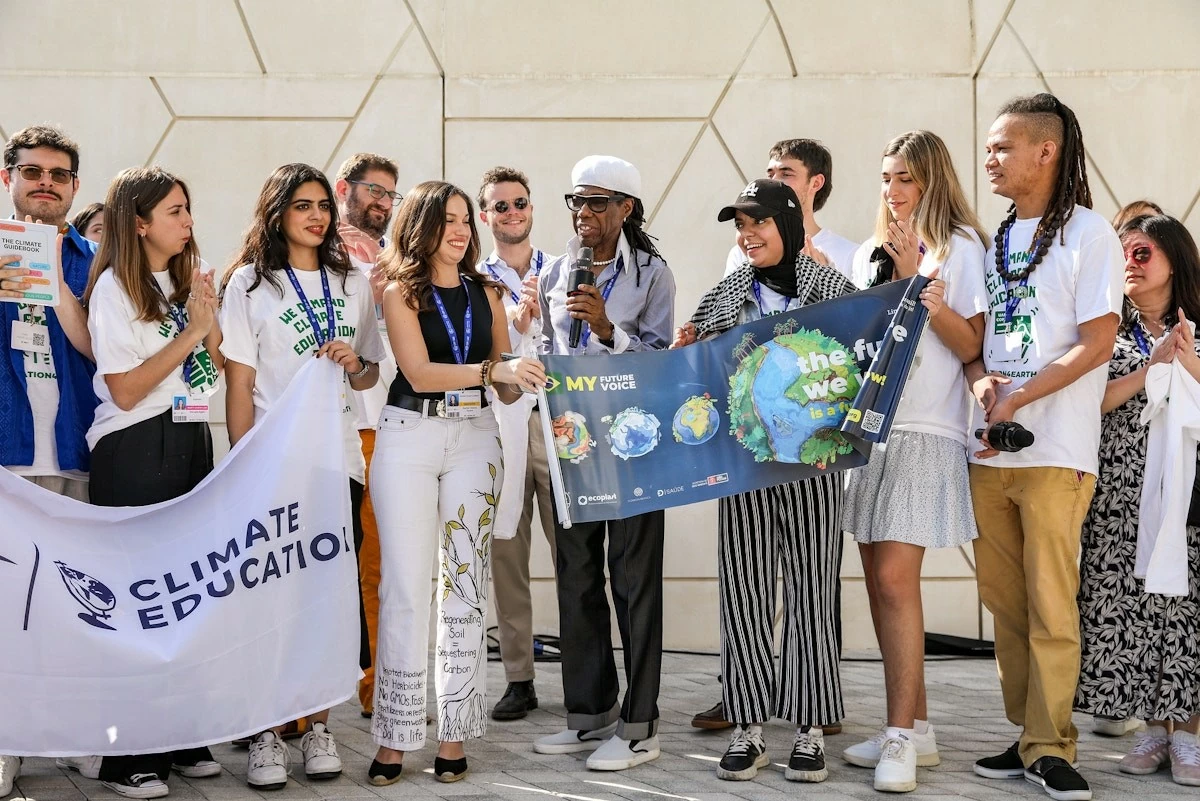 |
| The younger generation is increasingly taking the lead in driving climate action. (Source: COP28) |
Many issues have emerged.
Firstly, hotspots are not "disjointed"; the areas are interconnected and influence each other. The economy is profoundly influenced by conflicts and intense competition between major powers, and is a major factor leading to conflict. Many events may seem unexpected, but at their core, they are the result of a process, an interaction between internal and external factors. The main factor is geopolitical confrontation between various power groups and the ambitions of major powers.
Secondly, conflict and confrontation raise many complex issues regarding politics and international relations. These include understanding the relationship between the principle of respecting national independence and sovereignty and ensuring the security of neighboring countries; and the right to retaliate and the appropriate response…
Third, conflict and confrontation lead to strategic and policy adjustments. Most notably, adjustments to Russia's nuclear doctrine and the US nuclear deterrence strategy have increased the risk of nuclear war. The conflict in Ukraine shows signs of fatigue in the West and NATO. While the US was capable of simultaneously waging two major wars during the Cold War, many Western military experts acknowledge that Washington can now only handle one war.
The picture for next year
Conflict, geopolitical confrontation, power struggles in trade and technology, and shifts in US policy are the key factors shaping the world in 2025. The conflict in the Middle East shows no signs of abating; Israel, the US, and their allies dominate the landscape, but contradictions continue to mount.
The Russia-Ukraine conflict may have a turning point, offering a glimmer of opportunity, but it also harbors unpredictable developments. The US-China-Russia triangle remains a key factor influencing the global situation and international relations. The return of President Donald Trump has created significant upheaval in relations between the US and its adversaries and allies. Pressure and increased tariffs are important tools for Washington in both economic and conflict-related issues, including migration. The US President may have a different approach to the Russia-Ukraine conflict.
The US-China trade war will intensify. The EU faces more pressure from the US and may have to ease tensions with Russia and reduce economic conflicts with China.
The economy will maintain its growth rate at or slightly above that of 2024, depending on the course of conflicts, confrontations, the US-China trade war, and the leading economies. Emerging and developing economies continue to be the main drivers of global economic growth. The race to develop semiconductor chips and AI is intense, a core element for economic power and national defense and security, making the competition in this field, especially among major powers, even more fierce.
Vietnam's independent, self-reliant, diversified, and multilateral approach to international relations, along with its proactive and deep integration into the global community, has placed it among the fastest-growing economies in 2024. This foundation, coupled with organizational reforms, determination in the final year of the 13th Party Congress, and efforts to prepare the country for a new era, will be the driving force for Vietnam to seize opportunities and overcome difficulties and challenges in 2025.
Source: https://baoquocte.vn/buc-tranh-2024-va-phac-thao-the-gioi-2025-298615.html

![[Photo] General Secretary and President To Lam presides over the meeting to approve the draft report on the results of the second inspection by the Politburo of the Standing Committee of the Hanoi City Party Committee.](https://vphoto.vietnam.vn/thumb/1200x675/vietnam/resource/IMAGE/2026/05/26/1779789811432_a2-bnd-4430-9620-jpg.webp)






























































Comment (0)