

The second heatwave of May 2026 is currently sweeping across Northern and Central Vietnam. Meteorological agencies assess its intensity as more severe than the mid-month heatwave, placing it among the three hottest May heatwaves since 2021.
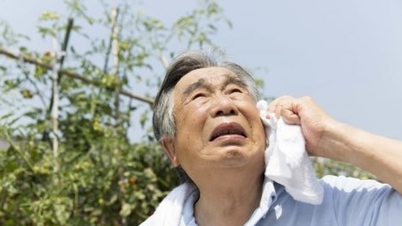
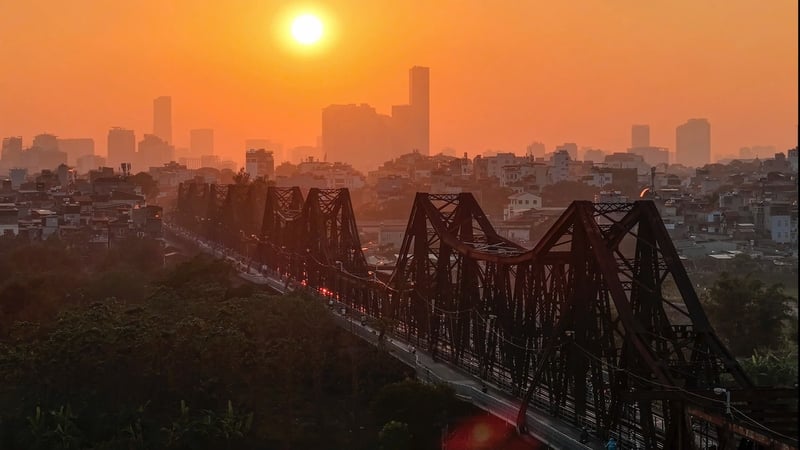
Yesterday, Vinh Yen weather station (Phu Tho province) recorded the highest temperature nationwide at 40.8 degrees Celsius, closely followed by Lang station ( Hanoi ) at 40.7 degrees Celsius. Temperatures ranging from 38-40 degrees Celsius stretched across the Northern Delta and the area from Thanh Hoa to Thua Thien Hue, resulting in deserted streets and disrupted daily life.
Along with high temperatures, two weather platforms, AccuWeather and Weather Online, warn that the maximum UV index this week in Hanoi and Ho Chi Minh City will reach 11. Central provinces such as Quang Tri, Thua Thien Hue, and Quang Ngai will record radiation levels of 10-13, usually peaking between 10 am and 2 pm.
The U.S. Environmental Protection Agency (EPA) classifies radiation levels of 11 and above as extremely hazardous, capable of burning skin and eyes after just 15 minutes of direct exposure, while 13 is the maximum level. The National Center for Hydrometeorological Forecasting warns that this radiation level poses a direct threat to the health of the elderly, young children, and outdoor workers.
Explaining the damaging mechanism of sunlight, Dr. Ngo Van Ty (Oncology Department, Hanoi Medical University Hospital) said that UVA rays penetrate deeply, causing skin aging, while UVB rays cause sunburn and DNA mutations leading to cancer. The doctor emphasized that these damages accumulate silently over time, leading many people to be complacent. Groups working outdoors for many years, such as factory workers, delivery people, and farmers, face the highest risk of developing malignant melanoma due to the very large cumulative UV dose. Solar radiation also causes cataracts, reduced skin immunity, and corneal inflammation.
Concurring with this view, Dr. Nguyen Trieu Vu (University of Medicine and Pharmacy Hospital, Ho Chi Minh City) added that ultraviolet rays exacerbate light-related diseases such as lupus erythematosus or atopic dermatitis. While the ozone layer blocks most ultraviolet C rays, the remaining A and B radiation that reaches the Earth's surface is still strong enough to damage skin cells throughout all four seasons, especially in the summer.

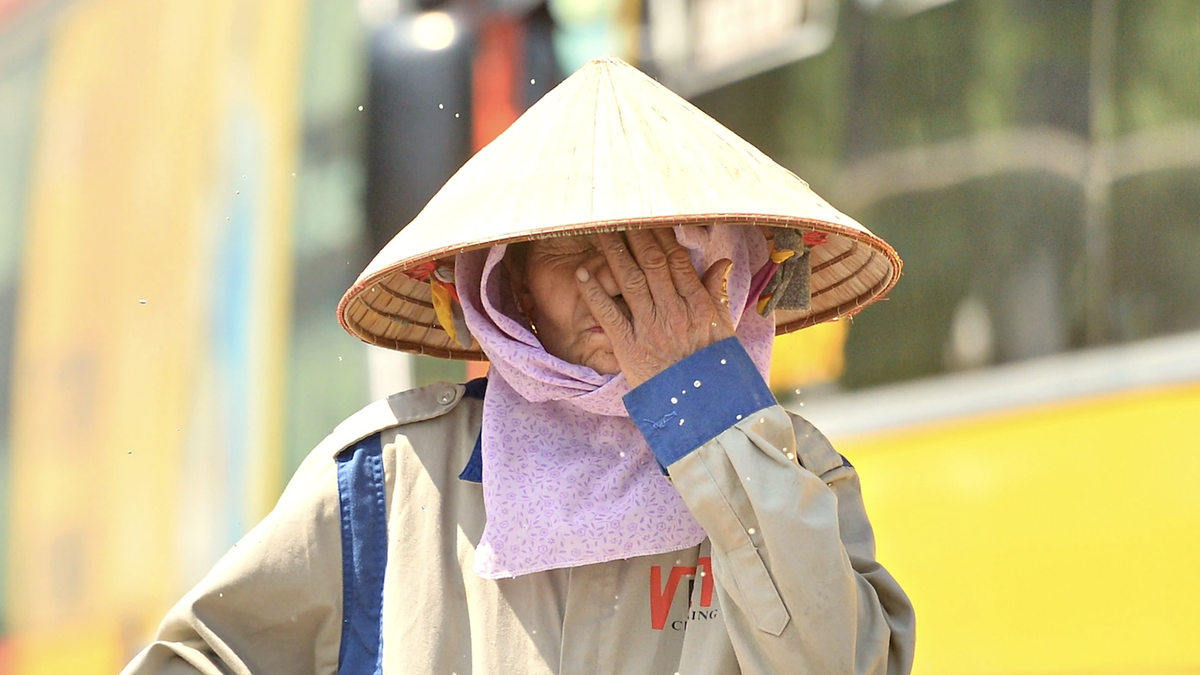
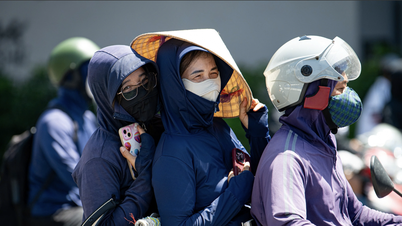
Hanoi residents shield themselves from the sun while walking on the streets. Photo: The Bang
To protect the body, experts recommend applying broad-spectrum sunscreen with an SPF of 30 or higher. Users should prioritize gel-based formulas for faster absorption and to avoid clogging pores and causing acne. Reapply sunscreen every 2-3 hours or when sweating heavily, and apply lip balm with an SPF of 15 or higher to the lips. Between 10 am and 4 pm, individuals should minimize going outdoors. When travel is unavoidable, cover the body with dark-colored long clothing, a wide-brimmed hat, sunglasses, a face mask, gloves, and seek shade.
Regarding nutrition, people need to replenish diluted electrolytes when their bodies sweat profusely, but avoid excessive consumption of sugary drinks or energy drinks. Families should adopt a balanced diet, limiting foods high in fat and sugar, and reducing excess salt in daily meals. In addition, individuals should maintain moderate physical activity and absolutely avoid overexertion during periods of high temperatures.
According to vnexpress.net
Source: https://baophutho.vn/tia-cuc-tim-ca-nuoc-o-muc-rat-nguy-hai-254918.htm


![[Photo] General Secretary and President To Lam presides over the meeting to approve the draft report on the results of the second inspection by the Politburo of the Standing Committee of the Hanoi City Party Committee.](https://vphoto.vietnam.vn/thumb/1200x675/vietnam/resource/IMAGE/2026/05/26/1779789811432_a2-bnd-4430-9620-jpg.webp)


























































































Comment (0)