

Are you tired of having to urinate frequently and waking up multiple times during the night? This article will introduce you to more treatment methods for this problem.
Benign prostatic hyperplasia (BPH) is often the primary cause of the symptoms described above. This condition causes the prostate gland to enlarge and affects men as they age. Furthermore, it is accompanied by a range of symptoms that impact daily life.
What is benign prostatic hyperplasia (BPH)?
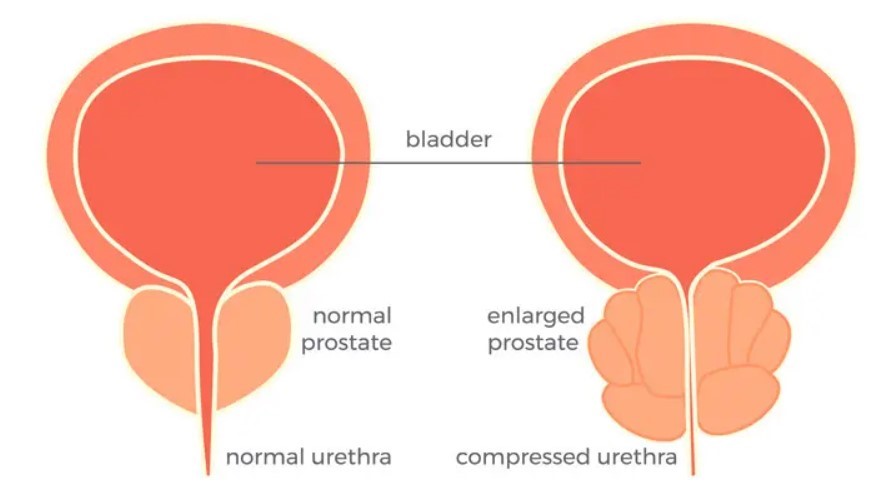
Benign prostatic hyperplasia (BPH) is a condition characterized by the enlargement of the prostate gland.
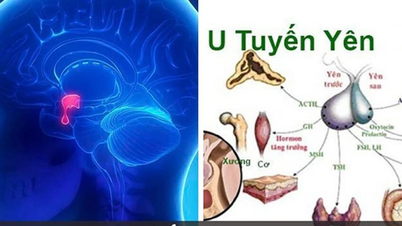
The prostate gland is a male reproductive gland located just below the bladder that contributes to the production of semen and helps propel it out of the body during ejaculation.
The prostate gland is one of the few organs that continues to grow as men age. As it increases in size, the prostate begins to press on the bladder and urethra, causing urinary obstruction and leading to urinary symptoms.
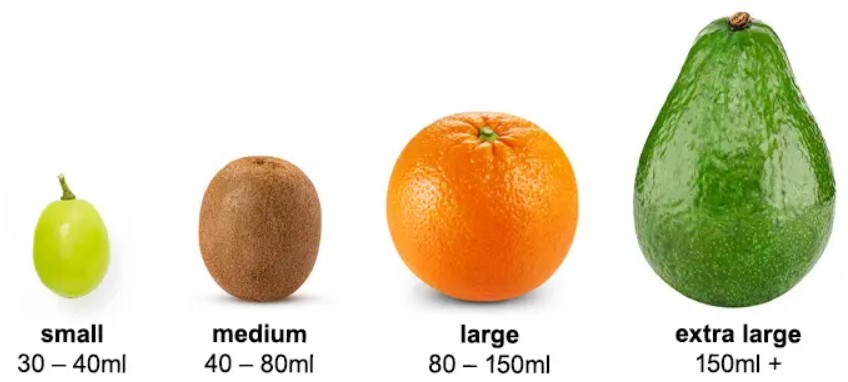
Did you know that the prostate gland is one of the only organs in the human body that continues to grow? A man's prostate gland is about the size of a walnut in his 20s, and by the time he's 60, it can reach the size of a lemon!
What are the symptoms of benign prostatic hyperplasia (BPH)?
Symptoms of benign prostatic hyperplasia (BPH) include:
- Weak or intermittent urine stream
- Difficulty pushing urine
- Leaking urine after urinating
- The frequency of urination increases to 8 times or more per day.
- The need to urinate urgently or the inability to hold urine.
- Nocturia, meaning frequent urination while sleeping.
- Urinary retention
- Urinary incontinence, this is the unintentional loss of control over urination.
What are some common minimally invasive treatments for benign prostatic hyperplasia (BPH)?
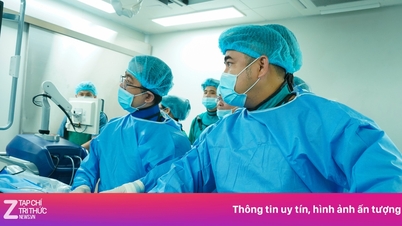
Most modern surgical methods for treating benign prostatic hyperplasia (BPH) are performed through the urinary tract and do not require incisions.
However, the term "minimally invasive treatment" in this context refers to treatments that involve light sedation, outpatient or day surgery procedures, and faster patient recovery after surgery.
Currently, IHH Healthcare hospitals in Singapore are applying minimally invasive procedures in the treatment of benign prostatic hyperplasia (BPH) to prevent the urethra from being compressed by the enlarged prostate.
These procedures include using a permanent implant to separate the enlarged prostate tissue that is obstructing the flow of urine, thereby reducing pressure on the urethra. Another method involves using steam to stimulate the enlarged prostate cells to shrink.
These minimally invasive treatments all have the advantage of preserving a man's ability to ejaculate. However, patients may still need to undergo surgery in the future.
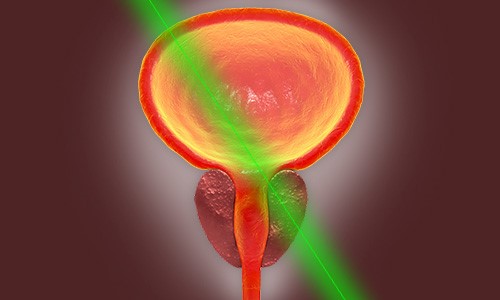
What is the surgical procedure for the HoLEP and ThuFLEP methods?
"HoLEP" stands for "Holmium Laser Enucleation of the Prostate" and "ThuFLEP" stands for "Thulium Fiber Laser Prostate Enucleation".
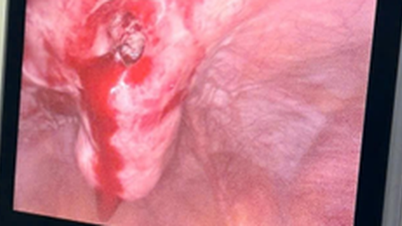
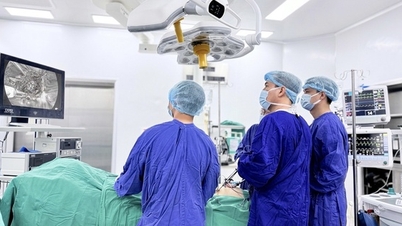
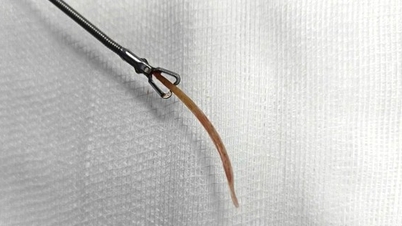
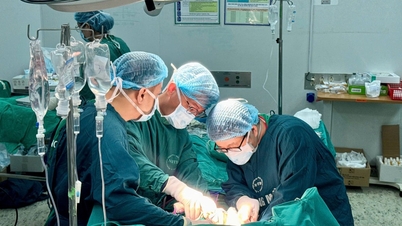
These forms of treatment use a laser to cut (remove) the prostate tissue that is narrowing the urethra. Simultaneously, the heat energy from the laser can cause photocoagulation to stop bleeding. This is why this type of surgery results in less blood loss. The second stage of surgery, called "morcellation," uses instruments to cut the prostate tissue into smaller pieces and collect them through the bladder.
Holmium laser systems are used in HoLEP procedures, or Thulium lasers for ThuLEP procedures. The choice of laser depends on the surgeon's expertise and the availability of medical supplies at the hospital performing the treatment.
What are the benefits of the HoLEP and ThuFLEP procedures?
The benefits of the HoLEP and ThuFLEP methods include:
- Minimizes severe urinary symptoms, helps patients urinate faster, completely empty the bladder, and eliminates the constant urge to urinate.
- Provides long-term improvement compared to other treatment procedures.
- This procedure can be applied to treat benign prostatic hyperplasia of all sizes and shapes. It is the only endoscopic procedure recommended for men with a prostate size greater than 80cc.
- Less bleeding after surgery compared to transurethral resection of the prostate (TURP).
- Early discharge from the hospital, 1-2 days earlier.
- Large quantities of prostate tissue can be harvested for histopathological examination during laser ablation.
This is one of the most effective treatments for men with urinary retention.
- Suitable for patients who are taking blood thinners to treat other medical conditions.
However, it is important for patients to discuss their personal condition with their doctor before deciding on treatment.
When and how should prostate health screenings be performed?
How to screen for prostate health:
Prostate cancer screening is performed through a blood test, also known as a prostate-specific antigen (PSA) test, which provides detailed information about the condition of the prostate gland in the body, such as enlargement, inflammation, or prostate cancer.
When is prostate health screening needed?
Prostate cancer and benign prostatic hyperplasia (BPH) often run in families, suggesting that in some cases the condition is linked to genetic factors or genes. Health screening can help detect the condition early, leading to better treatment outcomes.

Dr. Png Keng Siang – Urology specialist from Mount Elizabeth Novena Hospital Singapore with the following main areas of expertise:
+ Transurethral partial nephrectomy and prostatectomy
+ Laparoscopic nephrectomy and ureterectomy
+ Ureteroscopy & Lithotripsy
For more detailed information and to receive direct consultation from Dr. Png Keng Siang, please contact:
Parkway Healthcare Group Representative Office in Hanoi
5th Floor, 110 Ba Trieu Street, Hai Ba Trung District, Hanoi.
Hotline: 0988 155 855 or 084 308 3637
Email: info@parkway.com.vn
FB page: https://www.facebook.com/parkwayhanoi
PV
Source: https://giadinh.suckhoedoisong.vn/cac-phuong-method-laser-dieu-tri-phi-dai-tuyen-tien-liet-172240618105709955.htm

![[Photo] General Secretary and President To Lam presides over a meeting on preparations for the review of one year of operation of the three-tiered government system.](https://vphoto.vietnam.vn/thumb/1200x675/vietnam/resource/IMAGE/2026/06/02/1780391821195_a1-bnd-4595-9717-jpg.webp)

























































































Comment (0)