

Notably, many people lack the financial means to fulfill their obligations when changing land use purposes due to the significantly increased land prices.
Beyond the means of the people
The reality that people cannot afford to pay when changing the land use purpose is raising alarm bells about the disparity between land prices and affordability, especially in rural and mountainous areas.
A typical case is that of Mr. Dinh Cong Phuong's family, residing in Coc Dong Tam village, Minh Quang commune (now Ba Vi commune). In March 2025, the Ba Vi District People's Committee issued a decision allowing Mr. Phuong to change the land use purpose of more than 210m² of land used for perennial crops to rural residential land with a long-term land use period.
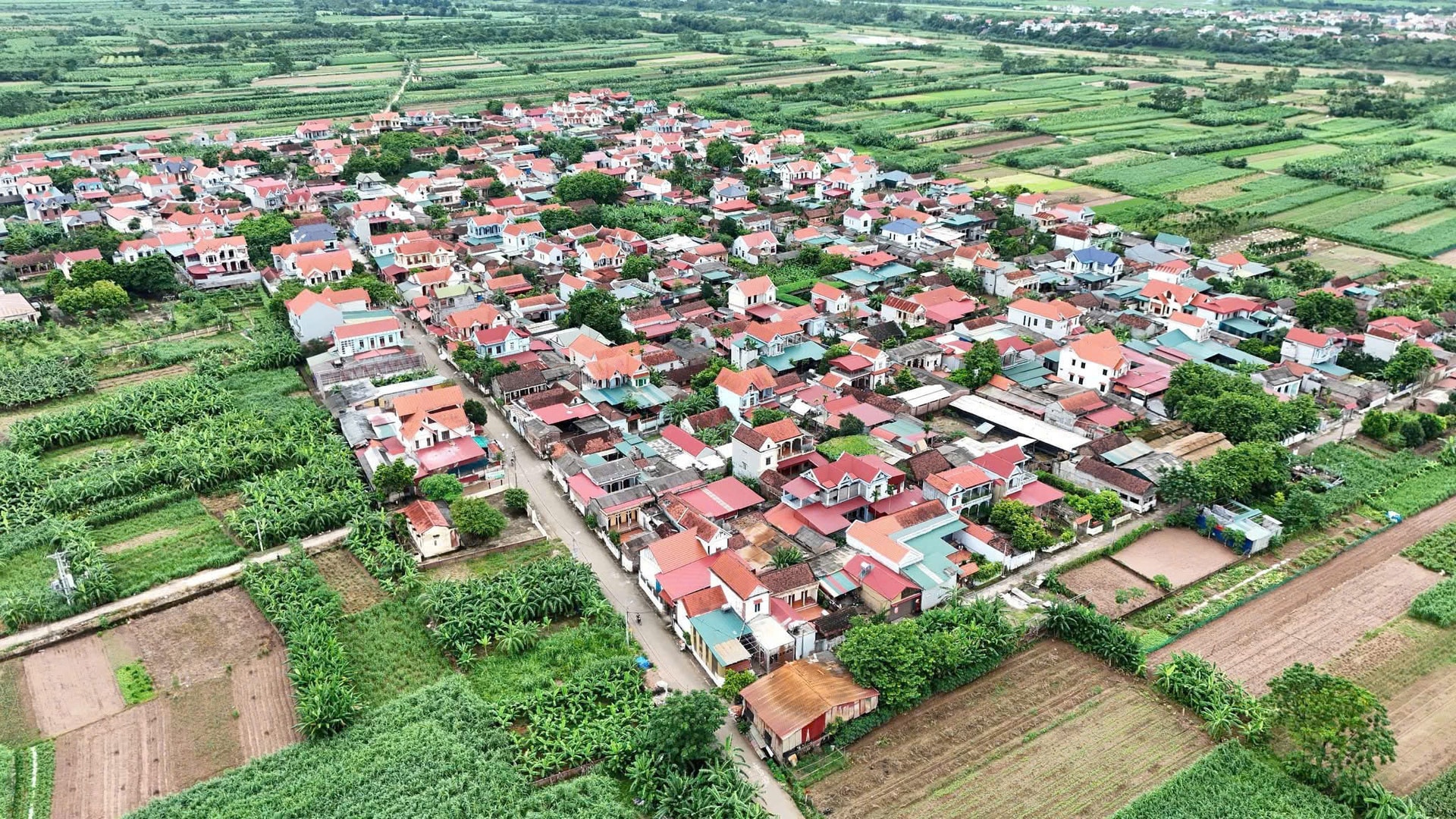
However, according to the calculation method stipulated in Article 8 of Decree No. 103/2024/ND-CP, Mr. Phuong's financial obligation is the difference between the price of residential land and agricultural land in the land price table, equivalent to 4,337,000 VND/m², and the total amount payable is nearly 900 million VND. This amount exceeds the financial capacity of a household in a mountainous area like Ba Vi commune. After much consideration, Mr. Phuong could not fulfill his financial obligation and requested not to proceed with the land use conversion.
Based on the people's petition, the People's Committee of Ba Vi District (before the official implementation of the two-tiered government model on July 1st) issued a decision to revoke and cancel the decision allowing the conversion of land use purposes.
A similar situation is occurring in many localities. Mr. Tran Duy Dong and Mrs. Nguyen Thi Hong, residing in Vinh City ( Nghe An province ), said that when they applied to convert 300m² of garden land next to the cemetery into residential land, they were surprised to receive a notice that they had to pay nearly 4.5 billion VND in land use fees. “My family doesn’t object to paying taxes, but with a rate of nearly 15 million VND/m², we wouldn’t be able to save enough even if we worked our whole lives,” Mr. Dong shared.
Stories like the one above show that current land price lists in many places do not accurately reflect the actual socio -economic situation and the affordability of the people, especially in rural, mountainous, and disadvantaged areas.
Good news
According to Mai Van Phan, Deputy Director of the Land Management Department (Ministry of Agriculture and Environment), abolishing the land price framework under the 2024 Land Law is an important step, contributing to bringing land prices closer to market prices and ensuring transparency in real estate management and development. However, in reality, many localities have not kept pace with market land price fluctuations, leading to outdated and unrealistic land price lists.
.jpg)
In the coming period, many localities will issue new land price lists according to the 2024 Land Law, which are expected to cause significant fluctuations. The Ministry of Agriculture and Environment has submitted a report to the Ministry of Finance, proposing several solutions to manage land prices from now until the end of 2025. These solutions emphasize the need for localities to closely monitor market developments and update land price fluctuations promptly; gradually build a land price database down to each individual land parcel; adjust current land price lists if they are no longer appropriate, as guided in Article 17 of Decree No. 71/2024/ND-CP; and organize broad consultations to ensure consensus when developing new land price lists under the 2024 Land Law, which will take effect from January 1, 2026.
At the same time, the Ministry of Agriculture and Environment also proposed expanding the scope and subjects of application of land price tables; narrowing the cases requiring specific land price determination; clearly defining the responsibilities of each agency in calculating financial obligations; and reviewing relevant laws to assess the overall impact on the real estate market.
Clearly, if land prices increase significantly while people's incomes, especially in rural areas, do not improve correspondingly, the consequence will be that many households will find themselves in a situation where they are "given the opportunity to convert land but cannot afford it." In reality, the issue of land prices cannot be simply a matter of technical calculations or legal compliance; it must be considered within the overall context of living conditions, affordability, and social equity.
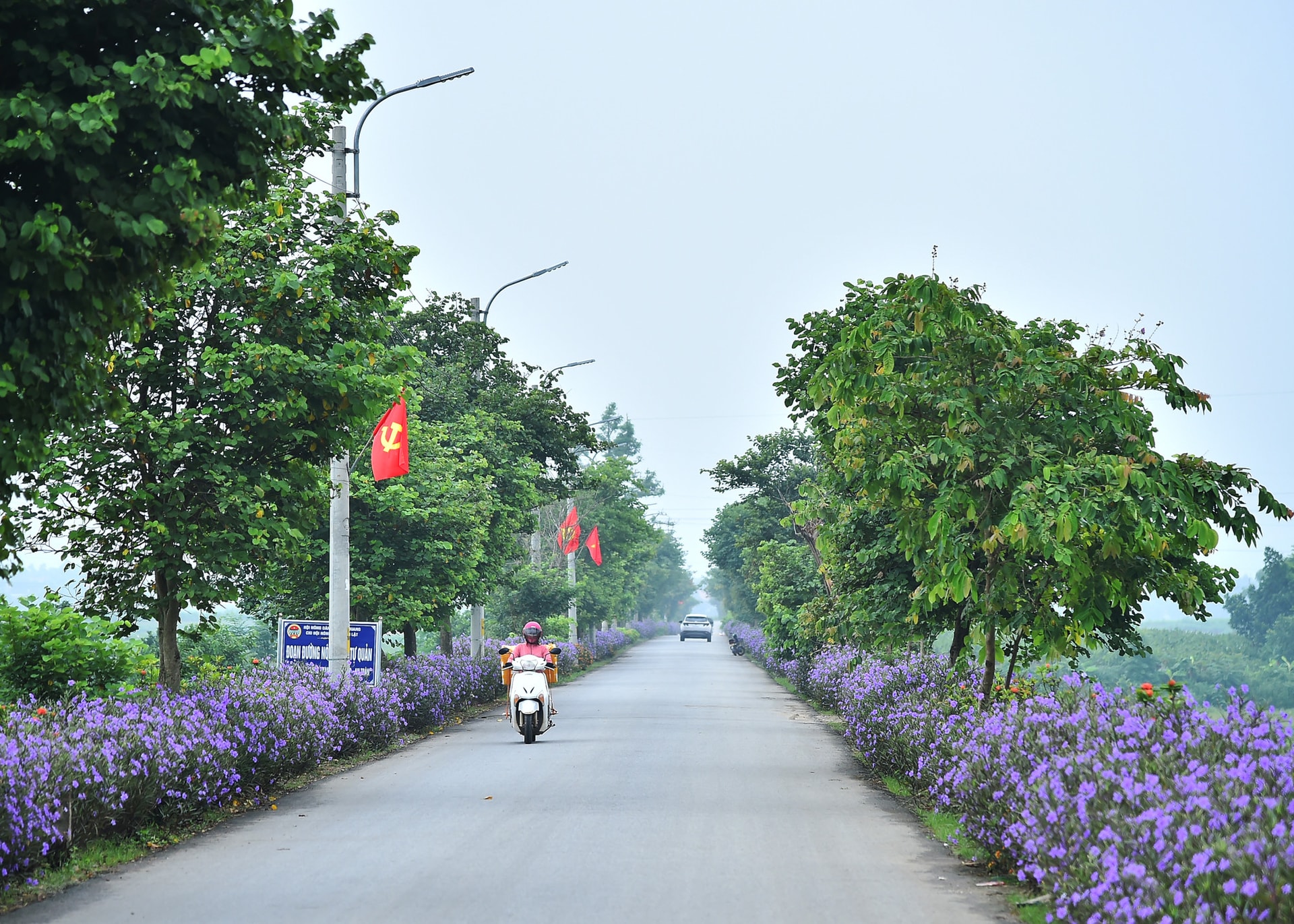
The refinement of land price tables needs to go hand in hand with people's accessibility, avoiding situations where good policies fail to be implemented or become a burden. Representatives from the Ministry of Agriculture and Environment emphasized that adjusting land price tables requires a reasonable roadmap, identifying suitable areas and locations for each type of land, and must have social consensus.
In response to this development, Ms. Nguyen Thi Thoa, Deputy Director of the Department of Public Assets Management (Ministry of Finance), stated that after compiling reports from localities, the Ministry will conduct a comprehensive assessment and coordinate with the Ministry of Agriculture and Environment to review and propose amendments to the regulations in the law. Currently, the Ministry of Finance is seeking opinions on the draft Decree amending and supplementing several articles of Decree No. 103/2024 (regulating land use fees and land lease fees). In particular, the Ministry proposes adding Clause 6 to Article 52 to address transitional cases.
Specifically, this supplement applies to households and individuals who change the land use purpose from agricultural land within the same plot of land with a house (previously identified as garden or pond land within the same plot of land with a house, but not recognized as residential land) to residential land.
The Ministry of Finance proposes that land use fees should be collected at 50% of the difference between the land use fee based on residential land prices and agricultural land prices, at the time the competent authority issues the decision allowing the change of land use purpose.
Source: https://hanoimoi.vn/can-go-nut-that-bang-gia-dat-nhieu-dia-phuong-dang-dung-truoc-ap-luc-dieu-chinh-707908.html
















































































Comment (0)