

How many vehicles will be directly affected?
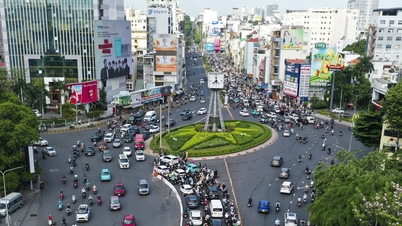
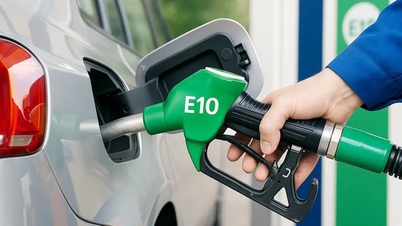
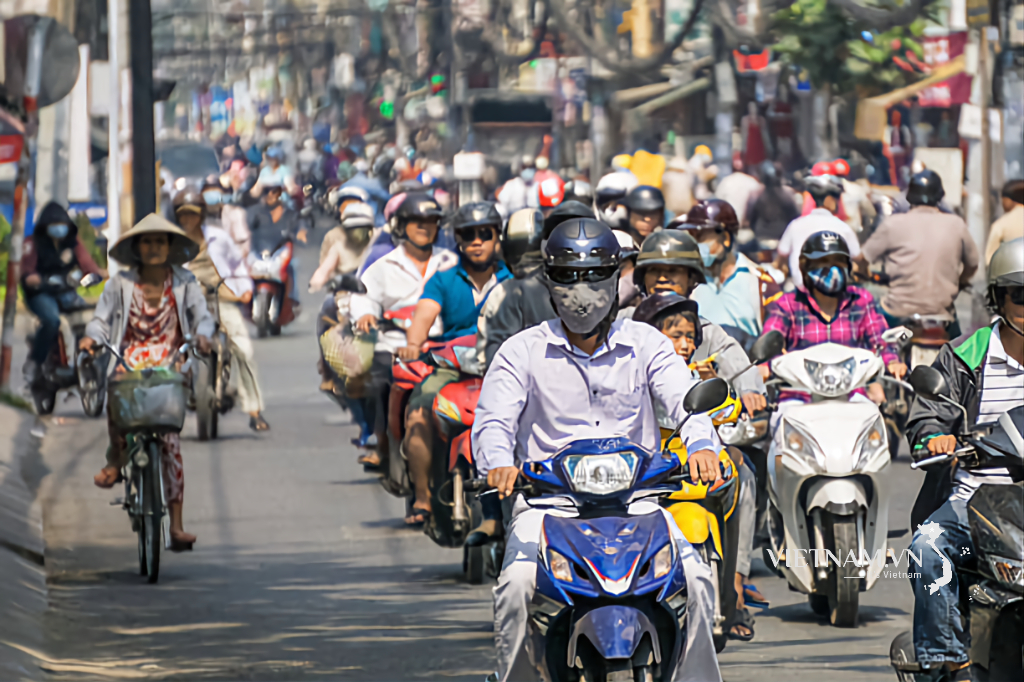
According to data from the Vietnam Registering and Inspection Department and the General Statistics Office, the number of personal vehicles in Vietnam has steadily increased over the years. Of these, the estimated number of motorcycles is over 70 million, while the number of cars fluctuates around 6-7 million. In major cities like Hanoi and Ho Chi Minh City, the number of motorcycles has exceeded 10 million each, and the number of cars has also recorded double-digit growth in recent years. With rising living standards, people have also equipped themselves with better motorcycles, mainly manual and automatic models from brands such as Honda, Yamaha, Suzuki, and VinFast . Cars are popular in the sedan, SUV, and hatchback categories, with competition from many domestic and international manufacturers. In this context, as countries switch to using E10 biofuel, dilapidated, frameless motorbikes carrying ice or old cars emitting thick black smoke are among the first vehicles that may be affected, but this accounts for a very low percentage.
A transportation industry expert stated that if we consider the total number of gasoline-powered vehicles currently in circulation to be around 76-77 million, approximately 10% are very old vehicles using carburetors and outdated or degraded fuel materials. This is equivalent to about 7-8 million vehicles that could be at risk from using E10 gasoline long-term if not properly maintained or upgraded. Furthermore, using 2008 as a benchmark, statistics show that there are approximately 19.7 million motorcycles manufactured before that date still in circulation in Vietnam. This group of vehicles primarily uses carburetors and older rubber materials, making them more sensitive to ethanol. "However, it's important to clarify that not all old or 'outdated' vehicles are unsuitable for E10 gasoline or must be abandoned immediately. For example, among these 19.7 million vehicles, many have had new parts replaced, undergone overhauls, had fuel lines replaced, or are still operating well," the expert added.
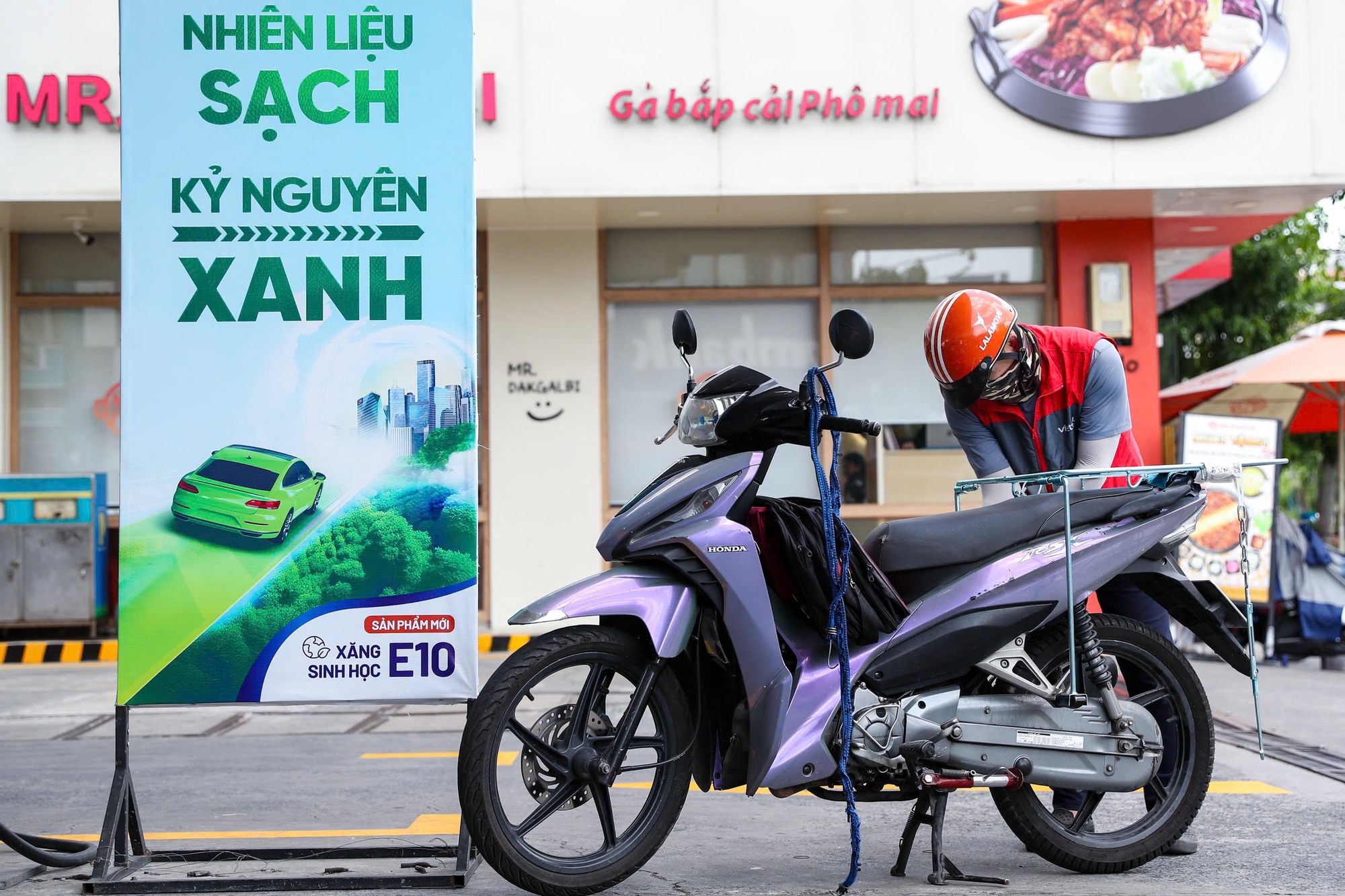
Older, dilapidated cars will be excluded because they are incompatible with E10 gasoline, while newer cars can use it normally.
Photo: Nhat Thinh
From a consumer perspective, Mr. Dat Pham, a long-time expert at a ride-hailing company working in Ho Chi Minh City, shared: "I've been using E10 gasoline for my 2008 car for a long time. In reality, the rumor that 'E10 gasoline will corrode the fuel system' is very outdated information. For more than..."
For the past two decades, all major car manufacturers worldwide , from mainstream to luxury vehicles, have standardized their manufacturing materials. Fuel lines, pumps, and rubber seals all utilize high-strength composite materials (such as Viton and Teflon) and anti-oxidation alloys. In neighboring countries like Thailand (which has long used E20 and E85), Brazil, and the United States, E10 gasoline has been the most basic standard fuel at all gas stations for decades without any major "engine breakdowns."
What should be done with an old car?
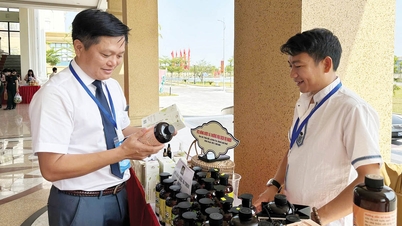
According to Thanh Nien newspaper reporters, exploiting the anxieties of some people as they begin switching to E10 gasoline, many businesses selling fuel additives are quickly and extensively advertising various "specialized solutions for E10 gasoline" with promises of cleaner combustion, increased octane rating, and protection of the engine from the harmful effects of alcohol. Some advertisements even lure consumers by painting a terrifying picture of "water-contaminated fuel tanks and engine deposits," causing them to worry and prepare money to buy bottles of solutions that are supposedly supposed to increase octane rating, aid in complete combustion, and clean the combustion chamber.
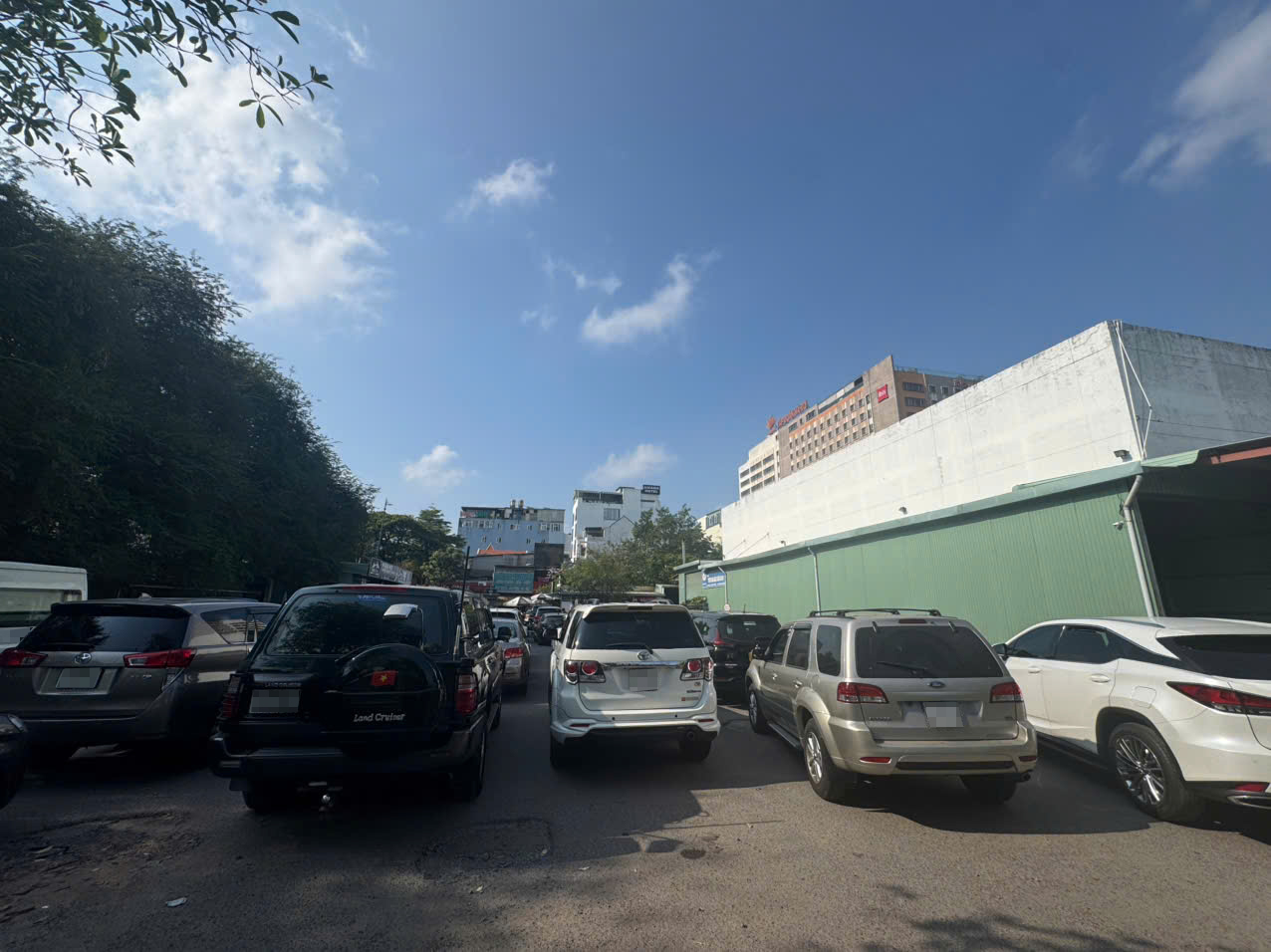
Cars less than 20 years old can still run well on E10 gasoline, although the driving feel may need to be adjusted to adapt.
Photo: Quang Thuan
Dr. Cao Dao Nam, Program Manager for Automotive Engineering at Ho Chi Minh City University of Transport, shared his experience in maintaining motorcycles when switching to E10 gasoline, including replacing gaskets, O-rings, and rubber seals if they have aged. Parts to check include: fuel tank cap gasket, injector O-ring, carburetor gasket, fuel pump diaphragm, seals, fuel return pipe, and vent pipe. It is recommended to use materials with better ethanol resistance such as FKM/Viton or materials specifically indicated by the parts manufacturer as compatible with E10.
Motorcycle experts also confirm that if a steel fuel tank has rust, red sediment, standing water, or a stale gasoline smell, it should be disassembled for inspection, cleaned of rust, and the fuel filter replaced. If the tank is excessively rusty or leaking, it should be replaced. For classic or older motorcycles, a protective coating of ethanol-resistant material can be considered, but it must be done correctly.
Mr. Nguyen Minh Dong, an automotive expert in Germany, also affirmed that the widespread use of E10 gasoline does not negatively impact the operation of vehicles. When using E10 gasoline to replace traditional mineral gasoline, the indicators of power, operating efficiency, and emissions of vehicles basically do not change significantly. Switching to E10 gasoline, including equivalent types like RON95, essentially does not affect the engine's performance.
For older cars using carburetors, garages can now replace the fuel float and other aluminum or zinc components that are susceptible to ethanol. With careful adjustment, car owners can readjust the carburetor to suit the combustion characteristics of ethanol-containing fuel. However, just like with gasoline, to ensure stable and long-lasting vehicle operation, users still need to fully comply with the maintenance and servicing regulations recommended by the manufacturer.
In fact, for any type of fuel, vehicle manufacturers provide specific guidelines on maintenance cycles. Therefore, when switching to E10 gasoline, users simply need to continue following these recommendations to ensure the quality and lifespan of their vehicles.
Tips for maintaining your car when using E10 gasoline.
If the vehicle is left unused for more than a month: drain all the E10 gasoline, drain the carburetor, and run the engine until it completely shuts off. Store the vehicle in a dry, well-ventilated place. Combine this with regular use of conventional gasoline: if possible, alternate with ethanol-free A95/A92 gasoline to "clean" the system.
For vehicles driven daily or every few days: you can fill the tank normally, no need to worry too much. You can fill it halfway to almost full, as long as you use it all within a reasonable time.
For vehicles that are used frequently: E10 gasoline is less likely to absorb moisture to the point of phase separation. For vehicles that are driven infrequently, only once every 2-4 weeks: fill only with what you need, and avoid letting fuel sit for too long.
For motorcycles or cars that are used infrequently, a safe approach is to fill the tank with enough fuel to last for about 2-4 weeks. Keep the tank about half full or slightly more, and occasionally drive the vehicle to allow the engine to fully warm up.
If the vehicle is left unused for nearly a month, it's important to start/run the engine for a sufficient amount of time, not just a few minutes. For vehicles stored for more than 1-2 months: fill the tank almost completely and use a fuel stabilizer. This applies to vehicles with electronic fuel injection, relatively well-sealed fuel tanks, relatively new vehicles, or those with a good fuel system. Use a fuel stabilizer specifically labeled for ethanol/E10. Draining/draining the fuel completely is recommended for very old vehicles, carburetor vehicles, classic vehicles, vehicles stored for many months, or vehicles with rusted fuel tanks.
Source: https://thanhnien.vn/can-lam-gi-de-xe-cu-dung-duoc-xang-sinh-hoc-185260521194225212.htm
![[Image] Hanoi's urban life under the challenge of a "scorching hot" environment](https://vphoto.vietnam.vn/thumb/1200x675/vietnam/resource/IMAGE/2026/05/25/1779706979265_nang-nong-t5-2026-minh-duy-7-4636-jpg.webp)

![[Image] Close-up view of the interchange connecting the two expressways and Long Thanh Airport.](https://vphoto.vietnam.vn/thumb/1200x675/vietnam/resource/IMAGE/2026/05/25/1779703378210_ndo_br_z7863716673926-224453a31600126cce10622af6290afd-4549-jpg.webp)

















































































Comment (0)