

The Food Safety Law of 2010 is no longer suitable for the requirements of building and perfecting the legal system on food safety, as well as the current socio-economic conditions.
The Food Safety Law of 2010 is no longer suitable for the requirements of building and perfecting the legal system on food safety, as well as the current socio-economic conditions.
Food is a global health concern.
According to statistics from the World Health Organization (WHO) and the Food and Agriculture Organization of the United Nations (FAO), more than 1.6 million people worldwide contract foodborne illnesses every day, and approximately 420,000 people die each year from consuming food contaminated with bacteria, viruses, parasites, or toxic chemicals.
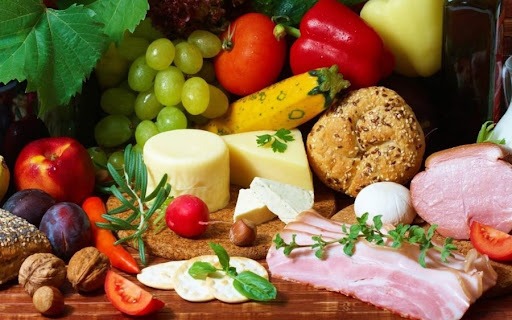 |
| Major food safety issues include bacteria, viruses, and parasites. These are the main agents causing intestinal infections, diarrhea, food poisoning, and several other serious illnesses. |
These diseases, ranging from diarrhea to cancer, place a significant burden on the healthcare systems and economies of nations. Therefore, food safety is not only a national issue but also a global concern, related to public health, the environment, and sustainable development.
Food safety is a key factor in protecting consumer health. Consuming contaminated food can lead to a range of health problems, increase the burden on the healthcare system, affect labor productivity, and even cause serious damage to the economy.
Foodborne illnesses overwhelm healthcare systems, particularly in low- and middle-income countries. These countries lose approximately $95 billion annually due to food safety issues.
Unsafe food also causes environmental, social, and commercial problems. Violations related to food quality not only affect consumers but also strain international trade relations, especially when contaminated products are exported to other countries.
For example, the use of melamine in food in China caused a serious scandal, affecting the reputation of the global food industry.
Ensuring food safety on a global scale faces numerous challenges due to the complexity of the food supply chain.
Food is not only produced within a single country but also goes through many stages of processing, transportation, and storage before reaching the consumer. Each step in this chain can potentially pose a risk of contamination or food poisoning.
Major food safety issues include bacteria, viruses, and parasites. These are the main agents causing intestinal infections, diarrhea, food poisoning, and several other serious illnesses.
The use of pesticides, preservatives, or other chemicals in food processing, if not strictly controlled, can endanger consumer health.
In addition, food additives and genetically modified foods, while helping to extend food shelf life and increase production efficiency, can have long-term health consequences if used improperly.
Furthermore, controlling processed foods, small-scale food vendors, and uncertified food production facilities is a major challenge. These establishments may not fully comply with hygiene regulations, thereby increasing the risk of food contamination.
To address these issues, the development and enforcement of legal regulations on food safety have become extremely important.
International organizations such as the WHO and FAO have called on countries to improve and establish international food safety standards. This would not only help protect consumer health but also promote trade and sustainable development.
Issues requiring adjustment in the Food Safety Law
Statistics from ministries and People's Committees of 63 provinces and cities show that, from 2011 to the present, Vietnam's legal system on food safety has included over 250 legal documents issued by central agencies.
However, the 2010 Food Safety Law is no longer suitable for the requirements of building and perfecting the legal system on food safety, as well as the current socio-economic conditions.
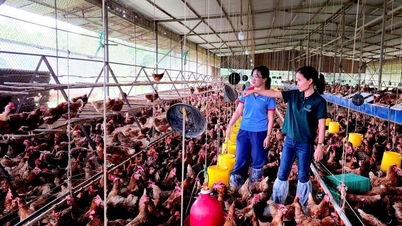
Regarding the shortcomings of the current Food Safety Law, according to Ms. Tran Viet Nga, Director of the Food Safety Department, Ministry of Health , some regulations on granting conformity certificates for food products are not suitable for reality, especially for small-scale producers.
Despite their small-scale production, these households supply a large volume of food to society. Without proper management, this could lead to food poisoning and foodborne illnesses.
There is a lack of regulatory frameworks, such as regulations on food safety standards for plant-based foods, regulations on the hierarchical structure of food poisoning investigations, and regulations on the revocation of Certificates of Conformity.
Some regulations guiding the Food Safety Law are inconsistent and difficult to implement, especially in managing food production and business establishments that are not required to obtain a food safety certificate.
Some concepts, such as "food production" and "food trading," are not consistent between the 2020 Enterprise Law and the Food Safety Law, causing difficulties in law enforcement.
The revised Food Safety Law will address current shortcomings, such as adjusting regulations that are not in line with reality, and ensuring transparency, openness, and feasibility in the law-making process.
The proposed amendments are expected to help Vietnam fulfill its international commitments, especially those under free trade agreements such as CPTPP, EVFTA, RCEP, and ASEAN.
The amendment to the Law also aims to perfect a comprehensive legal system, create a favorable environment for production and business, while ensuring macroeconomic stability, developing the digital economy, and enhancing national competitiveness.
The provisions of the Law must be consistent with the trade agreements that Vietnam has signed and participated in, especially the standards on food hygiene and safety.
Simultaneously, it improves the efficiency of management and conformity assessment, while eliminating overlapping regulations in legal documents.
According to the Director of the Food Safety Department, amending and supplementing the Food Safety Law is necessary to meet the new requirements of practice and international integration, while overcoming the limitations of the current law, contributing to protecting public health and sustainable economic development.
Source: https://baodautu.vn/can-thiet-sua-doi-luat-an-toan-thuc-pham-d238316.html


![[Photo] Standing Committee member of the Party Central Committee Tran Cam Tu working with the Central Inspection Committee](https://vphoto.vietnam.vn/thumb/1200x675/vietnam/resource/IMAGE/2026/05/28/1779969579668_ndo_br_bnd-2495-jpg.webp)





































































Comment (0)