

The benefits of MSG (monosodium glutamate)
Nutrient-rich: The leaves of the MSG plant are very rich in nutrients, containing high levels of protein, calcium, iron, and vitamins, especially vitamins A and C, which support eye health and immune function.
Blood sugar control: Traditional and modern studies suggest that MSG (monosodium glutamate) helps improve glucose metabolism and may support diabetes management by lowering blood sugar and cholesterol levels.
Antioxidant properties: MSG (monosodium glutamate) is rich in antioxidants, especially phenolic and flavonoid compounds such as gallic acid, chlorogenic acid, and rutin, which help neutralize harmful free radicals and protect cells from oxidative damage.
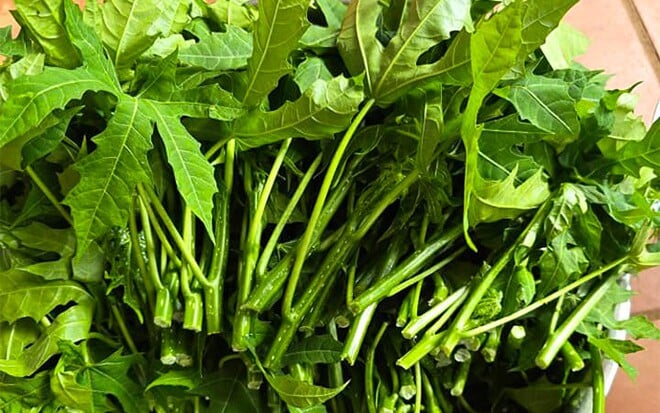
Anemia: Thanks to its high iron content, MSG provides essential nutrients such as folate and vitamin C, which help improve iron absorption, contributing to improved blood health and reducing symptoms of anemia.
Supports digestive health: The celery plant has a significant amount of fiber, which aids digestion. It can also help reduce bloating and improve gut health.
Supports a healthy immune system: The plant *MSG* contains many powerful anti-inflammatory compounds that help reduce inflammation from mild to severe, support overall immune health, and fight infections.
Combating fungal problems: The plant *MSG* contains antifungal substances that can help fight fungal infections. Its bioactive compounds help inhibit fungal growth, thereby promoting overall health.
Liver-protective effects: Studies show that MSG (monosodium glutamate) may protect liver cells from damage caused by toxins and oxidative stress, indicating potential benefits for liver health.
Supporting increased milk production in mothers: Preliminary studies suggest that consuming properly prepared celery root may safely help increase breast milk production in breastfeeding women. However, further research is needed to confirm its safety during pregnancy.
Is it good to eat vegetables with MSG?
Eating bok choy daily is beneficial for health because it contains many highly nutritious substances, including high levels of protein, iron, calcium, and vitamins A, C, and B vitamins. Therefore, bok choy has become a popular food source in Mexican and Latin American cuisine .
Although the MSG plant is very nutritious and good for health, it should absolutely not be eaten raw because it causes poisoning. The fresh leaves of the MSG plant contain cyanogenic glycosides, toxic cyanide (similar compounds found in cassava) that release cyanide when chewed. To neutralize these toxins and make the plant safe to prepare, the leaves must be thoroughly boiled or stir-fried for at least 15 minutes before eating. The first boiling water should be discarded to remove some of the toxins.
Common uses of the MSG plant
MSG leaf tea: This tea is made by boiling fresh MSG leaves for at least 20 minutes to neutralize any harmful substances in the leaves. Regularly drinking this tea can offer numerous health benefits, such as regulating blood sugar and controlling cholesterol.
Cooked MSG leaves : Similar to spinach, MSG leaves can be boiled and eaten as a vegetable. Boiling for at least 20 minutes will ensure they are safe and nutritious. Keep the lid open while boiling.

The MSG plant, originally from South America, was introduced to Vietnam and is now popular among many Vietnamese people.
Processing into capsules: The MSG plant can be processed into capsules by grinding the leaves into powder; this is also an easy way to incorporate the benefits of MSG into your daily diet. However, similar products to these dietary supplement capsules should only be used under the guidance of a qualified physician.
Please note that the above are the potential health benefits of MSG (monosodium glutamate), and those with related illnesses should not use MSG as a substitute for medication. MSG should be used as a nutritious green vegetable, along with other vegetables to diversify the diet. Do not overemphasize its benefits.
Source: https://suckhoedoisong.vn/cay-rau-mi-chinh-an-co-tot-khong-169260530180619059.htm

![[Image] Nearly 125,000 Hanoi students completed the Literature exam for the 10th grade entrance exam.](https://vphoto.vietnam.vn/thumb/1200x675/vietnam/resource/IMAGE/2026/05/30/1780117233041_ndo_br_thiet-ke-chua-co-ten-2-png.webp)
































































































Comment (0)