


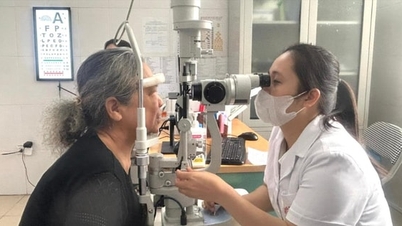
Illustration.
On the occasion of Micronutrient Day (June 1-2), the health sector advises parents to pay more attention to supplementing their children's vitamin A intake to prevent serious consequences from a deficiency of this micronutrient.
Vitamin A plays a crucial role in children's growth and development. It is a micronutrient involved in cell division and the development of organs in the body. Children deficient in vitamin A are at risk of stunted growth, malnutrition, and poor physical development.
In addition, vitamin A plays a crucial role in vision. A deficiency in vitamin A impairs vision in low light conditions, causing night blindness. If not detected and addressed promptly, children may suffer corneal damage, dry eyes, and even blindness.
Vitamin A also contributes to protecting the body's epithelial tissues such as the skin, eyes, respiratory and digestive tracts, helping to increase resistance to pathogens. Children deficient in vitamin A are often more susceptible to infectious diseases, especially diarrhea and respiratory infections, and their recovery time is also longer.
According to nutrition experts, the main causes of vitamin A deficiency are diets that do not provide enough foods rich in vitamin A or a lack of fats that reduce absorption. Malnourished children, children in periods of rapid growth, or those with prolonged illnesses are also at a higher risk of vitamin A deficiency.
To prevent vitamin A deficiency, parents should feed their children a varied diet, ensure adequate fats and oils in meals, and increase the intake of foods rich in vitamin A such as animal liver, eggs, milk, fish, carrots, pumpkins, dark green vegetables, and yellow and red fruits.
In addition, children should be exclusively breastfed for the first six months of life and continue breastfeeding until 24 months of age, combined with a proper complementary feeding diet. Pregnant and breastfeeding women also need to pay attention to adequate nutrition to ensure sufficient vitamin A for their children.
The health sector advises parents to ensure children aged 6 months to under 60 months fully participate in the high-dose vitamin A supplementation campaigns held annually on June 1-2 and December 1-2.
Experts note that vitamin A is essential but should not be supplemented in excessive doses. Excess vitamin A can cause toxicity with symptoms such as fatigue, slow weight gain, bone pain, or increased intracranial pressure in children. Therefore, the use of vitamin A should follow the instructions of a healthcare professional.
Source: https://vtv.vn/tam-quan-trong-cua-vitamin-a-doi-voi-tre-em-100260530201347808.htm
![[Image] Nearly 125,000 Hanoi students completed the Literature exam for the 10th grade entrance exam.](https://vphoto.vietnam.vn/thumb/1200x675/vietnam/resource/IMAGE/2026/05/30/1780117233041_ndo_br_thiet-ke-chua-co-ten-2-png.webp)












































































































Comment (0)