


Previously, the family of Mr. Chảo A Sính in Bản Qua commune (Bát Xát district) lost a buffalo while plowing during a hot day. Learning from that experience, on hot days, Mr. Sính does not let the buffalo work, only letting it graze outdoors in the early morning or late afternoon, giving it diluted salt water to drink and bathing it 1-2 times a day.

In addition, he increased the amount of green fodder to help the buffaloes resist the heat, such as fresh grass, corn stalks, and banana plants. When the hot weather persists, veterinary officers also guide the family to strengthen disease prevention and control measures, such as cleaning the barns, collecting and disposing of waste to ensure the barns are clean and well-ventilated, spraying disinfectant to kill ticks, mites, and flies, and administering all necessary vaccinations to the livestock. Currently, his family maintains a herd of 9 buffaloes, including 4 mother buffaloes, one male buffalo, and 4 calves, all of which are healthy.

Poultry farmers have proactively reduced stocking density and renovated their coops to mitigate the effects of the heat. Ms. Le Thi Hang from Xuan Quang commune (Bao Thang district) said: "Last time, I raised over 4,000 chickens, but now I've reduced it to 3,000. Although it's only the beginning of summer, the hot weather is causing the chickens to eat less and grow slowly. I'm supplementing their diet with vitamin C and electrolytes to boost their immunity. In addition, I regularly change the biological bedding to decompose chicken droppings, deodorize, maintain hygiene in the coop, and create a clean, well-ventilated environment."
For aquaculture, people are also proactively taking measures to protect against the heat. Mr. Le Van Hien, from Van Son commune (Van Ban district), said: "My family has more than 2 hectares of ponds for raising aquatic animals (fish and turtles). To keep the aquatic animals healthy, I always monitor and maintain the water level in the ponds, and I put water hyacinth in the corners of the ponds to provide shelter and shade for the fish and turtles."

According to recommendations from the Department of Agriculture and Rural Development, prolonged hot weather will reduce the resistance of livestock, poultry, and aquatic animals, creating favorable conditions for the emergence and spread of many dangerous diseases. Local authorities need to closely monitor weather developments and forecasts to strengthen communication, warnings, and guidance for farmers on technical measures to overcome the effects of hot weather and water shortages.

For livestock and poultry, it is necessary to regularly inspect the barns, provide shade, and cool the barns by covering the roofs with heat-resistant materials. If possible, install a water spraying system on the barn roof, a misting system inside the barn, and electric fans for cooling.
Large-scale livestock farms proactively secure electricity and water supplies to ensure production; maintain hygiene in barns and surrounding areas, use biological products to spray barns and treat manure to limit disease outbreaks; reduce stocking density, increase nutrition, and supplement drinking water with BComplex, Vitamin C, and electrolytes to boost immunity and prevent heat stress in livestock. For large livestock, on hot days, avoid grazing and working between 10 am and 3 pm; bring livestock back to barns or to shady areas with trees to avoid the sun.

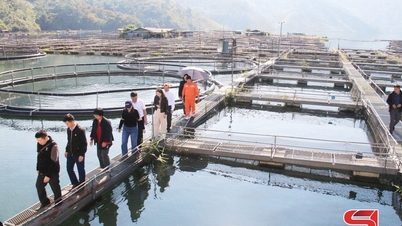
Aquaculture production facilities should pay attention to water replenishment, ensuring the quantity and quality of water are suitable for the growth and development of fish. Water hyacinth or trellises for gourds, pumpkins, and squash can be placed on the pond surface to reduce heat and provide shelter for the fish. Fish cage and raft farming facilities on hydroelectric reservoirs need to regularly clean the cages to ensure water circulation; move cages to shady areas, and if relocation is not possible, lower the cage nets to ensure the temperature is suitable for fish growth and development. Coldwater fish farming facilities (salmon, sturgeon) should repair their hatching tanks, nursery tanks, and rearing ponds to prevent water leaks, adjust water supply valves appropriately, and avoid water shortages.
During hot weather and water shortages, necessary equipment (pumps, aerators, water flow generators, oxygen supply devices, semi-recirculating filtration systems, etc.) must be used. Simultaneously, feed rations should be reduced by 50% - 70% or stopped entirely on hot days (water temperature above 35°C); fishing and transporting fish should be avoided during hot weather.

Source
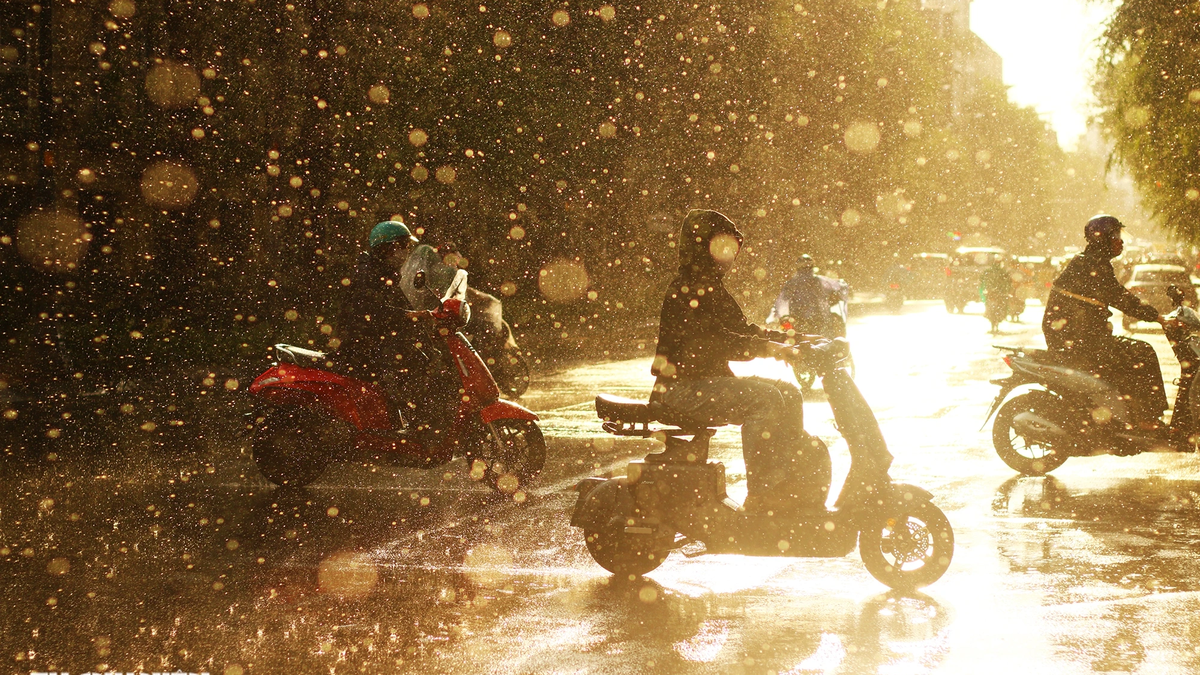
![[Image] Hanoi's urban life under the challenge of a "scorching hot" environment](https://vphoto.vietnam.vn/thumb/1200x675/vietnam/resource/IMAGE/2026/05/25/1779706979265_nang-nong-t5-2026-minh-duy-7-4636-jpg.webp)



![[Image] Close-up view of the interchange connecting the two expressways and Long Thanh Airport.](https://vphoto.vietnam.vn/thumb/1200x675/vietnam/resource/IMAGE/2026/05/25/1779703378210_ndo_br_z7863716673926-224453a31600126cce10622af6290afd-4549-jpg.webp)




















































































Comment (0)