

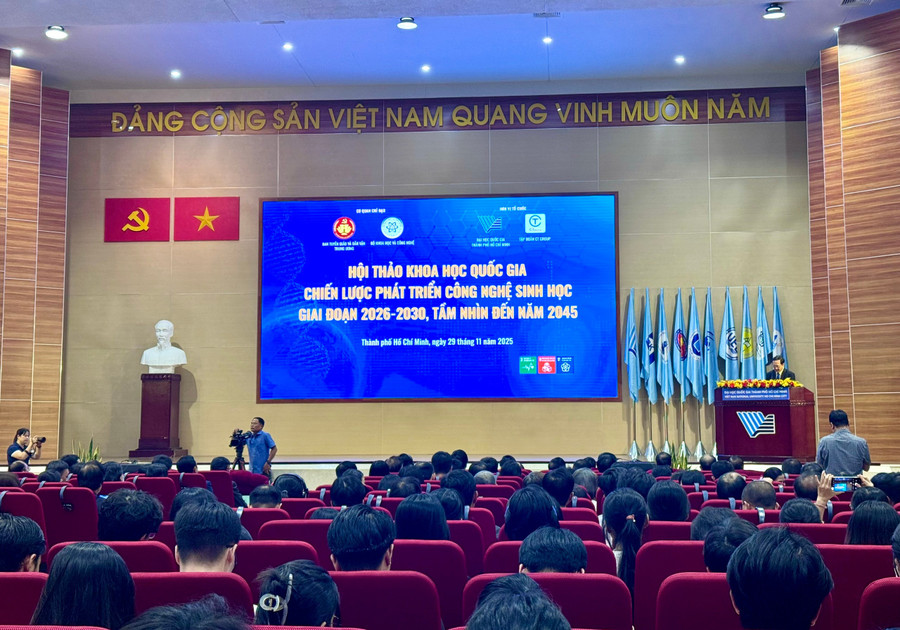
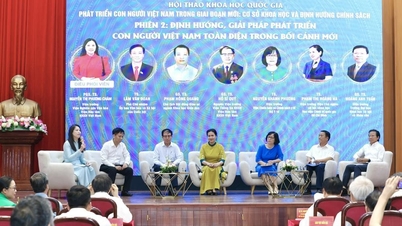
On the morning of November 29th, in order to realize the goal of Resolution 36-NQ/TW to place Vietnam among the top 10 countries in Asia in biotechnology, the Vietnam National University Ho Chi Minh City, in coordination with the Central Propaganda and Mass Mobilization Department, the Ministry of Science and Technology , and CT Group, organized the National Scientific Conference: Biotechnology Development Strategy for the period 2026-2030, with a vision to 2045.
Determined to create breakthroughs in higher education and the tripartite ecosystem.
Mr. Huynh Thanh Dat, Deputy Head of the Central Propaganda and Mass Mobilization Department, affirmed that biotechnology is becoming an essential "knowledge infrastructure," playing a key role in ensuring health security, food security, environmental security, and enhancing national competitiveness.
In the face of global challenges such as climate change, epidemics, population aging, and non-traditional security risks, Mr. Dat believes that these issues cannot be addressed with outdated thinking, but must be based on science, technology, and innovation.
Mr. Dat emphasized the urgent need to develop a comprehensive value chain strategy for biotechnology development, focusing on products, markets, and quality standards, rather than stopping at academic research.
At the same time, he suggested that it is necessary to frankly acknowledge the institutional, infrastructure, human resource, and financial mechanism "bottlenecks" that are hindering the industry's breakthrough.
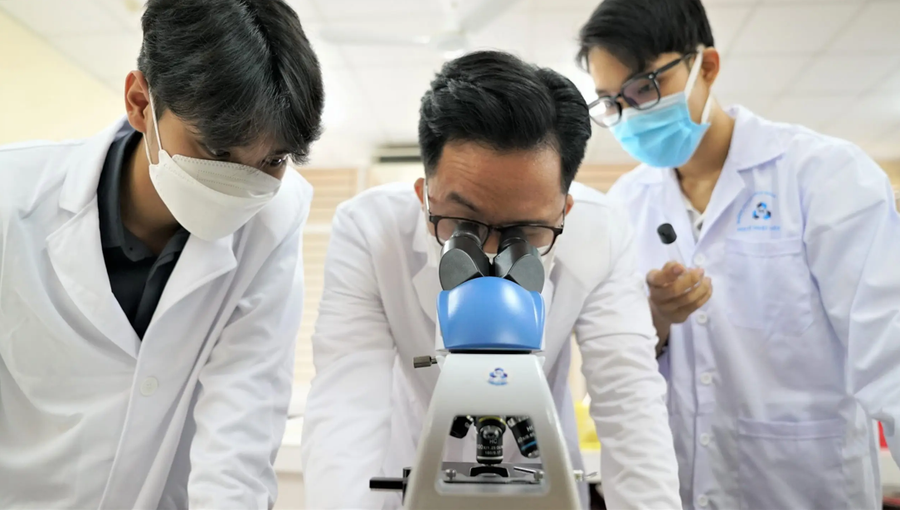
With a vision for the period 2026-2030, Mr. Dat called for accelerating mastery of core technologies, perfecting the sandbox mechanism, investing in infrastructure that meets international standards, and strengthening the model of collaboration between the State, scientists, and businesses.
He expects that after the workshop, relevant agencies will develop a set of policy recommendations, a list of priority products, and an inter-sectoral coordination mechanism to soon realize the goal of making biotechnology a key growth driver for the country.
In her opening remarks, Professor Dr. Nguyen Thi Thanh Mai - Vice Director of the Vietnam National University Ho Chi Minh City - stated that the global biotechnology market is estimated to be worth approximately US$1.8 trillion in 2025 and is projected to experience strong growth in the coming years.
Key drivers include advances in research, applications of artificial intelligence, gene editing technology, and the growing demand for innovative solutions in healthcare, agriculture, and industry.
"Meanwhile, the Vietnamese market is only worth about $1.5 billion, which is less than 0.1% of the global market. These figures are a cause for concern for us," Professor Mai shared.
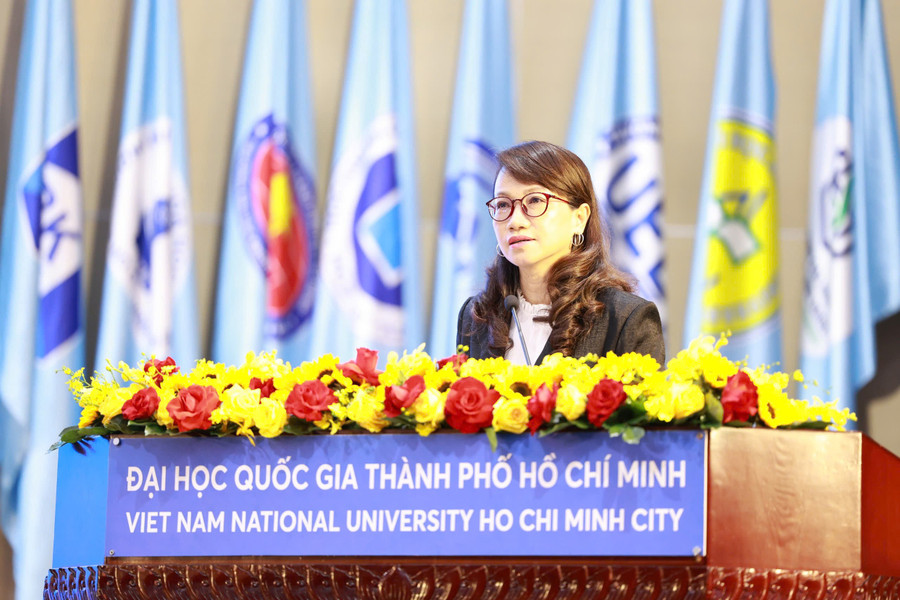
According to Professor Mai, although the Vietnam National University Ho Chi Minh City has a team of more than 250 experts in this field, the transfer of knowledge into commercial products is still limited.
Therefore, the Vietnam National University Ho Chi Minh City has determined that it must proactively become a model higher education institution in connecting the "Three Houses - State, University, and Enterprise" ecosystem, creating a strong impetus for Vietnam to avoid falling behind other countries in the region.
She emphasized that this conference is a great opportunity for scientists, research institutes, businesses, and leaders of ministries and sectors to discuss fundamental solutions to bring Vietnam's biotechnology industry "among the leading countries in Asia".
Action orientation in the new phase
In the keynote address, Associate Professor Dr. Nguyen Phu Hung - Department of Science, Technology and Engineering, Ministry of Science and Technology, presented a report on the results of implementing Resolution 189/NQ-CP and the orientation for the period 2026 - 2030.
Mr. Hung affirmed that biotechnology is a field with a wide-ranging impact, being strongly applied in agriculture, processing industries, medicine, environment, and national security and defense.
Regarding achievements, Mr. Hung stated that Vietnam has made significant progress. In agriculture, the country has mastered CRISPR/Cas9 gene editing technology, cell technology, and enzyme-microbial technology; developed DNA barcodes for 180 rice varieties and 53 medicinal plants; and created many plant varieties and biological products that help increase economic efficiency by 15-20%.
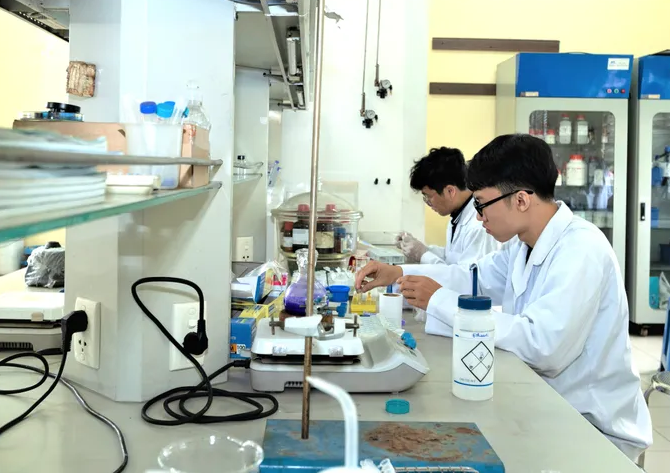
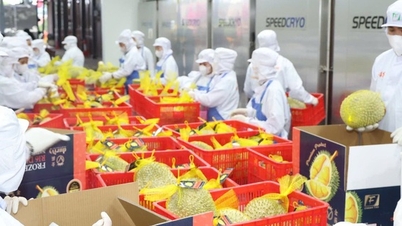
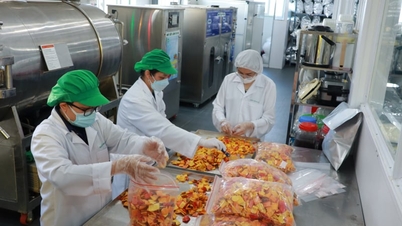
In the field of industry and trade, many businesses are collaborating with research institutes to develop the value chain for edible mushrooms and processed mushroom products, thereby increasing the value of agricultural products.
In the environmental field, biotechnology has been applied to address pollution, environmental incidents, reduce greenhouse gas emissions, and treat centralized waste and agricultural waste.
"However, alongside the achievements, there are many major challenges such as bottlenecks in mechanisms, policies, and administrative procedures. Laboratory and testing center infrastructure remains scattered and lacks international standards."
"There is a shortage of human resources capable of connecting research, production, and commercialization. At the same time, the financial mechanism does not meet the needs of developing long-term, high-risk programs," Mr. Hung said.
Based on that, Mr. Hung outlined the implementation plan for the 2026-2030 period, emphasizing three major task groups. These are: strengthening communication, raising awareness, and monitoring the implementation of Resolution 189/NQ-CP; and strongly promoting the achievements and applications of biotechnology.
Next, we need to strengthen research, application, and technology transfer; and promote digital transformation in the biotechnology industry so that biotechnology becomes an economic and technical sector contributing to GDP.
Finally, we need to develop biotechnology businesses; increase linkages between scientists, businesses, and local authorities; encourage businesses to produce plant varieties, pharmaceuticals, and microbial products; and promote international cooperation, attracting Vietnamese experts abroad.
Mr. Hung also recommended that the Government, ministries, and localities implement comprehensive solutions, improve legislation and specific mechanisms, increase budget investment, build a modern laboratory system, encourage the use of domestic biotechnology products, and strengthen reporting mechanisms to closely monitor progress.
Source: https://giaoducthoidai.vn/chien-luoc-dua-cong-nghe-sinh-hoc-but-pha-post758685.html
![[Photo] Secretary of the National Assembly Party Committee, Chairman of the National Assembly presides over the meeting of the Standing Committee and Executive Committee of the National Assembly Party Committee.](https://vphoto.vietnam.vn/thumb/1200x675/vietnam/resource/IMAGE/2026/06/03/1780480353201_ndo_br_bnd-2585-jpg.webp)
![[Photo] General Secretary and President To Lam presides over a meeting with the Central Organizing Committee.](https://vphoto.vietnam.vn/thumb/1200x675/vietnam/resource/IMAGE/2026/06/03/1780482764658_a1-bnd-4741-3342-jpg.webp)



![Transforming from Resolution 57: [Part 3] High-tech agricultural center](https://vphoto.vietnam.vn/thumb/402x226/vietnam/resource/IMAGE/2026/06/03/1780491765550_2928-4922-img_7193-010813_454-010814.jpeg)















































![[Video] Sunset at Lap An Lagoon – Where the sun sets over the fishing nets](https://vphoto.vietnam.vn/thumb/1200x675/vietnam/resource/IMAGE/2026/05/31/1780192137701_beach-landscape-sea-water-nature-grass-745871-pxhere-com.jpeg)






























Comment (0)