

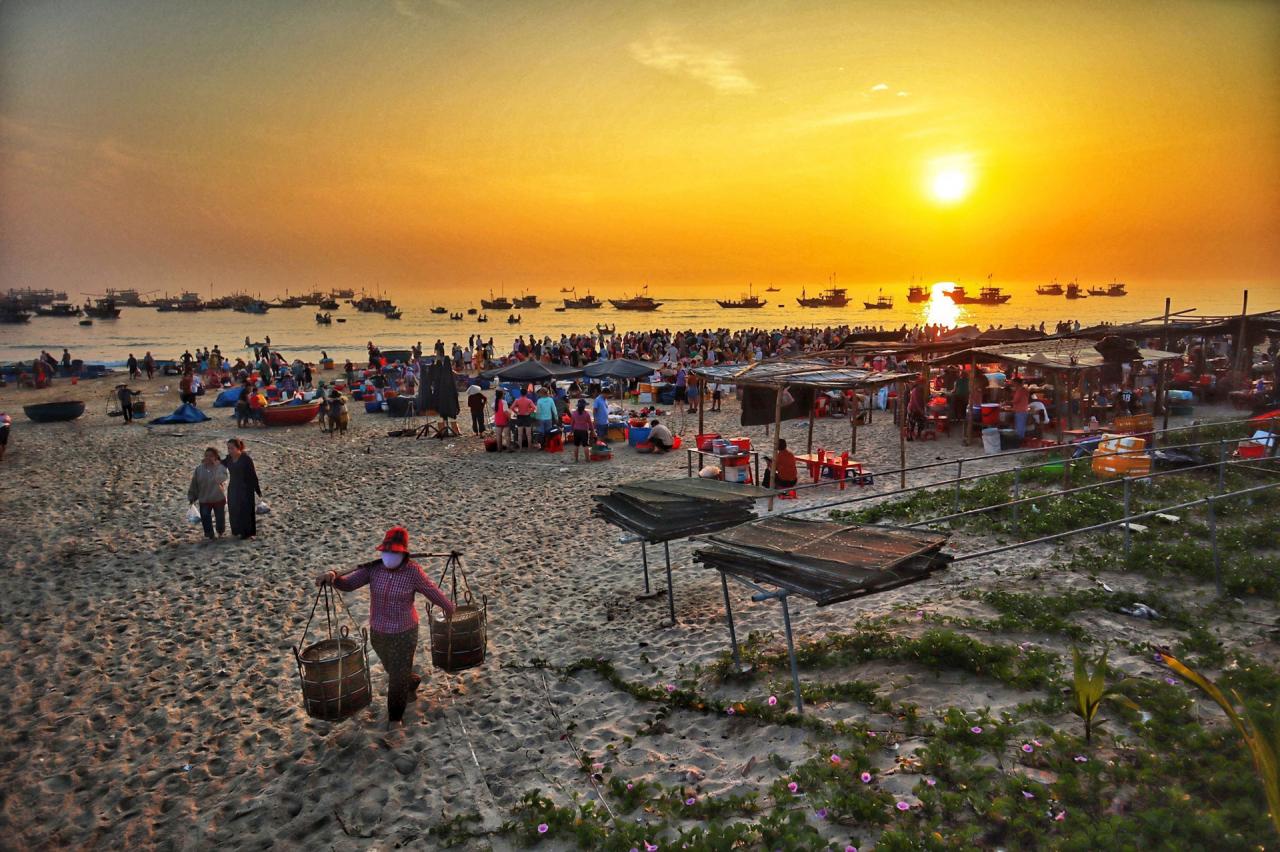
Fishermen's market
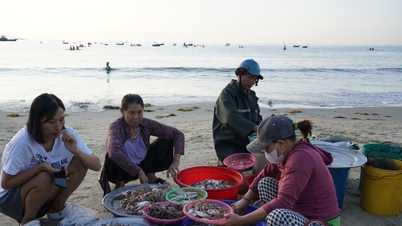
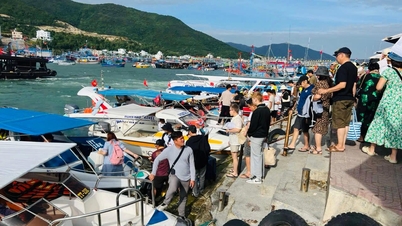
Coastal fish markets are usually only open for a short time. Fishing village markets are often bustling and lively, yet fleeting. Perhaps that's why, in folk songs about love, the setting of the fish market and the selection of fresh goods become interesting metaphors for the "pickiness" of young people during their brief youth.
"When the market is crowded, you complain that the red snapper is bland/ When the market is over, you praise the silver shrimp as delicious/ When the market is crowded, you complain that the red snapper is bland/ When the market is over, you have to buy the silver shrimp/ When the market is crowded, you complain that the snakehead fish is bland/ When the market is over, you buy the catfish."
This folk song has many variations, but all are structured around the contrast between "the bustling market" and "the deserted market." Perhaps this is to depict the fleeting nature of youth and life, thereby criticizing the subjective and hesitant attitude that leads to overlooking the best choices. Because "the market" is also "life," going to the market, like venturing into life, requires a clear-headed yet tolerant attitude, choosing wisely while being understanding and tolerant, in order to achieve a harmonious relationship between buyer and seller.
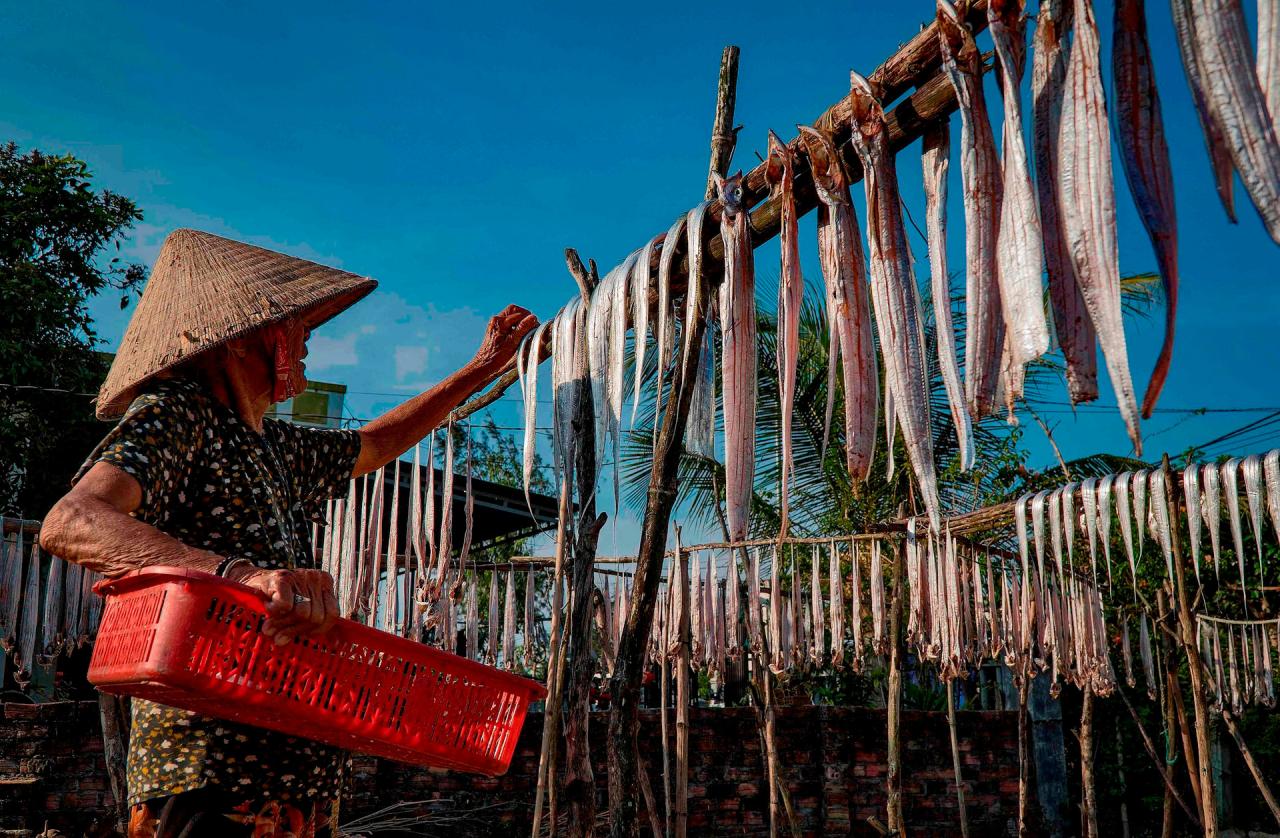
A peaceful and comfortable space.
Unlike the ambiguous and multifaceted nature of folk songs, coastal fishing villages and fishing markets entered medieval poetry as a realistic setting, serving as a measure of the prosperity and peace of a rural area.
King Tran Anh Tong, returning from his campaign against Champa, stopped at Phuc Thanh estuary (present-day Ninh Binh ) at dawn, capturing the peaceful and poetic scene of the coastal fishing village in his poem "Returning from the campaign against Champa, anchoring the ship at Phuc Thanh estuary".
The poem depicts a tranquil yet poetic fishing village, evoking the profound thoughts of a soldier returning from battle. Having just experienced the ravages of war, standing before the peaceful scene of the fishing village at the edge of the waves, the heart is warmed, temporarily forgetting the images of the conflict.
“The embroidered boat returns home, its wooden clogs tied together / Heavy morning dew wets the thatched roof / The moon just rises over the pine-covered mountain village / The red blossoms of the fishing village have passed by / Countless flags fly, the sea shines brightly / Five watches of trumpets and drums, the heavenly palace descends / By the window, the heart is suddenly warmed by the river and sea / The curtain no longer clings to the dream of flowers” (Translation by Pham Tu Chau).
While the fishing village setting in the previous poem is depicted with many poetic images, in "Bao Kinh Canh Gioi" - poem 43, Nguyen Trai recreates the sounds of the fish market blended with the buzzing of cicadas to create the vibrant atmosphere of rural life on a summer day.
"The bustling fish market of the fishing village / The chirping of cicadas in the twilight / Perhaps the Ngu lute plays a single note / The people are prosperous in every direction."
Medieval poetry often suggests more than it describes, so by simply using inversion and emphasizing the "bustling" sounds of the fishing village's fish market, Nguyen Trai brought to life the lively atmosphere on the docks and boats, with buyers and sellers exchanging goods and haggling, stirring up the peaceful countryside.
Nguyen Trai had endured twenty years of hardship and suffering during the resistance against the Ming invaders, witnessing the immense pain and suffering of the people in the face of foreign invasion. Therefore, for him, the bustling sounds of the fishing village market in the afternoon, though simple, evoked profound emotion because that peace had been achieved at the cost of so much bloodshed. The lively sounds of the rural market also stirred in him the dream of possessing the lute of Emperor Shun to play the song "Southern Wind," praying for favorable weather and a bountiful harvest.
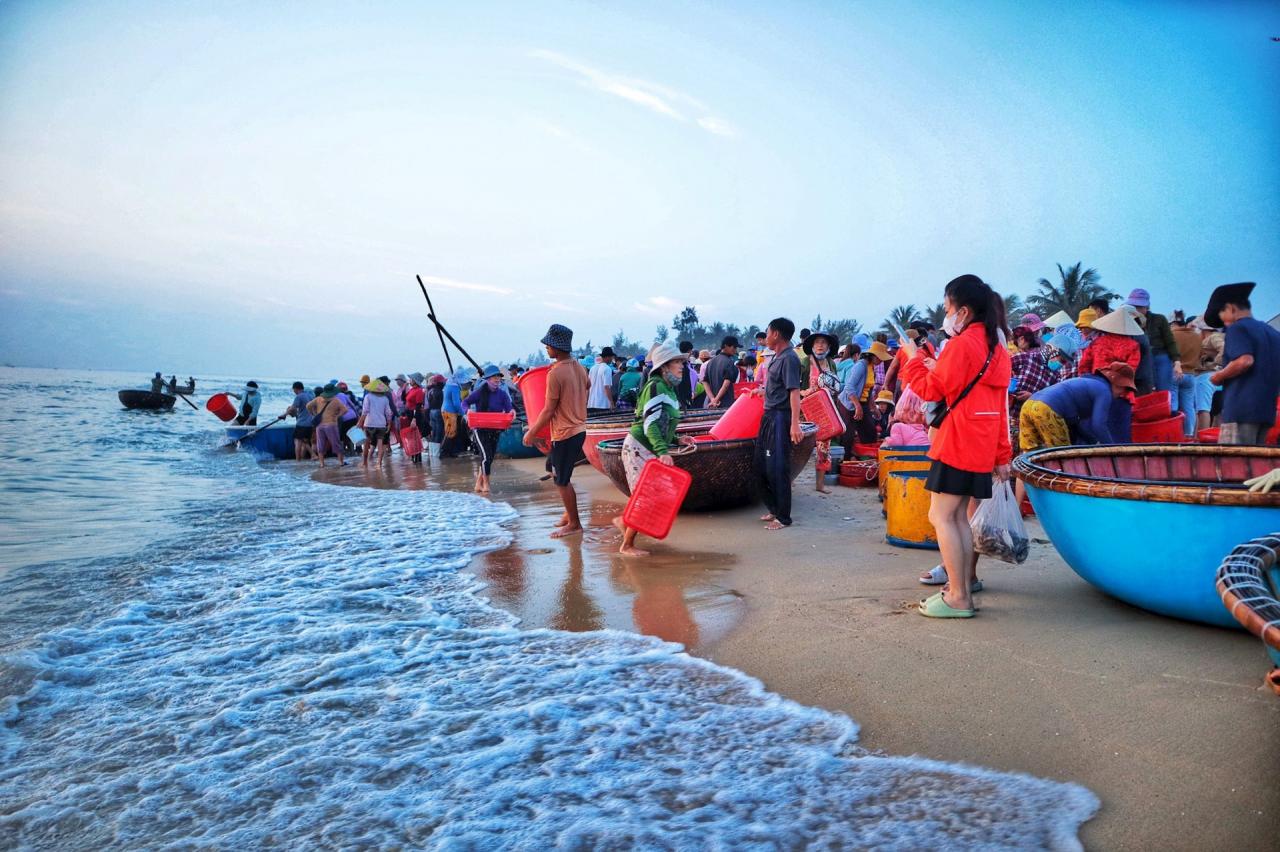
"Where is the sound of the distant village market fading in the evening?"
The simple yet warm sounds of the afternoon market in "Quốc âm thi tập" (Nguyen Trai's collection of poems in the vernacular) perhaps became the poignant longing of Huy Can in "Tràng giang" during the New Poetry movement: "Where is the sound of the distant village market closing in the afternoon?"
When mentioning the New Poetry movement, one cannot ignore the image of a fishing village on the coast of Quang Ngai that has been deeply imprinted in the hearts of generations of readers: "The next day, there was a commotion at the dock / The whole village was bustling to welcome the boats back" (Excerpt from Homeland, Te Hanh).
Within the "poetic school" of rural poetry in the New Poetry movement, Nguyen Binh, Anh Tho, and Doan Van Cu stood out as a distinct branch due to their imagery and poetic style deeply rooted in the rural landscapes of Northern Vietnam. Only Te Hanh "existed in his own world," with his depictions of coastal villages in Central Vietnam imbued with the rich flavors of the sea.
Te Hanh's poetry is simple yet always moves the reader deeply, overflowing with sounds, images, and the scents of his homeland. Only those who live anxiously awaiting the sea can truly understand the harshness of the fishing profession: "A forehead dripping with bitter sweat / Countless lives buried in the cold, dark depths" (Before the Sea, Vu Quan Phuong). In that challenging conquest of the ocean, the fishermen are "sculpted" by Te Hanh as robust as the statues of Odysseus: "Fishermen with sun-tanned skin / Their whole bodies exuding the scent of distant lands."
Those coastal fishing villages in Central Vietnam not only remain vividly in the soul of Te Hanh but also come alive again in the memory of the poet Thu Bon during the resistance against the American war: “Carrying loads of fish gleaming with silver light / Feet hurrying quickly / On the calm shore, you sing loudly / The tide rises, stirring the fishing boats / On the day you left, I promised to return / The salt of the sea remains salty forever, my love / Remember me, remember the boat stirring the waves / A small, delicate sail against the horizon” (Excerpt from the epic poem "The Song of the Chơ-rao Bird," Thu Bon).
Although set against the backdrop of the majestic, sun-drenched Central Highlands, Thu Bồn's epic poem "The Song of the Chơ-rao Bird" expands the dimension of the country through the boundless space of nostalgia. In the dream of the soldier shackled in the American prison cell, there is the image of the coastal homeland teeming with shrimp and fish, and the passionate love of a girl with a "soul like the waves of the sea."
Looking back at the image of the fishing village market in Vietnamese poetry, both ancient and modern, we see that the fishing village setting is not just a familiar backdrop shaping the Vietnamese soul. Within that space lie countless thoughts and aspirations of people for a peaceful, prosperous life, intertwined with the heroic and romantic desire to conquer nature.
Amidst the whirlwind of urbanization, we hope the sounds of the "fishing village fish market" will continue to resonate, providing a foundation for the nation's life, a reminder of its roots: "The sea gives us fish like a mother's heart / Nurturing our lives from the very beginning" (Huy Can).
Source

































































































Comment (0)