

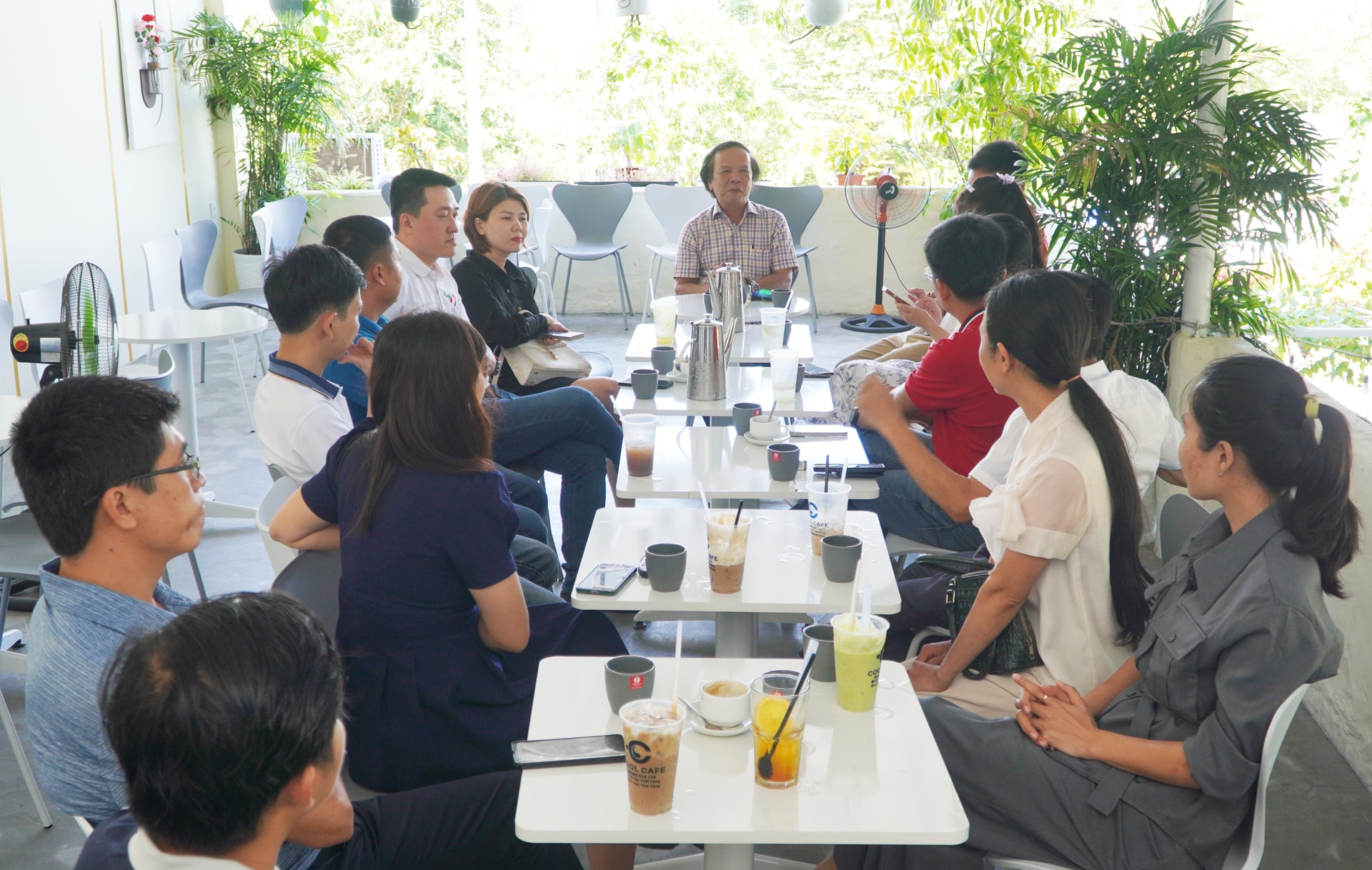
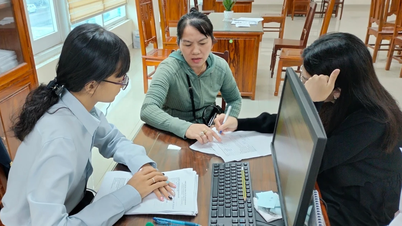
On the morning of August 14th, the "Startup Coffee" program was held in Ban Thach ward, southern Da Nang, with the participation of Mr. Pham Ngoc Sinh, Deputy Director of the Department of Science and Technology, along with nearly 20 startups and businesses operating in the fields of manufacturing, technology, and trade.
Policy suggestions
In the intimate setting of a morning coffee, the conversation begins with the realities of production and marketing for local businesses, especially those pursuing the OCOP product model or developing in a high-tech direction.
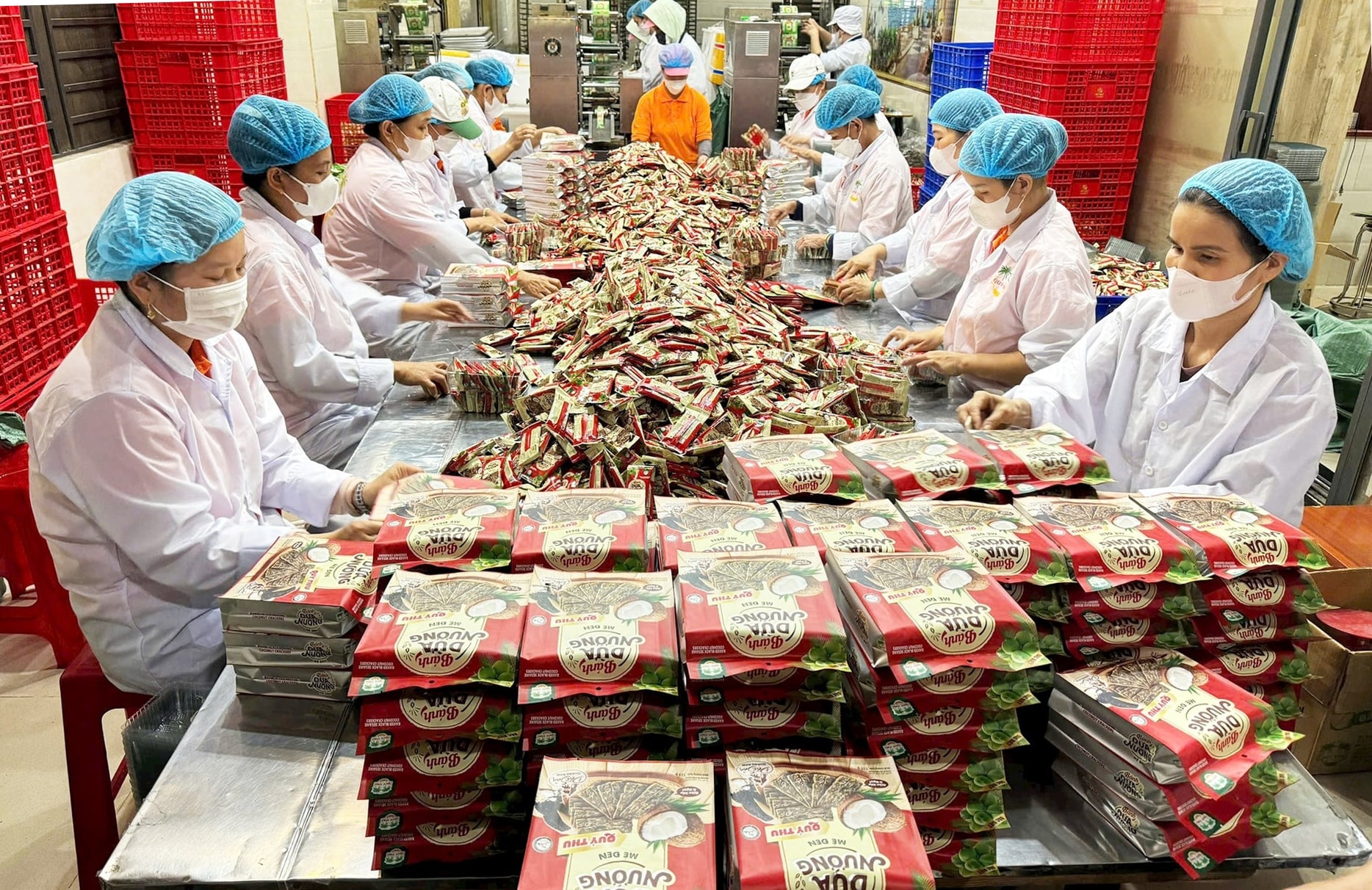
Quy Thu Production and Trading Co., Ltd. (Xuan Phu commune) is famous for its baked coconut cake product, which has received a national 5-star OCOP certification. Ms. Luu Thi Thu, the company's director, believes that policies supporting factory construction in localities like Can Tho are what startups in Da Nang currently need.
"I used to do trade promotion in the southern provinces, and some customers placed large orders, but our production capacity wasn't enough to meet them. If the city could support a production center with shared infrastructure and standards, it would be a huge boost. No startup wouldn't aspire to that," Ms. Thu shared.
Based on these practical needs, some businesses have proposed building a production support center model in the form of a sandbox – a controlled testing center – to facilitate startups in producing goods based on seasonal orders or specialized product groups.
The business proposals also come with mechanisms for accountability. Opinions suggest that the allocated land must be "clean land" free from compensation and relocation issues; businesses must demonstrate their capacity, production needs, and commit to a roadmap for generating profits and contributing to the state budget within 3-5 years of operation.
According to some businesses, there are still many barriers to accessing certification procedures, while this is a prerequisite for products to reach larger markets.
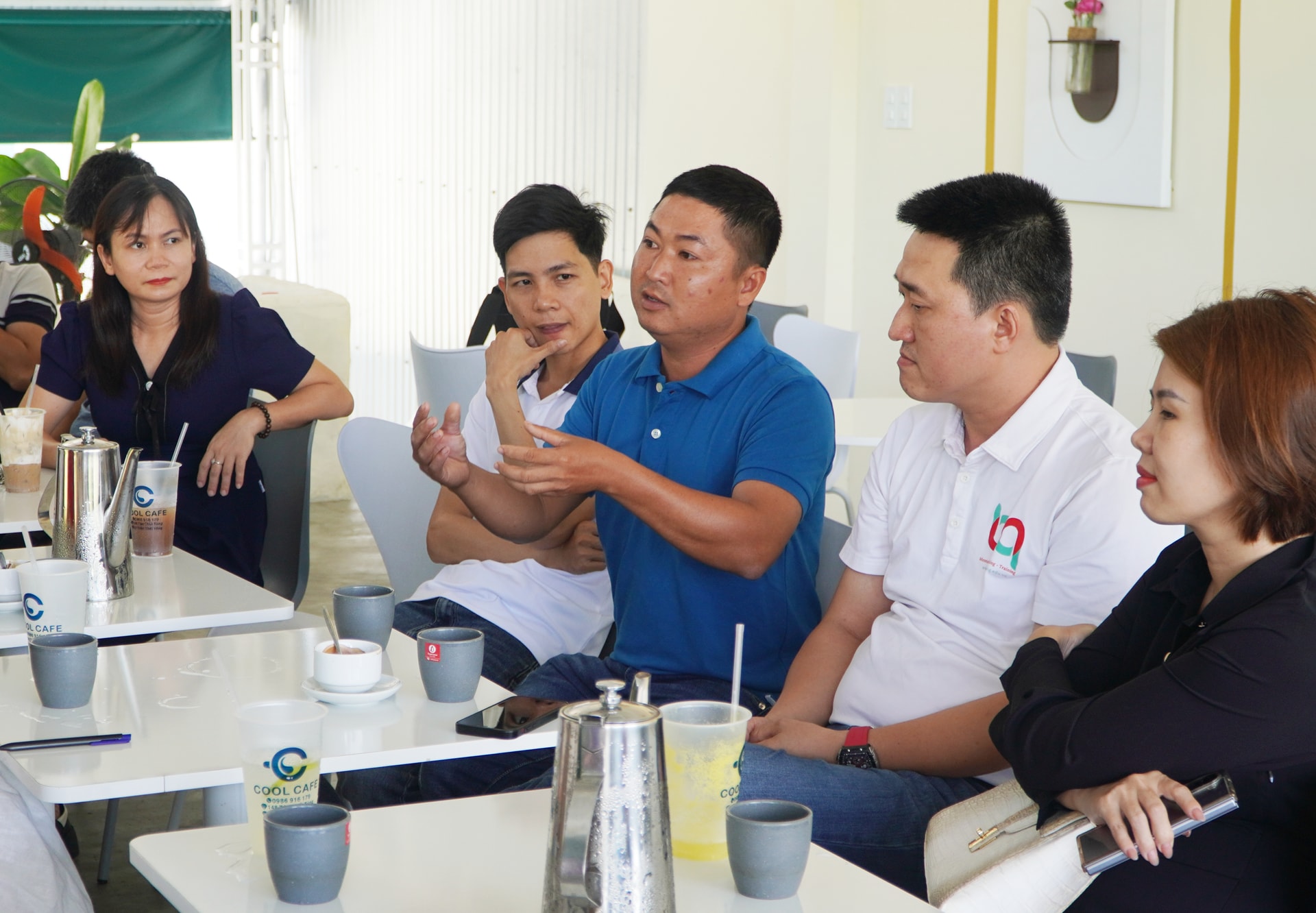
Mr. Nguyen Van Dung, founder of the VIPRI waterproof cement project, said: “To obtain a Certificate of Origin (C/Q), we have to go to the Ministry of Industry and Trade , which is time-consuming and costly. If the city had a mechanism to support the costs and simplify the procedures for obtaining these documents, businesses would be more confident in their plans to expand internationally.”
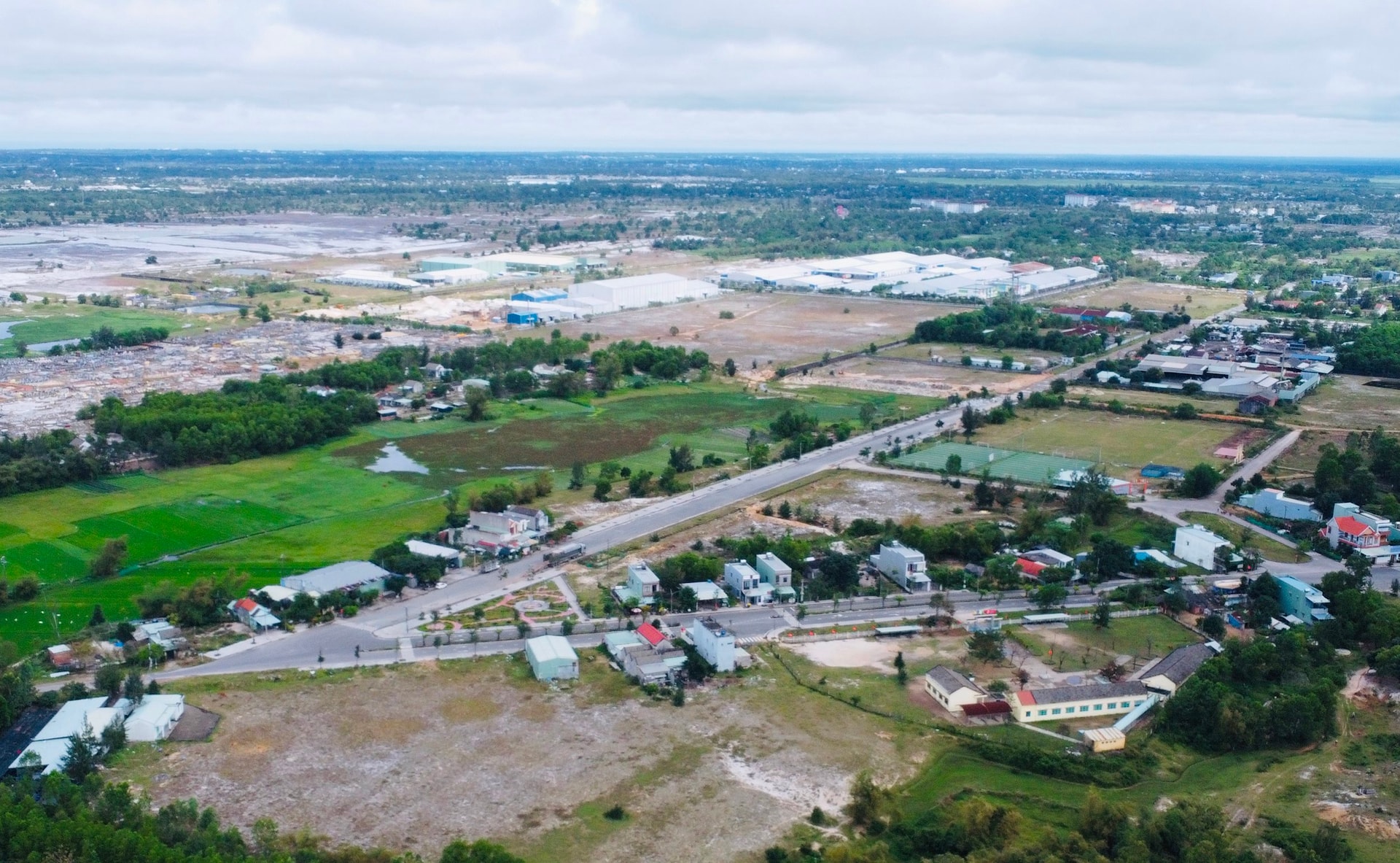
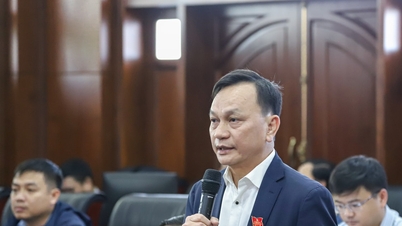
For technology businesses, the issue of support also requires a more thorough approach. According to Mr. Pham Huu Tam, Director of Vietnam Green Science and Technology Development Joint Stock Company, a unit specializing in designing, manufacturing, and exporting industrial machinery based on scientific research, even with products sold abroad, the company still struggles due to financial pressure and a lack of mechanisms to support investment in production capacity.
“We lease land in the industrial park at market cost, but our resources start from zero. Policies supporting post-investment financial assistance or support for scientific and technological research projects haven't reached us. Our biggest wish is for a clear, accessible, and transparent process so that science and technology enterprises can confidently develop,” Mr. Tâm suggested.
[VIDEO] - Mr. Pham Huu Tam shares about building an innovative startup ecosystem in Da Nang city:
Policies must be closely aligned with businesses.
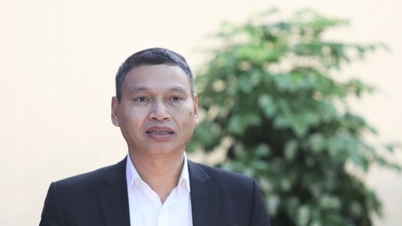
Mr. Pham Ngoc Sinh, Deputy Director of the Department of Science and Technology, affirmed that "Startup Coffee" is an open and approachable way to create a space for listening and dialogue between the government and the startup community.
“We organize coffee meetings in various areas, including the city center, the south, and the Hoi An ward area, to directly understand the needs. Not only will we listen, but the city will also respond with specific, practical policies,” Mr. Sinh said.
Mr. Sinh stated that, according to Government Decree No. 57/2025/ND-CP, the state budget will allocate approximately 75,000 billion VND for science and technology, innovation, and digital transformation by 2030. Of this amount, Da Nang city plans to allocate 300 billion VND to implement the "Innovative City" project, a key component of the local digital economy development strategy.
The financial support mechanism will be implemented in a "post-investment" manner, meaning startups invest their own capital upfront, and then, based on the budget estimate, they will be reimbursed from the state budget. The support level will range from 30-50%, depending on the nature of the project.
Before waiting for the new support scheme to be approved, startups need to carefully study Decree No. 57 and the Law on Science and Technology to proactively apply the existing incentives correctly, fully, and effectively, so as not to miss out on any policies.
Mr. Pham Ngoc Sinh, Deputy Director of the Department of Science and Technology
Several specific mechanisms are also being developed, such as: a one-time, annual grant for recognized startups to receive overseas training; a VND 30 million subsidy for businesses participating in innovation events in Southeast Asia and VND 50 million for events outside the region. Specifically for meeting international standards, each product will receive VND 20 million per certification, with a maximum of 3 products per business.
[VIDEO] - Mr. Pham Ngoc Sinh shares the purpose of the "Startup Coffee" program:
"Policy development needs to be closely aligned with the needs of each business group. Even small but substantial proposals, such as support for certification costs, export procedures, and production facilities, are crucial data for us to adjust mechanisms in the right direction," Mr. Sinh affirmed.
Source: https://baodanang.vn/chuong-program-ca-phe-khoi-nghiep-lang-nghe-va-dong-hanh-voi-doanh-nghiep-3299430.html



![[Photo] Closing Ceremony of the 10th Session of the 15th National Assembly](/_next/image?url=https%3A%2F%2Fvphoto.vietnam.vn%2Fthumb%2F1200x675%2Fvietnam%2Fresource%2FIMAGE%2F2025%2F12%2F11%2F1765448959967_image-1437-jpg.webp&w=3840&q=75)
![[Photo] Prime Minister Pham Minh Chinh holds a phone call with the CEO of Russia's Rosatom Corporation.](/_next/image?url=https%3A%2F%2Fvphoto.vietnam.vn%2Fthumb%2F1200x675%2Fvietnam%2Fresource%2FIMAGE%2F2025%2F12%2F11%2F1765464552365_dsc-5295-jpg.webp&w=3840&q=75)







































![[OFFICIAL] MISA GROUP ANNOUNCES ITS PIONEERING BRAND POSITIONING IN BUILDING AGENTIC AI FOR BUSINESSES, HOUSEHOLDS, AND THE GOVERNMENT](https://vphoto.vietnam.vn/thumb/402x226/vietnam/resource/IMAGE/2025/12/11/1765444754256_agentic-ai_postfb-scaled.png)






































Comment (0)