

Start your day with health news; you can also check out these articles: 5 benefits of eating spinach every day; The benefits of exercising on weekends ; What are the standard heart rate and blood pressure readings?...
When is the best time to check your blood pressure at home?
Regularly checking your blood pressure at home is an important way to manage high blood pressure, but for accurate results, it needs to be measured correctly.
According to the U.S. Centers for Disease Control and Prevention (CDC), nearly half of people with high blood pressure are unaware they have the condition. Uncontrolled high blood pressure can be dangerous because it increases the risk of heart attack and stroke.
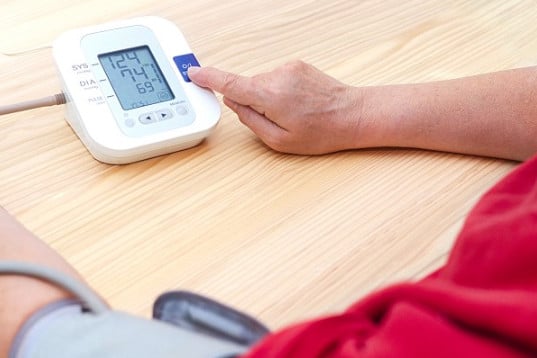
It is best to measure blood pressure twice a day, once in the morning and once in the late afternoon or early evening.
The American Heart Association (AHA) recommends that all patients with high blood pressure should check their blood pressure regularly at home and share the results with their doctor.
Dr. Giv Heidari-Bateni, a cardiologist and Director of the Center for Hypertension at the Heart Institute, Loma Linda University (USA), said: Patients with high blood pressure who regularly check their blood pressure at home and share the results with their doctor will help the doctor determine when medication is needed or whether the current dosage of medication is sufficient.
The AHA recommends checking blood pressure daily. Dr. Maureen Wang, a cardiologist at the Brooklyn Health System (USA), says: "Ideally, you should measure it twice a day, once in the morning and once in the late afternoon or early evening. " Further details of this article will be available on the health page on December 15th .
5 benefits of eating spinach every day
Spinach is a nutrient-rich food that offers many digestive benefits. Thanks to its positive effects on the gut, eating spinach regularly can help improve overall health.
Spinach, also known as kale or collard greens, is a leafy green vegetable that is low in calories but rich in essential nutrients such as vitamins A, C, and K, magnesium, and iron. Therefore, spinach is one of the foods recommended for regular consumption.
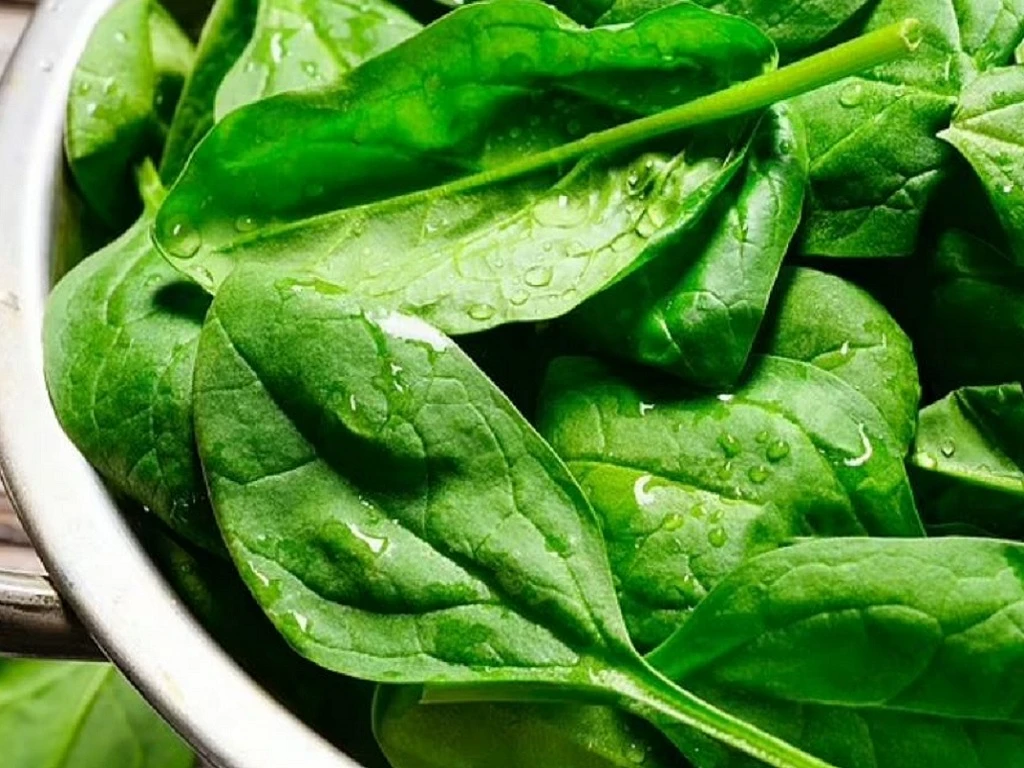
Eating spinach regularly helps improve digestion and reduce constipation and bloating.
Your digestive system will benefit from eating spinach regularly.
Prevent constipation. Constipation is one of the most common digestive problems. The good news is that spinach can be an effective way to alleviate this discomfort. With its high fiber content, spinach promotes bowel movements and prevents constipation. By adding spinach to your meals, your digestive system will function more easily and constipation will be prevented.
Improve gut health. Maintaining a healthy gut is crucial for overall health. Spinach, in particular, can play a significant role in optimizing gut health. This leafy green vegetable's strength lies in its prebiotic fiber content, which serves as food for beneficial bacteria in the gut. This allows these beneficial bacteria to thrive more easily, helping to balance the gut microbiome, improve digestion, and enhance nutrient absorption. Readers can find more information on this topic on the December 15th health page .
Good news for busy people: The benefits of exercising on weekends.
Many people are too busy during the week to maintain a regular exercise routine. They then take advantage of the weekend to exercise and improve their health. A recent study has found that even exercising just on the weekend can help improve health.
Regular exercise is a goal for many people. However, work, family responsibilities, and other life challenges make this goal difficult to achieve. Fortunately, recent research confirms that even exercising on weekends can help improve cardiovascular health.

Exercising for 75 minutes a day on the two weekend days can also help keep your heart healthy.
The study was published in the journal JAMA . Researchers analyzed data from over 89,000 people. This data was collected from the UK's Biobank, a biomedical database and research resource. Participants wore a wearable device to track exercise intensity and duration.
The research team found that people who exercise on weekends have a lower risk of heart disease than those who don't exercise, including heart attacks, heart failure, and strokes. Specifically, the risk of heart disease in those who exercise on weekends is as low as in those who exercise regularly throughout the week.
"Increasing exercise, even if it's just focusing on training for 1 to 2 days a week, is effective in improving cardiovascular health," the authors concluded. Start your day with health news to read more about this article!
Source link

![[Photo] The General Secretary, President and his wife begin their state visit to the Philippines.](https://vphoto.vietnam.vn/thumb/1200x675/vietnam/resource/IMAGE/2026/05/31/1780230559452_anh-man-hinh-2026-05-31-luc-19-28-11.png)

![[Photo] Solemn bathing ceremony and Buddha procession in Hue](https://vphoto.vietnam.vn/thumb/1200x675/vietnam/resource/IMAGE/2026/05/31/1780228263543_1-jpg.webp)
![[Photo] Admire the coral "masterpiece" amidst the million-year-old heritage of Dak Lak province.](https://vphoto.vietnam.vn/thumb/1200x675/vietnam/resource/IMAGE/2026/05/31/1780221235105_anh-man-hinh-2026-05-31-luc-16-53-27.png)



















![[Video] Sunset at Lap An Lagoon – Where the sun sets over the fishing nets](https://vphoto.vietnam.vn/thumb/340x192/vietnam/resource/IMAGE/2026/05/31/1780192137701_beach-landscape-sea-water-nature-grass-745871-pxhere-com.jpeg)










































![[Photo] Admire the coral "masterpiece" amidst the million-year-old heritage of Dak Lak province.](https://vphoto.vietnam.vn/thumb/402x226/vietnam/resource/IMAGE/2026/05/31/1780221235105_anh-man-hinh-2026-05-31-luc-16-53-27.png)



































Comment (0)