



Illustration: BH
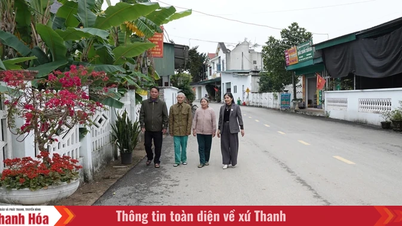
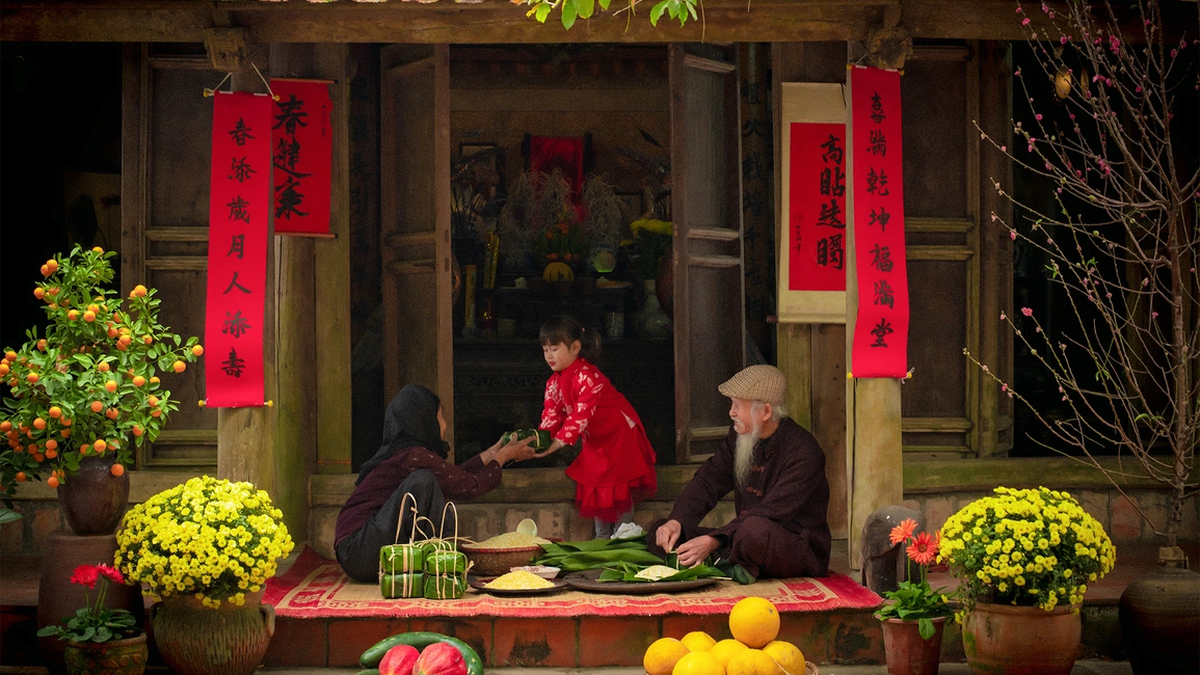
The house remained standing. Not tall, not wide, but as sturdy as the man who built it. The moss-covered roof tiles darkened after countless seasons of rain and sun. The dark, weathered wooden beams, though old, were not crooked, but looked ancient and dignified. In front of the house, my father still planted a few rows of marigolds, just as he always did. He maintained this ingrained habit since I was a child. He planted them not for economic reasons , but to beautify the traditional Tet holiday. And more importantly, because my mother, during her lifetime, loved marigolds very much. But this year, the weather seems extreme, because it's only the 20th of the 12th lunar month, and the garden is already full of blooming flowers. I reached out and gently touched each large, round, sweet-smelling bud, my heart heavy with a vague feeling...
Not letting my thoughts overwhelm me, I hurried into the house. Before I could knock, my father came out. He had aged much more than I had imagined; he was thin and frail, his hair white, his skin wrinkled, and his eyes were etched with deep lines of crow's feet. But his posture was still strong, his steps steady, and his calloused hands were incredibly powerful. He looked at me as if I were a dream that had just returned. His aged eyes widened, and his voice trembled as he uttered a short but vibrant sentence: "You're back, my child?" I bowed my head, not daring to look him in the eye. All the words I had intended to say suddenly vanished. The apologies I had prepared seemed clumsy and superfluous. He put his arm around my shoulder. His thin hand was so warm. I suddenly realized that, for all these years, he had probably been standing here, waiting for this moment. And so, we embraced and wept. He didn't ask me where I had been, what I had been doing, or why I hadn't come to visit him, but the memory of that journey haunted my mind.
That day, I didn't leave my small village because of any grand ambition. I left because of debt. My mother suffered a stroke and was bedridden for many years. Our family was poor; besides the wooden house my father built with his carpentry hands, we had no other assets. Every penny for medicine, every hospital stay, every bowl of rice porridge had to be bought with borrowed money from everywhere. My father grew thinner with each bout of my mother's illness. I threw myself into work, hoping to escape debt, but the more I worked, the deeper I sank. Debt piled upon debt. Hundreds of millions of dong in debt weighed heavily on my chest and shoulders. My mother died in my arms on a drizzly night. Immediately after the burial, I only had time to light one incense stick for her before fleeing into the night. It wasn't cowardice, but fear of implicating my father, of the only house where he could live out his old age.
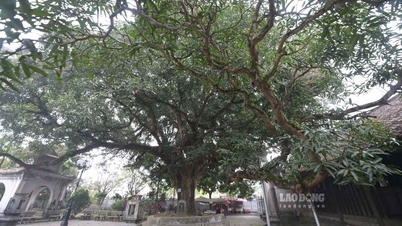
During those years away from home, without family or my elderly father by my side, I had to start everything from scratch. I threw myself into work, lived frugally, and avoided unnecessary pleasures just to save money to send back home to pay off debts. Every Tet holiday, lying in my rented room, I missed home, I missed my father and my deceased mother. I remembered the fragrant marigolds blooming and the large, budding apricot tree standing by the porch. Then I thought of the simple meals for three people. I thought of my mother's dry cough every evening, the rustling sound of my father's bamboo broom sweeping the yard at dawn... These were not only memories but also motivations for me to be stronger and work harder. Thankfully, I was healthy and had a stable job, and eventually I paid off almost all of my debts. But debt isn't just about money. There are debts that become impossible to repay the longer they drag on: the debt to my parents.
The dinner I had with my father on my way home for Tet was as simple as ever. But oh, it was surprisingly delicious and flavorful. It was just vegetables from the garden, but it tasted like a feast. My father spooned each piece for me, eating while watching me as if afraid I would vanish into thin air. When I told him about my difficult years, about the sleepless nights worrying about debt, he just listened in silence. No reproach. No sigh. That silence hurt me more than any criticism.
As night fell, a gentle breeze rustled through the swaying marigolds in front of the house, carrying a pleasant, soothing scent: the scent of the traditional Tet holiday, of reunion and tranquility. Father sat on the porch, sipping a few cups of his "sour tea," his eyes gazing into the distance as if reminiscing about memories. I sat beside him, listening to the chirping of insects, the slowing of time, and the whispers of his heart. Suddenly, he turned to me, his voice choked with emotion: "Stay home with me, my child! I'm old now, I don't have much longer to live! Only with you here can this house truly have Tet!" For the first time in years, I understood that what Father longed for was never money or success. He only wanted me here, in this wooden house with a tiled roof, surrounded by marigolds and peaceful afternoons.
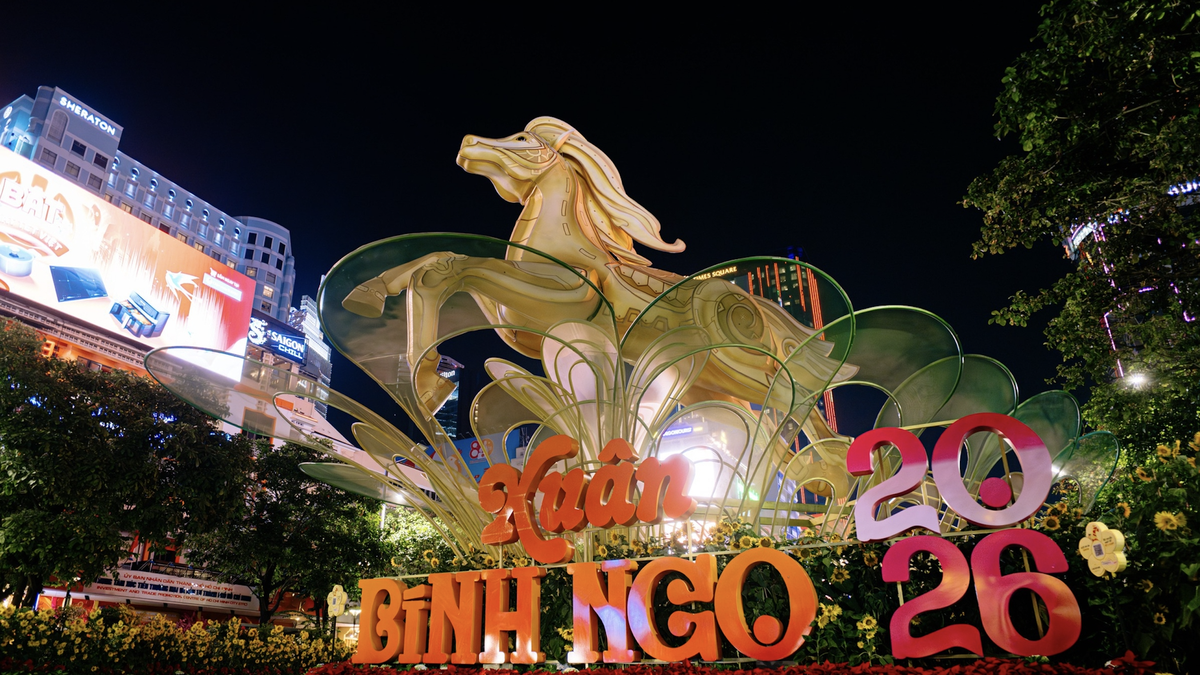
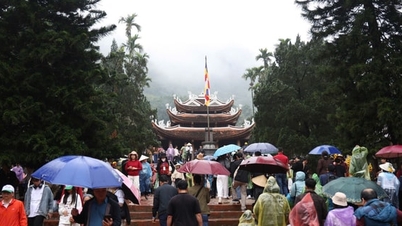
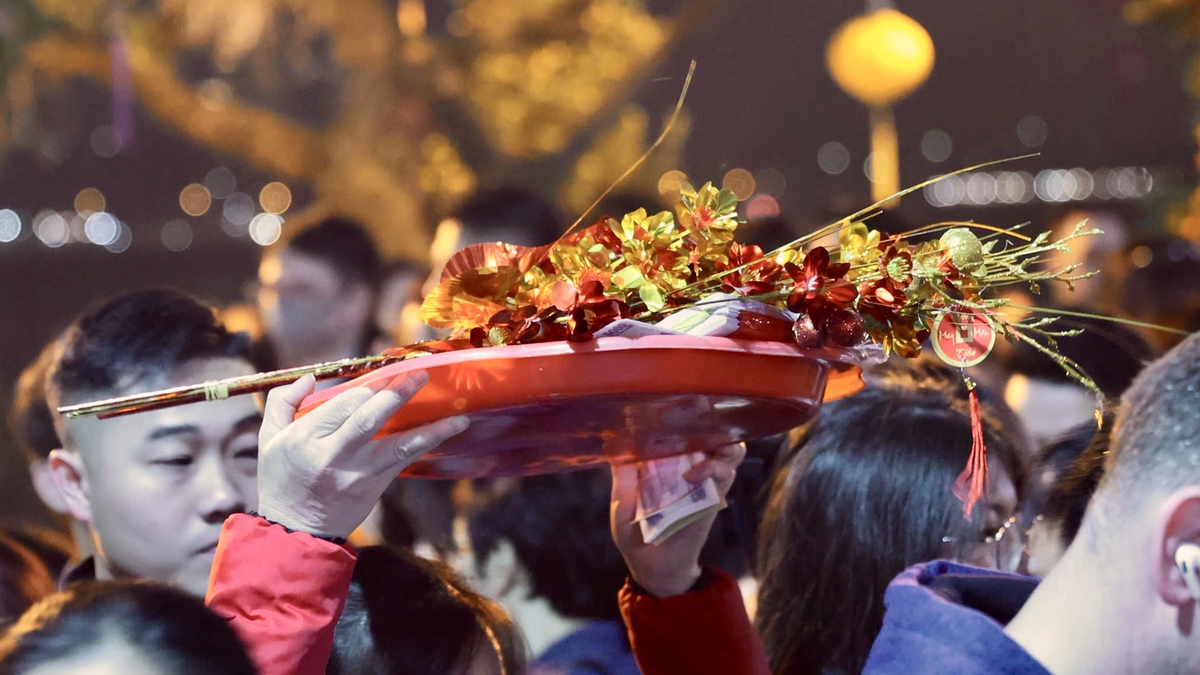
Outside, Tet (Vietnamese New Year) is drawing near. I can sense the festive atmosphere through the bustling traffic, the colorful streetlights, the scent of incense carried on the breeze, the distant sound of temple bells, and the joy of the workers returning home on the night buses. In the biting cold night, a warm flame ignites in my heart: the flame of sacred fatherly love. Small, fragile, but enough to warm an old father, and enough for me to begin repaying the greatest debt of my life: the debt of being a child.
Essay by DANG TRUNG THANH (Contributor)
Source: https://baothanhhoa.vn/con-ve-nha-co-tet-278366.htm


























































Comment (0)