

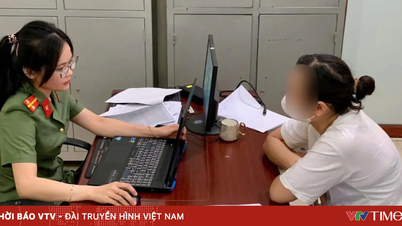
On the afternoon of May 16th, the Investigation Police Department of the Ministry of Public Security simultaneously initiated criminal proceedings in five cases for the crime of "Infringement of copyright and related rights" as stipulated in Article 225 of the Penal Code. One of these cases involves Bihaco Media Trading and Service Joint Stock Company (BH Media), with the indictment of Nguyen Hai Binh, General Director of BH Media.
Before CEO Nguyen Hai Binh's arrest, BH Media was one of the giants of the Vietnamese entertainment industry. They operated one of the largest YouTube Content Management Systems (CMS), collaborating with numerous active artists in the market. BH Media was very active in the bolero and children's music segments, and also managed exclusive artists and popular TikTokers.
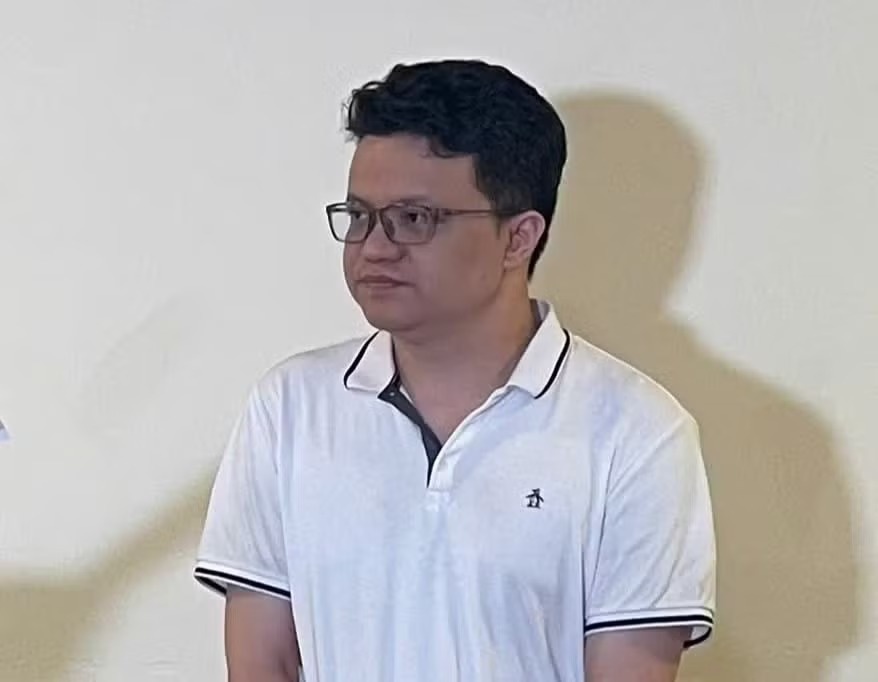 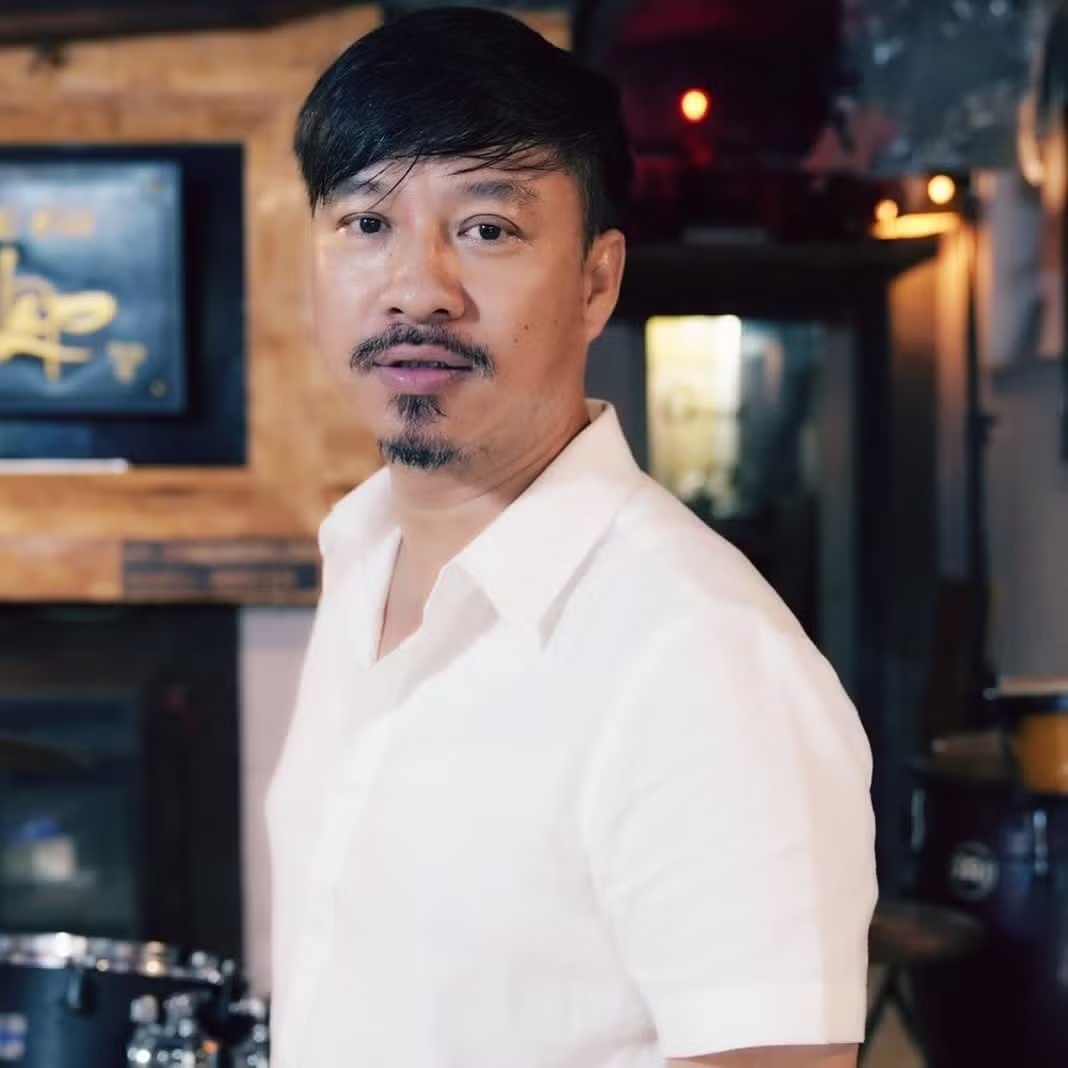 |
The CEO of BH Media and singer Quang Lập have been arrested. |
What is BH Media doing?
BH Media's entire business revolves around managing a multi-platform content management system (CMS) and music distribution. As a multi-channel partner network for major platforms like YouTube, Facebook, and TikTok, BH Media manages thousands of partner channels and shares revenue according to specific agreements.
This unit's mission is to protect and crack down on copyright infringement through Content ID, while also providing strategic solutions to optimize channels and achieve the best revenue results.
In parallel, BH Media is a large-scale digital music distribution and publishing company. They receive audio and video recordings from artists and distribute them directly to digital music platforms such as Spotify and Apple Music. Their responsibilities also include optimizing streaming efficiency (listens), supporting product marketing, and sharing revenue with artists.
The loopholes in BH Media's operations that led to copyright infringement could stem from two factors:
First, through artist partners or sub-distributors, BH Media brings the audio recording of a song to its music library, then manages it using Content ID across multiple platforms. In theory, BH Media is the only entity authorized to exploit that recording. They will take action against copyright infringement cases or claim revenue from individuals/entities using the recording illegally.
Therefore, paradoxes arise such as the national anthem, "Tiến quân ca, " being subjected to copyright infringement. Or the incident where composer Giáng Son was criticized for her own composition, " Giấc mơ trưa" (Midday Dream ).
BH Media heavily focuses on bolero music and children's songs, and at one point even acquired many "revolutionary" songs. They have a dedicated A&R (Artists & Repertoire) team that searches for and manages artists to expand their music library. Whether BH Media fulfills its rights and obligations when managing Content ID on each product, and how it shares profits with artists, remains a big question mark.
Secondly, BH Media is behind an ecosystem of TikTokers and online cover artists. One of them is May Bae, a popular singer on TikTok who specializes in covering Vietnamese and international hit songs. Following standard procedures, BH Media will either apply for (or purchase) copyrights, or provide a readily available library of copyrighted music to partners for remixing and covering. However, where BH Media will exploit this revenue and how they will share it with the copyright holders remains a big mystery.
Three years ago, the owner of the viral hit " Hoa Co Lau" (Reed Flowers) desperately cried for help when remixes flooded TikTok. The creators of these viral TikTok tracks, which even overshadowed the original, were a cover artist linked to BH Media. This is just one example from a period of ambiguity regarding music copyright, where the "big fish eats small fish" phenomenon easily occurs, based on having many ways to legitimize covers and remixes and profit illegally.
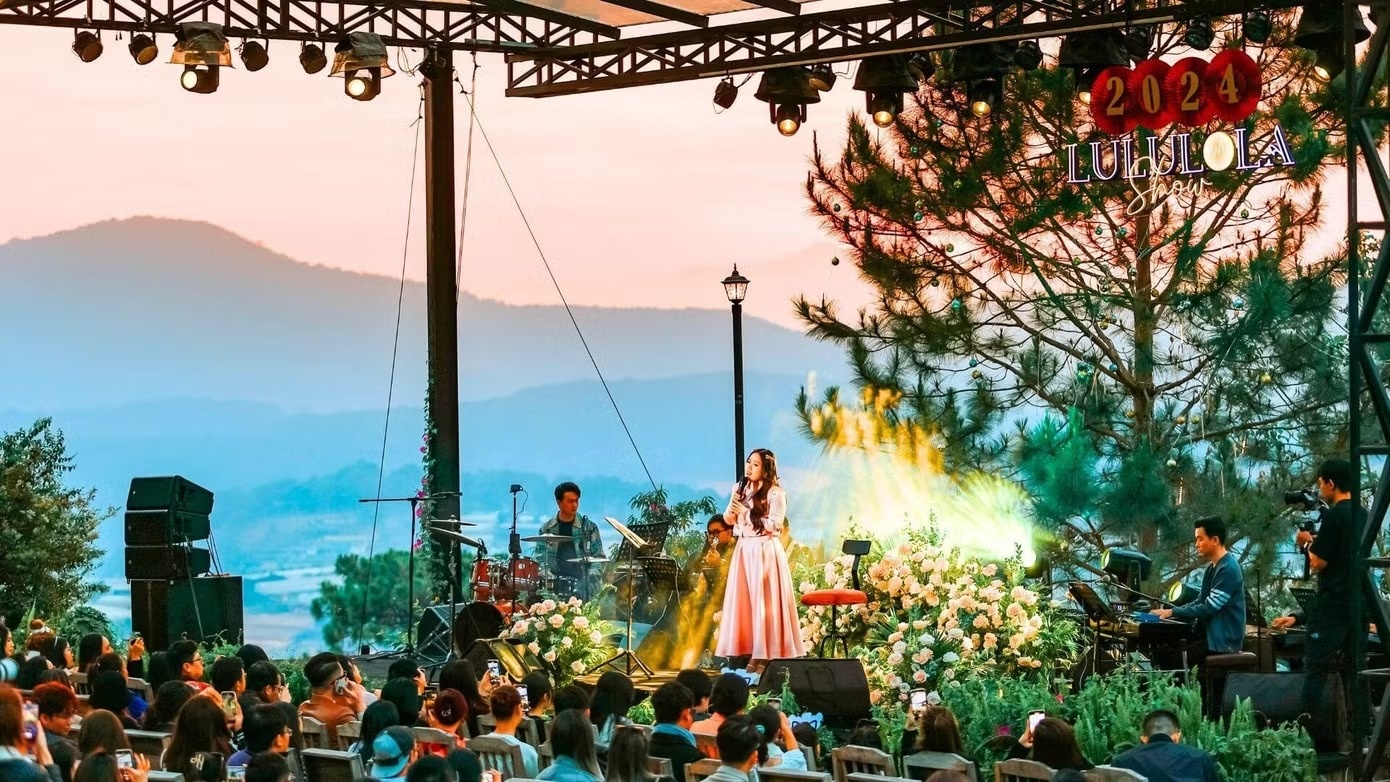 |
Stages specializing in cover songs, like Lululola, could be a loophole in copyright protection. |
Copyright loopholes, recording rights
The investigating agency has initiated legal proceedings against Nguyen Hai Binh, General Director of BH Media; Vo Van Nam, Director of Lululola Entertainment Co., Ltd.; Nguyen Minh Duc, owner of Doi Mat Troi business; and Ngo Thanh Tung, owner of Thong Zeo business, in connection with the case involving the 1900 Group; Vo Hoang Viet and Nguyen Trung Truong Huy, Directors of May Saigon Co., Ltd.; and Diep Van Lap, owner of the Voice of a Lifetime Center.
The common thread in these five criminal cases is that they all involve the creation of derivative music.
Diep Van Lap (singer Quang Lap) is a vocalist specializing in covering bolero music. BH Media is one of the largest producers of derivative music in the market. The popular music nights and stages, backed by May Saigon and Lululola Entertainment, target the ballad genre, inviting singers to perform cover songs requested by the audience.
Copyright infringement of music through derivative products has been a persistent problem in the Vietnamese market for many years. With TikTok – a platform riddled with loopholes in copyright enforcement – blatant copyright violations or circumvention of the law occur daily. Even on YouTube, many individuals and entities still try to evade copyright to maximize their music revenue.
In the simplest terms, individuals/organizations violating music copyright will adjust a few details based on the original song to "circumvent the law," such as changing the vocals or altering the layout to avoid Content ID.
With derivative products like covers or remixes, copyright evasion is even more serious. Many artists, who hold the copyright to such products, can only shake their heads when they go to a coffee shop or barbershop and hear their music—originally ballad, pop, or R&B—transformed into a "pulsating" vinahouse mix.
Individuals/organizations who infringe on music copyrights and create derivative products do so not only for digital distribution. They produce a series of songs, compiling them into playlists to sell to a distributor. The distributor then distributes the music to offline venues such as bars and clubs. There are many ways to distribute copyrighted music, and it is very difficult to completely control this situation.
For live stages like Lululola and May Saigon, the loopholes can stem from two possibilities: Failure to fully comply with copyright obligations for stage performances, or producing and releasing recordings on platforms without fully adhering to regulations and engaging in unfair revenue sharing practices.
Immediately after the Copyright Office issued document No. 314/BQTG-QL&HTQT, the Police Investigation Agency of the Ministry of Public Security simultaneously initiated criminal proceedings in five cases related to the act of "infringing copyright and related rights." This marks the beginning of a comprehensive crackdown on copyright infringement in music in particular and artistic activities in general.
It's time for artists' rights to be properly protected, putting an end to shady practices and the exploitation of others' intellectual property.
Source: https://znews.vn/cu-soc-khi-tong-giam-doc-bh-media-bi-bat-post1652206.html




















![[Photo] Reception to welcome General Secretary and President To Lam and his wife on their State visit to the Philippines](https://vphoto.vietnam.vn/thumb/1200x675/vietnam/resource/IMAGE/2026/06/01/1780295488620_vna-potal-chieu-dai-chao-mung-tong-bi-thu-chu-tich-nuoc-to-lam-va-phu-nhan-tham-cap-nha-nuoc-toi-philippines-8798060-7855-jpg.webp)
























































Comment (0)