

 |
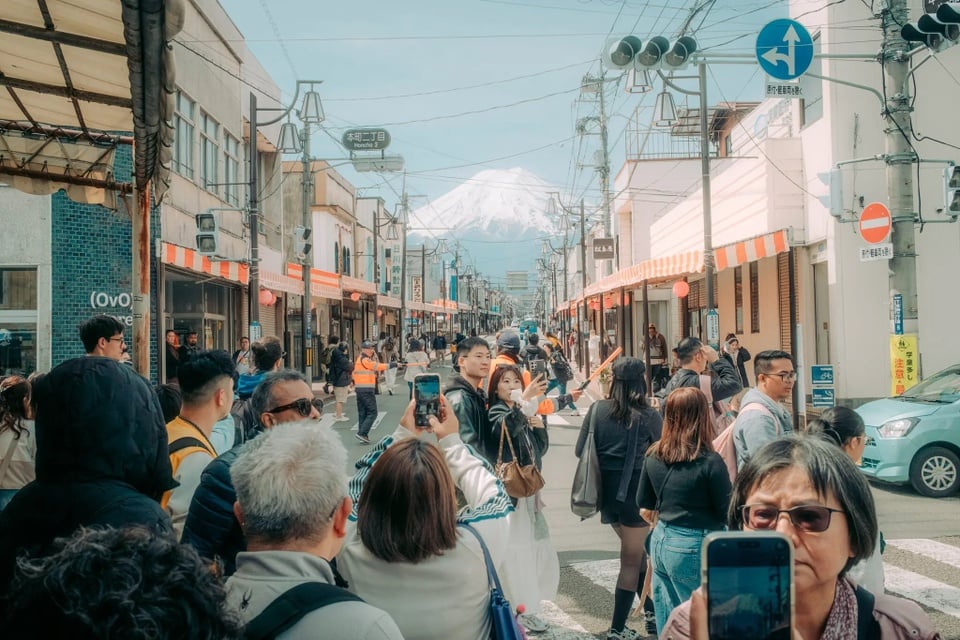
Tourists visit the town of Fujiyoshida, Yamanashi Prefecture, Japan in April. |
Just after dawn, Junichi Horiuchi (54 years old, a member of a local volunteer group) began his patrol at Arakurayama Sengen Park, a popular Mount Fuji viewing spot in Fujiyoshida. He, along with a radio presenter and a medical professor, picked up trash and reminded tourists to stay away from designated walkways.
For Mr. Horiuchi, this job is more than just maintaining cleanliness. Last year, he broke nearly 30 bones after falling off his bicycle while trying to avoid a group of tourists lining up to take photos with Mount Fuji.
"I want people to respect Japanese culture and laws," he said. For him, this is a matter of life and death.
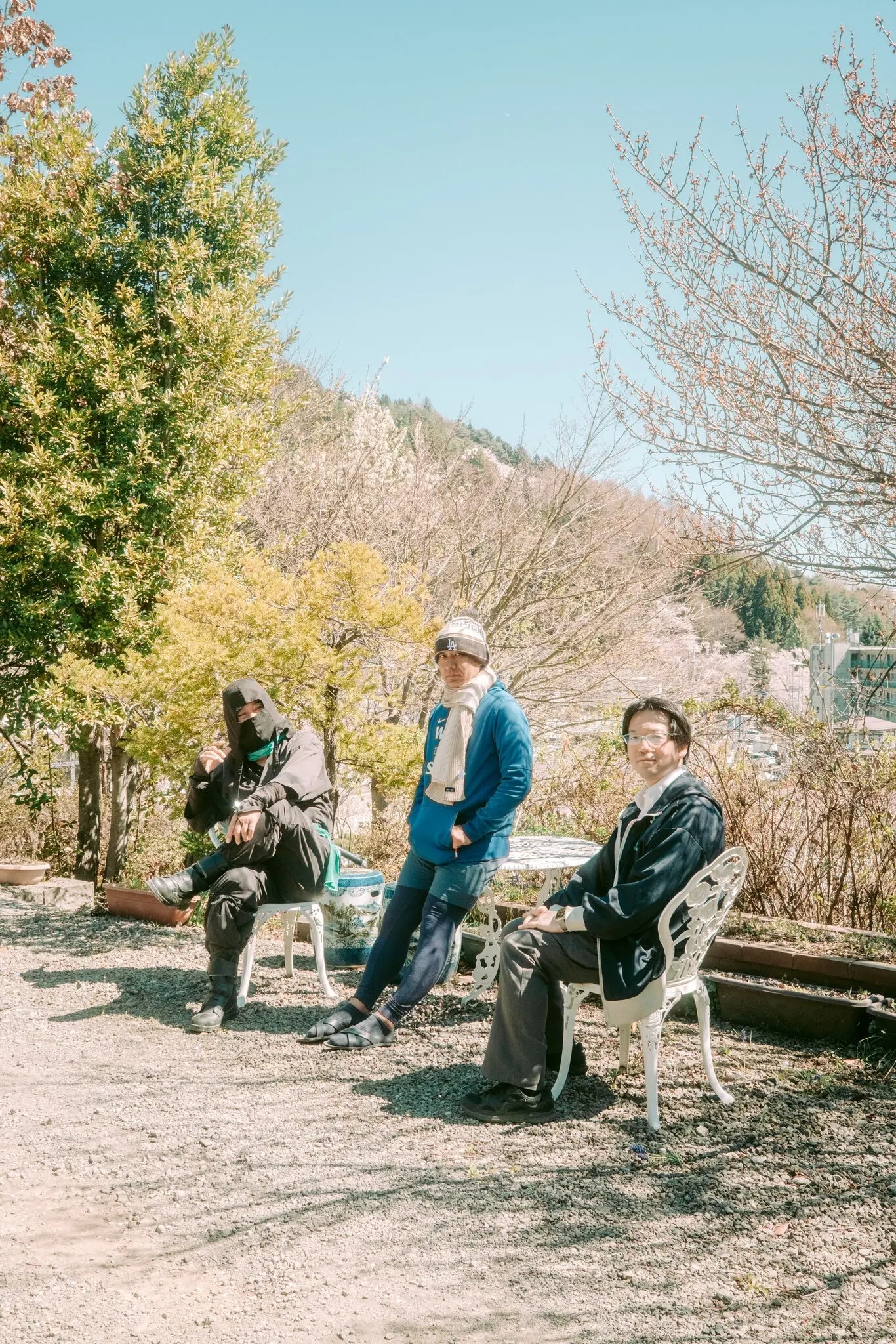 |
Mr. Junichi Horiuchi (in the middle) and his colleagues patrol and monitor uncivilized tourists at a park in Fujiyoshida. |
According to The New York Times , Fujiyoshida, a town of about 46,000 people southwest of Tokyo, nestled at the foot of Mount Fuji, once hoped for more international visitors to compensate for the decline of its textile industry.
But after Mount Fuji was recognized as a UNESCO World Heritage Site in 2013, social media transformed it into a global check-in spot, and that expectation quickly turned into pressure.
Locals have reported that many tourists use backyards as toilets, enter private homes without permission, obstruct traffic near schools, and litter. Some camp overnight, deviating from designated routes just to capture the perfect sunrise photo.
The city government canceled the popular cherry blossom festival, which has a history of about a decade, citing "the peaceful lives of the people being threatened." Mayor Shigeru Horiuchi said the goal was not to ban cherry blossom viewing, but to reduce pressure at overcrowded spots and direct visitors to less popular areas.
"The people's patience is reaching its limit," he said.
Nevertheless, tens of thousands of people continue to flock to Fujiyoshida. They line up to take photos at Chureito Pagoda, enjoy Yoshida udon noodles and red strawberry ice cream reminiscent of the sunrise over Mount Fuji. For many tourists, the social media photo is almost the main goal of the trip.
"If we don't take that photo, what's the point of this trip?", said Julia Morrow, a 26-year-old tourist from the United States.
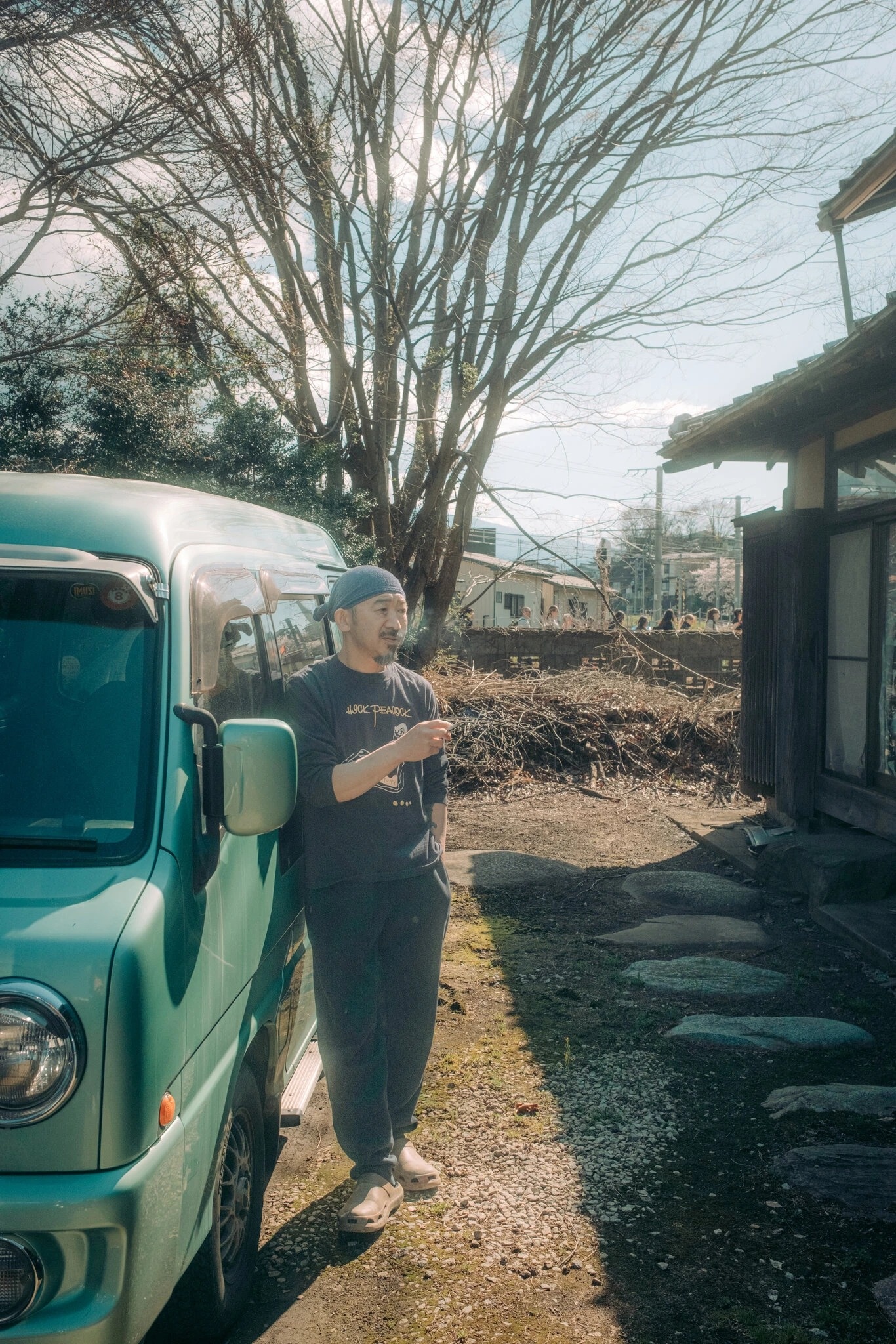 |
Mr. Coji Maeda, who bought a house with a view of Mount Fuji in 2000, has to watch thousands of people walk past his house every day. |
Overcrowding isn't unique to Fujiyoshida. In the nearby town of Fujikawaguchiko, authorities erected a large barrier in 2024 to prevent tourists from taking photos of a convenience store with a Mount Fuji backdrop, after the location went viral online.
For local residents, the peaceful life has been disrupted. Coji Maeda, the owner of a silk screen printing company, bought his house near Fujiyoshida Station in 2000 because he liked the tranquility. Now, every day he witnesses thousands of people passing by his house on their way to the park, some even crossing his front yard.
"I really felt like escaping. I wanted to move somewhere else," he said.
Some people choose a more gentle approach. Eido Watanabe, the head monk of Nyorai Temple near the park, believes that instead of criticizing, it's better to guide foreign visitors to understand local rules. He suggests that kindness and a smile can help convey the message more effectively.
Business owners also argue that Fujiyoshida needs to keep tourists longer, encouraging them to spend time at local restaurants, hotels, and shops, instead of just coming for a few hours to take photos and then leaving.
For Mr. Horiuchi, this battle is not about driving away tourists, but about protecting a space that holds significant meaning for the Japanese people. He often advises visitors to pray at the Shinto shrine in the park before taking photos near the temple, because this place is not just a backdrop for Mount Fuji.
"Tourists need to adapt to the local people, not just act according to their own emotions. I want this place to be kept clean for generations to come," he said.
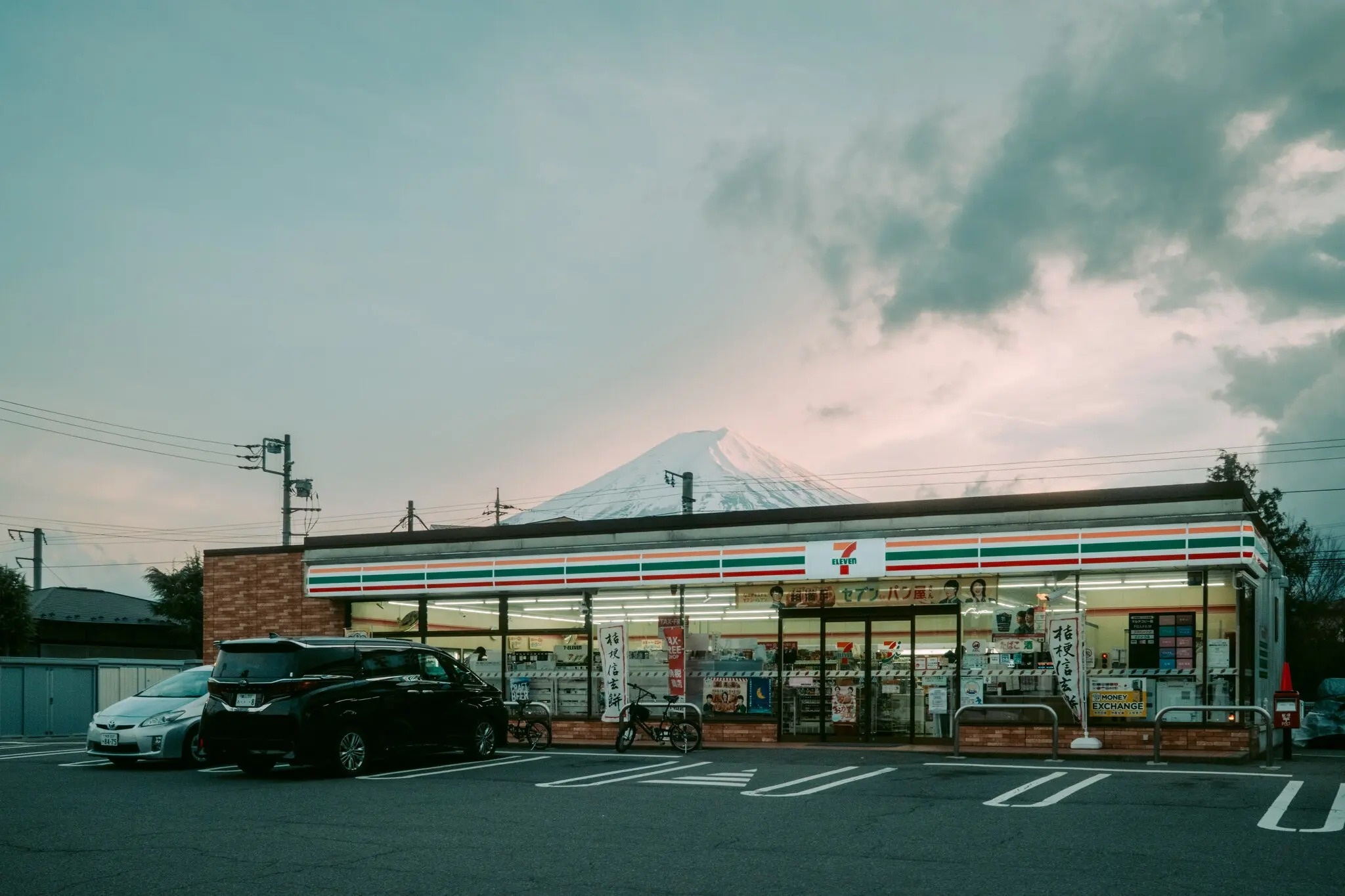 |
Convenience store with a view of Mount Fuji. |
Source: https://znews.vn/cuoc-chien-voi-khach-song-ao-duoi-chan-nui-phu-si-post1648826.html



![[Image] Close-up view of the interchange connecting the two expressways and Long Thanh Airport.](https://vphoto.vietnam.vn/thumb/1200x675/vietnam/resource/IMAGE/2026/05/25/1779703378210_ndo_br_z7863716673926-224453a31600126cce10622af6290afd-4549-jpg.webp)

![[Image] Hanoi's urban life under the challenge of a "scorching hot" environment](https://vphoto.vietnam.vn/thumb/1200x675/vietnam/resource/IMAGE/2026/05/25/1779706979265_nang-nong-t5-2026-minh-duy-7-4636-jpg.webp)




































































Comment (0)