

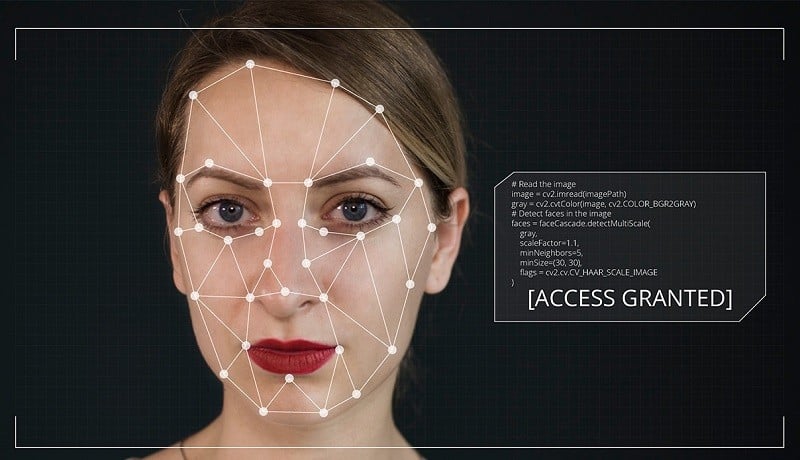
Deepfake videos pose a threat to the authenticity and trustworthiness of both videos and images. Using artificial intelligence (AI) technology, perpetrators create fake videos or images, copying the likenesses of relatives and friends to conduct online scam calls.
Most of these online scams target financial fraud. Users must be very vigilant when receiving calls related to financial matters.
 |
| How do Deepfake video call scams work? |
How Deepfake video calls are scams carried out.
Step 1: Use algorithms to reshape the face and voice to match facial features and expressions in order to:
- Impersonating relatives, friends, or colleagues, etc.
- Impersonating government officials, police officers, or prosecutors…
Step 2: Make voice/video calls with realistic-sounding voices and images (through applications like FB/Zalo/Viber...).
Step 3: Request the victim to transfer money or fraudulently obtain personal information and bank account details.
How to distinguish a Deepfake video call
Call durations are very short, only a few seconds, or the call is cut off midway due to reasons such as: loss of signal, weak signal, etc.
Gaining control of a phone or unauthorized access to data.
Hair, skin tone, and facial features appear blurred compared to the surrounding environment, and the video's lighting often doesn't suit the context, making the video look quite artificial and unnatural.
The audio may not match the mouth movements, the video may contain a lot of noise or no sound at all.
The caller requested a money transfer, but the transfer account does not belong to the person making the call.
Calmly verify the information.
Stay calm and verify the following information if you receive a call requesting an urgent money transfer:
- Contact relatives and friends directly through another channel to see if they really need money.
- Carefully check the account number requested for the transfer. If it's an unfamiliar account, do not proceed with the transaction.
- If you receive a call from someone claiming to be a representative of the bank, hang up and call the bank directly to verify that the call was indeed made by the bank.
- Poor quality or choppy voice or video calls are a reason to doubt the caller and the authenticity of the call.
How can we prevent it?
To prevent losses and protect themselves from these forms of fraud, customers should follow these guidelines:
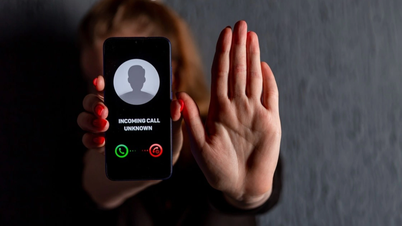
Always be wary of requests from unverified calls/SMS/emails, especially those requesting money transfers or service installation/activation/upgrades.
Verify the authenticity of these claims by contacting the official channels of the telecommunications company, bank, or government agency directly.
Banks will never ask customers to provide OTP/CVV codes, PINs, or card numbers via phone, SMS, or any website/social media.
Source



![[Photo] General Secretary and President To Lam presides over a meeting on preparations for the review of one year of operation of the three-tiered government system.](https://vphoto.vietnam.vn/thumb/1200x675/vietnam/resource/IMAGE/2026/06/02/1780391821195_a1-bnd-4595-9717-jpg.webp)










































































Comment (0)