The unique clam procession of the residents downstream of the Lam River.
As part of the 2026 Thanh Liet Temple Festival program, the clam procession is a long-standing cultural and religious activity of Thanh Liet village, Hung Nguyen Nam commune, Nghe An province. It is considered a fishing prayer ceremony deeply rooted in the cultural identity of the riverine inhabitants of the lower Lam River region.
Báo Nghệ An•24/03/2026
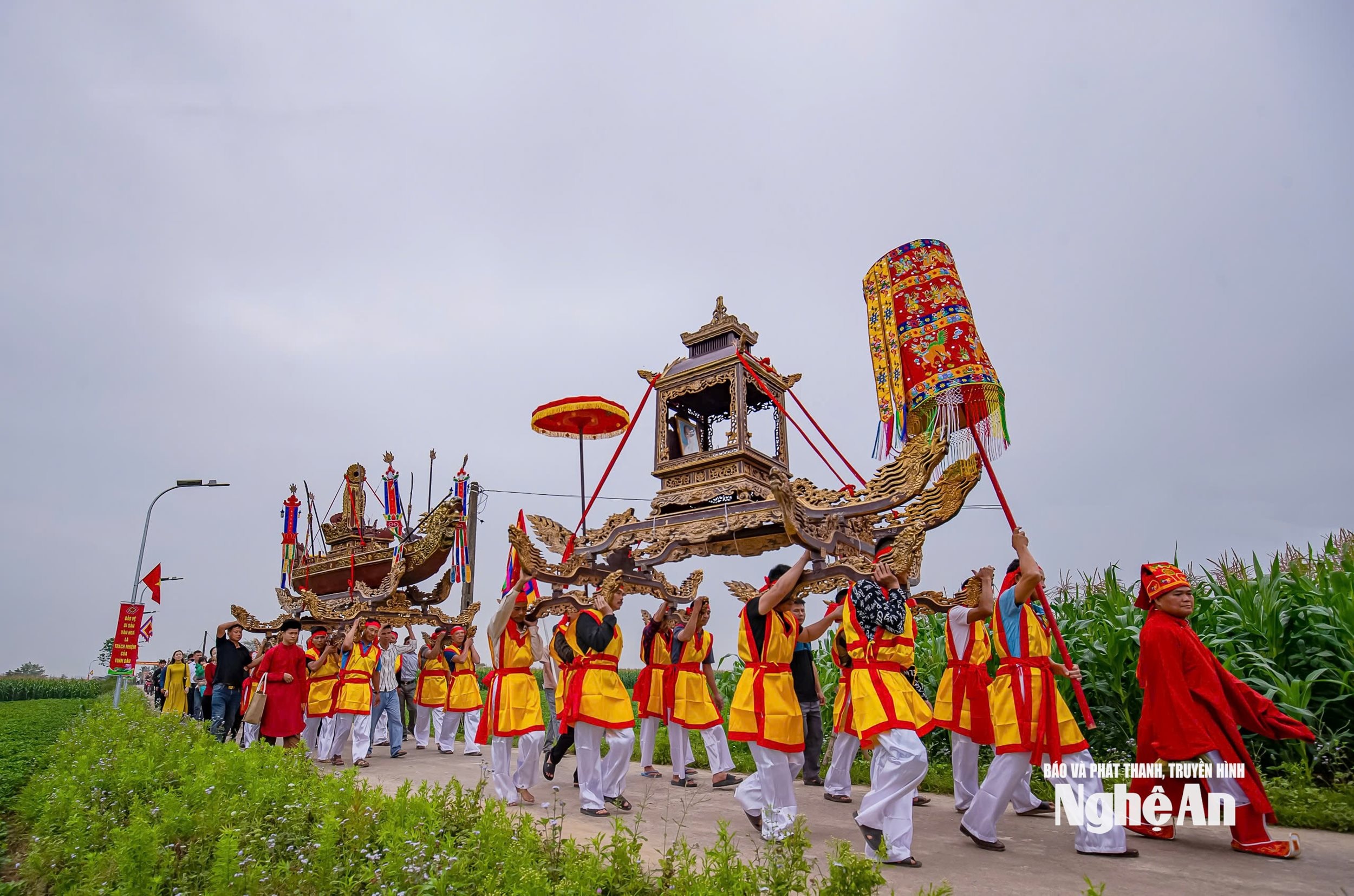
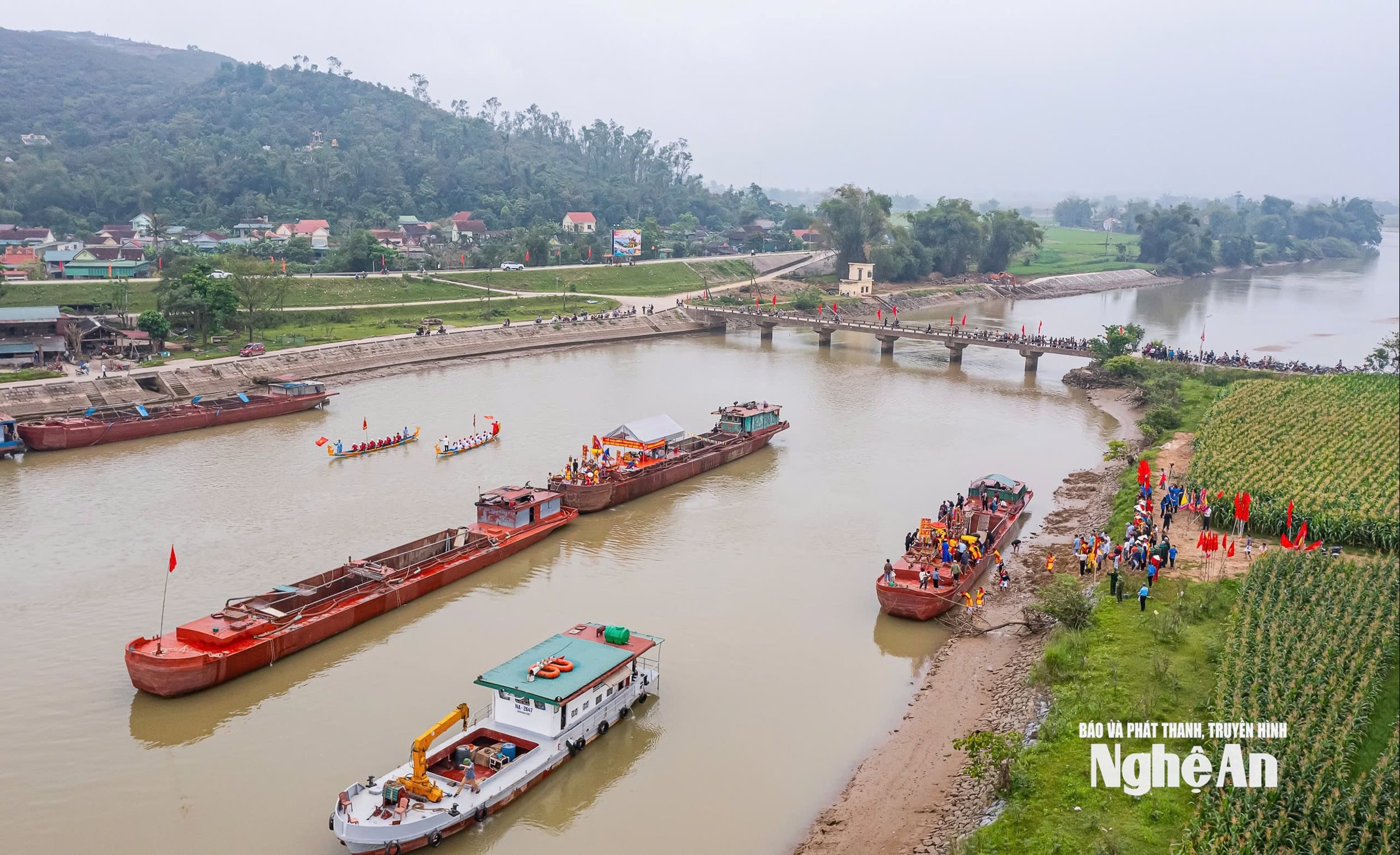
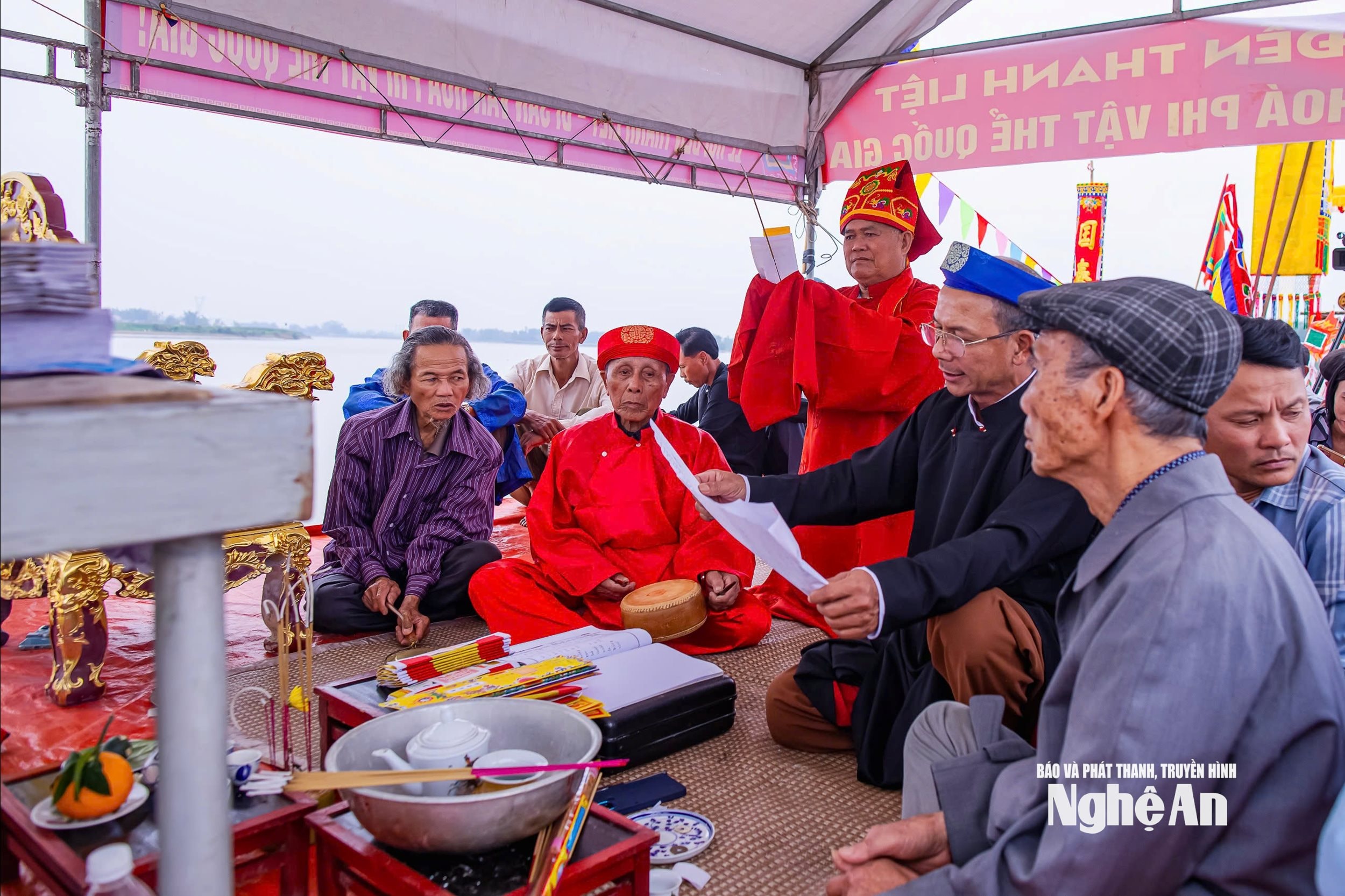
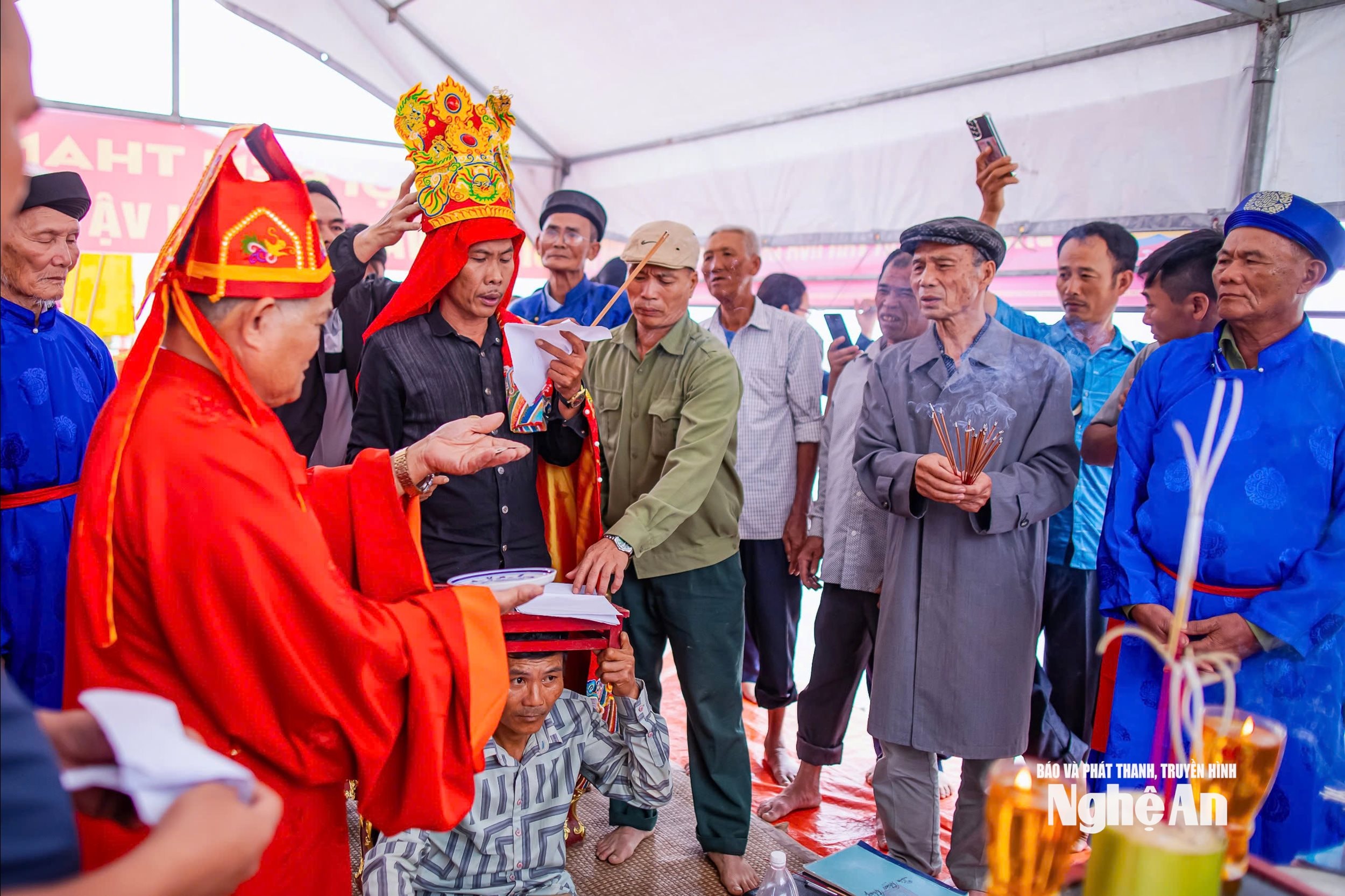
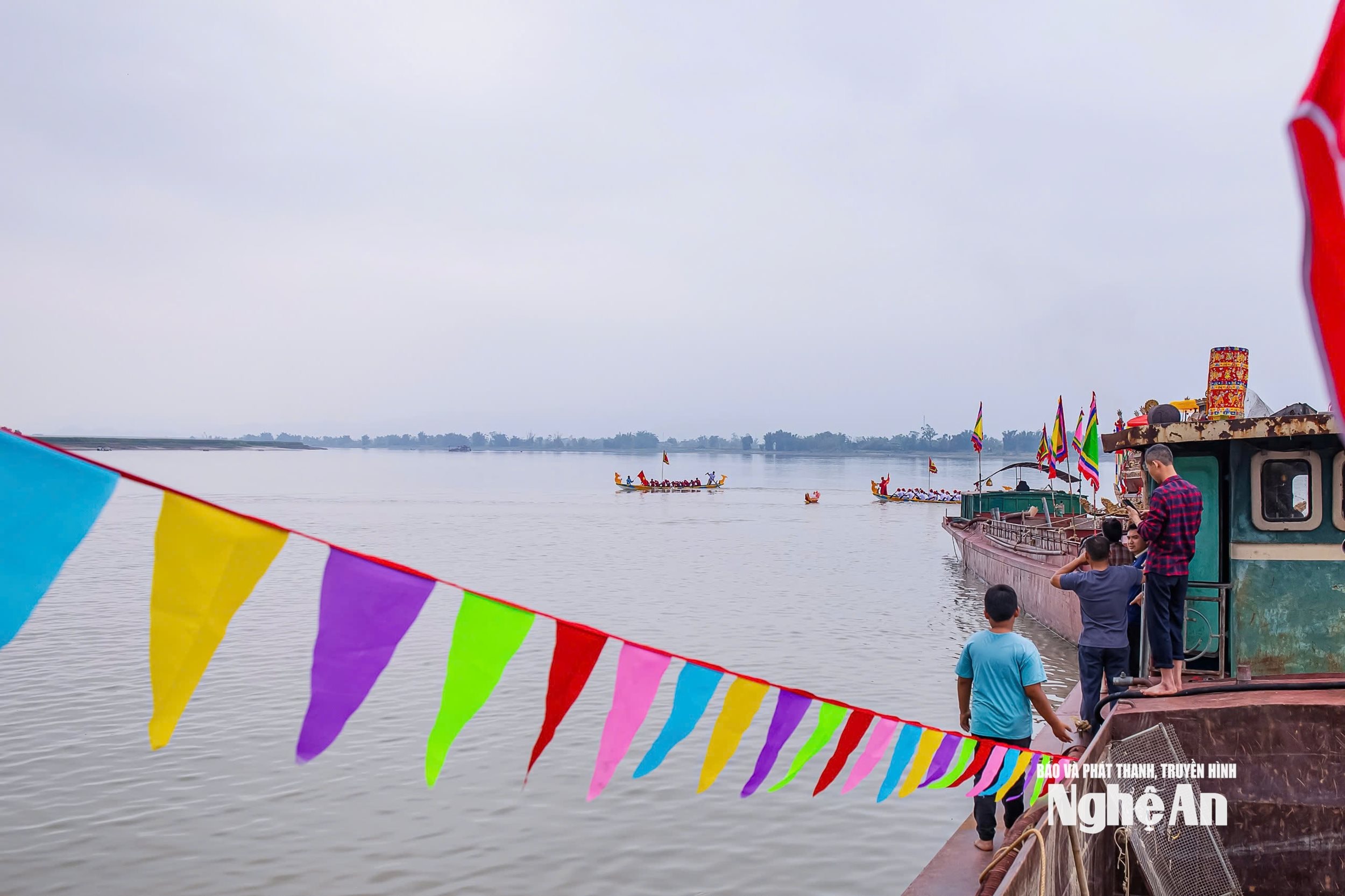
On March 24th (corresponding to the 6th day of the 2nd lunar month of the Year of the Horse), Hung Nguyen Nam commune organized the Thanh Liet Temple Festival 2026. The clam procession was considered a unique activity, deeply rooted in the culture of the riverine community. The clam procession began with a land-based palanquin procession, starting from Thanh Liet Temple and proceeding to the alluvial plain along the Lam River. Photo: Quoc Dan The procession was majestic, reflecting the people's reverence for the deities. Photo: Quoc Dan Upon reaching the riverbank, the procession continued with the ritual of carrying offerings on the river using a large fleet of boats belonging to the local fishermen. These boats were connected in a long line, decorated with colorful flags and flowers, along with ceremonial objects and trays of offerings. Photo: Quoc Dan
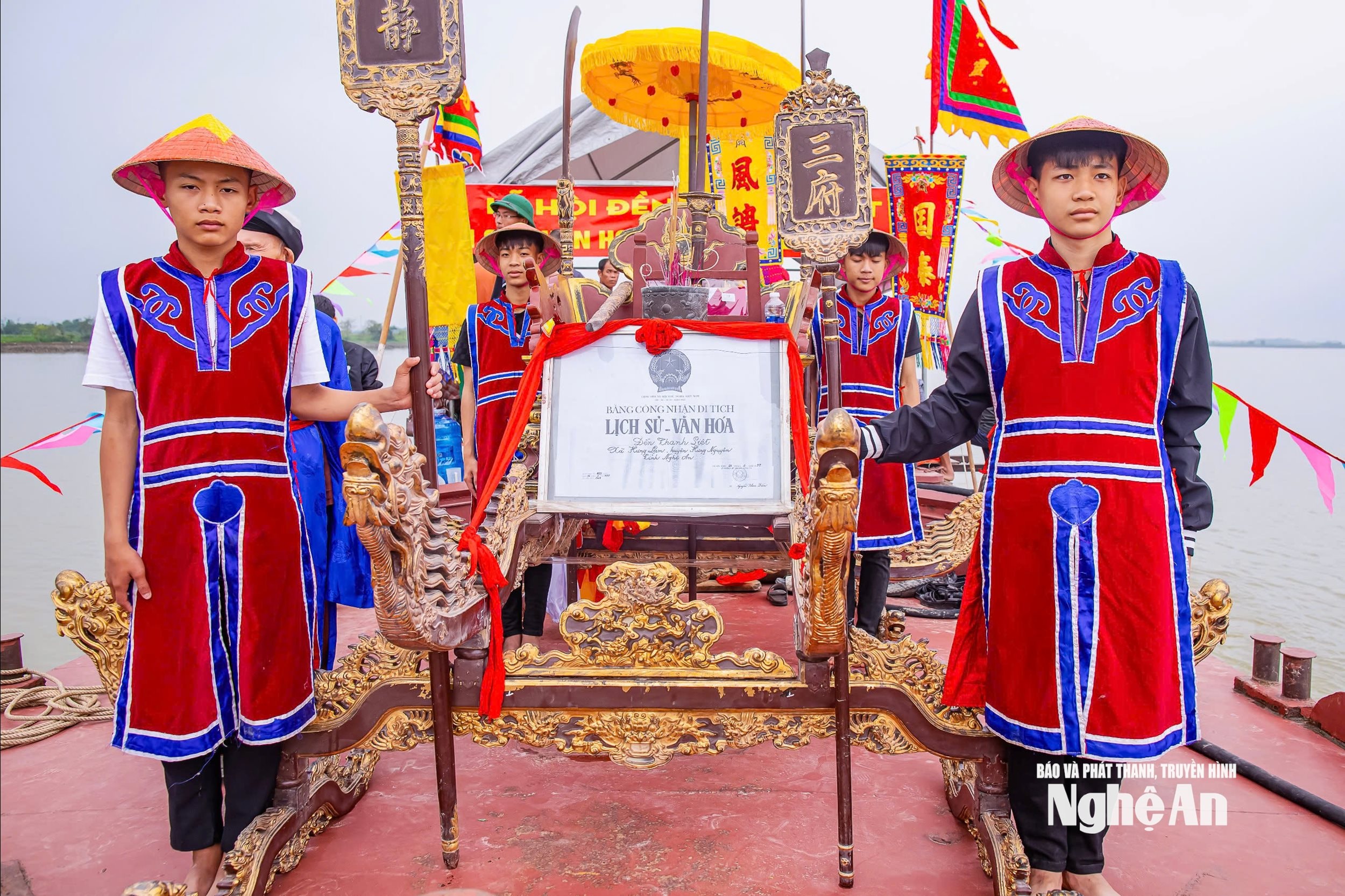
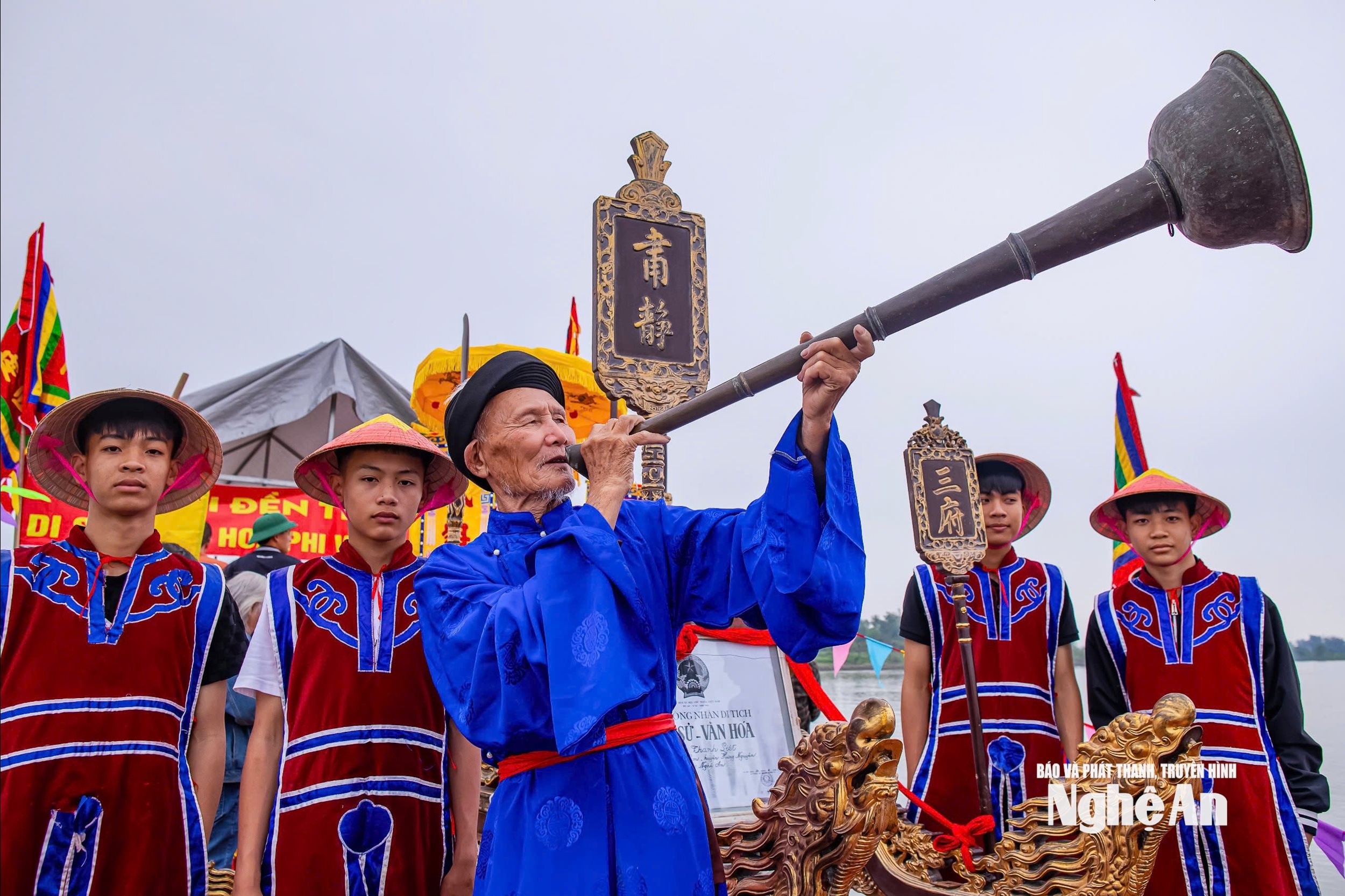
Leading the procession is the main boat, carrying an altar to the water god and the village elders. Following are boats carrying palanquins dedicated to various deities such as Nguyen Bieu, the King of the Water Kingdom, the Heavenly King, Sat Hai Dai Vuong Hoang Ta Thon, Son Lieu Doc Cuoc, and Mau Lieu Hanh… At the end of the procession are boats belonging to the people of the fishing villages. Photo: Quoc Dan The village elder of Thanh Liet instructed the boats in the procession to follow the formation. Photo: Quoc Dan The procession travels up and down the Lam River, heading west (towards the "Upper Region") to hold a ceremony lasting about two hours, then returning to the "Lower Region". The climax of the procession is the ritual offering to the water god at the confluence of the Lam River (Nghe An) and La River ( Ha Tinh ), also known as "Bai Phu". Photo: Quoc Dan The rituals are spiritual in nature, expressing wishes for favorable weather, abundant harvests of shrimp and fish for fishermen, and thriving clam and mussel populations. Photo: Quoc Dan Throughout the ceremony, two dragon boats circled the procession, each piloted by 12 unmarried men and 12 unmarried women, who rowed while singing folk songs. Photo: Quoc Dan The sacrificial ceremony is held twice, lasting from 5 to 6 hours, concluding with the procession of the deity's palanquin back to the temple for the enthronement ceremony. Photo: Quoc Dan
.jpg)
.jpg)

 Báo Nghệ An•24/03/2026

![[Photo] Delegation attending the 14th Congress of the Vietnam Trade Union visits the Mausoleum of President Ho Chi Minh.](https://vphoto.vietnam.vn/thumb/1200x675/vietnam/resource/IMAGE/2026/06/03/1780451842301_ndo_br_img-3824-jpg.webp)
































































Comment (0)