

According to AFP, Fiji is expected to record more than 2,000 new HIV infections in 2025, a 26% increase compared to 2024, forcing the government to declare an HIV epidemic and describe it as a national crisis. "HIV is spreading like wildfire," Siteri Dinawai, 46, who was getting tested at a makeshift clinic in Fiji's capital, Suva, told AFP.
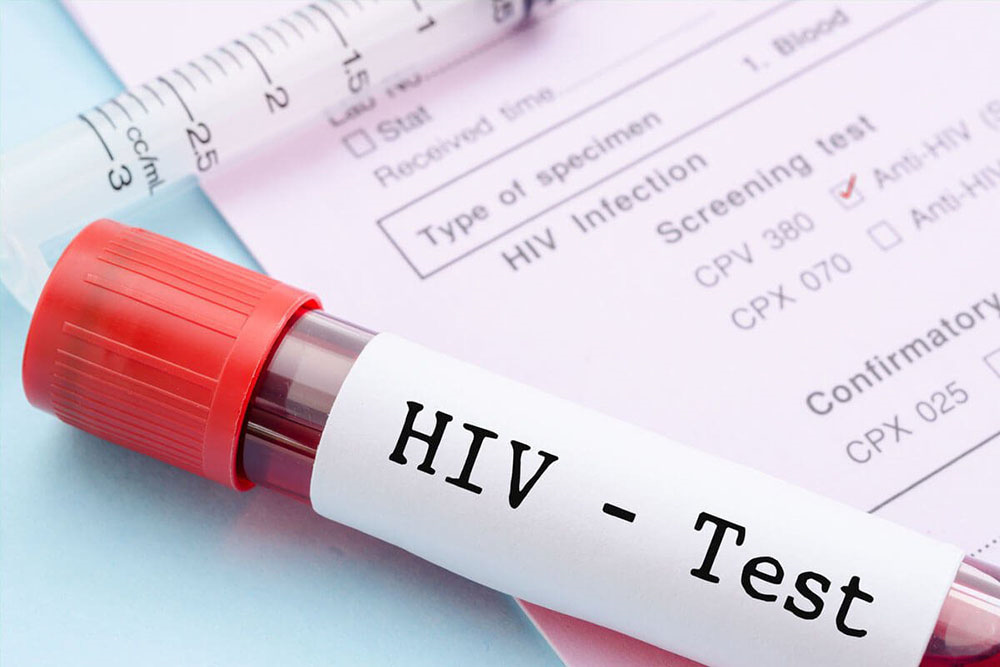 |
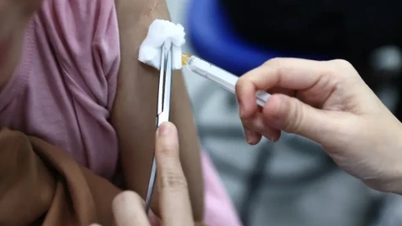
| Illustration photo: vneconomy.vn |
The clinics in Suva help raise awareness about bloodborne diseases and can also help accurately identify the number of people infected with HIV in Fiji and refer them to treatment facilities.
Renata Ram, Country Director of the United Nations Programme on HIV/AIDS (UNAIDS) in Fiji and the Pacific, said the number of confirmed HIV cases in Fiji is around 5,000 and the crisis has been simmering for years. According to UNAIDS estimates, which ranks Fiji among the countries with the fastest-spreading HIV epidemic in the world , Fiji recorded only 500 infections in 2014. However, infection rates began to rise around 2019, when a group of injecting drug users considered "very high risk" emerged, primarily sex workers.
According to Virginia Comolli, head of the Pacific Program at the Global Initiative against Transnational Organized Crime, Fiji, like other Pacific island nations, has long been a transit hub for drugs from Latin America and Asia to Australia and New Zealand. After a lull during the Covid-19 pandemic, the flow of highly addictive drugs such as methamphetamine and cocaine has surged again and is increasingly infiltrating domestic markets in the Pacific region.
Renata noted that Fiji is facing a difficult task in controlling the number of infections and that the country is "15 to 20 years behind" in its efforts to prevent and control HIV.
Source: https://www.qdnd.vn/y-te/tin-tuc/dai-dich-lan-nhu-chay-rung-o-dao-quoc-thai-binh-duong-1041002

![[Photo] General Secretary and President To Lam presides over a meeting on preparations for the review of one year of operation of the three-tiered government system.](https://vphoto.vietnam.vn/thumb/1200x675/vietnam/resource/IMAGE/2026/06/02/1780391821195_a1-bnd-4595-9717-jpg.webp)











































































Comment (0)