

Don't let these "gold mines" lie dormant.
Resolution No. 02-NQ/TW outlines nine key tasks and solutions for building and developing Hanoi in the new era. These include strongly developing the urban economy , the night-time economy, the creative economy, and high-value service sectors; and shifting strongly from an agricultural production mindset to developing an urban agricultural economy, with added value, value chains, and markets at its core.
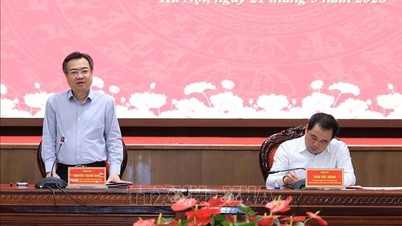
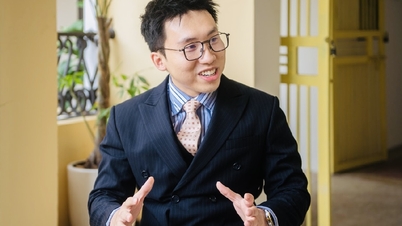
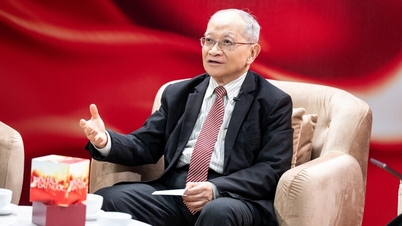
According to Mr. Nguyen Quang Huy, CEO of the Faculty of Finance and Banking (Nguyen Trai University), in the new era of development, the goal of the capital city is no longer limited to mere growth, but aims to create sustainable value, where Vietnamese cultural identity becomes the foundation for new standards of quality of life, services, and development.
Based on that foundation, a new development model is being shaped with organically linked pillars: night-time economy associated with heritage, cultural and creative industries, high-value urban agriculture , and internationally standardized service sectors with Vietnamese identity.
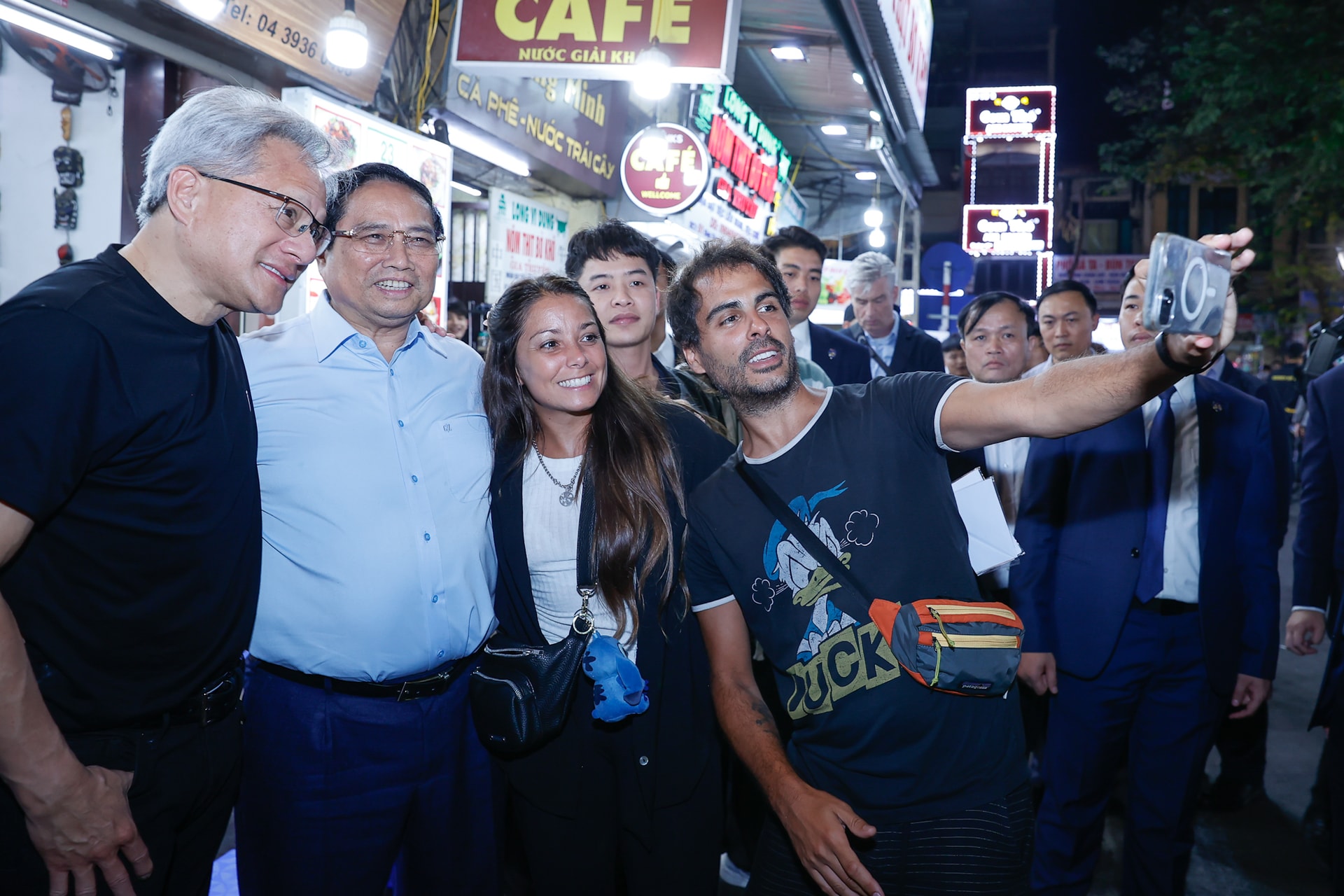
Within that structure, the night-time economy is not merely an extension of the daytime, but a distinct and potentially thriving space for development. Hanoi has a particular advantage in possessing a rich heritage system, from the Old Quarter and Hoan Kiem Lake to traditional craft villages.
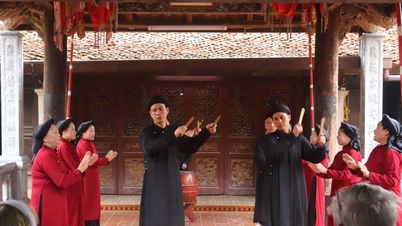
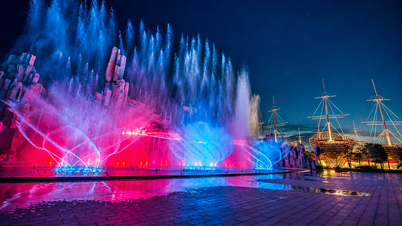
Pedestrian streets, public spaces, and heritage areas should be designed as a series of interconnected experiences: live art, light shows, contemporary music combined with folk elements, and cuisine with a distinct regional character. Then, tourists will not only consume but also experience, feel, and remember a vibrant, sophisticated, and unique Hanoi.
Alongside this, the cultural industry and creative economy are the driving forces that elevate the value of the capital city. Hanoi needs to develop "creative neighborhoods," design centers, art spaces, and a cultural startup ecosystem, where artists, designers, filmmakers, and digital content businesses converge.
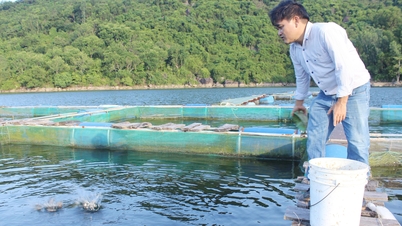
In suburban areas, urban agriculture needs to be restructured towards high value, linked to experiential tourism and regional identity. Instead of fragmented production, Hanoi needs to develop high-tech agricultural zones, combining deep processing, modern logistics, and efficient distribution systems. At the same time, each agricultural zone can become an ecotourism destination, where visitors can experience farming, enjoy local cuisine, and feel the local culture.
Nighttime economy - urban areas and the creative ecosystem
Resolution No. 02-NQ/TW emphasizes Hanoi's role as the political and administrative center, and also as the "driving force for development" of the region and the entire country, playing a leading role in shaping a new development model. One of the core orientations is the strong development of the urban economy linked to high-value services, the creative economy, and new economic models.
In this context, urban economics is not only about expanding the physical space of the city but also about comprehensively restructuring economic sectors towards a modern, efficient, and high value-added direction. Hanoi is gradually shifting from a growth model based on expanding scale to one focused on improving quality, efficiency, and productivity.
High-quality services such as finance, technology, education, healthcare, logistics, and e-commerce are becoming new pillars of the urban economy. These are also sectors with the potential to generate significant added value, attract high-quality human resources, and foster innovation.
According to the direction of Resolution No. 02-NQ/TW, Hanoi will develop into a high-quality service center of the nation, linked to the knowledge economy and deep international integration. This requires a synchronized ecosystem from digital infrastructure and flexible institutions to creative human resources.
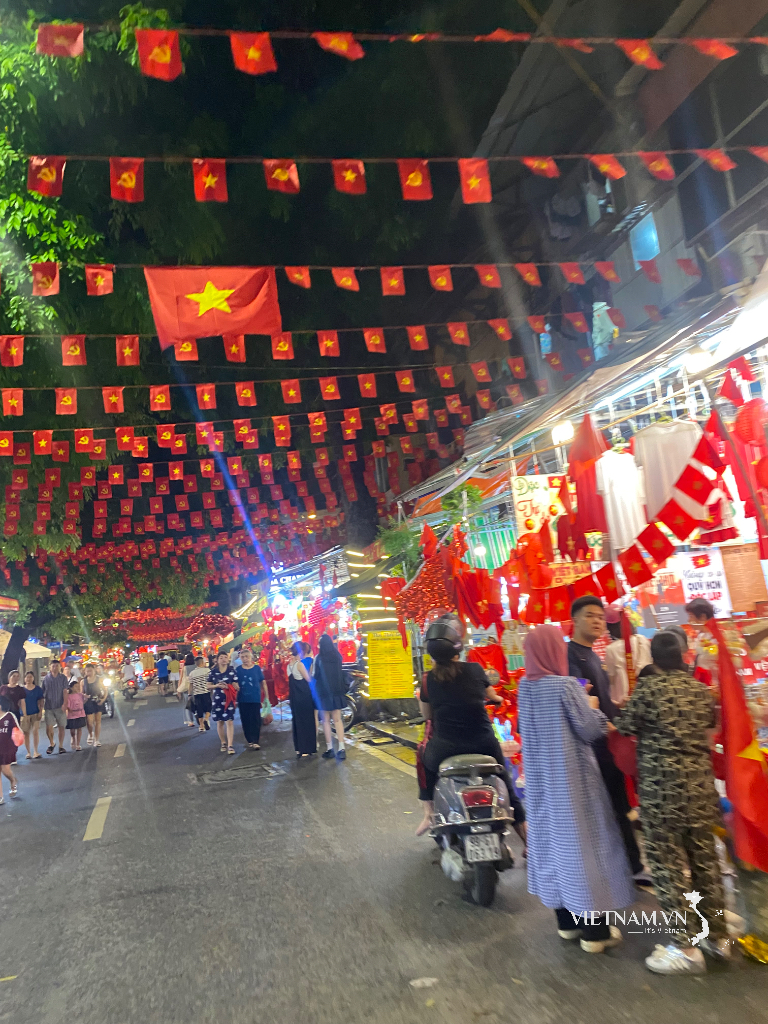
A key focus in the development strategy is promoting the night-time economy – a sector considered a "gold mine" with significant untapped potential. With its cultural and tourism advantages and high population density, Hanoi has favorable conditions for developing night-time services, entertainment, food, and shopping activities.
Expanding economic space over time not only increases service revenue but also creates jobs, stimulates consumption, and enhances urban vitality. Areas such as the old town, pedestrian zones, and food streets, if properly planned, can become new "growth poles" in the urban economy.
Resolution No. 02-NQ/TW particularly emphasizes the development of the cultural industry, the creative ecosystem, and "creative channels" based on three pillars: Heritage - Knowledge - Technology. This is a groundbreaking direction that will help Hanoi not only achieve rapid growth but also sustainable and distinctive growth.
With its rich heritage, large intellectual workforce, and increasingly vibrant startup environment, Hanoi has all the conditions to become a regional innovation hub. Industries such as design, media, art, digital technology, and digital content are opening up new avenues for development, generating significant economic value and spreading its influence widely.
The creative economy also serves as a bridge between culture and the economy, transforming "soft resources" into a genuine growth engine, while contributing to building the image of a modern, dynamic, and distinctive capital city.
Challenges that need to be overcome
According to Mr. Nguyen Quang Huy, to realize that vision, Hanoi needs to strategically, fundamentally, and thoroughly address environmental and urban infrastructure issues – the foundational factors that determine the quality of life and competitiveness.
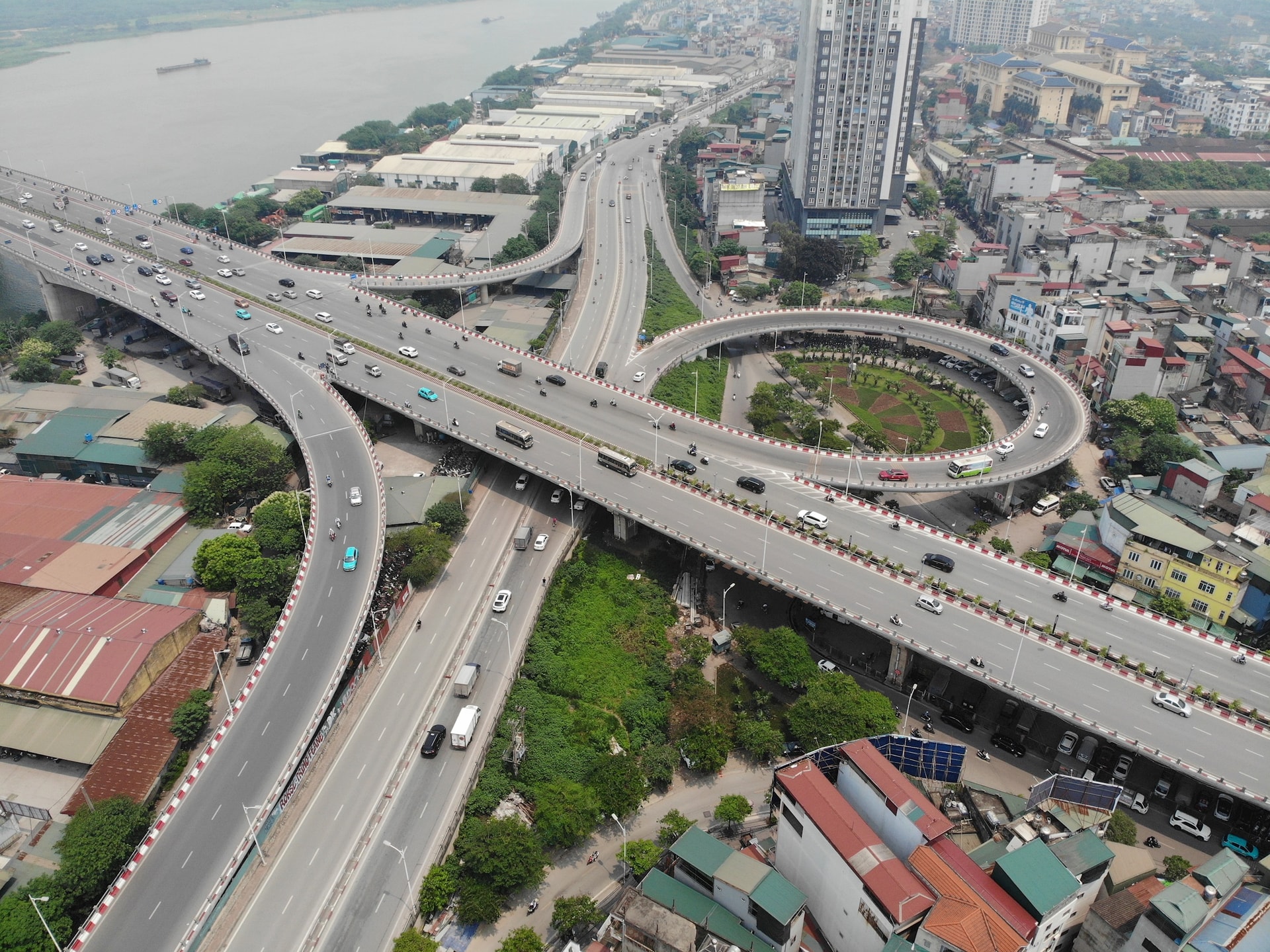
First and foremost is the pollution of the rivers, a problem that has persisted for many years and directly impacts the landscape and ecosystem. The solution cannot stop at localized treatment; it requires a basin-wide approach, investing in a comprehensive wastewater treatment system, combined with landscape improvement and the development of eco-cultural public spaces along the riverbanks.
Furthermore, air and noise pollution need to be controlled through comprehensive solutions: Strongly developing public transportation, especially urban rail; promoting the transition to green vehicles; controlling construction activities and ensuring rational planning. A comprehensive urban greening strategy is needed, from expanding parks and planting trees to developing ecological corridors, creating a healthy and sustainable living environment.
Alongside environmental improvements, the development of a comprehensive, modern, and smart infrastructure is a prerequisite. Hanoi needs to prioritize the development of a public transportation system connecting economic centers, creative spaces, and suburban areas; invest in digital infrastructure to promote digital government, the digital economy, and the green economy; and improve urban governance efficiency. Hanoi also needs to strengthen regional linkages, effectively utilize resources, and leverage its role as a central hub for connectivity.
In particular, the ultimate deciding factor is people and their capacity for implementation. Hanoi needs to build a team of officials, experts, and entrepreneurs with great ambition, innovative thinking, and a decisive spirit of action. Recruitment, remuneration, and evaluation mechanisms must be based on competence and effectiveness, creating an environment to attract and develop talent from both within and outside the country.
All these directions and solutions converge on one overarching goal: to build Hanoi into a livable, attractive, and proud city. It is a place where residents can enjoy a high quality of life, both materially and spiritually; a place international tourists yearn to experience; and a place where global experts and intellectuals aspire to gather and contribute.
Source: https://hanoimoi.vn/danh-thuc-cac-mo-vang-cua-thu-do-740817.html


![[Photo] General Secretary and President To Lam presides over a working session with the Central Policy and Strategy Committee on the development of the materials industry.](https://vphoto.vietnam.vn/thumb/1200x675/vietnam/resource/IMAGE/2026/05/21/1779359935432_a3-bnd-3129-1412-jpg.webp)
![[Photo] National Assembly Chairman Tran Thanh Man working with the Standing Committee of the Law and Justice Committee](https://vphoto.vietnam.vn/thumb/1200x675/vietnam/resource/IMAGE/2026/05/21/1779378929214_ndo_br_1-4610-jpg.webp)























































Comment (0)