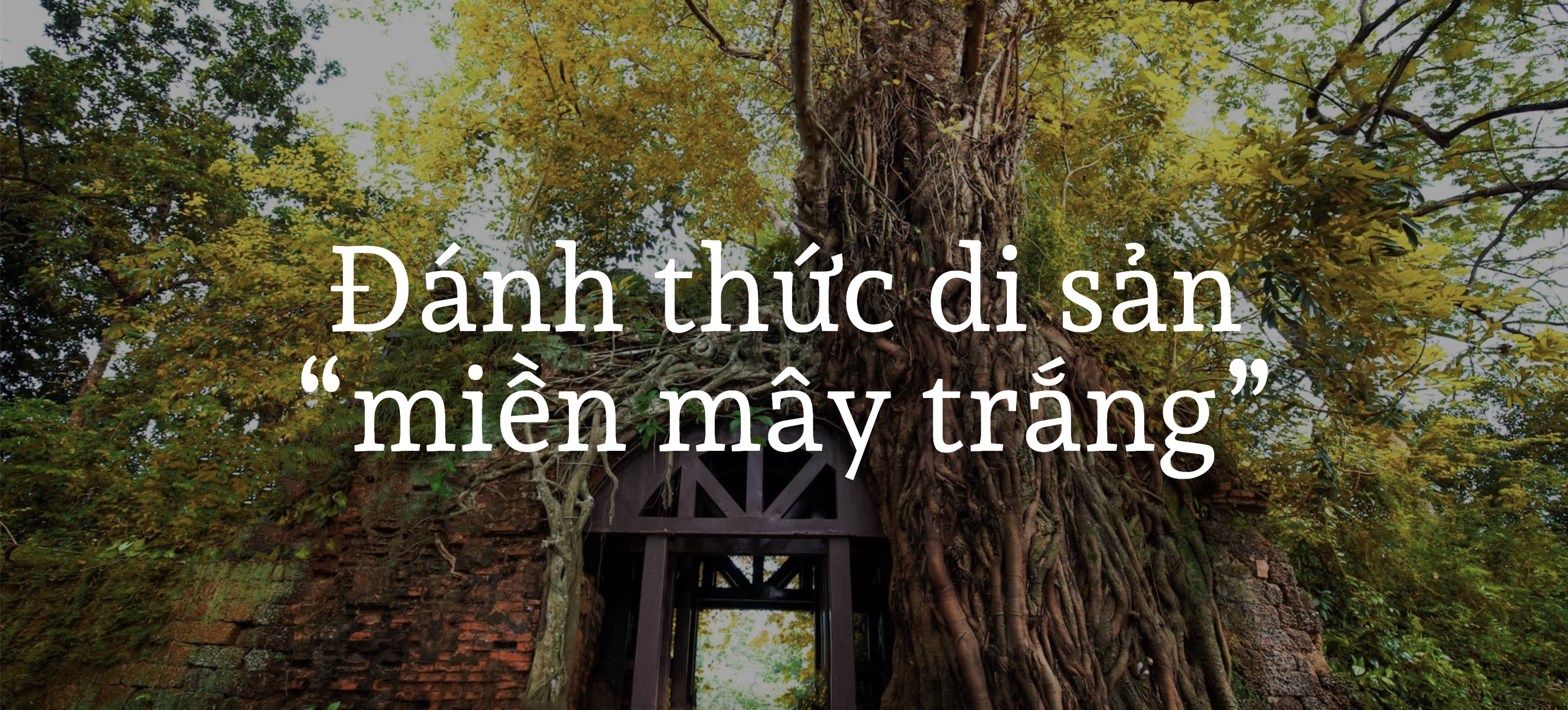
Xứ Đoài refers to the land west of the capital, where the peak of Ba Vì mountain is shrouded in white clouds year-round. The poet Quang Dũng, a native of this region, wrote: “I remember the land of Đoài with its white clouds so much / Do you ever remember it with longing?” In Vietnamese culture, not every region is considered a “cultural and cultural” region. “Cultural and cultural” refers to regions with long-standing historical and cultural traditions, regions that have produced many prominent figures who have made significant contributions to the country. Xứ Đoài is one of the few regions that has been considered a cultural and cultural region from ancient times to the present day.
For a considerable period, the Đoài region belonged to Hà Tây province, leading many to equate Hà Tây with the Đoài region. However, in reality, Hà Tây comprised several localities belonging to the Đoài region and several localities belonging to the Sơn Nam Thượng region. The ancient Đoài region was a vast area located west of the Thăng Long capital. After numerous administrative changes, the territory of the former Đoài region now corresponds to the administrative boundaries of the districts of Quốc Oai, Thạch Thất, Đan Phượng, Hoài Đức, Ba Vì, Sơn Tây town, and parts of present-day Vĩnh Phúc and Phú Thọ provinces.

The Đoài region is identified as the cradle of ancient Vietnamese civilization, home to the legend of Tản Viên Sơn Thánh, one of the Four Immortals of Vietnam. These legendary stories about Tản Viên Sơn Thánh are associated with the Hùng Dynasty, the early period of Vietnamese history.
Along with the development of history, the Đoài region has become a land of culture and history, the birthplace of many national heroes and talented individuals such as the Kings Phùng Hưng and Ngô Quyền, and famous figures like Grand Tutor Tô Hiến Thành, Thám hoa Giang Văn Minh, and Trạng Bùng Phùng Khắc Khoan...
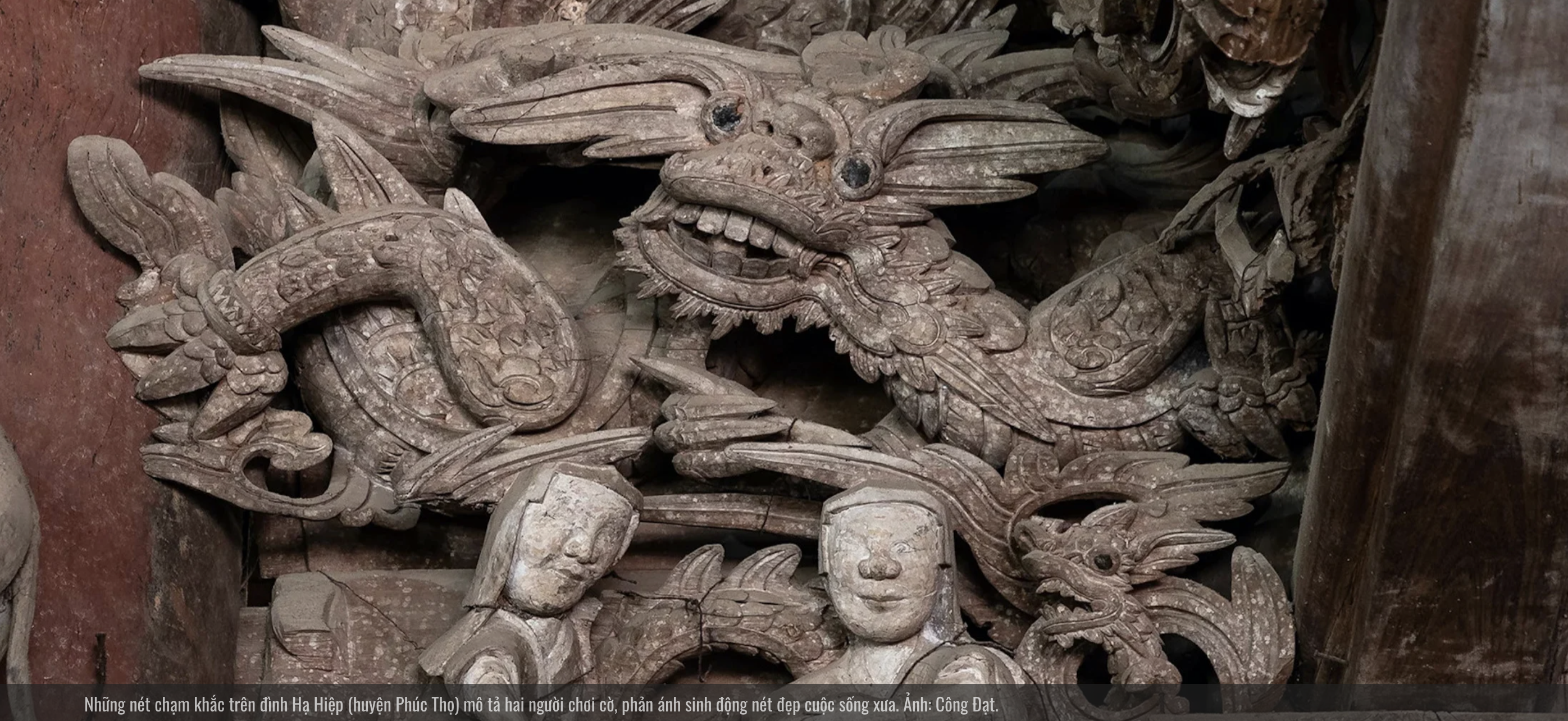
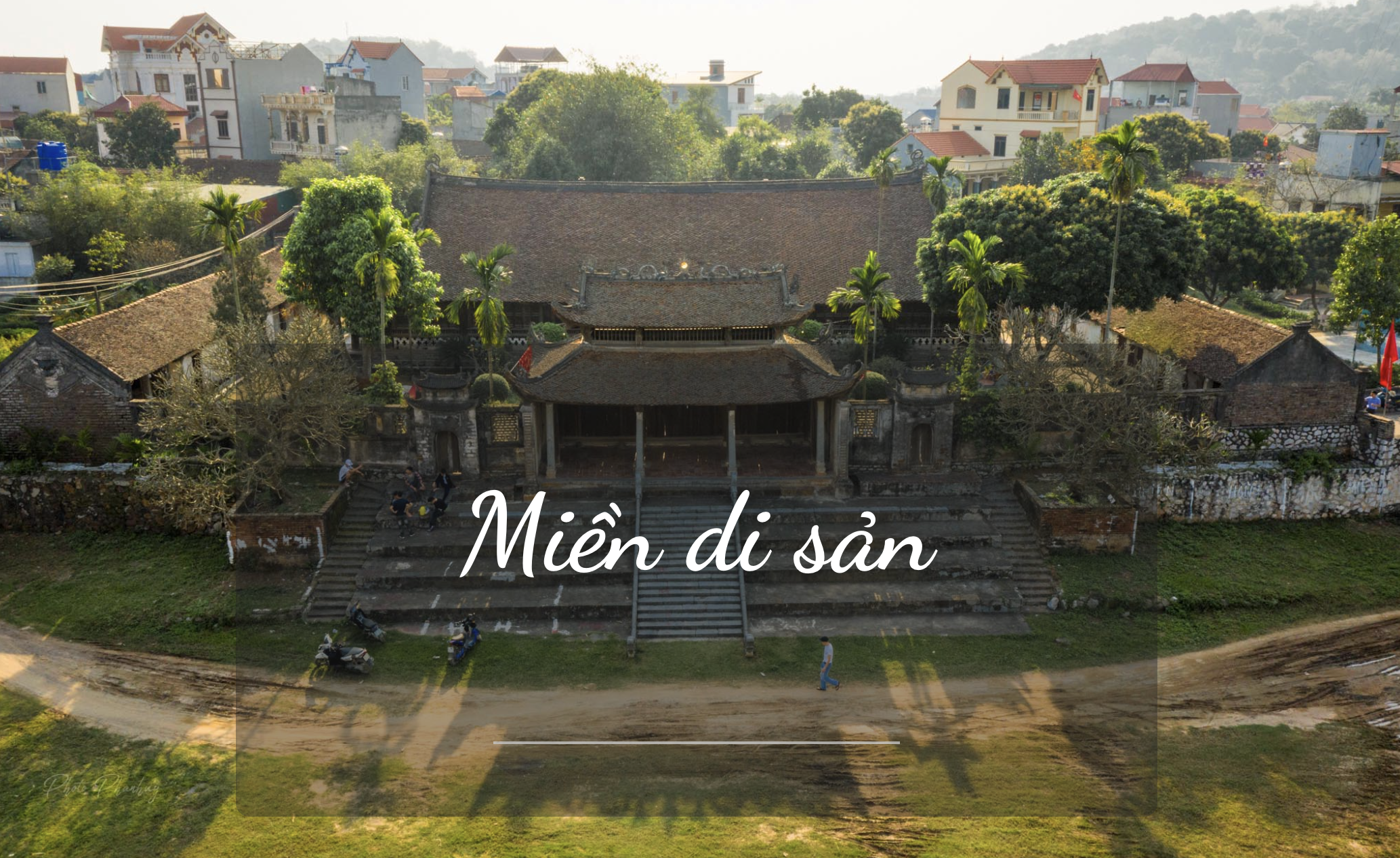
The rich cultural heritage of the Đoài region is also reflected in the vast number of historical sites and heritage assets. The Đoài region boasts a series of special national historical sites: Thầy Pagoda, So communal house (Quốc Oai district); Tây Phương Pagoda (Thạch Thất district); Hát Môn Temple, Tường Phiêu communal house, Hạ Hiệp communal house (Phúc Thọ district); Tây Đằng communal house (Ba Vì district), Đại Phùng communal house (Đàn Phượng district)… These structures, besides their historical value, are also "museums" of traditional architecture and sculpture; and they preserve many beautiful features of ancient Vietnamese villages, most notably the system of communal houses.
The Đoài region also boasts unique historical sites, including the Sơn Tây Ancient Citadel – the only laterite stone citadel in Southeast Asia; Đường Lâm Ancient Village – one of only two ancient villages in the country recognized as a National Architectural and Artistic Monument; Mía Pagoda (Sơn Tây town) with 287 statues, currently holding the Vietnamese record for the number of Buddhist statues in a single pagoda; Sơn Tây Confucian Temple – a place honoring the tradition of studiousness and academic achievement in the Đoài region; and the system of relics dedicated to Tản Viên Sơn Thánh.
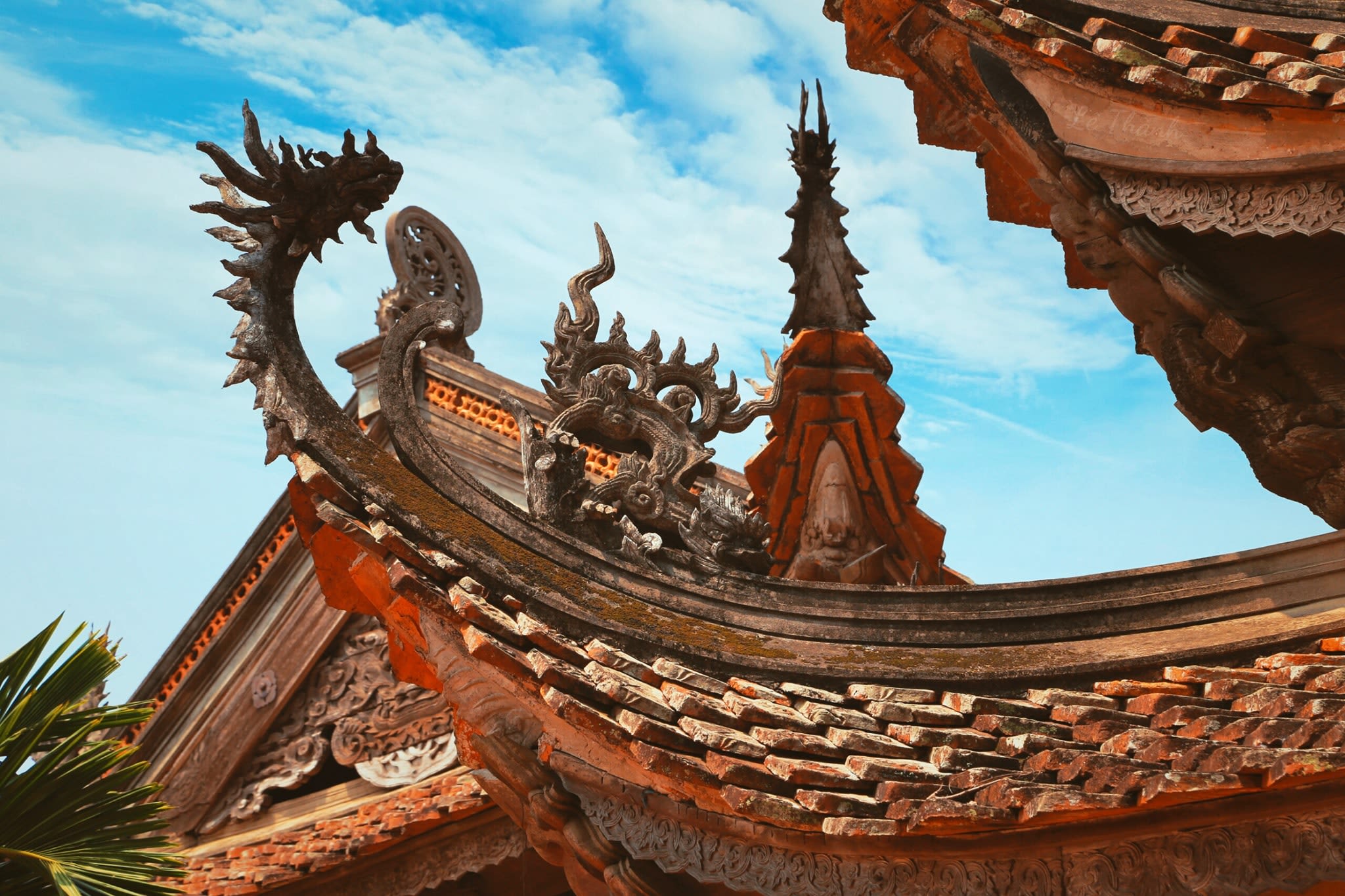
The charming roof of Tay Phuong Pagoda (Thach That District). Photo: Le Thanh
The Đoài region also boasts many valuable intangible cultural heritage sites, most notably the worship of Tản Viên Sơn Thánh, which covers a vast area at the foot of Tản Viên mountain; the Hát Môn Temple festival (Phúc Thọ district), the Và Temple festival (Sơn Tây town), the Dô singing (Quốc Oai district), the Trống Quân singing (Phúc Thọ district), the Chàng Sơn and Bình Phú water puppetry (Thạch Thất district), the Mường dance in Vân Hòa commune (Ba Vì district), the Ngãi Cầu ca trù (Hoài Đức district), and the Thượng Mỗ ca trù (Đàn Phượng district)... In particular, the Đoài region is famous for its many traditional handicraft villages.
Professor Vu Minh Giang, Vice President of the Vietnam Historical Science Association, affirmed: "The Doai region is a miniature representation of Vietnamese culture, yet it contains unique characteristics not found anywhere else. The culture of the Doai region is an invaluable treasure in the flow of Vietnamese culture."
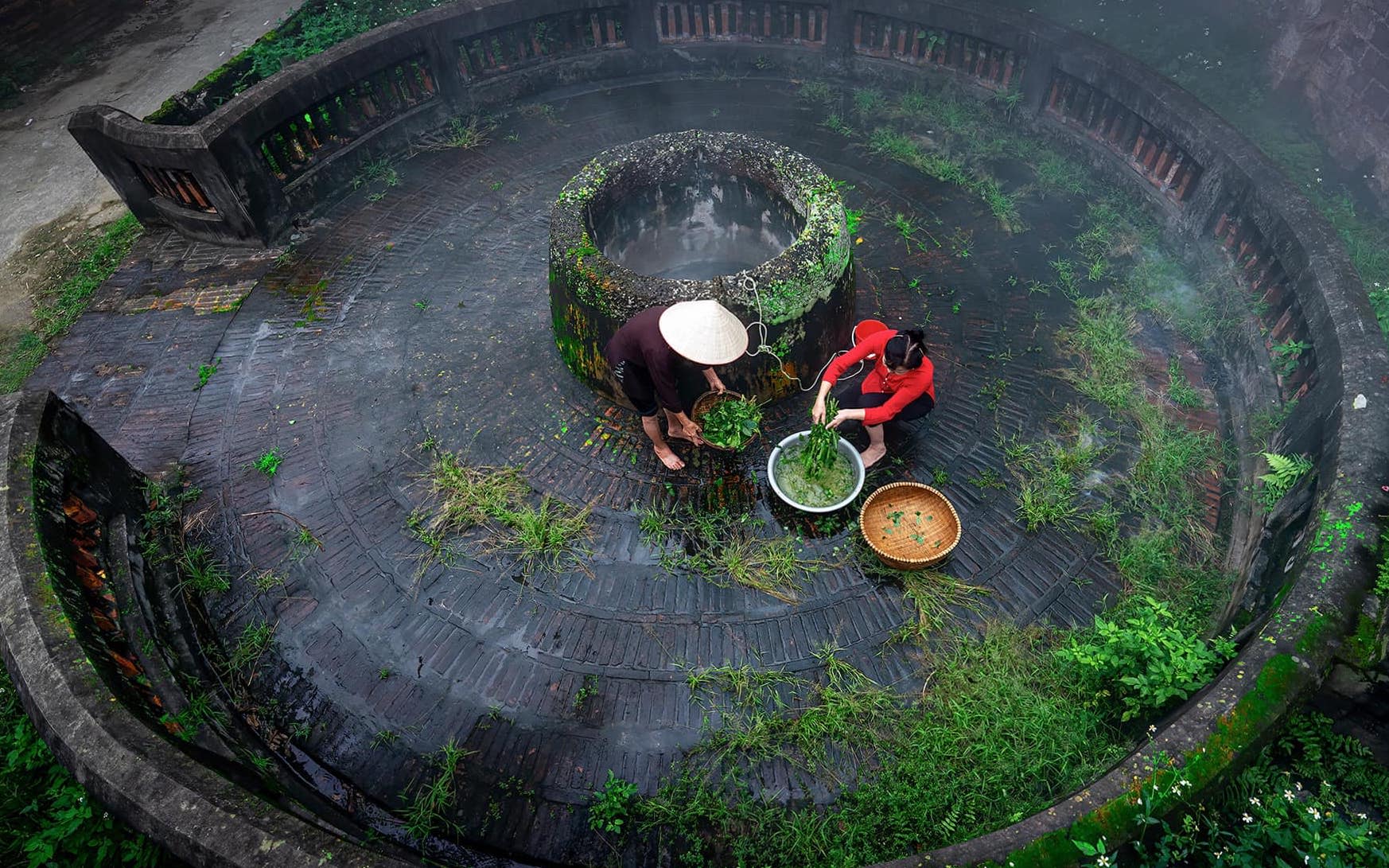
Ancient wells create rustic spaces in the old village of Đường Lâm (Sơn Tây town). Photo: Nina May.
The expansion of Hanoi's administrative boundaries enriched the capital's culture, but it did not diminish the unique identity of the Doai region; instead, it elevated the Doai cultural region to a new level.

Before the merger, the former Ha Tay province had 3,053 historical sites. The province paid attention to the restoration of these sites, but economic resources were limited. With the merger into the capital city, these difficulties were overcome, as the city allocated resources to support localities in preserving these valuable heritage sites.
Specifically, on April 8, 2022, the City People's Council issued Resolution No. 02/NQ-HĐND supplementing the 5-year medium-term public investment plan for 2021-2025, allocating capital for 2022 to implement the plan for investment in the construction and renovation of public schools to meet national standards, upgrading the healthcare system, and restoring and preserving historical relics in the period 2022-2025 and subsequent years, as well as a number of basic construction projects with city-level expenditure tasks.
According to Resolution No. 02/NQ-HĐND, the city is investing in the restoration of historical relics with a capital of up to 14,000 billion VND for 579 projects. This includes a combination of funds allocated by local authorities and supplementary funds from the city budget.
A series of historical sites in the Đoài cultural region have benefited from the implementation of this Resolution. Three groups of sites are prioritized for investment and restoration: sites that are severely degraded and at risk of collapse, sites that have been classified as high-value but whose original components are deteriorating, and sites that need to be promoted as tourist destinations.
For example, in Phuc Tho district, since the implementation of Resolution No. 02/NQ-HĐND, approximately 20 historical sites have been restored and renovated, and Thach That district has achieved a similar number. Thanks to this investment, hundreds of historical sites in the Doai region have been restored to their former beauty.
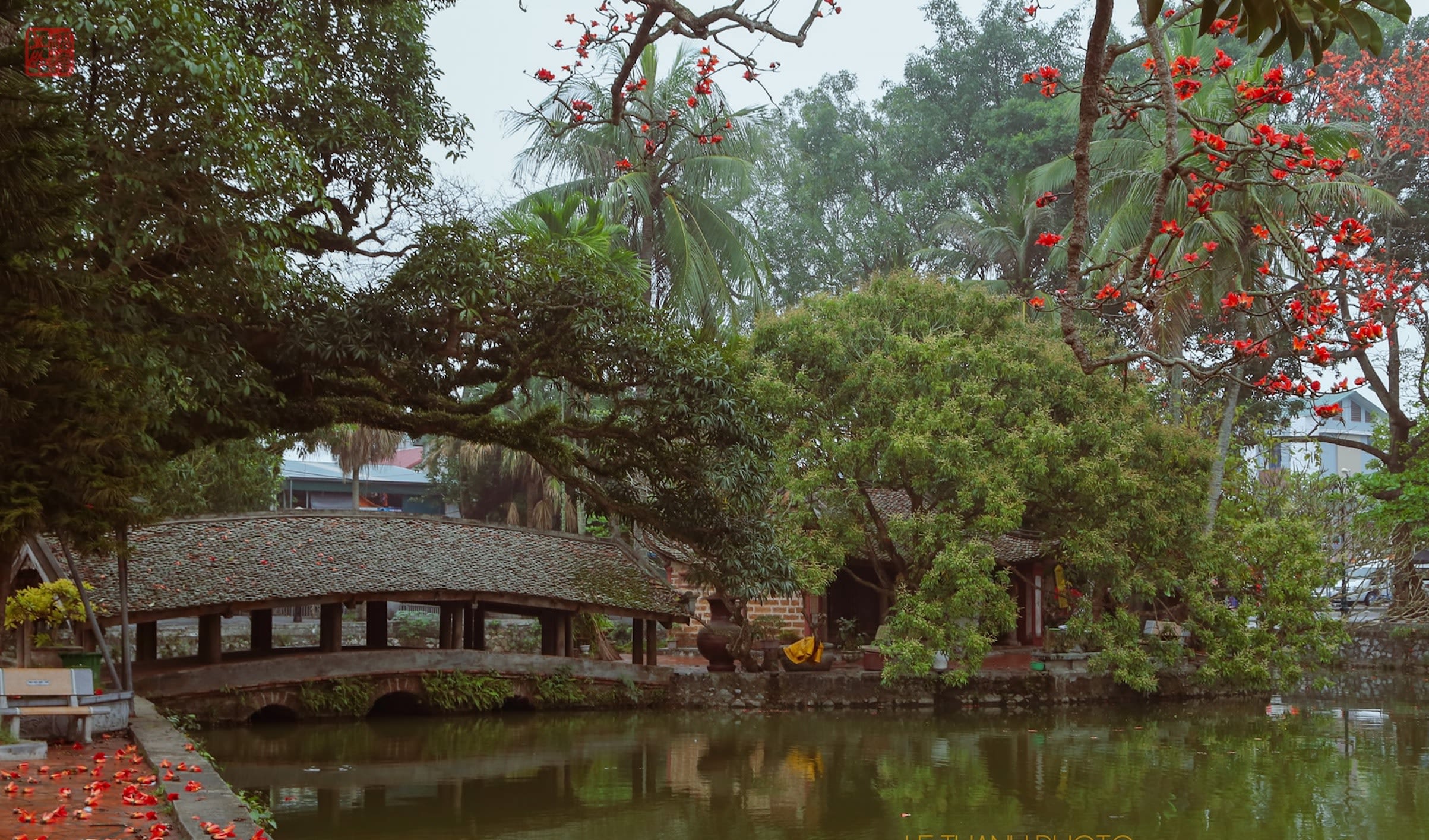
Thầy Pagoda (Quốc Oai district) during the kapok flower season. (Photo: Lê Thành)
In the field of intangible cultural heritage, the Hanoi Department of Culture and Sports' project on the comprehensive inventory and protection of intangible cultural heritage has led to the review, identification, and implementation of conservation measures for intangible cultural heritages in the Đoài region. Heritages that were once at risk of disappearing, such as the "Trống Quân" singing in Phúc Thọ and "Dô" singing in Quốc Oai, have been revived. The activities of the Bình Phú, Chàng Sơn, and Thạch Xá water puppetry troupes, and the Thượng Mỗ "Ca Trù" singing troupe, have found new vitality.
As a researcher, musician, and performer of traditional music, renowned for his work in reviving Xam (a type of Vietnamese folk music) and other traditional folk art forms, researcher and musician Nguyen Quang Long assessed: "When the Doai region was merged into Hanoi, the cradle of Thang Long culture, which was so strong in all aspects, many feared that the culture of the Doai region would gradually be forgotten and fade away. In the Doai region, traditional cultural features are still cared for, preserved, and their value is promoted."
To date, the pedestrian street around Son Tay Ancient Citadel (Son Tay town) has been operating for over two years, but its appeal has never diminished. Many cultural and artistic performances are regularly held here on weekends. The pedestrian street also hosts art exhibitions, handicraft displays, and traditional games… All these activities transform the pedestrian area around Son Tay Ancient Citadel into an attractive cultural and tourist space. On average, the pedestrian area attracts about 10,000 visitors each evening. During major holidays or large events, the pedestrian street around Son Tay Ancient Citadel attracts 25,000 to 30,000 visitors. The activities of the pedestrian street also help local people earn extra income, contributing to the economic development of the town.
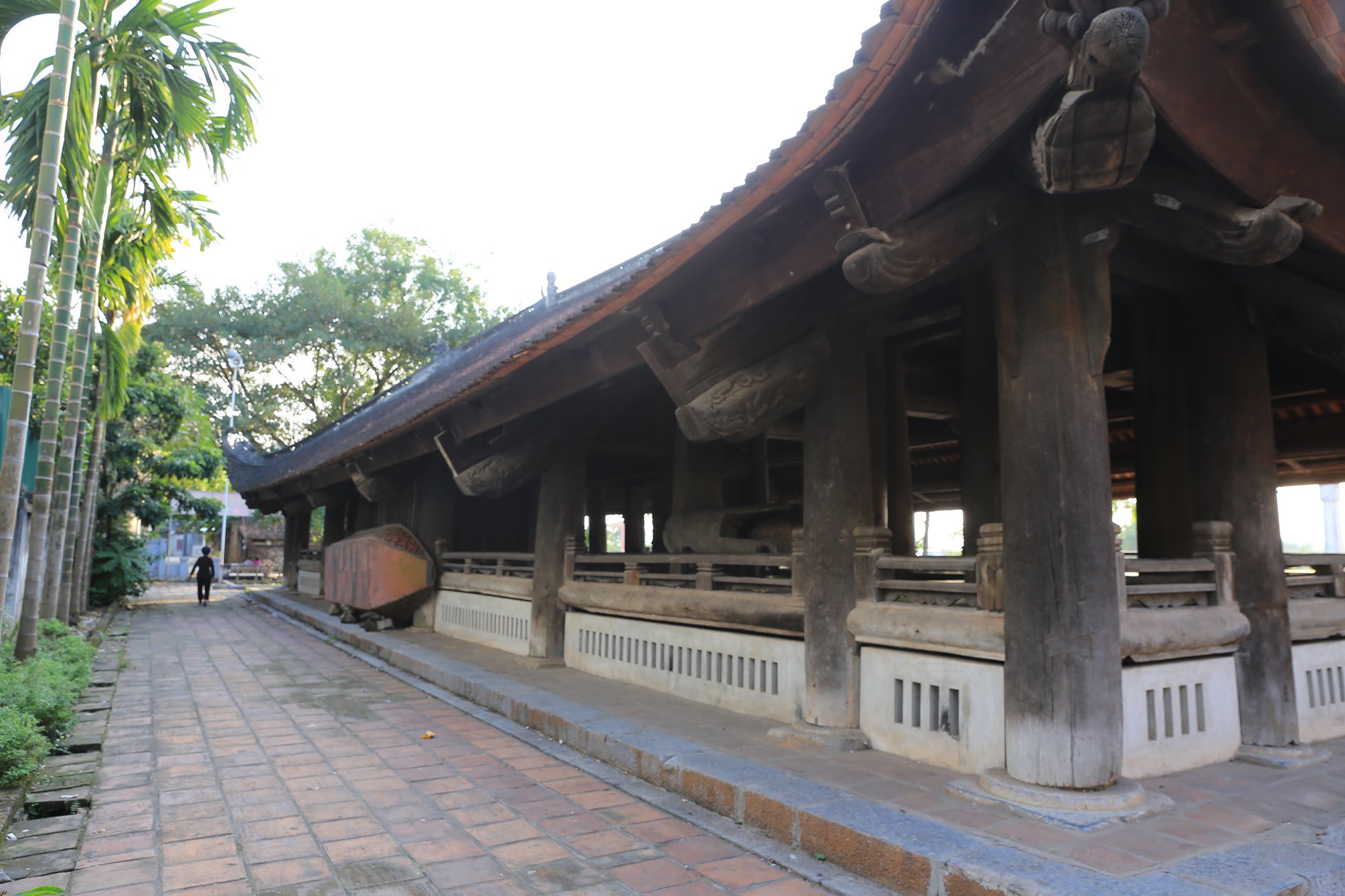
Chu Quyen communal house, one of the communal houses that brings glory to the saying "Southern bridge, Northern pagoda, Western communal house". (Photo: Tran Trung Ha).
In implementing Resolution No. 09-NQ/TU of the Hanoi City Party Committee on "Developing the cultural industry in the Capital City in the period 2021-2025, with orientation to 2030 and vision to 2045," many cultural heritage sites of the Doai region have been exploited and their value promoted, becoming important resources in the development of the cultural industry, with the pedestrian street around Son Tay Ancient Citadel being one of many activities. Along with Son Tay Ancient Citadel, other relics such as Duong Lam Ancient Village, Thay Pagoda, Tay Phuong Pagoda, Hat Mon Temple, etc., have all become attractive tourist destinations.
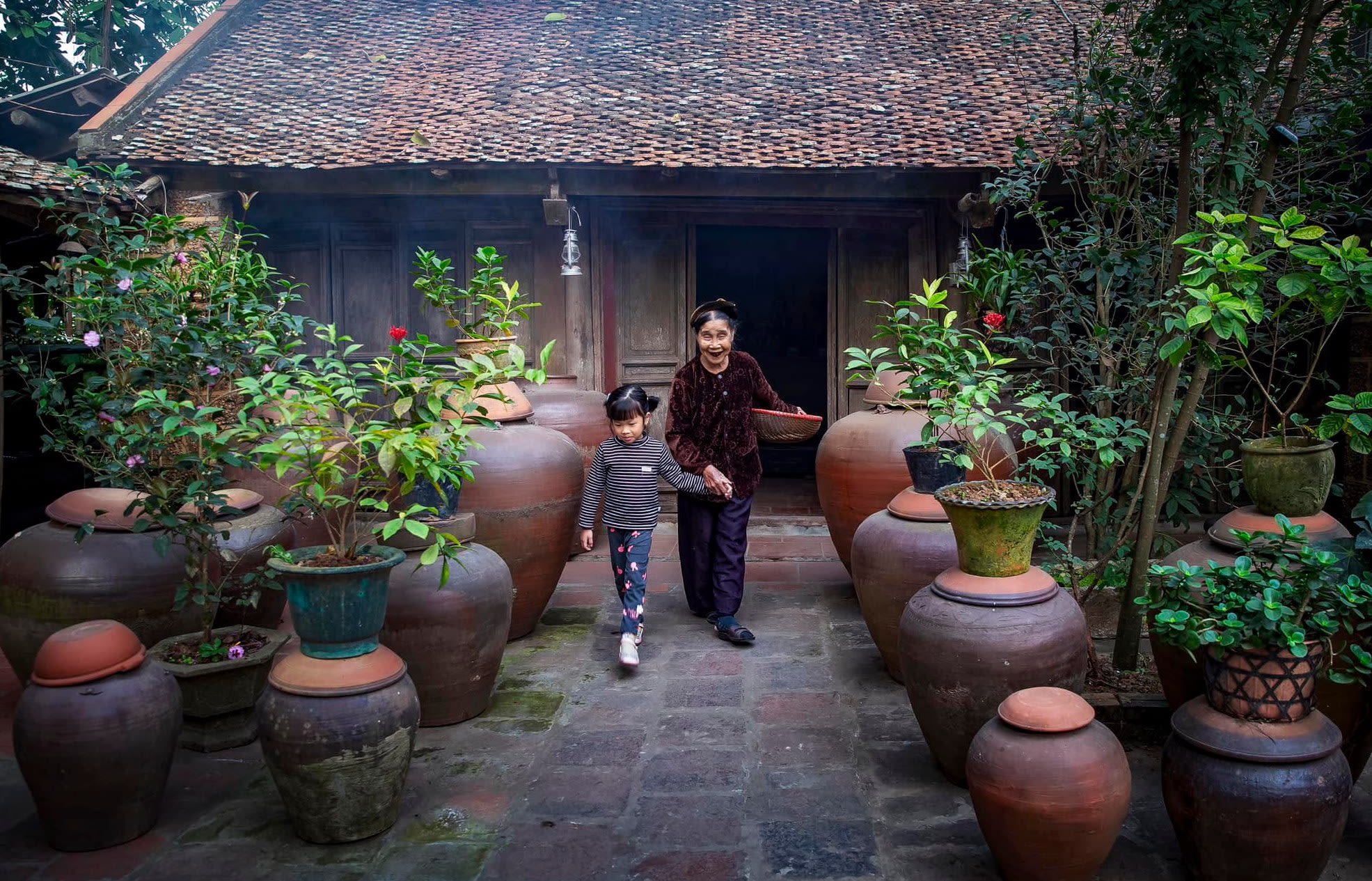
Peaceful, rustic life in the ancient village of Đường Lâm (Photo: Nina May).
Intangible cultural heritage is also being "awakened" to participate in the development of the cultural industry, especially in forms of festivals, folk performing arts, and cuisine. One example is Vietnam's first live performance - "The Quintessence of Northern Vietnam". This is a prime example of creativity, bringing new values to folk art.
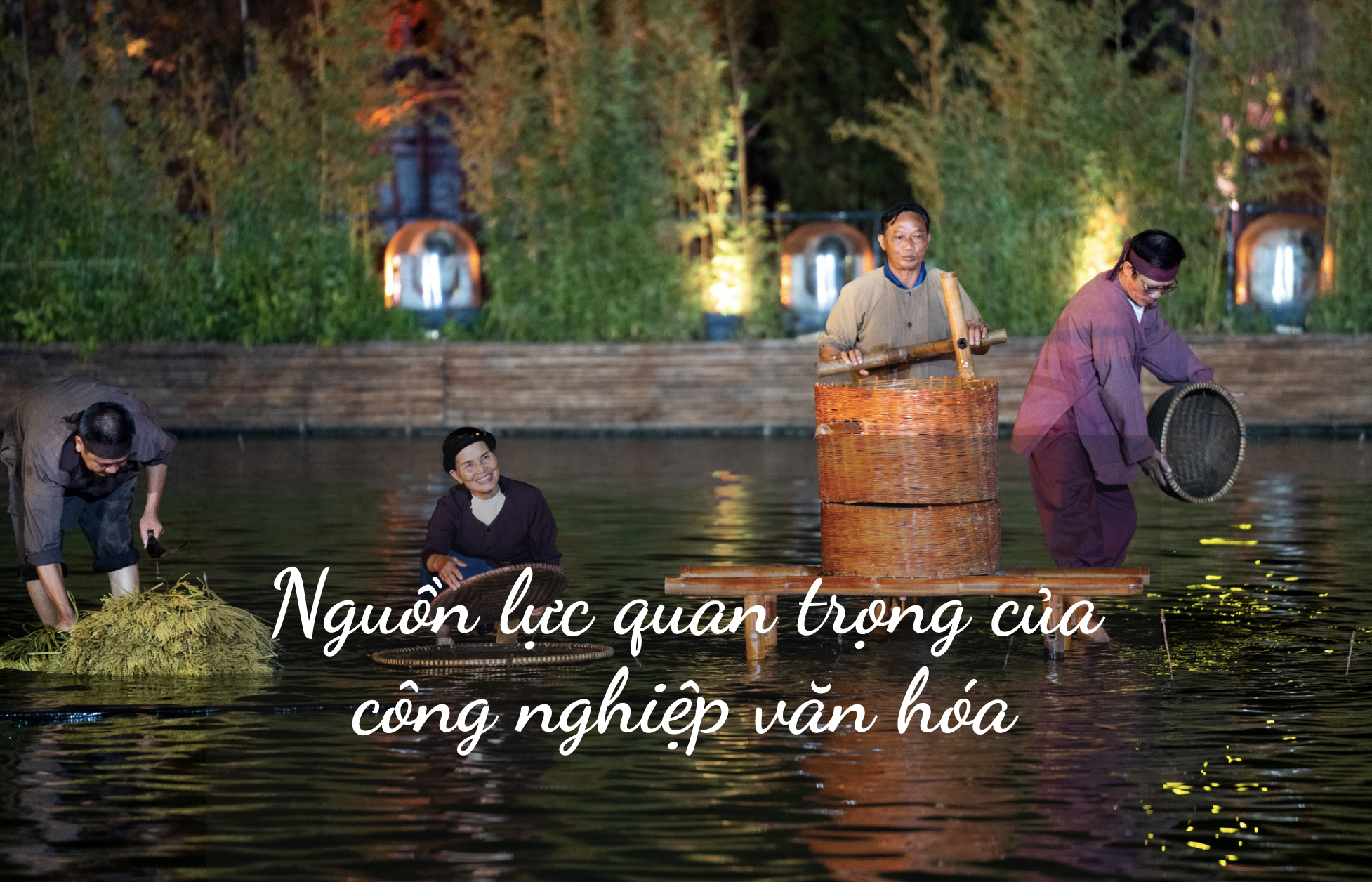
"The Quintessence of Northern Vietnam" boasts a grand stage setting, modern special effects, and a cast of up to 200 actors. Set against the backdrop of a traditional village in the Đoài region, the life of rural people is recreated, from scenes of labor and production to festivals and daily activities. This allows the audience to clearly feel the simplicity and sincerity of Đoài culture. Interspersed among these activities are traditional folk performing arts such as water puppetry and ceremonial singing, performed by the artist-farmer performers themselves. Therefore, the show has maintained its appeal to audiences, especially tourists, in recent years.
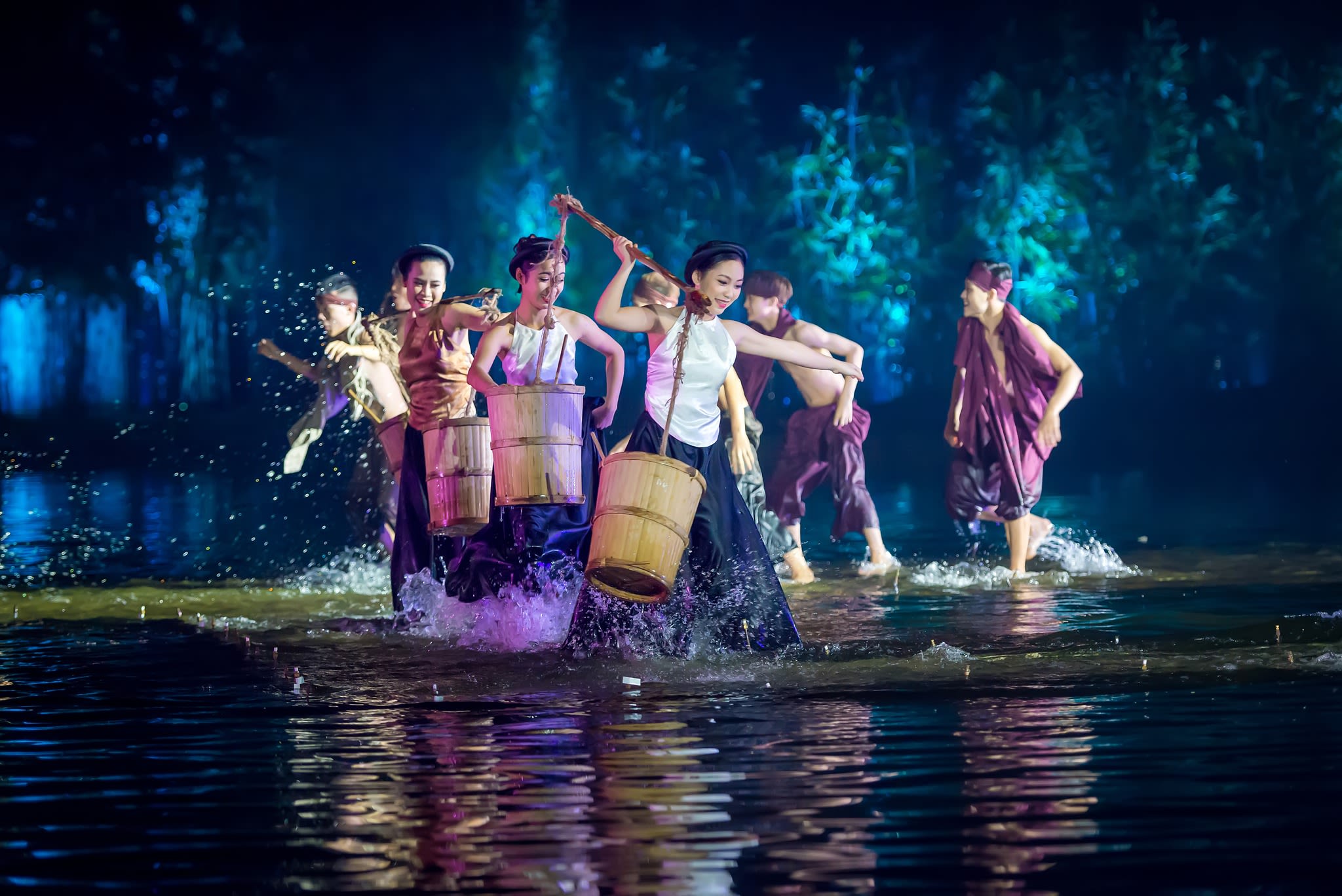
The "Quintessence of Northern Vietnam" performance recreates and celebrates the beauty of rural life. Photo: Tuan Chau Hanoi Joint Stock Company.
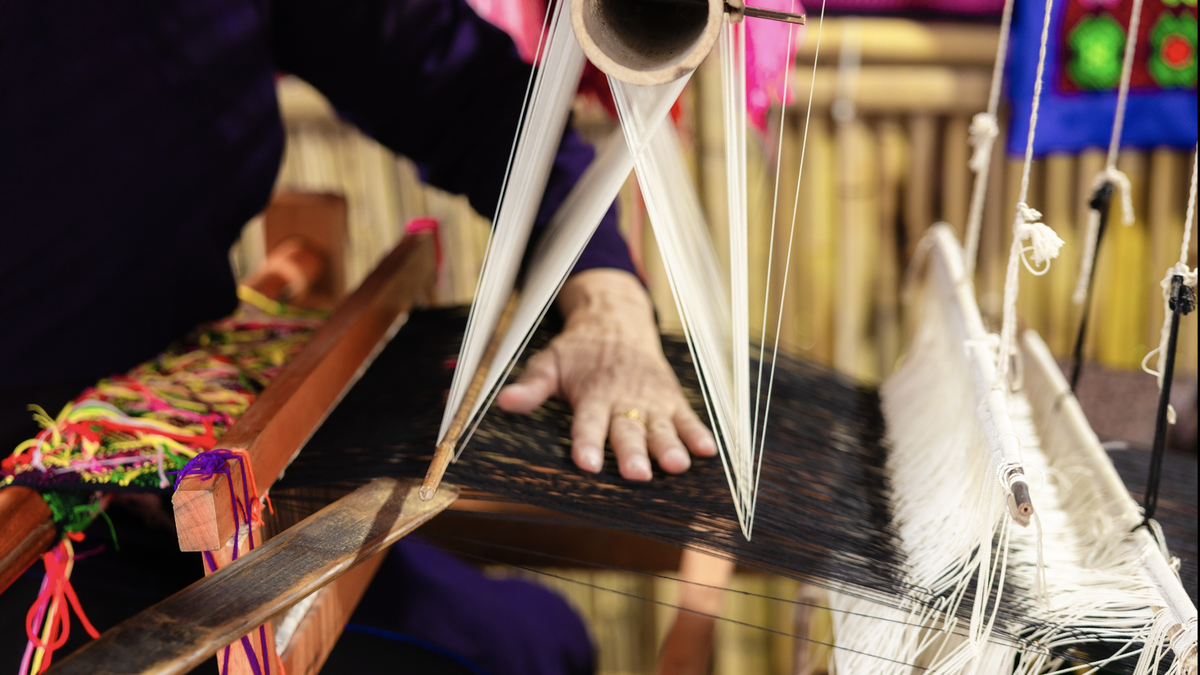
In addition to the aforementioned heritage sites, the gong performance art of the Muong people is incorporated into many tourist tours; folk performing arts such as water puppetry, Ca Tru singing, and Hat Do singing are showcased on large stages. Furthermore, traditional craft villages such as Chang Son carpentry, Son Dong statue carving, and Thach Xa bamboo dragonfly making have become both tourist destinations and producers of various handicrafts for gifts, generating significant economic value.
Despite facing numerous challenges, especially regarding human resources and solutions for transforming heritage resources into cultural industrial products, the cultural heritage of the Đoài region has initially been exploited in the right direction, contributing to changing the lives of the local people. Furthermore, through the development of the cultural industry, awareness of this important resource has led to better preservation of many heritage sites, creating lasting vitality for the culture of the Đoài region.
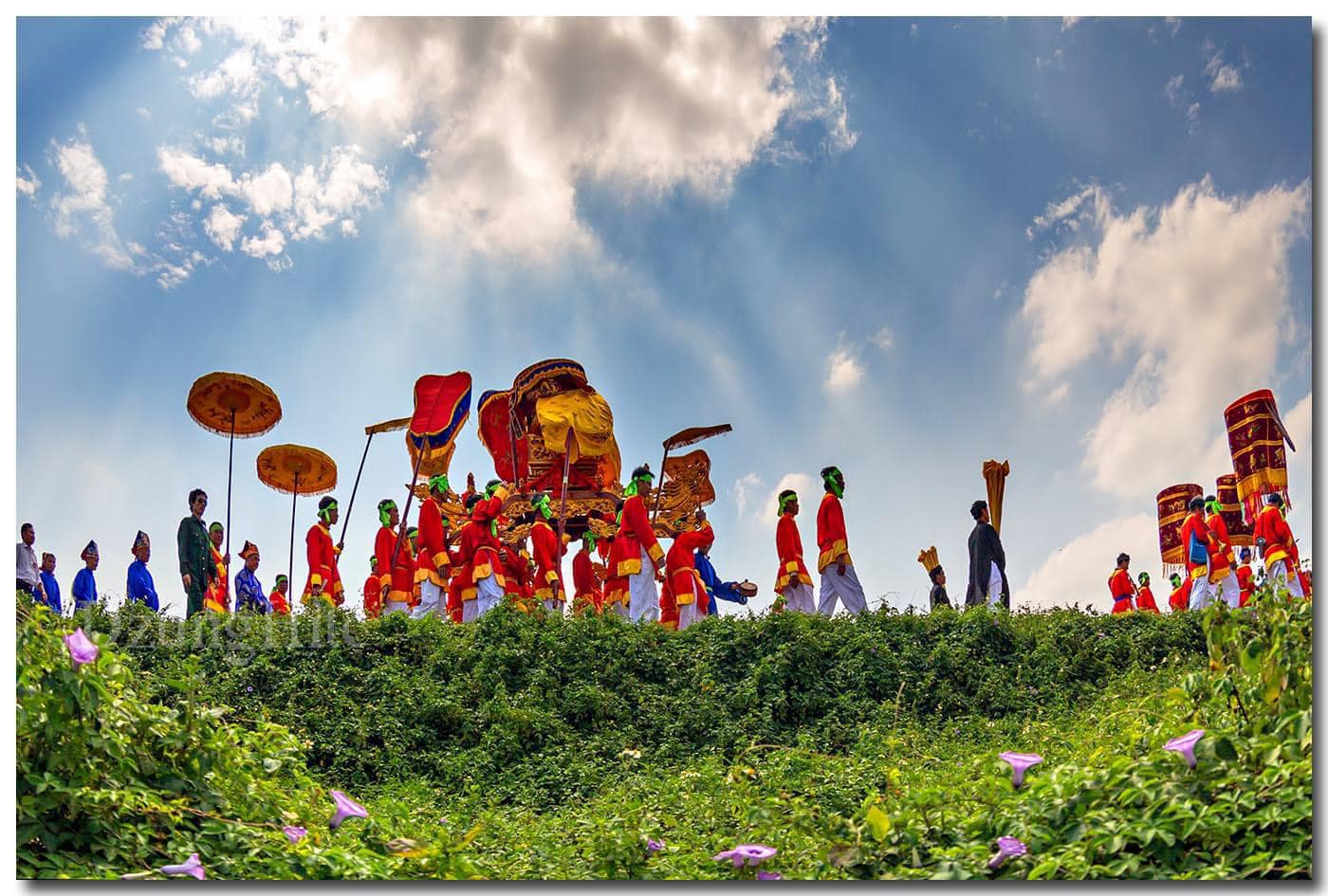
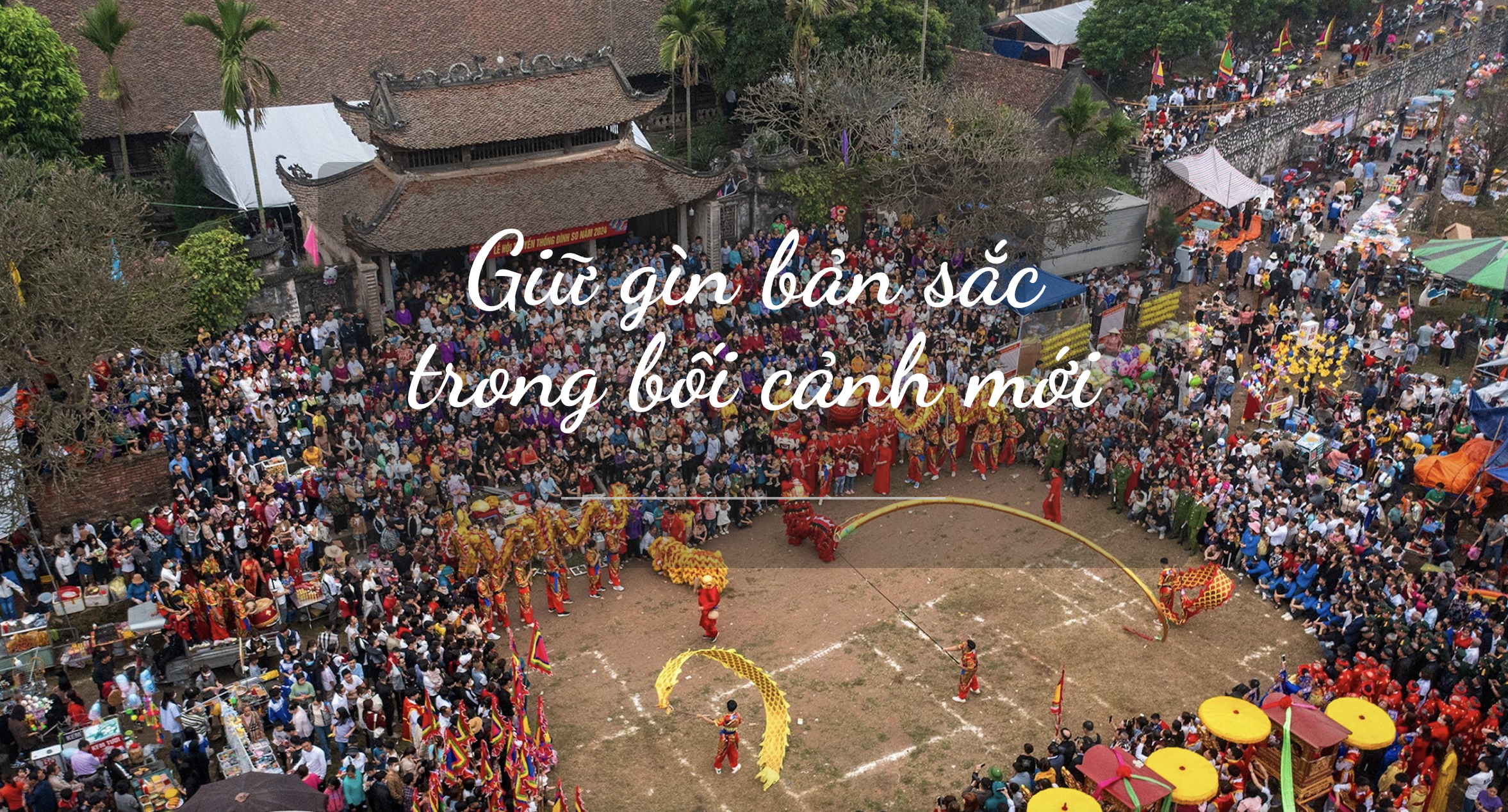
Procession of the Gia festival (Hoai Duc district). Photo: Pham Quoc Dung
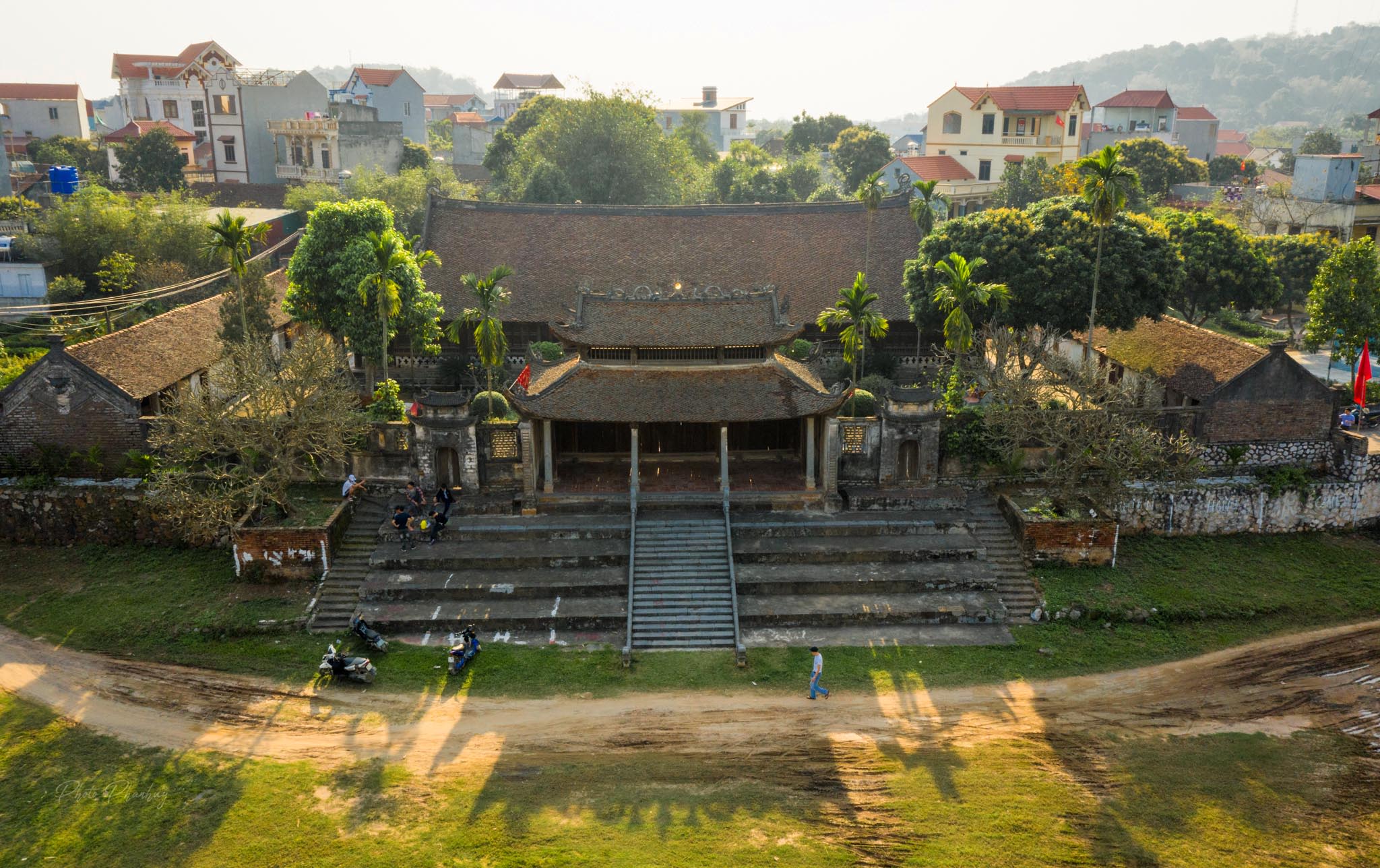
So Temple (Quoc Oai district), a temple known as: The most beautiful temple in the Doai region, So Temple. Photo: Phan Huy.
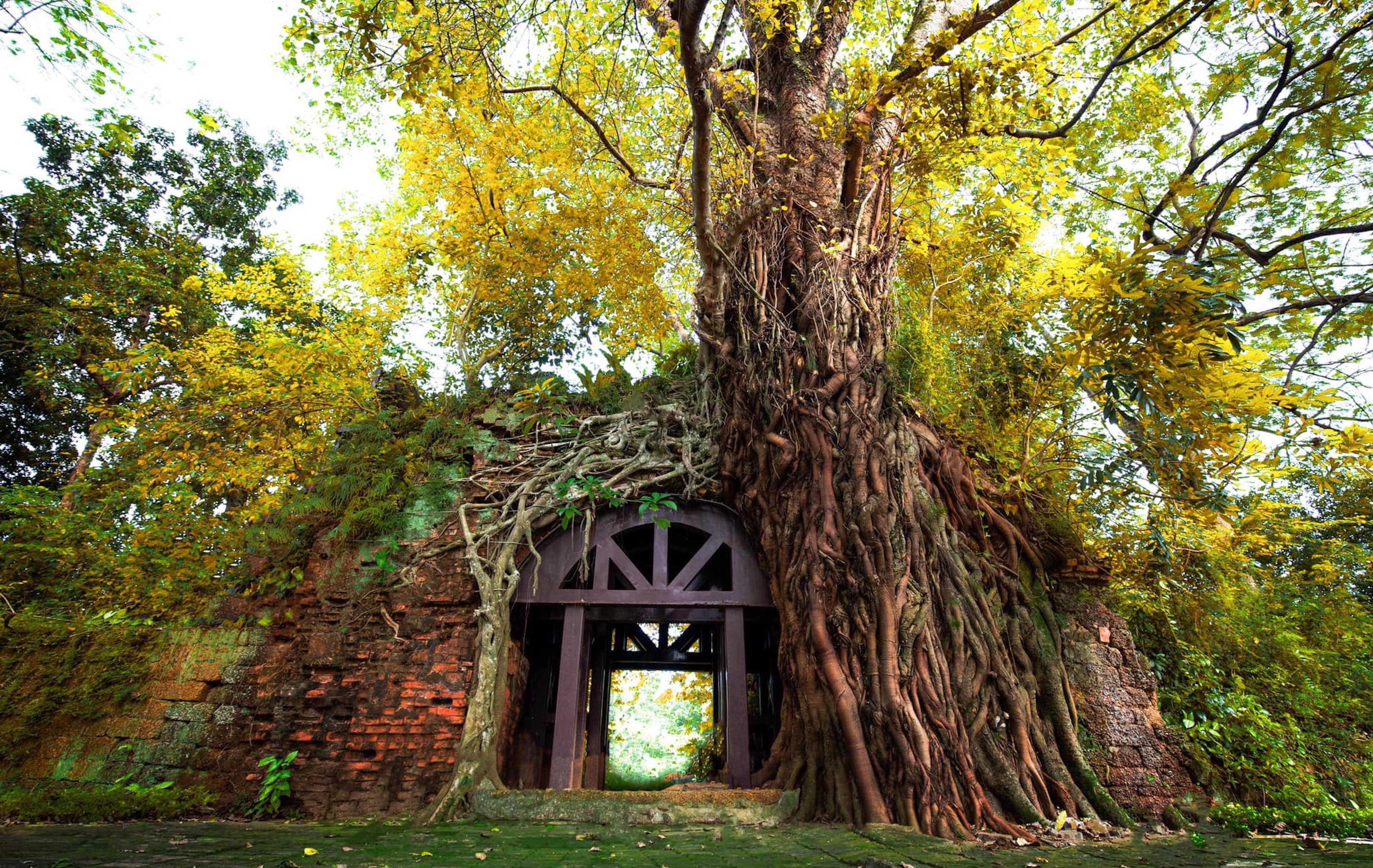
The solemn ancient citadel of Shanxi (Photo: Nina May).
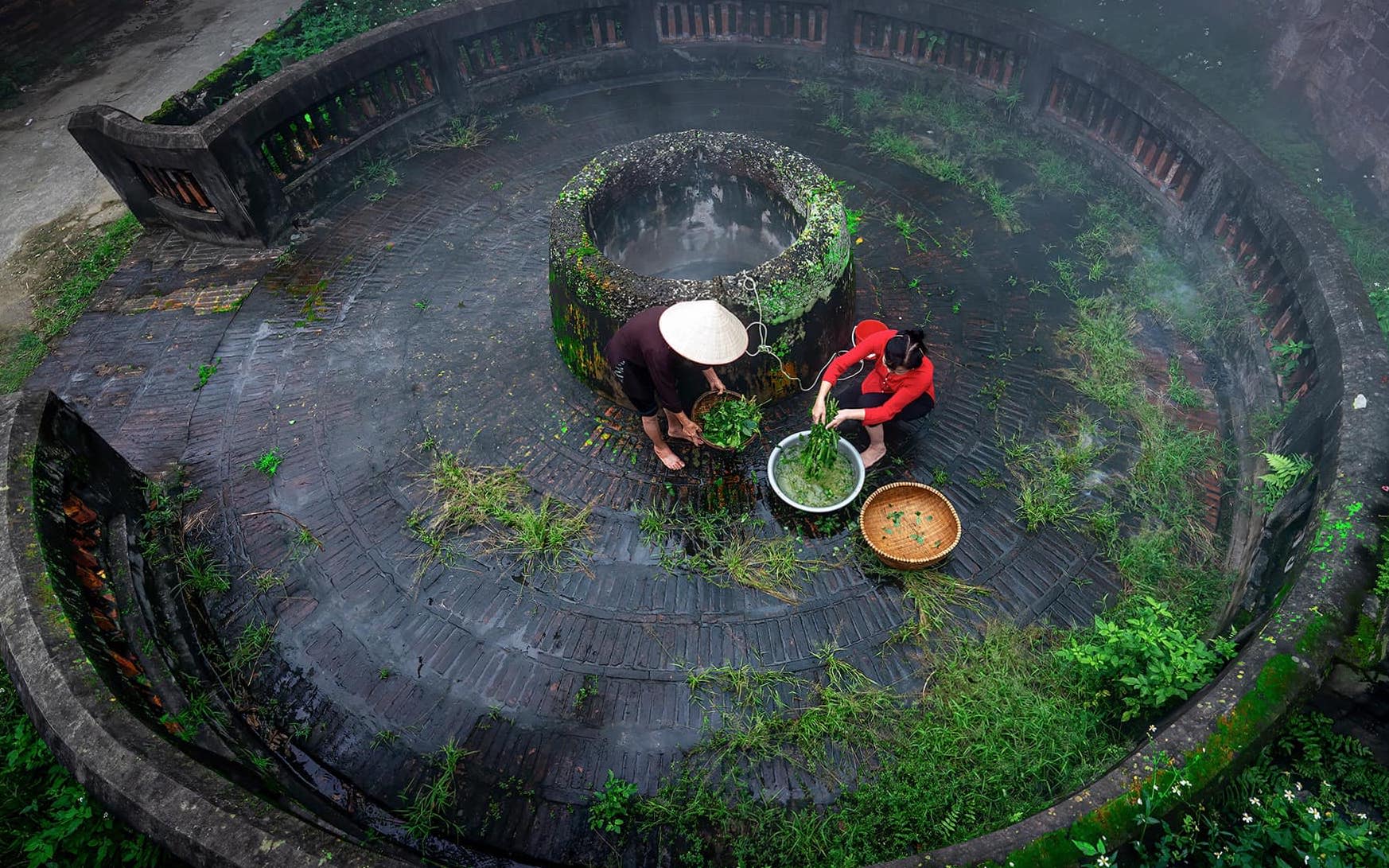
Ancient wells create rustic spaces in the old village of Đường Lâm (Sơn Tây town). Photo: Nina May
Organizers: Kieu Huong - Hong Minh. Content: Giang Nam. Presentation: Bao Minh. Photos: Nina May, Pham Quoc Dung, Tran Trung Ha, Le Thanh, Tuan Chau Hanoi Joint Stock Company.
Nhandan.vn
Source: https://special.nhandan.vn/di-san-van-hoa-xu-Doai-Ha-Noi/index.html
















![[Photo] Prime Minister Le Minh Hung offers incense at Truong Son National Martyrs Cemetery and Quang Tri Ancient Citadel National Special Historical Site.](https://vphoto.vietnam.vn/thumb/402x226/vietnam/resource/IMAGE/2026/05/23/1779517619518_a6-7719-7654-6165-jpg.webp)





































Comment (0)