


Van Son commune has established concentrated areas for the production of safe vegetables.
Agricultural production has not effectively exploited the potential of the local soil conditions. The transformation of the crop structure towards high-value crops is fragmented and not synchronized. Production in a modern, organic direction, and the development of OCOP products are not widespread, the consumer market is narrow, and there are few high-value-added products. Tourism development has not made a breakthrough commensurate with the potential and advantages of the locality... This is the reality that has been unfolding in Van Son for many years.
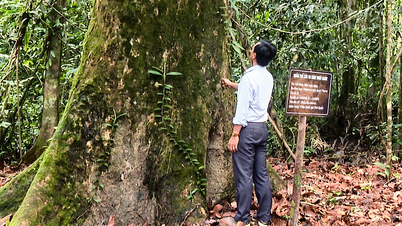
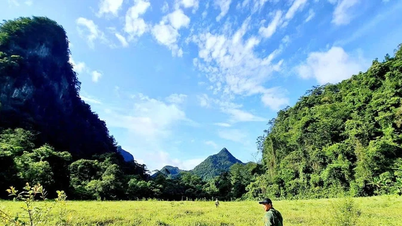
After the merger, the socio-economic development potential of Van Son commune has expanded significantly, with nearly 80% of its area covered by forests. Its proximity to the Pu Luong Nature Reserve (Thanh Hoa) and the Ngoc Son - Ngo Luong Nature Reserve (Phu Tho) creates a rich ecosystem, unique natural landscapes, and great potential for the development of ecotourism , community tourism, and cultural tourism. The commune boasts numerous scenic spots and historical sites such as Nam Son Cave (a national monument), Kien Mountain Cave (a provincial-level monument), Thung Waterfall - Pang Beach, a cluster of 11 ironwood trees (Vietnamese Heritage Trees), Lung Van Peak, Lung Van terraced rice fields, etc. In addition, favorable natural conditions have helped Van Son become an agricultural production area with distinctive products such as chayote, tangerines (protected by a collective trademark since 2017), garlic, Shan Tuyet tea, Muong pigs, and free-range chickens. | |
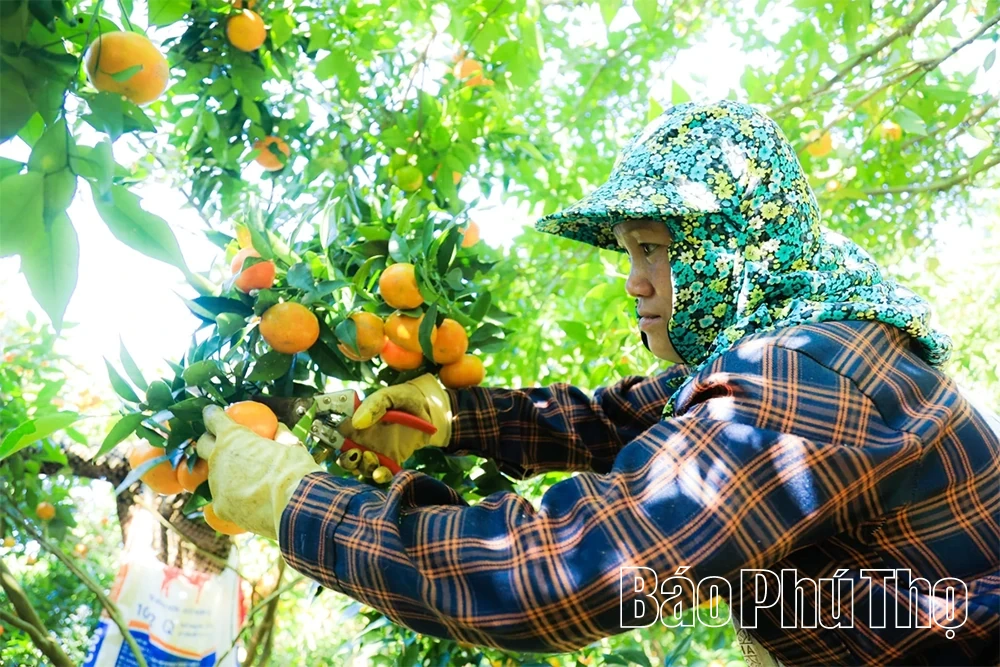
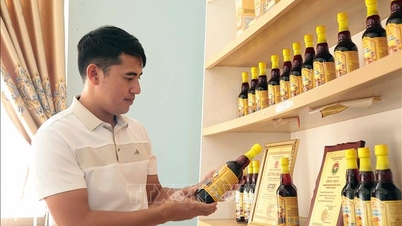
Van Son tangerines are gradually establishing their brand.
To "awaken" the existing potential, Comrade Nguyen Duy Tu - Secretary of the Party Committee of the commune - said that the Party Committee has focused on leading and directing the shift in agricultural production structure towards concentrated, commodity-based production, gradually meeting market demands, in accordance with the ecological and soil conditions of each locality, linked with production area planning and new rural construction.
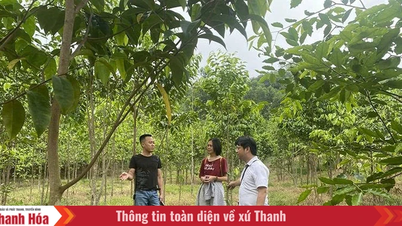
Accordingly, the locality has established specialized production areas for key vegetables and fruits such as Quyết Chiến chayote and Nam Sơn tangerines; at the same time, it has promoted the application of science and technology in production to increase productivity, enhance product value, and encourage the development of organic farming for key agricultural products.
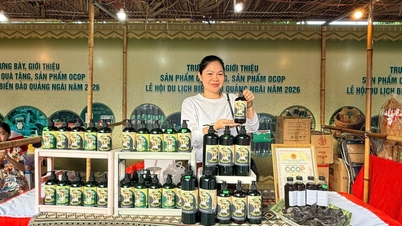
In addition, 7 cooperatives have been established and put into operation, notably the Quyet Chien Safe Vegetable Cooperative with OCOP products such as chayote shoots and radishes; the V.Organic Organic Agriculture Cooperative with VietGAP-certified vegetables and fruits; the Tay Bac Safe Vegetable Cooperative with its main product being chayote shoots along with other vegetables and fruits; and the Van Bo Agricultural Cooperative with Ngo Luong Shan Tuyet tea... This contributes to promoting the commercialization of agricultural products and gradually building and affirming the local agricultural brand.
The commune has also focused on investing in infrastructure to create momentum for tourism and agricultural development. By 2025, 64 projects with a total disbursed capital of nearly 35 billion VND will be implemented simultaneously. These projects have contributed to changing the face of rural areas, strengthening trade connections between hamlets and villages; and paving the way for tourism and agricultural products.
By the end of 2025, Van Son commune had completed and exceeded 17 out of 18 key socio-economic targets. The commune aims to achieve an average per capita income of 37 million VND/person/year in 2026; state budget revenue in the area reaching 150 million VND; and the poverty rate reduced to 12.49%.
To realize its development goals, Van Son commune is focusing on effectively exploiting its agricultural and tourism potential. Accordingly, the locality is developing a plan to organize a thematic conference to discuss solutions for leading agricultural development; finalizing the planning of production areas, and restructuring agriculture towards the formation of concentrated production zones.
At the same time, develop distinctive products under the common "Van Son" brand such as tangerines, chayote, honey, Muong pigs, sticky rice, tea, garlic, etc., improve the quality of key products, strive to have more OCOP products and upgrade the ranking of already recognized products.
The commune also strengthens linkages in production, processing, and consumption; encourages the development of farm-based economy and specialty livestock farming, in conjunction with investment in and upgrading of transportation infrastructure to serve tourism and goods transportation.

The road system leading to Van Son is being renovated and upgraded, opening up opportunities for Van Son to develop its existing potential and advantages.
In the tourism sector, Van Son commune is promoting its potential and local specialties; building and operating websites and fan pages to introduce tours and travel routes. Along with that, the commune is promoting and supporting the development of homestays and community tourism; organizing training to improve tourism skills and the application of digital platforms in service businesses, gradually making tourism a key economic sector of the locality.
Willow
Source: https://baophutho.vn/danh-thuc-tiem-nang-cua-van-son-246741.htm


![[Video] Sunset at Lap An Lagoon – Where the sun sets over the fishing nets](https://vphoto.vietnam.vn/thumb/1200x675/vietnam/resource/IMAGE/2026/05/31/1780192137701_beach-landscape-sea-water-nature-grass-745871-pxhere-com.jpeg)








![[Video] Sunset at Lap An Lagoon – Where the sun sets over the fishing nets](https://vphoto.vietnam.vn/thumb/340x192/vietnam/resource/IMAGE/2026/05/31/1780192137701_beach-landscape-sea-water-nature-grass-745871-pxhere-com.jpeg)
























































Comment (0)