For many women, menstrual cramps are a familiar monthly occurrence. A few dull aches in the lower abdomen on the first day of menstruation are often considered normal. However, if the pain becomes increasingly severe, lasts for years, requires constant pain medication, or interferes with work and daily life, it may no longer be considered normal menstrual cramps.
What is endometriosis?
Normally, the endometrium is the layer of tissue inside the uterus that sheds during the monthly menstrual cycle. However, in people with endometriosis, endometrial-like tissue grows in locations outside the uterus, such as the ovaries, fallopian tubes, pelvic peritoneum, and even the intestines or bladder.
These "misplaced" tissues are still affected by female sex hormones, just like normal uterine lining. Each menstrual cycle, they also thicken, bleed, and cause localized inflammation. Over time, this condition can lead to scarring, adhesions between pelvic organs, and persistent pain.
According to statistics from the World Health Organization (WHO), endometriosis affects approximately 10% of women of reproductive age. However, many cases are overlooked or diagnosed late because patients mistake it for ordinary menstrual cramps.
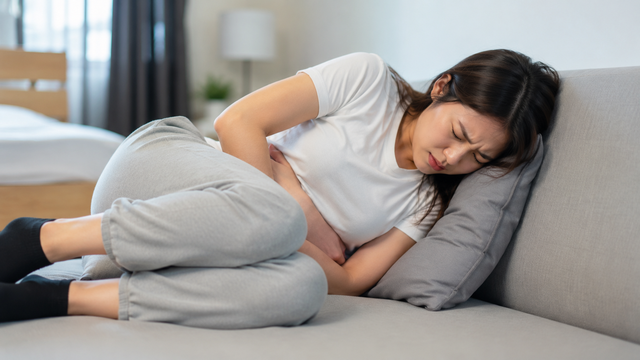
Severe, prolonged menstrual pain lasting for many years can be a warning sign of endometriosis in young women.
What are the signs that menstrual cramps are no longer normal?
The most important sign is that the pain tends to worsen over time.
If the pain was previously mild and lasted only a few hours, but is now severe, lasting for many days, or causing you to miss school or work, you should pay special attention. Some women describe the pain as a tightening sensation in the lower abdomen, radiating down the back or legs, accompanied by nausea, diarrhea, and dizziness.
Many people need to take strong doses of painkillers for months just to function normally. This is a sign that the pain may be related to an underlying medical condition rather than just a normal physiological reaction.
In addition to severe menstrual cramps, endometriosis can also cause:
- Persistent pelvic pain.
- Pain during sexual intercourse.
- Pain during urination or bowel movements during menstruation.
- Abnormally heavy menstruation.
- Bloating and persistent fatigue.
- Difficulty conceiving or infertility.
It's worth noting that the level of pain doesn't always reflect the severity of the condition. Some people may have extensive lesions but experience little pain, while others may suffer intense pain from only minor lesions.
Why is the disease often detected late?
Many women tend to endure menstrual cramps because they think it's just a "genetic characteristic." Quite a few women self-medicate with painkillers for years without seeking medical attention.
Meanwhile, endometriosis is difficult to diagnose early because its symptoms are easily confused with digestive disorders, gynecological inflammation, or irritable bowel syndrome. In many cases, the time from symptom onset to diagnosis can extend for many years.
Gynecologists say that young women, especially those aged 20-35, need to pay more attention if menstrual cramps worsen or if they experience chronic pelvic pain.
Is endometriosis dangerous?
Although benign, endometriosis can seriously affect quality of life if left untreated.
Prolonged pain causes many women to feel tired, experience insomnia, reduced work capacity, and become more prone to stress or anxiety. In some cases, pain lasting for many years can have a significant psychological impact.
More concerningly, this is also a common cause of infertility. Damage and scarring in the ovaries or fallopian tubes can reduce the chances of natural conception.
In severe cases, the disease can cause endometrial cysts in the ovaries, pelvic adhesions, or affect the bowels and bladder.
When should I see a doctor?
Women should see a gynecologist if they experience any of the following symptoms:
- Menstrual cramps are getting worse.
- Pain that forces students to miss school or work.
- I used painkillers regularly but they weren't effective.
- Pain during sexual intercourse.
- Pelvic pain that lasts outside of the menstrual period.
- Irregular menstruation.
- Difficulty getting pregnant after a long period of time.
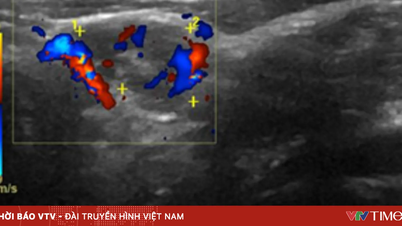
Currently, gynecological ultrasound, MRI, or endoscopy can aid in diagnosing the disease. Early detection leads to better symptom management and reduces the risk of complications affecting fertility.
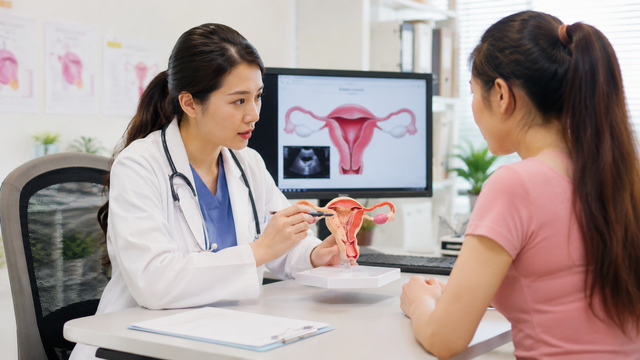
Early gynecological examinations help detect and control endometriosis before complications such as infertility occur.
How is the disease treated and controlled?
Depending on the severity of the condition and the desire to have children, the doctor may prescribe pain medication, hormone therapy, or surgical intervention.
In addition to medical treatment, patients also need to maintain a healthy lifestyle, get enough sleep, engage in gentle exercise, and limit prolonged stress to help manage symptoms.
Experts emphasize that women should not consider severe menstrual cramps as something normal to accept. Pain that persists for many years can sometimes be a warning sign that the body is warning of a gynecological condition that needs to be detected early.
Source: https://suckhoedoisong.vn/dau-bung-kinh-du-doi-coi-chung-bi-lac-noi-mac-tu-cung-169260511081939913.htm


![[Image] Close-up view of the interchange connecting the two expressways and Long Thanh Airport.](https://vphoto.vietnam.vn/thumb/1200x675/vietnam/resource/IMAGE/2026/05/25/1779703378210_ndo_br_z7863716673926-224453a31600126cce10622af6290afd-4549-jpg.webp)


![[Image] Hanoi's urban life under the challenge of a "scorching hot" environment](https://vphoto.vietnam.vn/thumb/1200x675/vietnam/resource/IMAGE/2026/05/25/1779706979265_nang-nong-t5-2026-minh-duy-7-4636-jpg.webp)























































































Comment (0)