

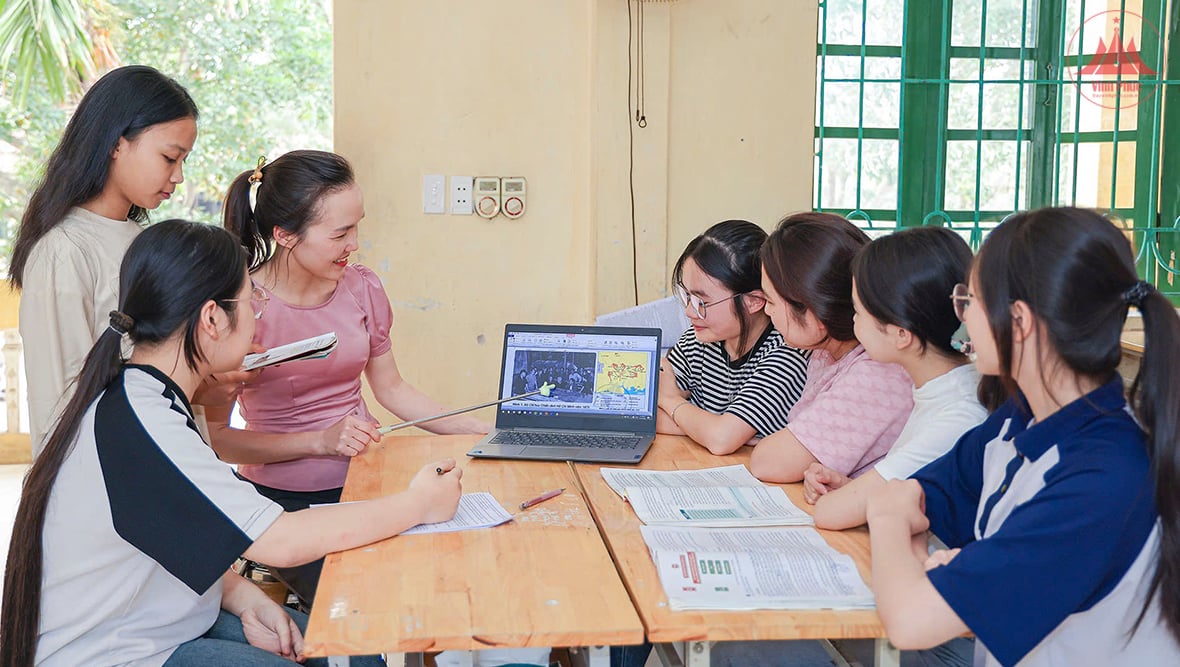
History is the repository of the nation's golden pages. From Bach Dang and Chi Lang to Dien Bien Phu, Vietnamese history is an epic poem of indomitable spirit, fervent patriotism, and self-reliance, forging the Vietnamese character.
But if these values are not taught, not recounted, and not instilled in the hearts of the younger generation, they risk being forgotten. History education is a journey to awaken memories, ignite pride, and cultivate national spirit. Teaching history is not about living in the past, but about understanding the past, understanding the value of the sacrifices and losses made to achieve the present, and from there, writing the future.
The common misconception in the past was that studying history was just about memorizing dates and events, which made many students uninterested. But history is not about numbers; it's about stories of people, choices, and ideals. Why did a dynasty fall? Why did an uprising succeed? What makes a person a national hero?... These questions not only help students understand history but also cultivate critical thinking, analytical skills, and the ability to choose the right values in life. Studying history is about learning not to repeat past mistakes, learning to make wise decisions in the present to create a better future.
In the context of global integration, young people are easily swept up in waves of foreign cultures; therefore, a strong cultural and historical foundation becomes a "spiritual passport" that helps young people integrate without being assimilated, while still preserving their national identity.
The provincial Department of Education and Training has implemented reforms in teaching and learning history according to the 2018 general education curriculum. At the primary and secondary school levels, the history curriculum equips students with basic, core knowledge of the entire history of Vietnam and world history.
At the high school level, History is taught in a way that helps students access, consolidate, and enhance their knowledge through various topics and themes, serving their career orientation.
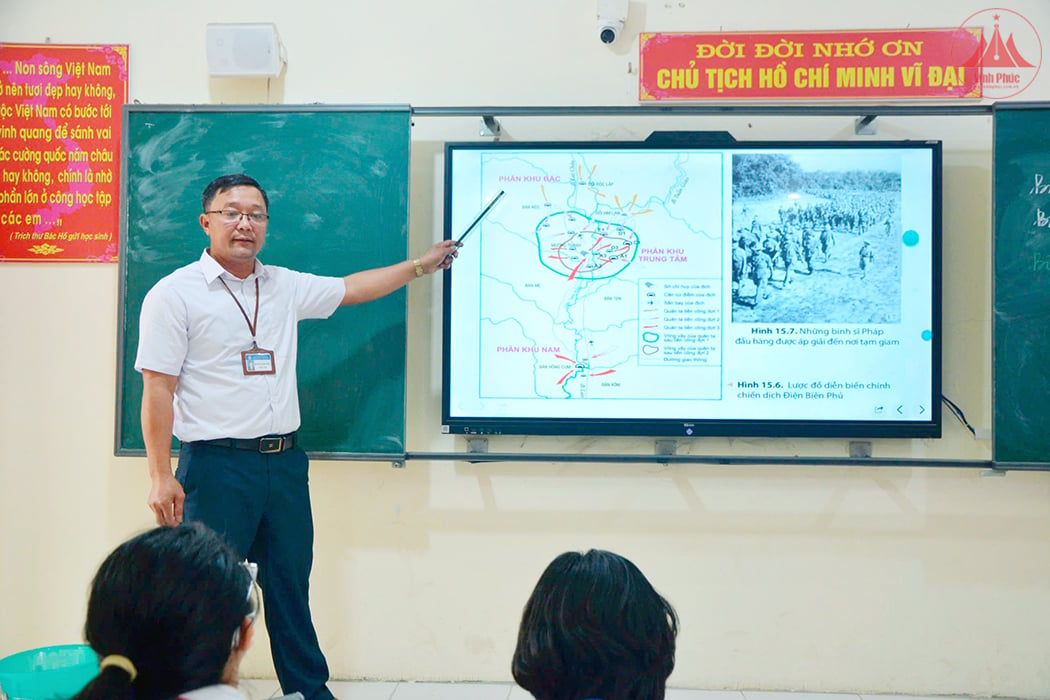
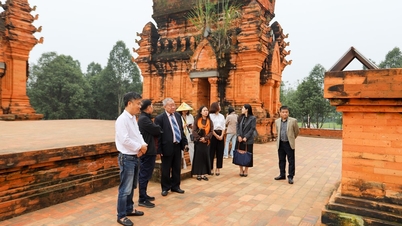
Along with that, the entire education sector is innovating its history teaching methods, such as teaching through documentary films, organizing visits to historical sites, dramatizing history, and incorporating technology into teaching with virtual reality, digital museums, interactive games, etc. At the same time, it is strengthening extracurricular activities such as organizing history competitions, inviting historical witnesses to speak to students at school, and coordinating with parents to take students to visit sites related to national history…
Ms. Pham Thi Kim Dung, a history teacher at Pham Cong Binh High School (Yen Lac), said: “If history is only taught in the traditional way, students will approach it passively and find it boring. I have strived to innovate so that I am both a teacher and a storyteller, an inspirer.”
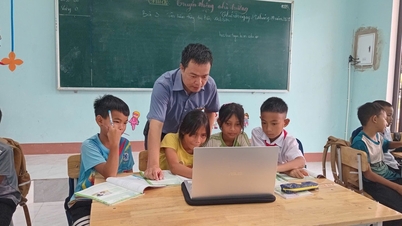
During my teaching career, I focused on innovation in teaching methods, including updating and utilizing digital technology and artificial intelligence to prepare lesson plans, research materials, and support classroom instruction. I guided students to develop their self-learning and research skills… This innovation in teaching and learning methods has brought history to life in a vivid way, helping students to naturally and enthusiastically feel, connect with, and love history.”
Nguyen Quang Tuan, an excellent history teacher at Lap Thach Secondary School, said: “To make students love learning history, I constantly research, explore, and learn to improve my skills and experience. I actively apply information technology in lesson planning, designing electronic lectures, incorporating historical documents, images, and drawings, and integrating interdisciplinary knowledge… to make the lessons more lively and engaging. These history lessons not only help students expand their knowledge but also contribute to fostering their love for their homeland, country, and people. Many students have grown up and strived to contribute to their homeland and country.”
Following the trend of development, the younger generation is being trained to become global citizens. But to reach out to the world, they must know who they are and have roots. A bright student who doesn't know history and isn't proud of their national history is a dangerous void. History education is a journey of sowing the seeds of character, ideals, and aspirations in the younger generation. Bringing history to life is preparing a solid foundation for the younger generation on the path to integration.
Tran Thi Kim Anh, a former national top student in History at Vinh Phuc Specialized High School, said: “History helps us understand what our ancestors went through and sacrificed to preserve national independence; it also helps us develop character, patriotism, a sense of responsibility, and civic consciousness. In an open world, understanding history helps us keep up with the trend of integration while still maintaining our national identity and a correct ideal of life. Thanks to studying history, I have strived to fulfill my dream of becoming a police officer, contributing to the building and protection of my homeland.”
The future cannot be built on a faded past. Teaching history is about awakening identity, igniting aspirations, nurturing national spirit, and sowing the seeds of the future. In the whirlwind of the digital age, history remains a guiding light, preventing us from getting lost. Looking towards the future with the baggage of the past is how every young Vietnamese person can protect themselves, their country, and continue writing the glorious history of the nation, contributing to the country's steady progress into the future.
Minh Huong
Source: http://baovinhphuc.com.vn/Multimedia/Images/Id/126905/Day-hoc-lich-su-de-huong-toi-tuong-lai

![[Photo] General Secretary To Lam visits the exhibition space showcasing books, photo exhibitions, and achievements of digital transformation in journalism.](/_next/image?url=https%3A%2F%2Fvphoto.vietnam.vn%2Fthumb%2F1200x675%2Fvietnam%2Fresource%2FIMAGE%2F2025%2F12%2F19%2F1766110879215_1766110240024-jpg.webp&w=3840&q=75)

![[Photo] Enchanting ancient rose garden on the mountainside in Nghe An](/_next/image?url=https%3A%2F%2Fvphoto.vietnam.vn%2Fthumb%2F1200x675%2Fvietnam%2Fresource%2FIMAGE%2F2025%2F12%2F19%2F1766109900916_vuon-hong-chin-do-thu-hut-du-khach-toi-check-in-o-ha-noi-3-20162778-1671624890024-1671624890104198100259.jpeg&w=3840&q=75)


























































Comment (0)