

Prioritize resources for the community.
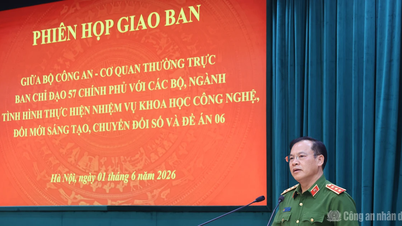
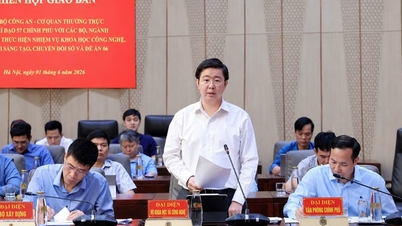
Reporting on the results of the arrangement of public assets and surplus offices during the restructuring and streamlining of the political system's organizational apparatus and the arrangement of administrative units according to the two-tiered local government model, Deputy Director of the Public Asset Management Department Tran Dieu An stated that from the end of 2024 to the present, the legal framework in the field of managing and using public assets has been continuously improved. In particular, there has been thorough decentralization and delegation of authority to local governments in the management, exploitation, and disposal of public assets in accordance with the spirit of "local authorities decide, local authorities act, local authorities are responsible."
To date, localities have completed the initial phase of arranging and handling properties under their management after the reorganization of the administrative apparatus and administrative units at all levels, ensuring that all properties have a responsible entity for management, use, exploitation, and disposal. The total number of properties that have completed the first phase of handling is 26,447.
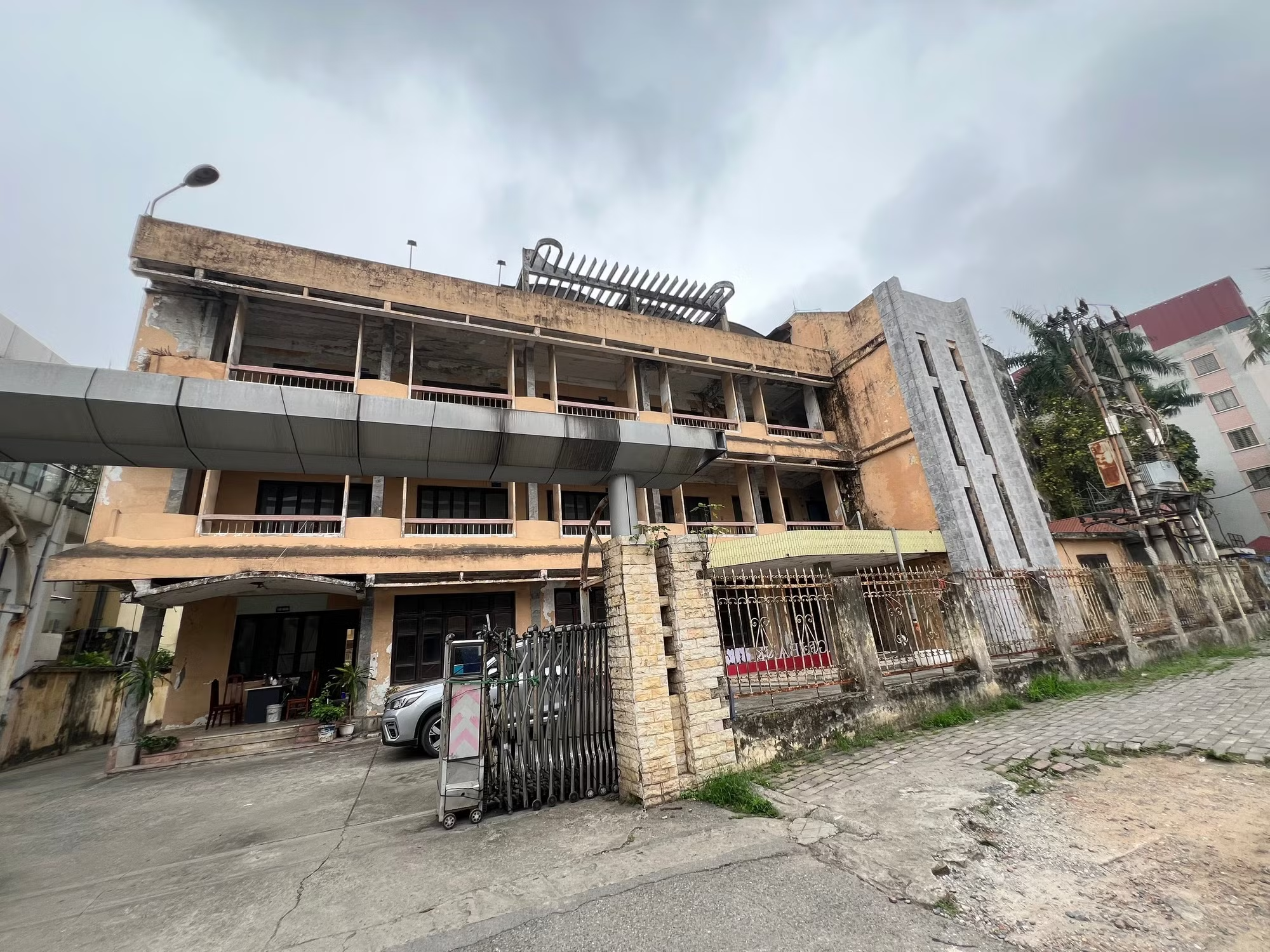
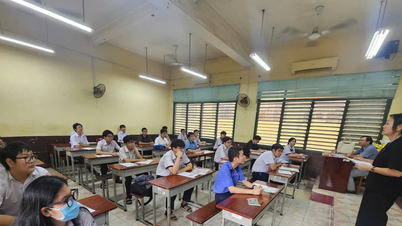
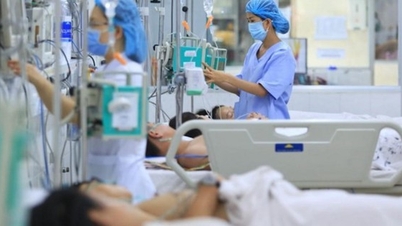
Through the restructuring process, a huge amount of infrastructure resources have been repurposed, prioritizing essential public services for the people. Specifically, surplus assets have been allocated as follows: 3,015 facilities for education and training; 648 facilities for healthcare; 2,385 facilities for cultural and sports institutions; and 626 facilities for other public purposes.
Through the reorganization process, land resources and other facilities have been created for essential public services for the people ( healthcare , education, culture, physical education, sports, etc.), especially in large cities; not only saving a large amount of costs for compensation, land clearance, land leveling, and infrastructure construction, but also contributing to improving the quality of life for the people and ensuring that they benefit from the achievements of the revolution in organizational restructuring.
As of May 27, 2026, 4,709 surplus land and buildings have been recovered and transferred to local management, either completed the processing or put into operation. For ministries and central agencies, the number of successfully processed land and buildings is 3,446. Creating this land and building fund serves both long-term goals for the State and provides resources for investment and development, contributing to high and sustainable growth.
It is estimated that the amount saved through not having to compensate for land acquisition and clearance for use in healthcare, education, culture, sports, and other public purposes is approximately 30,000 billion VND (calculated based on an average compensation and land acquisition cost for agricultural land of about 500,000 VND/m2).
Many obstacles need to be overcome.
Despite achieving impressive results, Ms. Tran Dieu An also stated that the thorough handling process (step 2) is still facing many difficulties. Currently, there are still 11,423 surplus land and property facilities transferred to localities nationwide that have not been fully processed or put into full use. Central ministries and agencies also have 702 facilities that have not yet been processed.
The objective reasons include the large volume of assets acquired simultaneously in a short period, coupled with a supply-demand imbalance where the supply of excess office space increased while rental demand decreased (due to relocation of centers and the trend of online business). In addition, many establishments are small-scale, located in remote areas, and lack commercial advantages.
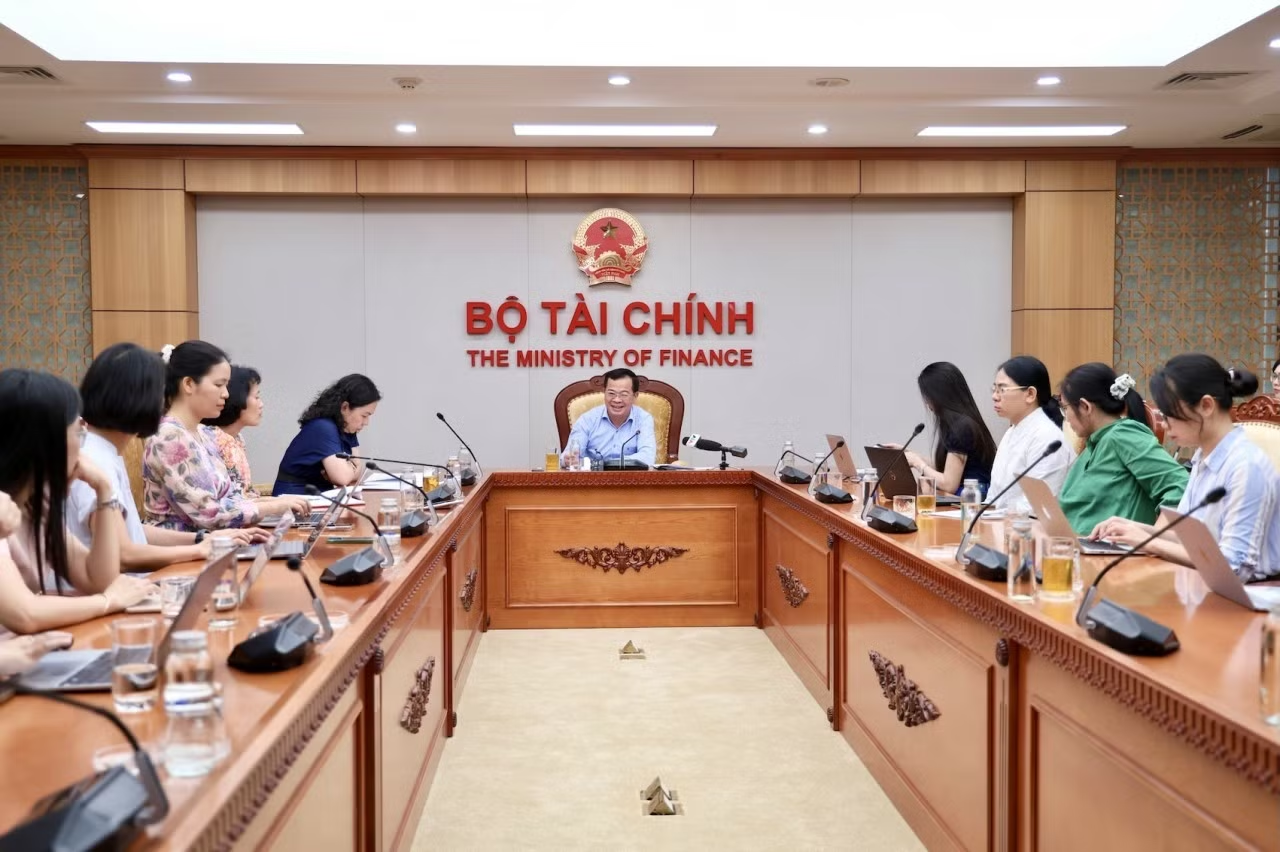
To address this problem, many solutions have been and are being implemented. Among them, the management and handling of surplus housing and land will be used as one of the criteria for evaluating KPIs for heads of ministries, agencies, provinces, cities, and affiliated units...
Sharing further information, Mr. Nguyen Tan Thinh, Director of the Department of Public Assets Management, said that in reality, surplus land and buildings arise frequently and continuously through many stages of administrative restructuring. Given this volume of assets, localities have paid great attention to prioritizing allocation to the fields of education, health, culture, and sports, in accordance with the directives of the Party and the State.
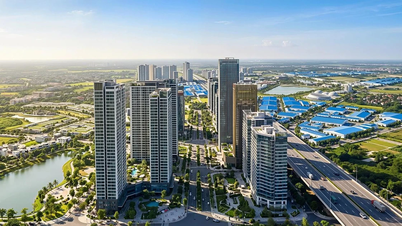
In reality, there is no fixed model; localities are acting very flexibly and adapting to practical realities: offices near medical facilities are being converted for medical services, and those near schools are being converted into educational facilities. Large-scale facilities may be used for universities, colleges, and vocational schools; smaller ones may be expanded into secondary schools. Furthermore, many offices interspersed within residential areas have been converted into resettlement housing, cultural centers, or public spaces for the community…
On the part of the Ministry of Finance, in order to achieve breakthrough results, on May 26, 2026, the Ministry of Finance submitted to the Government a Resolution on specific mechanisms and policies to accelerate the process of handling and exploiting surplus houses and land after mergers, using simplified procedures. Once issued, the Resolution is expected to significantly unlock public asset resources in the coming period.
Source: https://cand.vn/day-nhanh-tien-do-xu-ly-nha-dat-doi-du-post812648.html














![[Photo] Reception to welcome General Secretary and President To Lam and his wife on their State visit to the Philippines](https://vphoto.vietnam.vn/thumb/1200x675/vietnam/resource/IMAGE/2026/06/01/1780295488620_vna-potal-chieu-dai-chao-mung-tong-bi-thu-chu-tich-nuoc-to-lam-va-phu-nhan-tham-cap-nha-nuoc-toi-philippines-8798060-7855-jpg.webp)






















































Comment (0)