

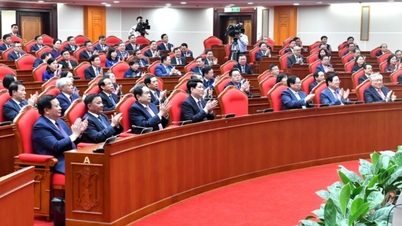
"Culture illuminates the path for the nation" (a quote by President Ho Chi Minh ) was reiterated at the National Cultural Conference at the end of 2021. After mentioning this immortal quote, General Secretary Nguyen Phu Trong further shared: "I remember that a senior figure once said that culture is the identity of a nation. As long as culture exists, the nation exists. When culture is lost, the nation is lost."
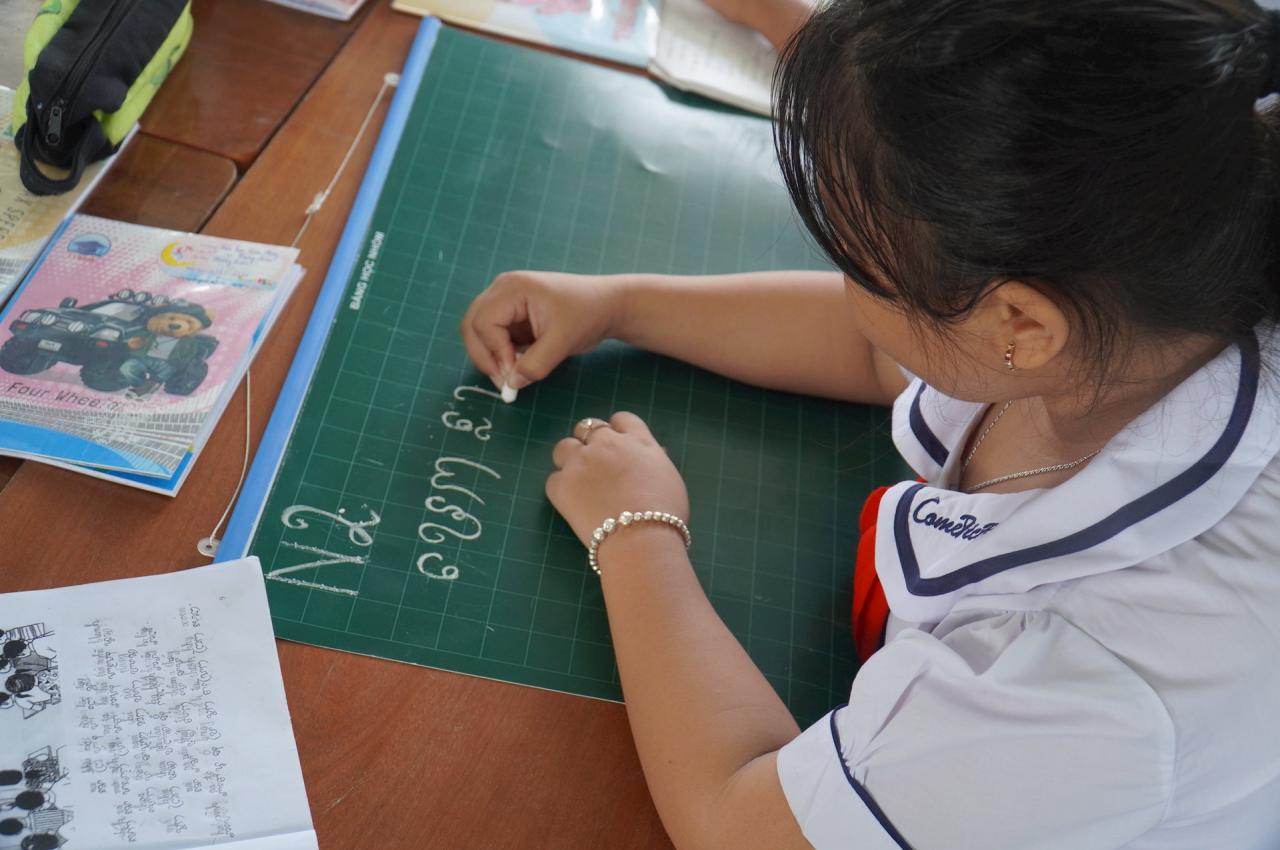
Reviving the Cham script
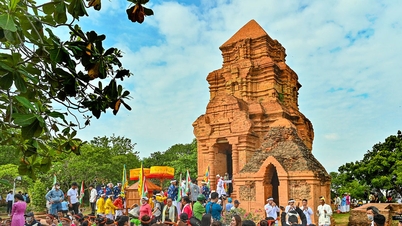
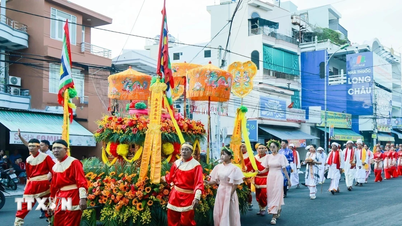
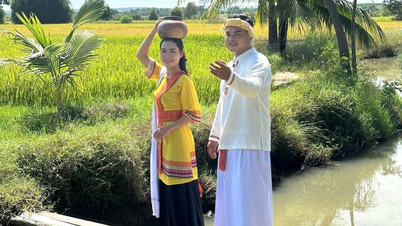
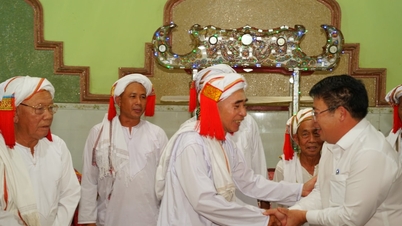
Culture plays a crucial role in the spiritual life of every nation. The Cham community is no exception; Cham culture is almost unique among the cultures of the 54 ethnic groups spread across the country. This community, this ethnic group, possesses its own distinct characteristics that cannot be mixed with others. Therefore, cultural identity is the soul and beauty of each ethnic group. In May 2021, the Standing Committee of the Binh Thuan Provincial Party Committee issued Plan No. 28-KH/TW on implementing Conclusion No. 76-KL/TW of the Politburo (12th term) on continuing to implement Resolution No. 33-NQ/TW of the Central Committee of the Party (11th term) " On building and developing Vietnamese culture and people to meet the requirements of sustainable national development." This is a heartfelt resolution on the conservation and promotion of tangible and intangible cultural heritage , paying attention to the distinctive cultural values of ethnic minority communities in connection with socio -economic development, especially tourism development in the locality .
For the past 25 years, since introducing the Cham language program into primary schools, Ham Thuan Bac district has demonstrated a commitment to valuing cultural identity and traditional beauty, helping children to cherish their roots and preserve these seemingly small things through writing.
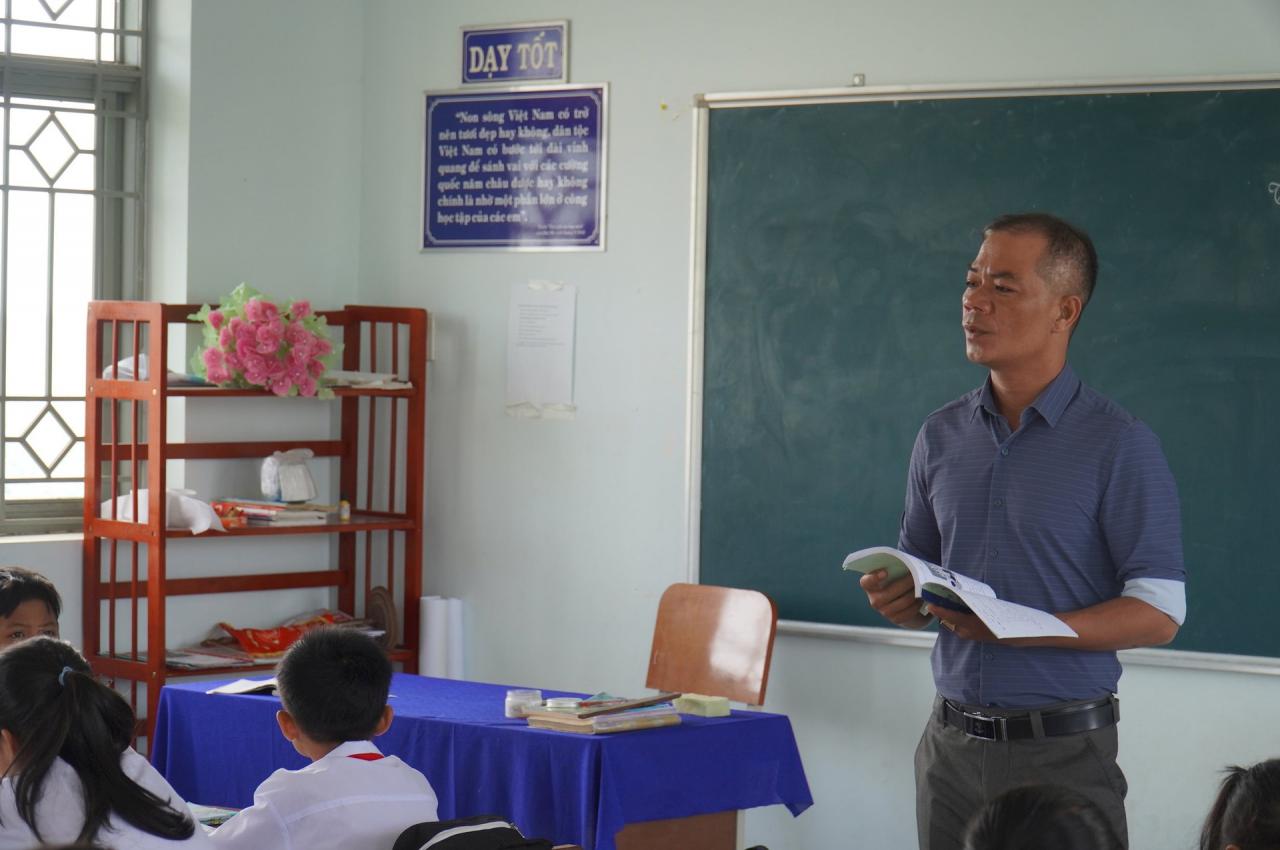
Mr. Le Trung Chinh – Deputy Head of the Ham Thuan Bac Education Department, in charge of primary education , shared: “Teaching the Cham language to primary school students in the district began in 1998. This is not a simple task, but all teachers share a common aspiration: to preserve and promote the spoken and written languages of ethnic minorities, one of the major policies of the Party and the State. This aims to enhance equality among ethnic groups and help them develop in all aspects. The Cham script has existed for a long time, passed down and preserved by the Cham people, but it has not been widely disseminated. Fortunately, since its implementation nearly 25 years ago, teaching the Cham language to Cham children in primary schools has continuously developed and increasingly attracted students who are interested in learning the Cham script.”

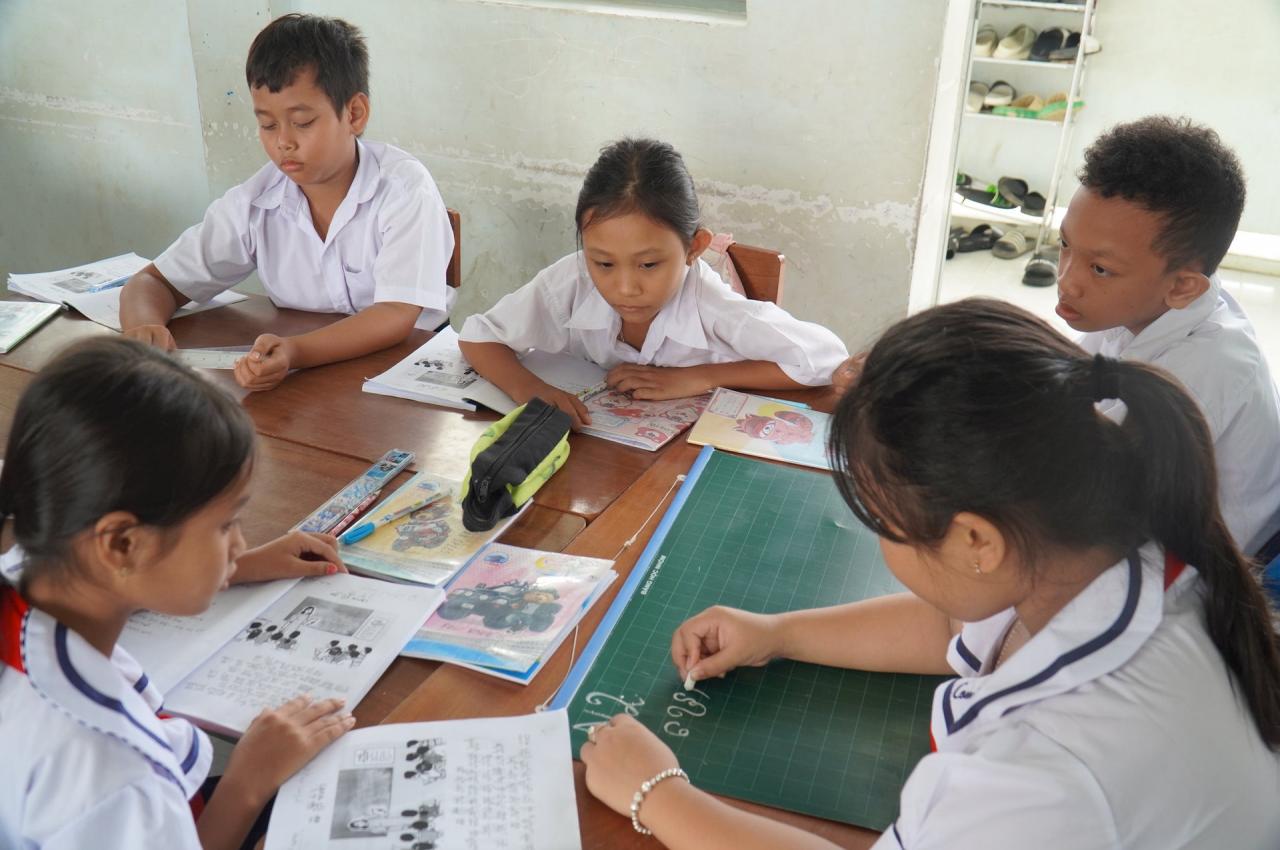
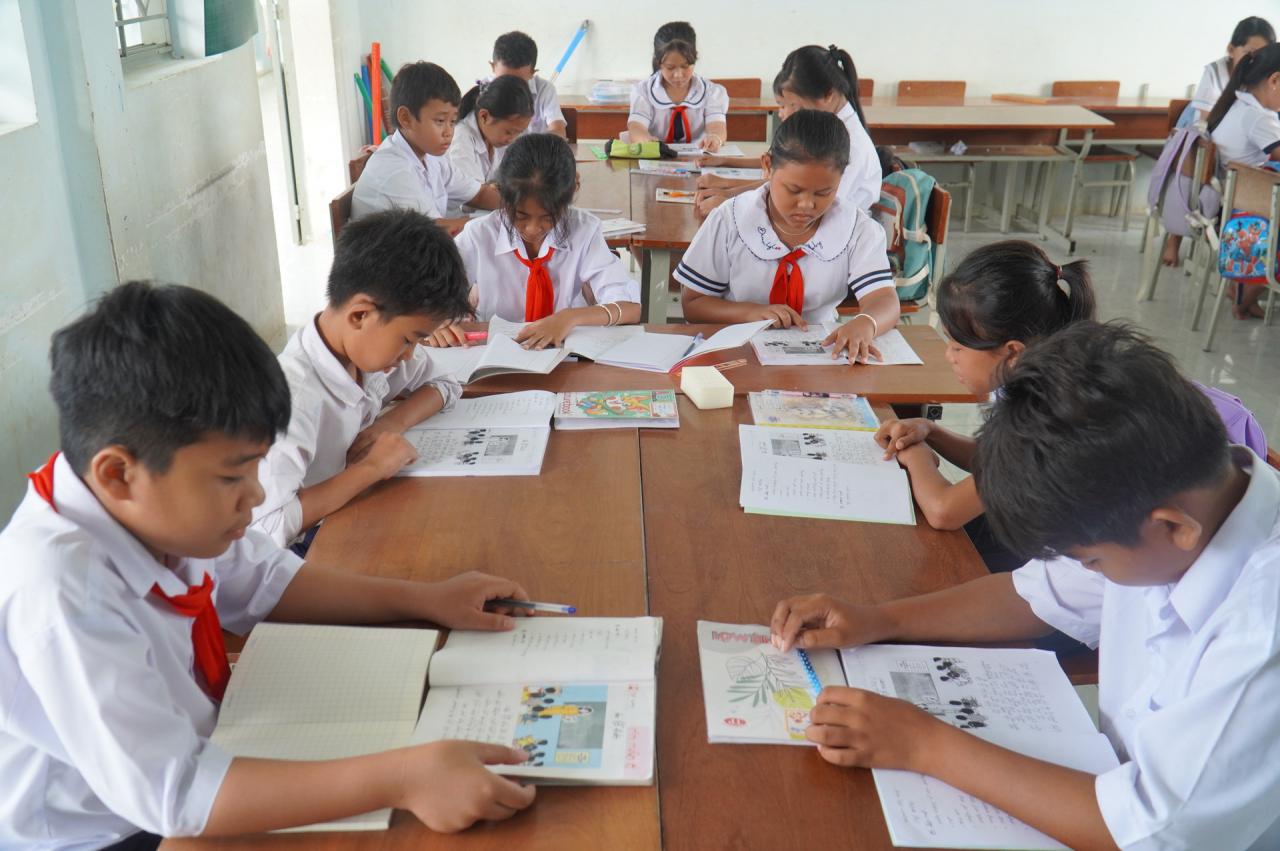
In Ham Thuan Bac district, there are currently three schools teaching the Cham language: Ham Phu 1 Primary School, Lam Giang Primary School, and Lam Hung Primary School (formed by combining Tam Hung Primary School and Lam Thien branch school). Although the children only have four lessons per week, integrated into the regular curriculum, witnessing their enthusiasm to learn the writing system of their own ethnic group is truly heartwarming. “Even though the children can speak it daily, when they start learning, they have to practice pronunciation and writing. The Cham script is inherently difficult to remember and write. Some children, even though they are Cham, use only Vietnamese at home, so it will be difficult for them to begin,” said Teacher Thong Minh Khoi (Lam Hung Primary School).
Over the past 25 years, teachers have also faced difficulties from the very beginning. However, many teachers, out of love for their students and for the cultural heritage of the Cham community, have overcome all obstacles to pursue this journey, such as Mr. Nguyen Van Dai (Ham Phu 1 Primary School), Ms. Thong Thi Thanh Giang, Mr. Thong Minh Khoi, and others.
The dream of preserving one's ancestral language.
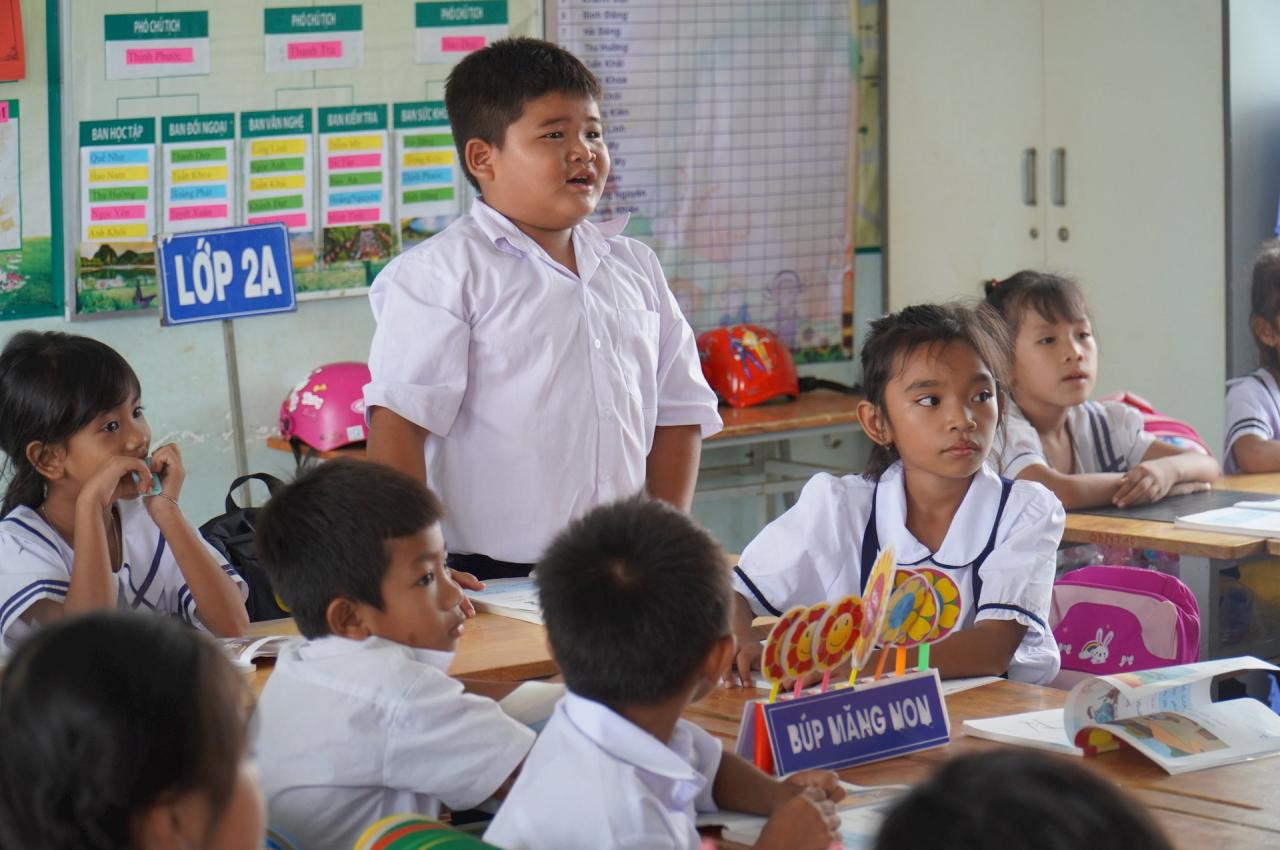
“Here, some students have Kinh fathers and Cham mothers. At home, they speak sometimes Kinh and sometimes Cham, and when they come to class, their pronunciation isn't accurate, so they have difficulty remembering how to write. Students who are purely Cham will have an advantage. For example, in my class, there is a K'ho student and three former Kinh students. One of them is a former student of this school, and she really enjoys learning Cham. After returning, she wants to teach it to the younger students. This is also her way of contributing to the preservation of her ethnic language,” – teacher Thong Minh Khoi (Lam Hung Primary School, Ma Lam town) confided.
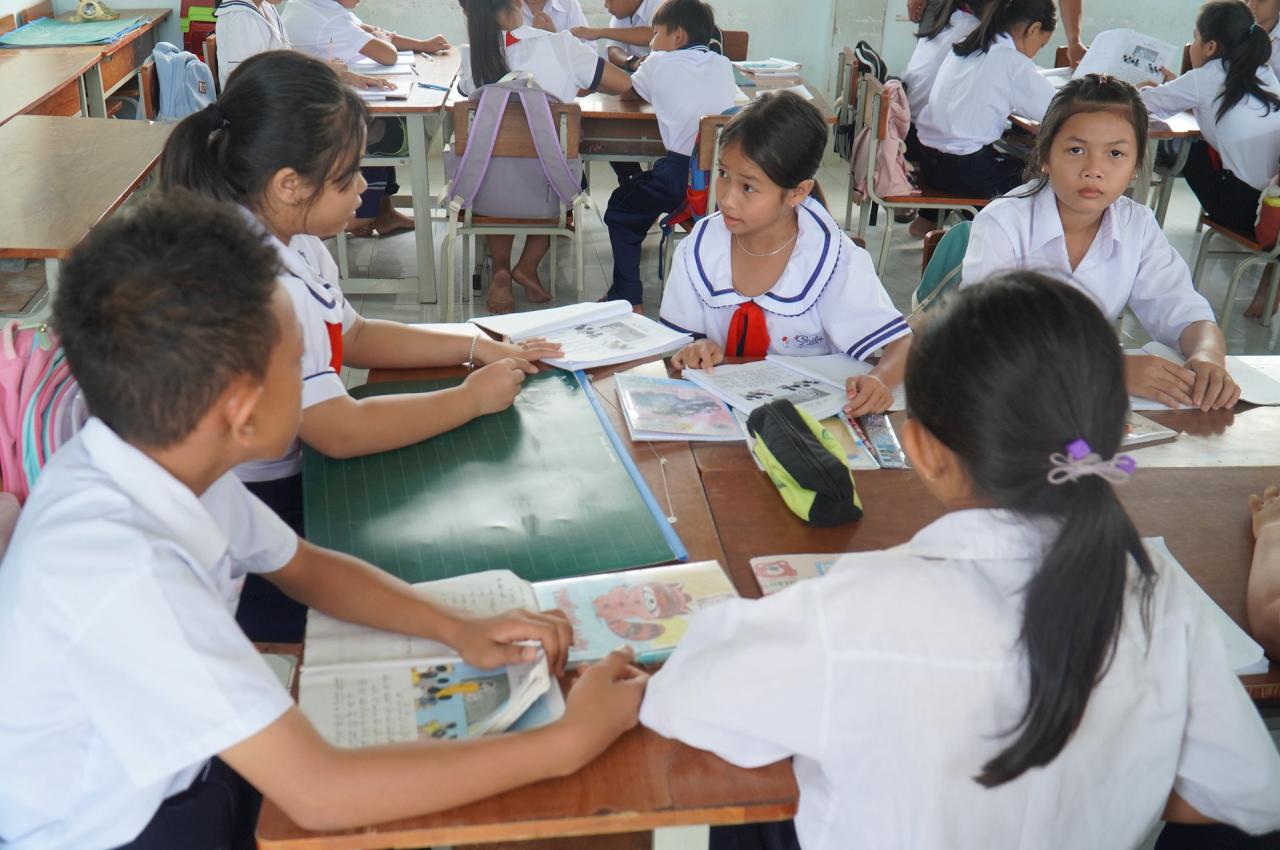
Born and raised in this very place, Mr. Khoi was taught the Cham language by his teachers from a young age. Later, he studied and returned to work with the school's youth organization. Seeing his former Cham teachers growing older, Mr. Khoi decided to continue their work, guiding young children to learn the Cham language. For many years, Mr. Khoi has diligently and tirelessly taught his students. “Teaching the Cham language is not simply about helping children learn to read and write; it's about fostering a love for their language and making them proud of it. Once they cherish it, they will become people who know how to preserve their ethnic culture.”
Currently, each week, schools offer approximately four Cham language lessons for all grades from 1 to 5. Each lesson covers four skills: listening, speaking, reading, and writing. Ms. Nguyen Thi Thu Van, Deputy Principal of Lam Giang Primary School (Ham Tri commune), said: “Regarding the Cham language, the school has achieved very good results. At the end of the year, all students learning Cham achieved a passing grade or higher. The school also participated in many activities organized by Bac Binh district during the Katê Festival. Teachers and students participated; teachers taught Cham language and writing, while students achieved high results in Cham writing. “The teaching and learning of the Cham language in schools has received strong support from village elders and parents. Besides preserving the spoken and written Cham language, teaching Cham greatly complements Vietnamese language instruction. Now, even students in grades 4 and 5 can write a short paragraph in Cham.” "This achievement also reflects the teachers' desire to contribute to preserving the values of our traditional roots," Ms. Thu Van further shared.

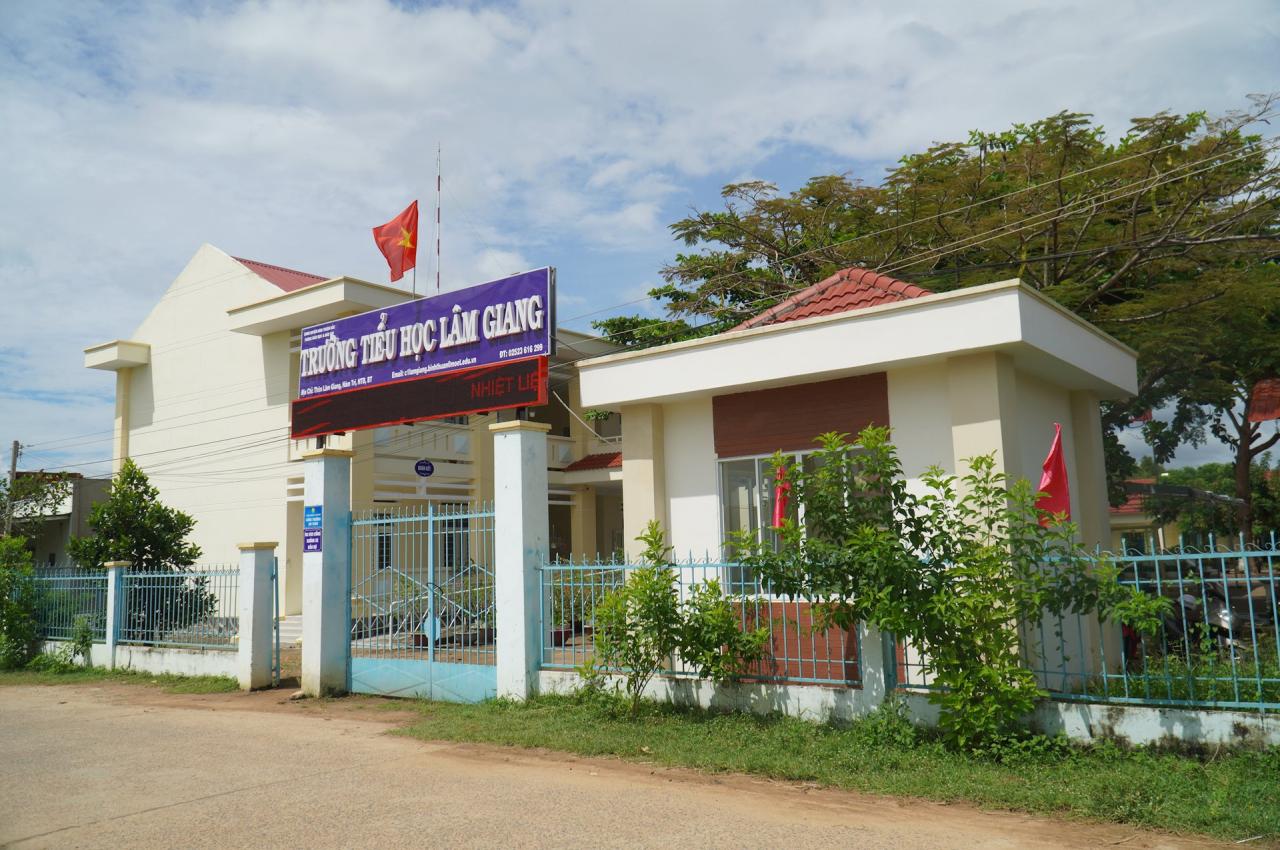
Mr. Le Trung Chinh stated: The biggest difficulty in teaching the Cham language today is that most of the teaching equipment and materials in schools are made by the teachers themselves, and reference materials are scarce. Many teachers of ethnic minority languages who meet the standards or specialize in this subject have not received training, and there are difficulties regarding facilities: a lack of equipment, pictures for teaching, exercise books, and writing practice books.
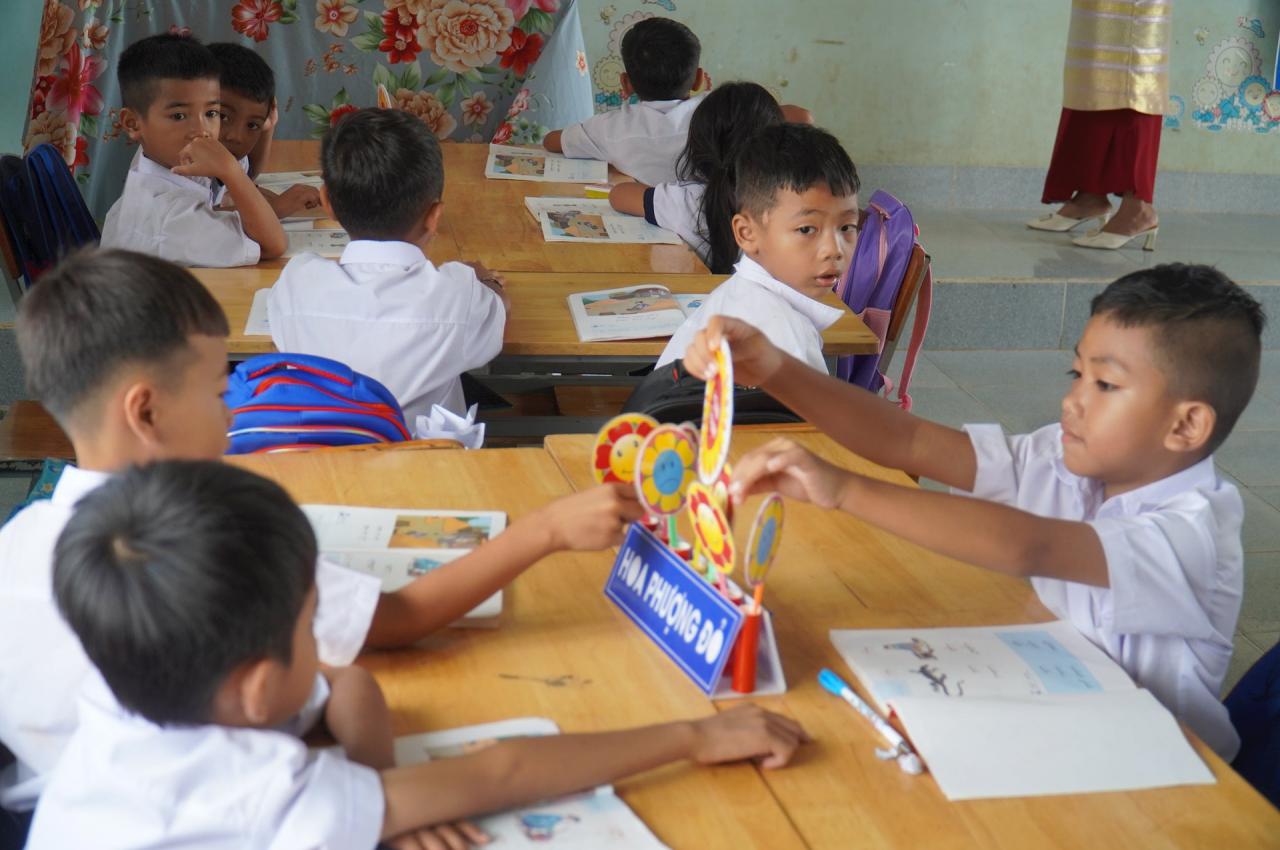
Compared to previous years, the current implementation of Cham language teaching is more favorable. Besides ensuring that students have sufficient textbooks and workbooks, most schools have dedicated and experienced Cham teachers. Nearly 50 Cham language teachers in the province have received training. These teachers hold monthly professional development sessions to propose innovative teaching methods, apply the Vietnam New School Model (VNEN) in classroom organization, and enhance the use of information technology in preparing Cham language lessons, making lessons more engaging and effective. Cham language teachers continue to receive advanced training to improve their teaching effectiveness, contributing to the cause of education and the preservation of traditional culture, because "As long as the culture remains, the nation remains."
Source













































![[Video] Sunset at Lap An Lagoon – Where the sun sets over the fishing nets](https://vphoto.vietnam.vn/thumb/1200x675/vietnam/resource/IMAGE/2026/05/31/1780192137701_beach-landscape-sea-water-nature-grass-745871-pxhere-com.jpeg)































Comment (0)