

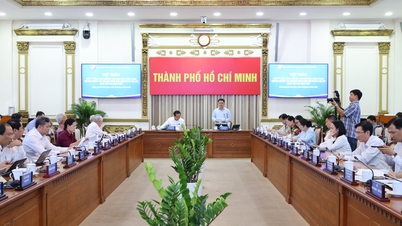
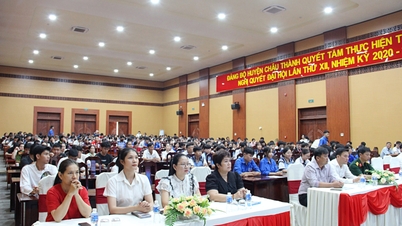
The event was attended by leaders from several central ministries and agencies, leaders from provinces and cities in the Mekong Delta region, as well as experts and researchers from both within and outside the country.
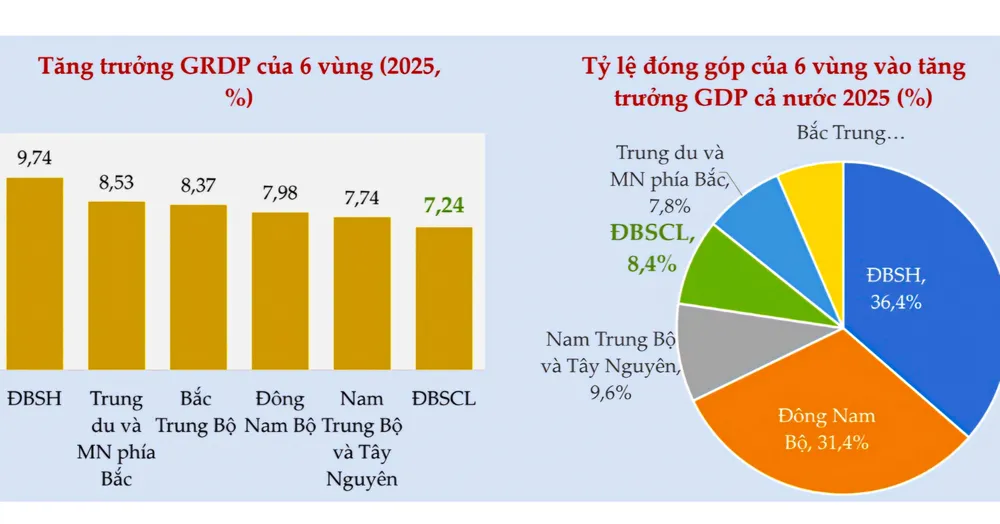
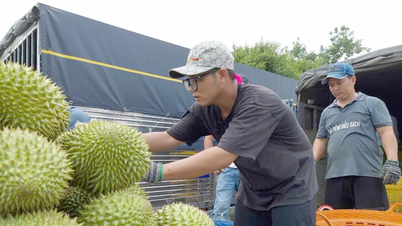
According to the 2025 Annual Economic Report of the Mekong Delta, the region's GRDP is projected to grow by approximately 7.24%, contributing 8.39% to the overall national growth and accounting for 12.2% of the national GDP. The three product groups of seafood, fruits and vegetables, and rice continue to hold a significant share (approximately 5%–6% of total export turnover) of the country.
In 2025, the region is expected to have 16,341 newly established businesses, a 30% increase compared to the previous year. In the first four months of 2026 alone, the Mekong Delta will see over 3,900 businesses entering the market, a 1.8-fold increase compared to the same period last year…
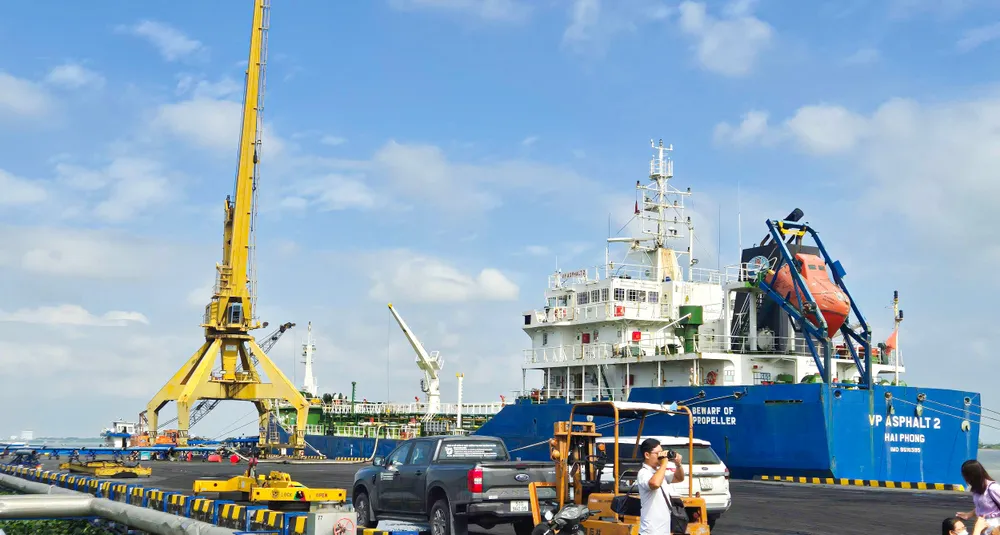
Despite its achievements, the Mekong Delta still faces many limitations such as: a shortage of high-quality human resources, low labor productivity; very little FDI attraction, financial and credit tools that have not created incentives; weak logistics infrastructure and a fragmented regional market that directly reduces the profit margins of businesses.
The 2025 Annual Economic Report for the Mekong Delta is closely linked to the main message: "The Mekong Delta is rich in potential, but lacks a sufficiently strong business ecosystem to transform this potential into economic value and sustainable growth." From this, it concludes: "Businesses must become the main driving force, the key players in creating a new growth model for the Mekong Delta."
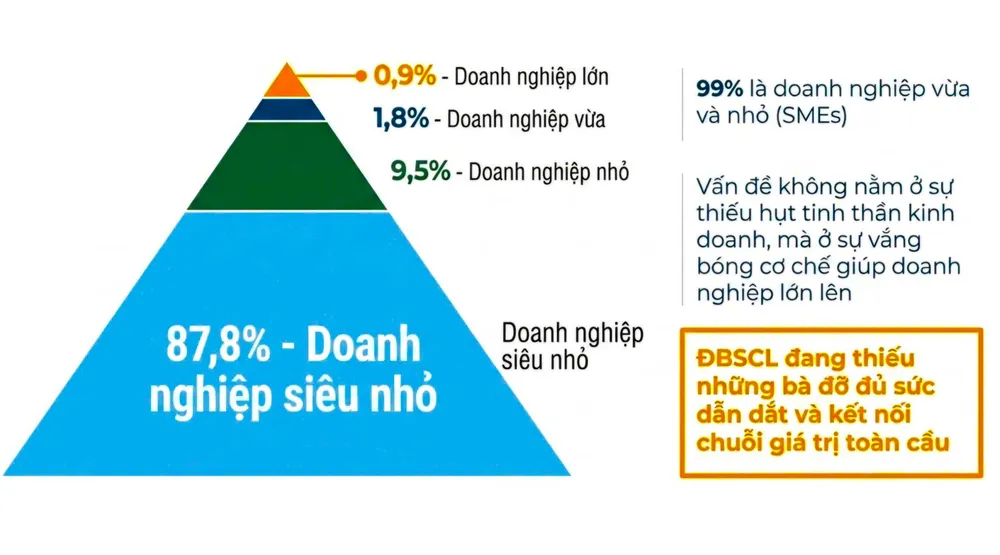
The report shows that the Mekong Delta region has the lowest density of businesses in the country since 2023 (4.1/1,000 people), labor productivity is only about 133 million VND/worker (among the lowest), and FDI attraction in 2025 is less than 1 billion USD, accounting for only 2.45% of the national total. Furthermore, 87.8% of businesses in the Mekong Delta are micro-sized; the region has an absolute advantage in agriculture (contributing more than 30% to GRDP), yet the number of agricultural businesses accounts for less than 5%.
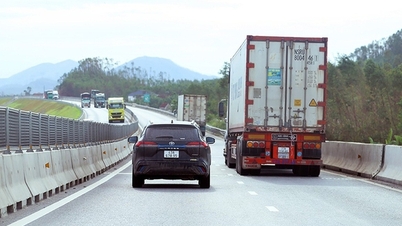
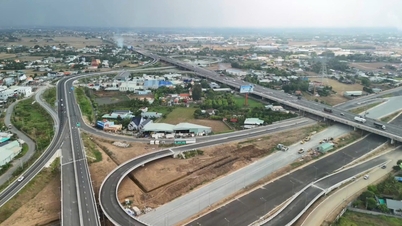
Furthermore, businesses in the Mekong Delta are facing logistics bottlenecks, leading to a continued erosion of their competitiveness. Specifically, logistics costs account for 20 to 25% of product costs in the region; 70% of exported goods still have to be transshipped through ports in Ho Chi Minh City and the Southeast region; while highway infrastructure has improved significantly, it has not created a breakthrough as the secondary infrastructure, including cold storage, sorting and inspection centers, digital logistics, and a network of businesses capable of organizing supply chains, has yet to be developed.
In the Mekong Delta, credit financing has not yet become a tool for business transformation. Specifically, in 2025, the region's credit outstanding growth rate will only account for 2.67% of the national total, lower than the rate of capital mobilization growth. Credit for agricultural exports will only account for 8% of agricultural credit outstanding. The financial system still relies heavily on asset collateral, lacking the capacity to finance deep processing, green transformation, and value chain upgrading.
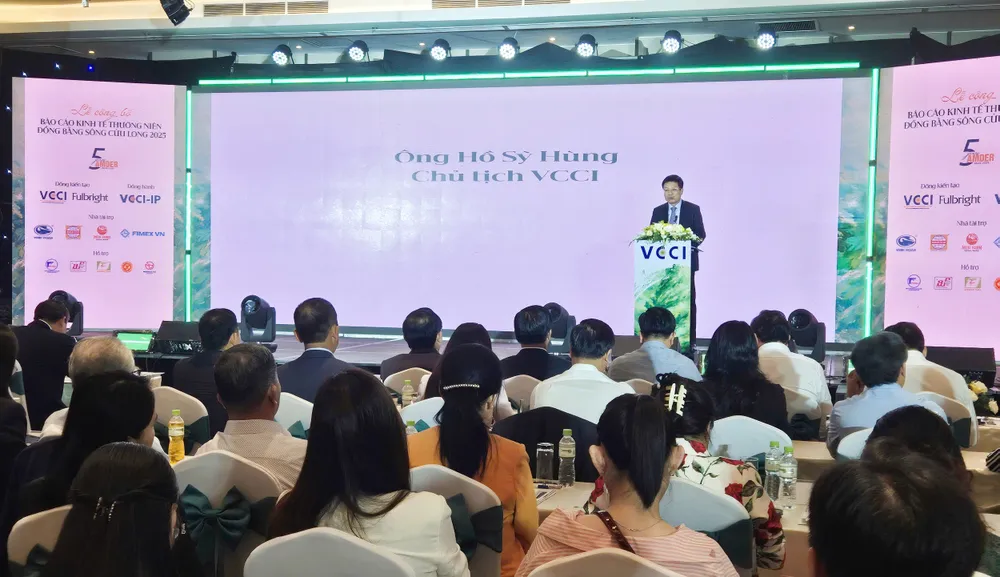
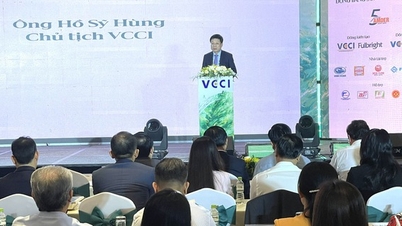
Associate Professor Ho Sy Hung, Chairman of the Vietnam Chamber of Commerce and Industry (VCCI), believes that the Mekong Delta region needs to place domestic private enterprises at the center, while repositioning FDI towards creating linkages and spillover effects, and positioning state-owned enterprises to play a "pioneering" role in foundational infrastructure. The Mekong Delta needs to shift its focus from a mindset of "regional development through investment and output" to one of "regional development through enterprises and ecosystems." This is not just a technical recommendation, but a fundamental shift in thinking.
Source: https://www.sggp.org.vn/dbscl-thieu-he-sinh-thai-doanh-nghiep-manh-post854876.html



![[Photo] Standing Committee member of the Party Central Committee Tran Cam Tu working with the Central Inspection Committee](https://vphoto.vietnam.vn/thumb/1200x675/vietnam/resource/IMAGE/2026/05/28/1779969579668_ndo_br_bnd-2495-jpg.webp)









































































Comment (0)