

From the needs of children to the responsibilities of cities.
During his lifetime, President Ho Chi Minh wrote: "Children are like buds on a branch / Knowing how to eat, sleep, and study is being good." These two simple lines of poetry contain the profound love of Uncle Ho for children, while also reminding adults of their responsibility to nurture the future generations of the nation. Children not only need to be well-fed, warmly clothed, and receive a proper education, but also need to play and live in a healthy, safe, humane, and inspiring cultural environment.
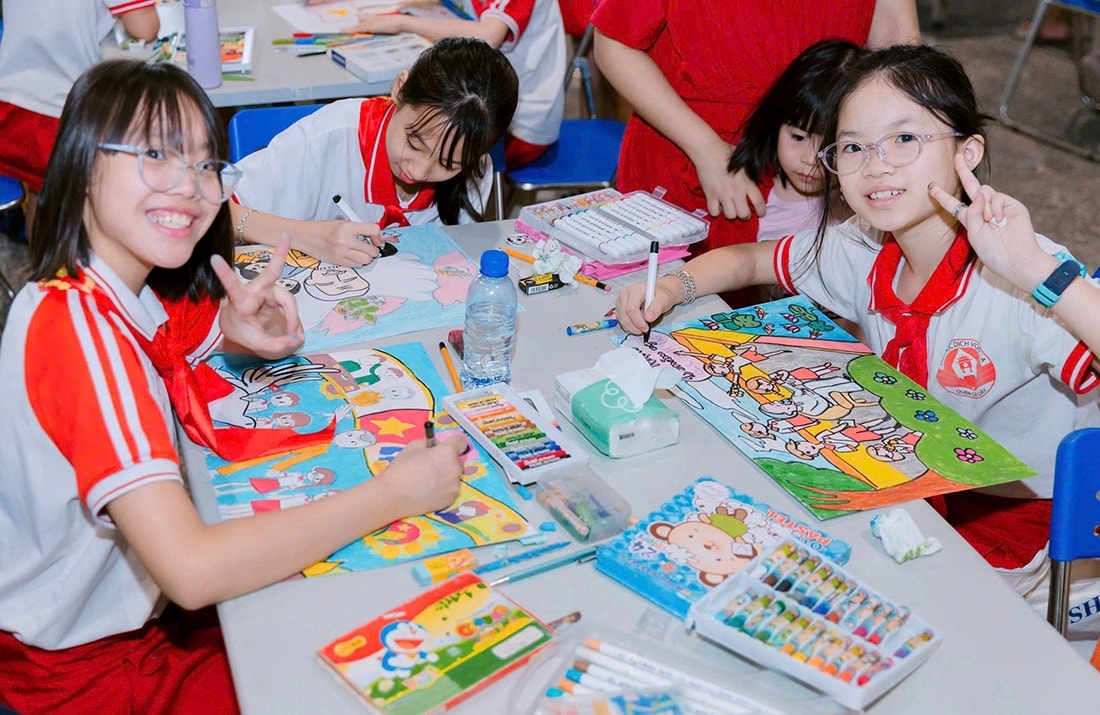
On June 1st, reflecting on the children of Hanoi today, we shouldn't just think about the fun activities on this holiday. More importantly, we should consider their journey of growing up in a rapidly developing city. Hanoi is becoming more modern, with many new urban areas, roads, buildings, and shopping centers being built. But along with that, a crucial question needs to be asked: Do the children of the capital have enough spaces to play, learn, read, appreciate art, exercise, and develop their creative abilities?
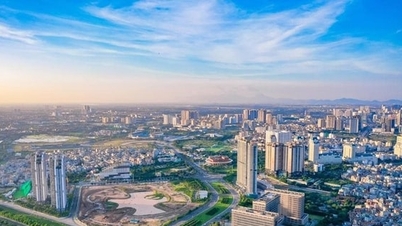
In reality, in many residential areas, especially in new urban areas, high-rise buildings are springing up rapidly, and the population is increasing quickly, but playgrounds, libraries, small parks, and cultural spaces for children have not kept pace. Many children, after school, return to their apartments and spend more time with phones, tablets, and televisions than with books, playgrounds, museums, theaters, or creative classes. Some children live very close to brightly lit shopping malls but are far from a proper children's library, a clean and beautiful public playground, a museum with engaging stories, or a theater specifically for children.
It's a paradox of modern urban life. Cities may offer increasingly convenient amenities, yet children may still lack their own private spaces. They may have early access to technology, but few opportunities to connect with nature, history, art, and community life. They may learn a great deal in school, but lack places where they can freely imagine, ask questions, experiment, explore , fail, try again, and grow.
The problem, therefore, is not just a lack of play spaces. More fundamentally, it's the need to build a cultural ecosystem for children. A child needs more than just a slide or some exercise equipment in the apartment complex yard. They need libraries to cultivate a love of books; parks to run, jump, and touch the trees and leaves; museums to understand history through vivid emotions; theaters and cinemas to nurture their aesthetic souls; and science, creativity, and STEM centers to spark their thinking, imagination, and passion for discovery.
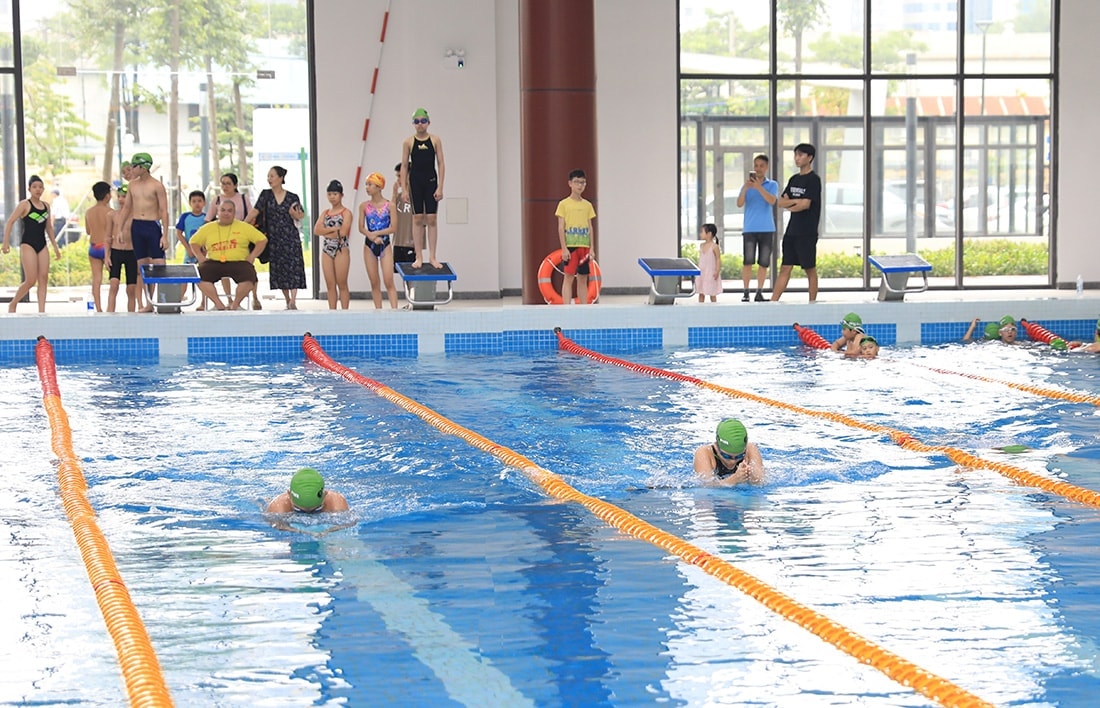
Looking at the lives of children is also looking at the depth of humanity in a city. A modern city is not only measured by wide roads and tall buildings, but also by the laughter of children in parks, the number of children reading in libraries, the weekends families spend together at museums, the fact that children with disabilities can access public playgrounds, and the ability of every child, whether in the city center or suburbs, to equally enjoy cultural values.
It is encouraging that in recent years, the attention of the Central Government and Hanoi City to children, and to the system of cultural, sports, recreational, and educational institutions for the younger generation, has become increasingly evident. Resolution 80-NQ/TW on the development of Vietnamese culture has placed culture in the position of a spiritual foundation, an endogenous resource, and a driving force for national development. When culture is recognized as a pillar of development, investing in the cultural environment for children is investing in the future of the nation and in the qualities of Vietnamese people in the new era.
In particular, General Secretary and President To Lam emphasized the need to prepare a generation of Vietnamese children who are more comprehensively developed, physically healthy, pure-hearted, strong-willed, knowledgeable, skilled, compassionate in their lifestyle, and confident in integration. This is a very profound message. Because to have a generation of comprehensively developed children, we cannot only focus on grades, schools, and textbooks, but must also care for their play spaces, cultural spaces, creative spaces, and safe spaces where they can be themselves.
Hanoi has also made many commendable efforts. The city has focused on investing in cultural and sports facilities at the grassroots level; developing parks and public spaces; and upgrading facilities for children. The new Hanoi Children's Palace is a significant landmark, with its modern scale and multiple functions serving children's learning, arts, sports, science, and recreation. This building is not only a place for children's activities but also a symbol of the capital's concern for the future generation.
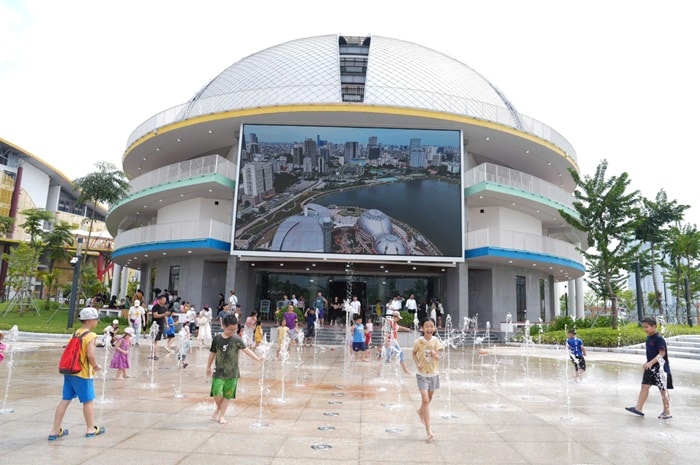
However, even the most modern Children's Palace cannot replace a widespread network of children's spaces. Children need spaces close to where they live, close to their schools, and close to their communities. Access to culture, art, science, and sports cannot be solely dependent on family circumstances, geographical location, or mobility. A happy capital city must be a place where every child, whether in the central district or the suburbs, whether in a new urban area or a village on the outskirts, has the opportunity to play, learn, create, and grow up in a loving environment.
To give Hanoi more spaces to nurture childhood
To provide children with more space, Hanoi must first place children at the center of urban planning and development thinking. In each new urban area, each ward, each commune, and each residential cluster, there needs to be specific targets for playgrounds, small parks, community libraries, sports spaces, and areas for arts and creative activities for children. Space for children cannot be the "leftover" after land has been allocated for housing, commerce, transportation, and parking. On the contrary, it must be considered from the outset, protected by planning, maintained by responsible management, and enriched by community participation.
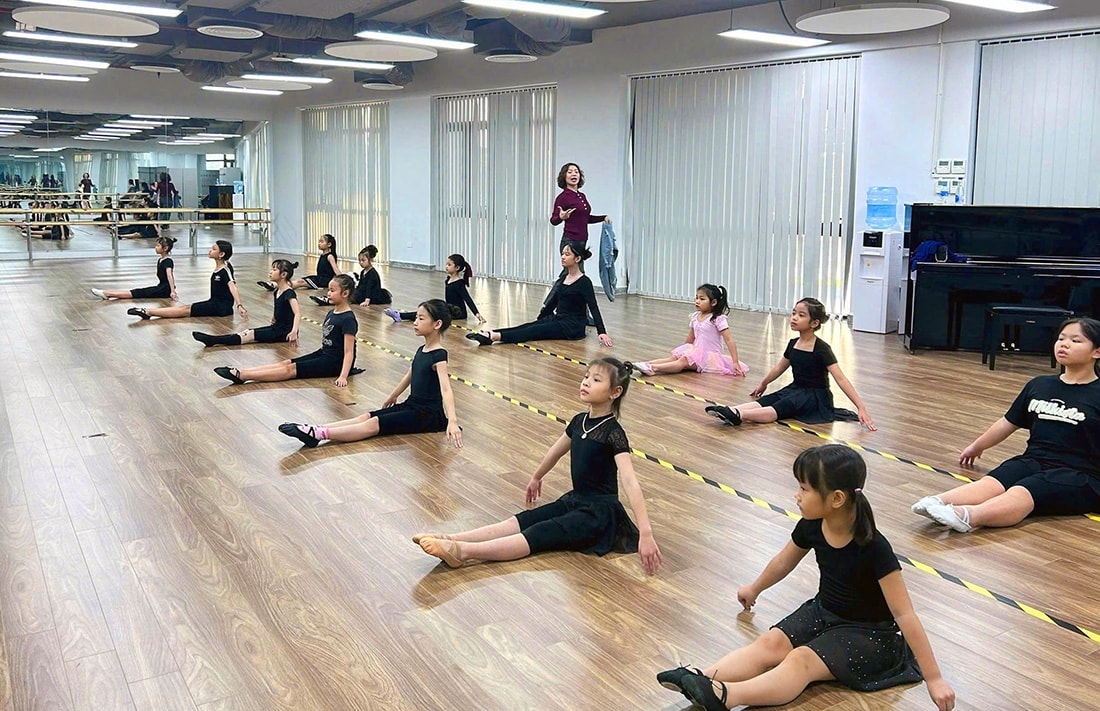
We need to envision each residential area as a "childhood village" within the city. There, children can walk to a safe playground; borrow books from a small library; participate in art, music, or storytelling classes; play sports after school; and meet friends in real life instead of just through screens. These spaces don't necessarily have to be large, grand, or expensive. What's important is that they are accessible, clean, friendly, regularly organized, and truly belong to children.
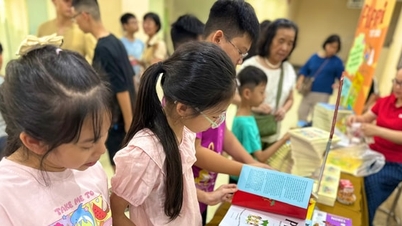
Hanoi needs to pay special attention to developing libraries and a reading culture for children. A city that loves children must be a city that knows how to put books within children's reach. Children's libraries need to be reformed so that they are no longer silent, rigid places, but become warm, colorful, and imaginative spaces. There, you'll find good books, beautiful pictures, family reading corners, storytelling time, creative writing clubs, and opportunities to interact with writers, artists, and scientists. When a child learns to love books, they not only gain more knowledge but also develop the ability to listen, imagine, empathize, and live more deeply.
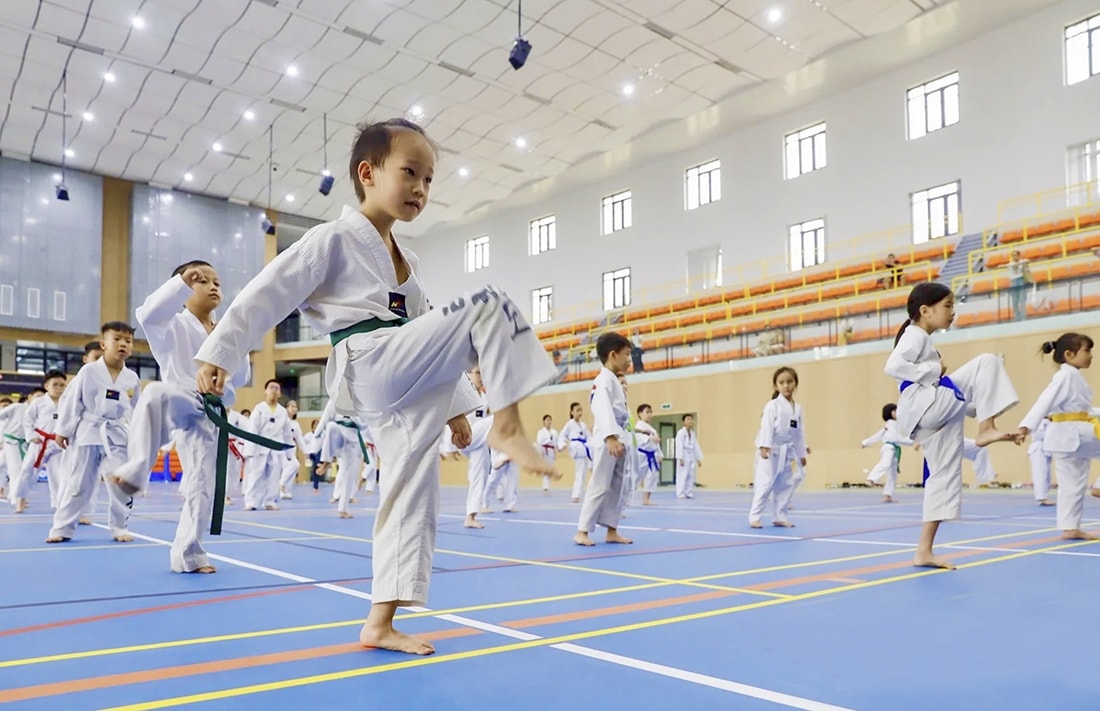
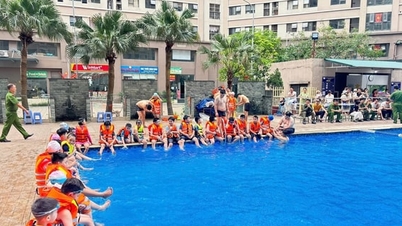
Along with libraries, parks and public playgrounds should be considered the "lungs of childhood" of the city. Children need exercise, sunshine, greenery, and games that help them learn cooperation, sharing, perseverance, and courage. Hanoi should continue to review public land, interstitial land, and underutilized spaces to renovate them into small playgrounds, community gardens, and children's sports facilities. Each playground needs to be designed safely, with age-appropriate equipment, space for children with disabilities, greenery, lighting, and community supervision.
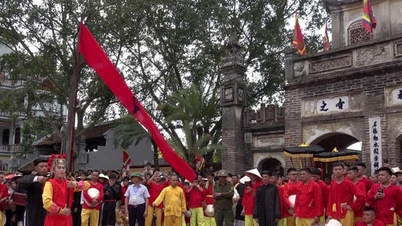
Museums should also become places children want to visit, not just places they go on mandatory tours. Hanoi has an incredibly rich treasure trove of heritage: Thang Long Imperial Citadel, Temple of Literature, Old Quarter, traditional craft villages, revolutionary relics, museums, and urban memory spaces. The challenge is how to make these heritage sites tell stories in the language of children. More experiential programs are needed, such as "a day as an archaeologist," "children telling stories of Thang Long," "Hanoi heritage journey," and "children becoming artisans in traditional craft villages." When museums know how to tell stories, history will no longer be distant; heritage will not just remain in glass cases, but will enter the hearts of children as a gentle source of pride.
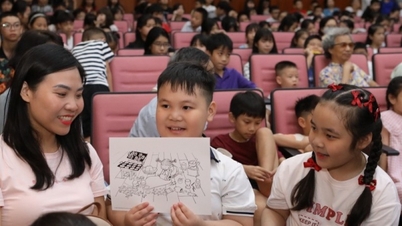
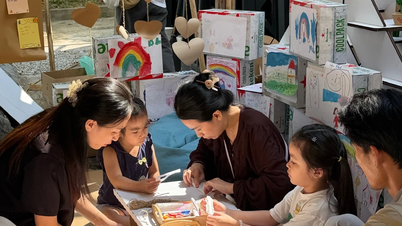
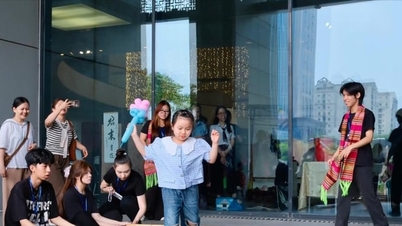
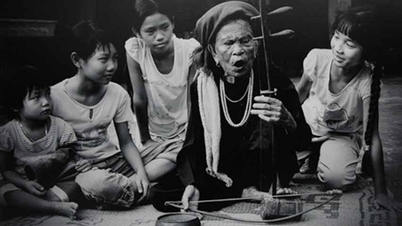
One area that urgently needs more attention is children's art. We cannot expect children to have beautiful souls if they lack opportunities to experience beauty. Hanoi needs more good plays, puppet shows, circus performances, music, cartoons, children's films, and folk art programs created with respect for children. The city could commission the creation, staging, and dissemination of children's art; support artists, theaters, and creative groups in developing quality programs; and bring art to children in suburban areas, disadvantaged children, and children with disabilities.
In this new era, alongside reading culture and art, Hanoi children desperately need science, creativity, and STEM centers. These are places where children not only learn knowledge but also get to ask questions, conduct experiments, assemble models, observe the sky, program robots, design products, and explore the environment, energy, and artificial intelligence in age-appropriate ways. Such spaces help children understand that science is not unfamiliar, creativity is not just for geniuses, and that every child can start with curiosity.
However, building new facilities is only the initial step. More importantly, it's about making the institutions vibrant. A library without engaging activities will be empty of children. A cultural center lacking program organizers will become desolate. A playground that isn't maintained will quickly deteriorate. A museum that doesn't innovate its approach will struggle to retain children. Therefore, Hanoi needs to drastically innovate the way it operates cultural institutions for children, measuring effectiveness not only by the number of facilities built, but also by the number of children who visit regularly, by their joy, by the satisfaction of their families, and by the positive cultural habits formed.
It is also crucial to expand public-private partnerships and the participation of the entire society. The state plays a key role in policy-making, land use planning, infrastructure investment, and ensuring equitable access. Businesses can contribute through social responsibility: sponsoring playgrounds, libraries, creative scholarships, STEM classes, and arts programs. Schools can incorporate museums, libraries, theaters, and parks into experiential education programs. Families can dedicate time to taking their children to cultural spaces instead of just buying more electronic devices. The community can work together to maintain, protect, and beautify their children's playgrounds.
International Children's Day on June 1st reminds us that children need not just love on one day, but care in every policy, every street, every park, every library, every theater, every museum, and every small courtyard in their neighborhood. The most beautiful gift adults can give children is not just toys, candy, or wishes, but a safe, humane, and culturally rich living environment where they can play, learn, dream, and become the best version of themselves.
Because in the eyes of every child, there is a Hanoi of tomorrow. In every laugh in the playground, every page opened, every performance that moves them, every experiment that makes them exclaim with discovery, we see the shape of a happier, more humane, and more livable capital city.
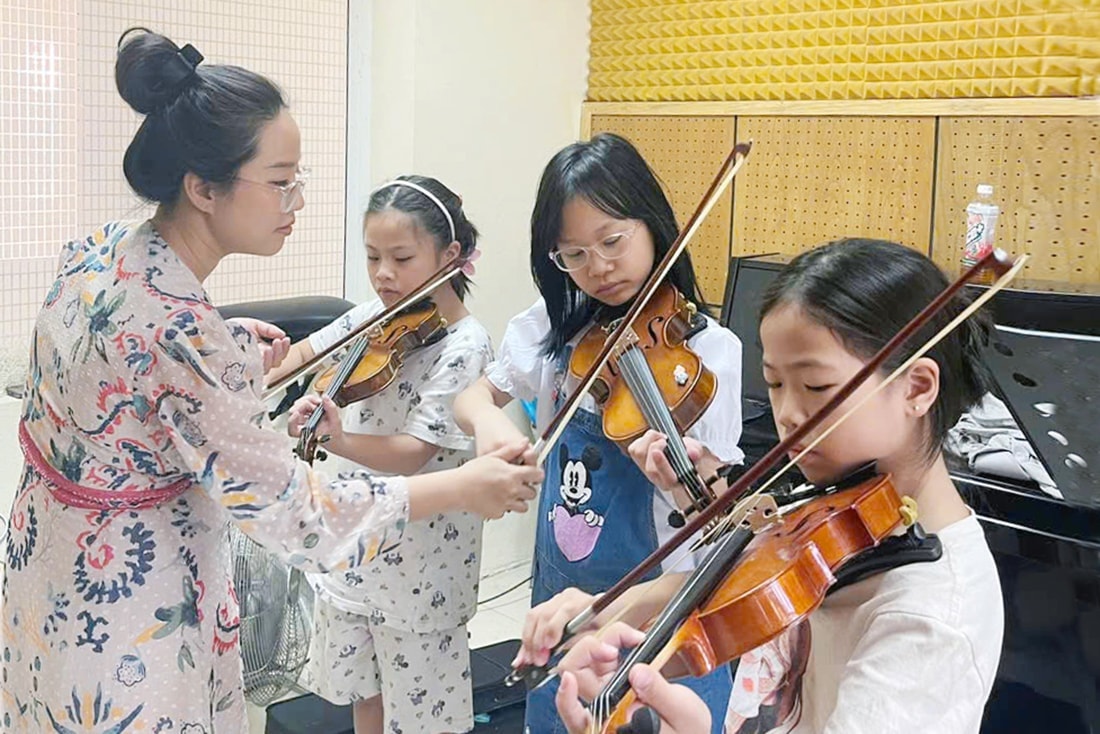
On June 1st, what we need to say to the children of Hanoi is not just "I wish you happiness," but also a serious promise: we will give them more space to grow up, more opportunities to dream, and more love expressed through concrete actions.
Source: https://hanoimoi.vn/de-tre-em-co-them-nhung-khoang-troi-tuoi-tho-976471.html





























































Comment (0)