

All of that was discussed in the dialogue program "Cultural Soft Power," organized by the Vietnam Institute of Culture, Arts, Sports and Tourism (VICAST) in collaboration with the French Institute.
Vietnam possesses rich and unique cultural potential.
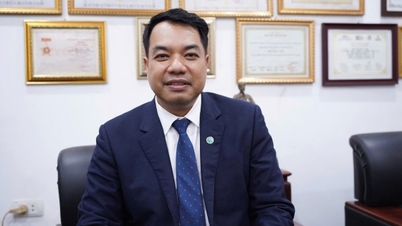
According to Associate Professor Dr. Nguyen Thi Thu Phuong, Director of VICAST, cultural "soft power" is currently a core element in shaping a nation's image and socio-economic development. Major countries like the United States, the United Kingdom, France, and even Asian countries like Japan and South Korea have successfully used "soft power" to increase their influence internationally.
Today, the importance of "soft power" derived from culture is being maximized by many countries around the world through culture, ideology, media, and digital technology , in contrast to "hard power" based on force and coercion. Cultural power has helped many nations achieve a more far-sighted vision in global debates, attract more tourists, and ultimately secure new investments in culture and ideology.
In fact, in the context of globalization today, unique and distinctive indigenous cultural features are becoming a "magnet" spreading the influence of countries around the world. Culture is bringing significant revenue and status to many developed countries such as France, the United States, Japan, South Korea, etc.
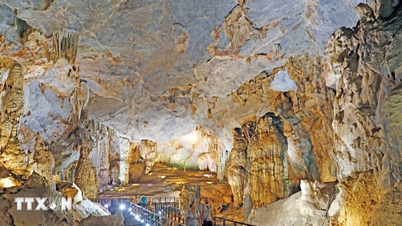
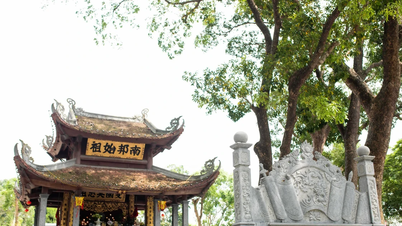
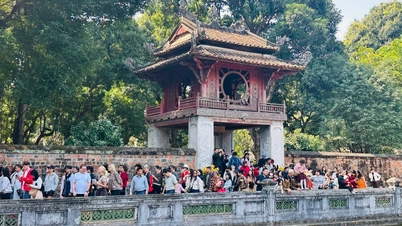
Vietnam has strong potential for cultural development. Specifically, the country currently boasts a favorable demographic structure, a growing middle class, and a significant demand for cultural consumption. Furthermore, Vietnam possesses a wealth of cultural stories to explore, such as the diverse identities of its 54 ethnic groups, and major cities with historical relics dating back thousands of years. Particularly, Vietnam has a strong advantage in its abundant system of temples, pagodas, and shrines, deeply rooted in the customs, lifestyles, religions, and beliefs of its people. However, according to actual data, the cultural industry in Vietnam is still developing relatively slowly. In 2019 and 2022, the creative industry contributed only 3.61% and 4.04% of GDP, respectively.
Mechanisms and policies are needed to maximize the potential of culture.
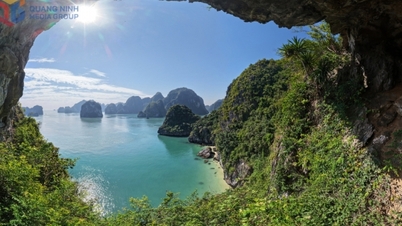
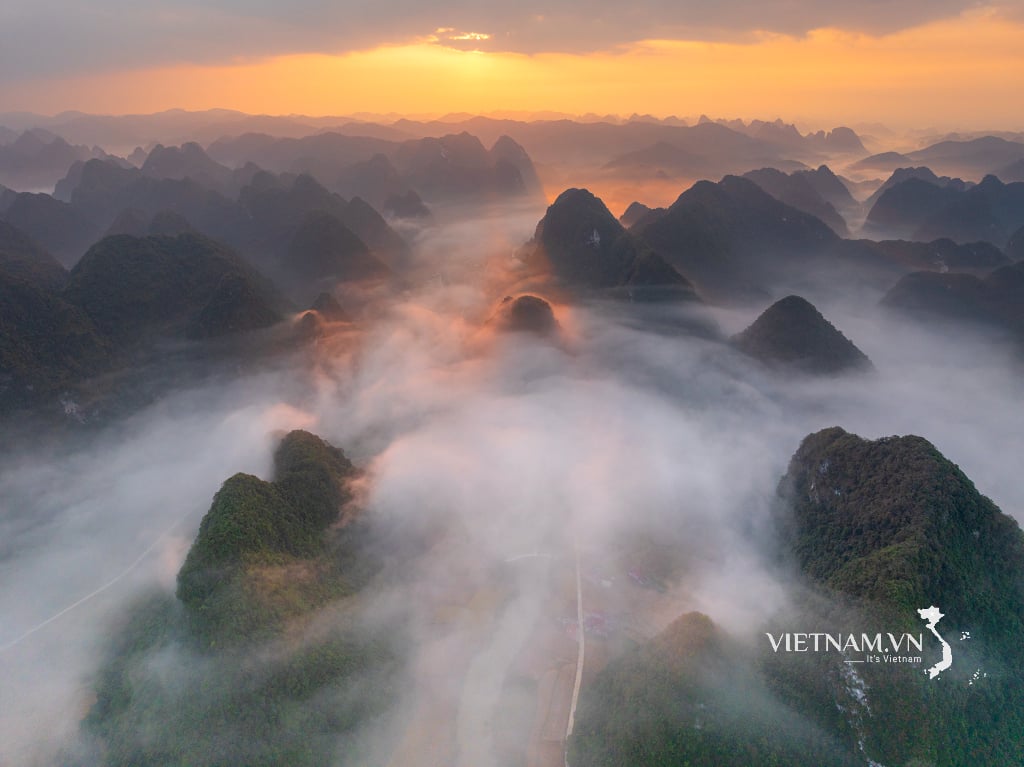
During the dialogue, Dr. Frédéric Martel, a French writer and university lecturer, noted that Vietnam possesses impressive and unique cultural potential. His latent "soft power" is manifested in its rich cuisine, scenic landscapes, and historical sites. He shared how exploiting cultural potential in countries like France and the United States always involves public policies supporting cultural industries and artists to maximize their creative abilities.
In reality, the development of cultural industries is becoming a key economic sector in Vietnam. At its 8th session, the National Assembly approved the National Target Program on Cultural Development for the period 2025-2035, aiming for cultural industries to contribute 7% of GDP by 2030 and 8% by 2035. To realize this ambition, Vietnam needs to identify cultural industries with competitive advantages and the greatest potential to generate significant economic value, especially if properly invested in infrastructure, human resources, technology, and markets.
Currently, Vietnam has only exploited a few of the 12 cultural industries. Some sectors, such as film, architecture, and handicrafts, remain relatively obscure in the global market. To effectively develop these potentials, Vietnam needs a clear strategy, mechanisms, and policies to support and develop its culture.
Speaking to a reporter from the Vietnam Law Newspaper, Associate Professor Dr. Nguyen Thi Thu Phuong stated that developing cultural "soft power" requires the coordinated efforts of three elements: cultural diplomacy, cultural media, and cultural industries. Vietnam needs to develop a strategy for increasing its "soft power." When developing such a strategy, there should be a clear division of responsibilities and appropriate mechanisms. In particular, the development of cultural "soft power" should be a top priority for the Party and the State.
Source: https://baophapluat.vn/de-viet-nam-khai-thac-hieu-qua-suc-manh-mem-van-hoa-post544892.html
![[Photo] General Secretary and President To Lam presides over the meeting to approve the draft report on the results of the second inspection by the Politburo of the Standing Committee of the Hanoi City Party Committee.](https://vphoto.vietnam.vn/thumb/1200x675/vietnam/resource/IMAGE/2026/05/26/1779789811432_a2-bnd-4430-9620-jpg.webp)









































Comment (0)